
 Back
Back
Last Updated: Jun 12 2026, 14:00 PM IST
How to Increase Electric Scooter Range With Smarter Riding Habits




Why do two riders using the same electric scooter often end up with noticeably different travel ranges in everyday use, even when the specifications are identical? In most situations, the difference is not rooted in the scooter's hardware or battery capacity, but in how it responds to everyday city riding conditions, where subtle shifts in usage patterns gradually shape overall efficiency without being immediately noticeable. Urban commuting rarely follows a uniform pattern, and energy demand changes constantly with traffic flow, stops, and variations in road conditions. This is where the idea of how to increase electric scooter range becomes more relevant in a practical sense, as it depends on interpreting riding behaviour rather than relying only on technical figures. Let's understand what actually influences these differences in real-world performance.
Understanding How Riding Habits Impact Electric Scooter Range
Electric scooter range is influenced by more than battery capacity. In real-world use, riding conditions and day-to-day behaviour play a quiet but consistent role in overall efficiency. This section focuses on the practical factors that shape performance during regular commuting.
1. Maintain a Steady Speed Instead of Frequent Acceleration
Frequent acceleration and deceleration create unnecessary energy spikes, which reduce efficiency over time. A steady riding pace allows the motor to operate within a more stable energy band, reducing wasteful consumption.
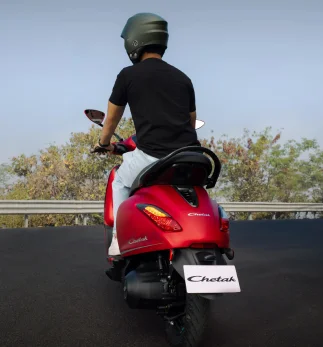
Riders who prioritise smooth throttle control often achieve more consistent energy usage during daily travel. Instead of reacting sharply to every gap in traffic, maintaining a consistent speed helps preserve battery life. In many urban scenarios, this habit alone can create more predictable riding outcomes and reduce mid-journey range anxiety
Over time, smoother riding also improves comfort and reduces mechanical stress on the scooter system.
2. Use Eco or Ride Modes for Daily Commuting
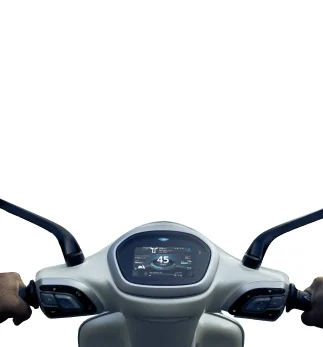
Most modern scooters offer riding modes designed to control power output. Eco modes typically limit acceleration intensity and top speed, which helps regulate energy usage.
For regular commuting, selecting the appropriate riding mode is a practical starting point for improving efficiency. Eco mode is especially useful in dense city traffic where high acceleration is unnecessary.
By reducing peak power demand, riders can extend usable range without changing any physical component of the scooter. This makes mode selection a simple but effective efficiency lever.
3. Reduce Sudden Braking and Harsh Acceleration
Aggressive riding patterns are one of the most common causes of energy loss. Sudden braking forces the scooter to repeatedly rebuild momentum, which consumes additional battery power.
A key principle in improving riding efficiency is maintaining flow in movement. Gentle acceleration combined with predictive braking helps smooth energy consumption patterns.
Instead of reacting late to traffic changes, anticipating stops and adjusting speed early can reduce wasted energy cycles. This habit not only improves range but also enhances overall riding safety in congested environments.
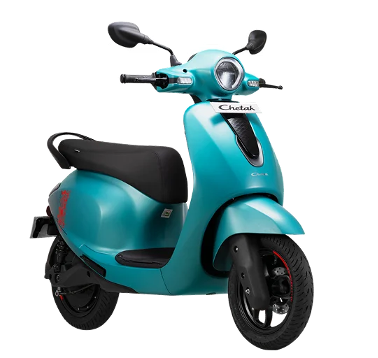
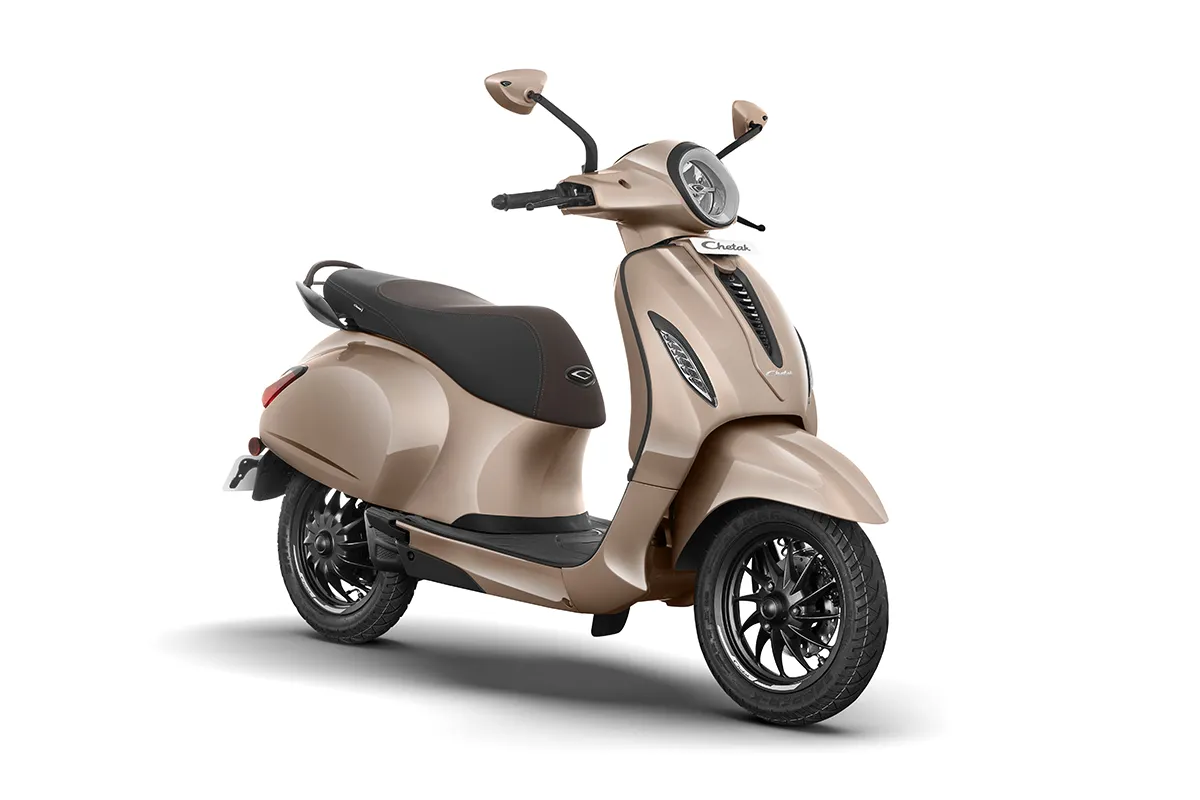
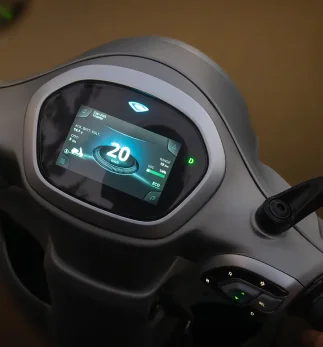
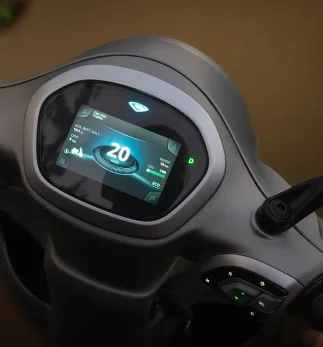
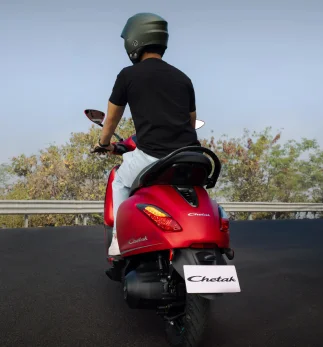
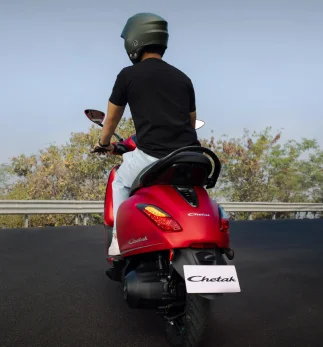
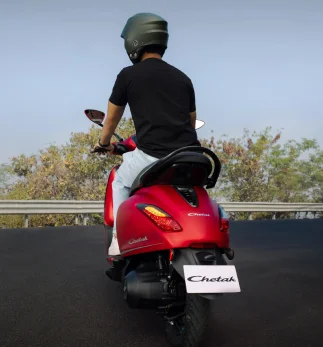
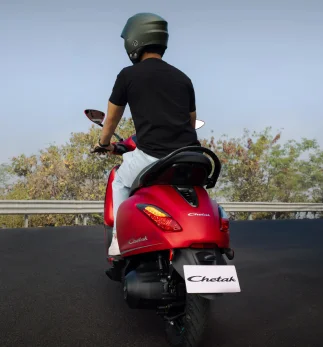
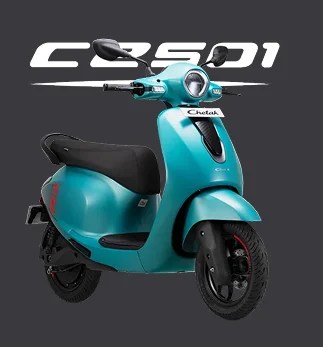
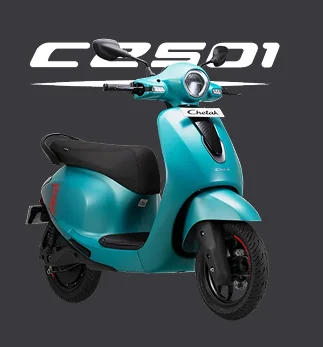
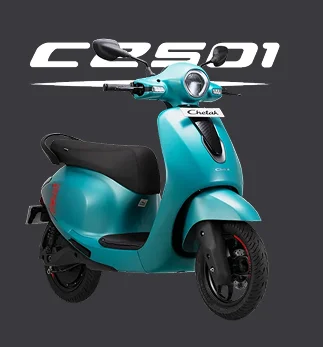
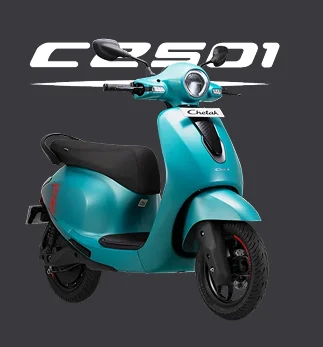
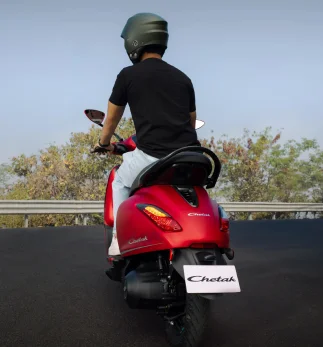
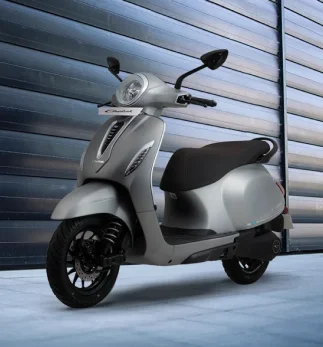
Bajaj Chetak C2501
4. Plan Routes to Avoid Traffic and Steep Gradients
Route selection has a direct influence on energy consumption. Stop-and-go traffic increases battery drain due to repeated acceleration, while steep gradients demand higher motor output.
Evaluating daily routes with efficiency in mind can help riders make better use of available battery capacity. Even slightly longer but smoother routes can sometimes deliver better energy performance compared to shorter, congested ones.
Elevation changes also matter. Uphill riding increases load on the motor, while downhill sections may not fully compensate for energy loss. Smart route planning helps balance these factors for more consistent range outcomes.
5. Manage Load and Tyre Pressure for Better Efficiency
Extra load increases rolling resistance and forces the motor to work harder, which directly impacts battery usage. Similarly, underinflated tyres create additional drag and reduce overall efficiency.
Regularly checking tyre pressure and avoiding unnecessary weight can support more efficient energy use. Even small inefficiencies can accumulate over longer commutes.
Maintaining optimal mechanical conditions ensures that the scooter operates closer to its designed efficiency levels. This creates more stable and predictable performance across different riding conditions.
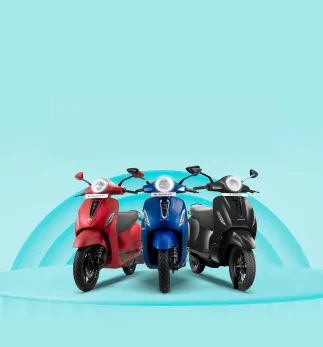
Bajaj Chetak Scooters with Good Real-world Range
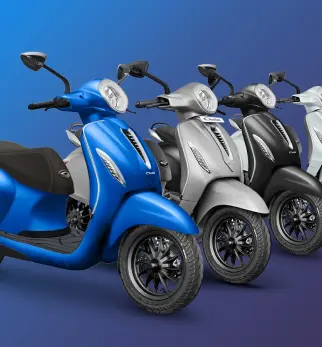
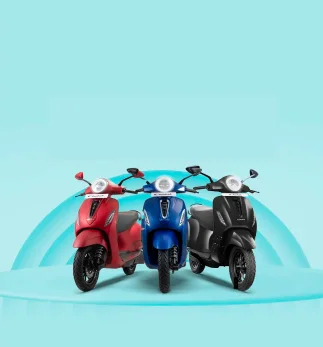
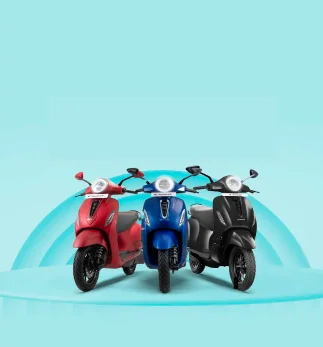
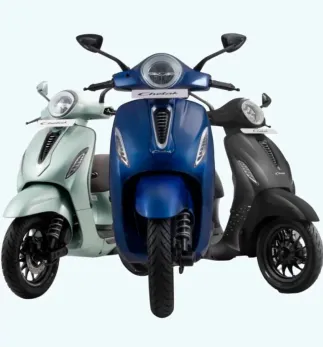
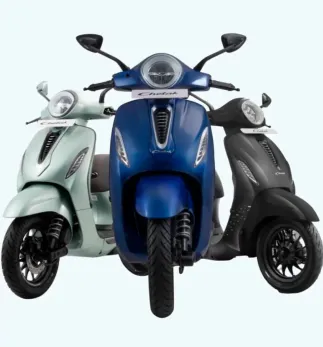
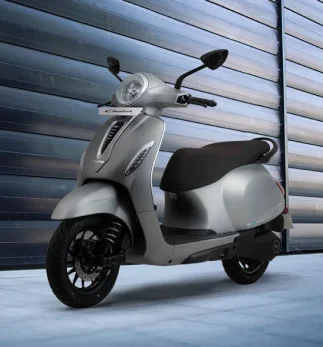
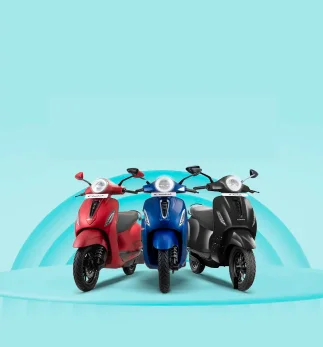
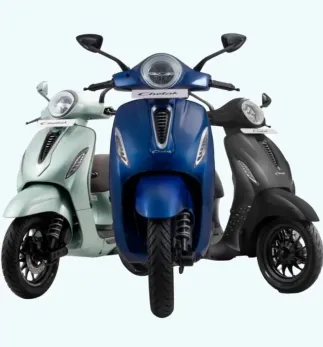
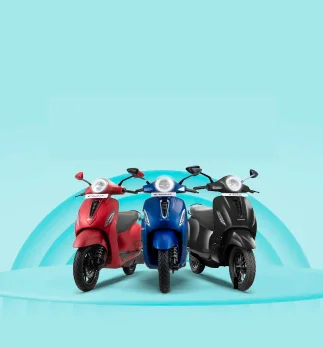
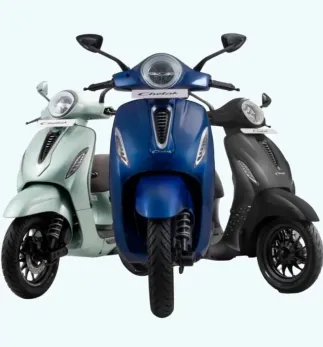
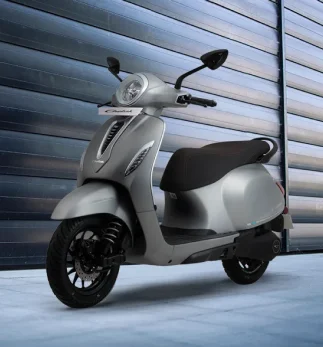
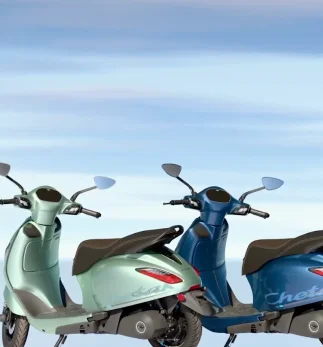
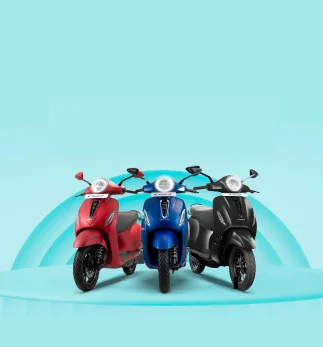
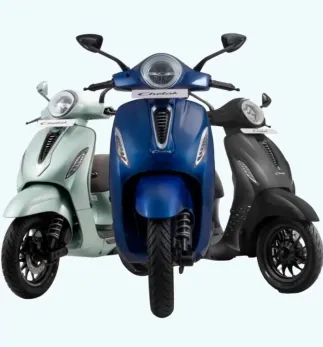
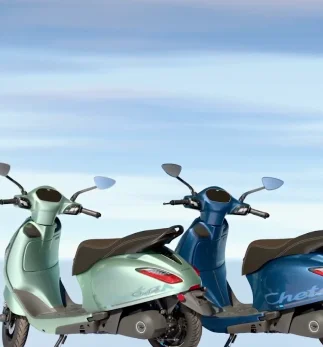
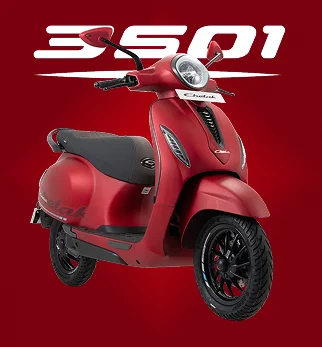
Bajaj Chetak scooters are designed to support efficient urban commuting, where riding habits directly influence range. The Chetak C3501, powered by a 3.5 kWh battery, delivers a range of up to 153 km, making it well-suited for daily city travel.
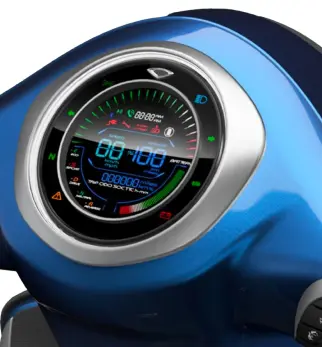
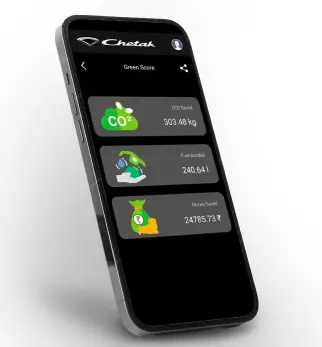
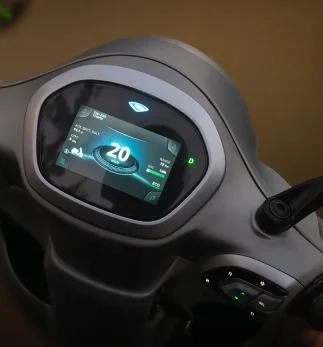
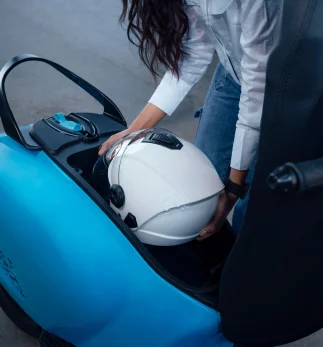
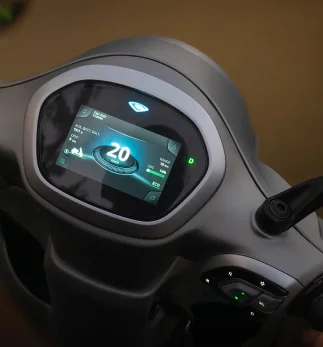
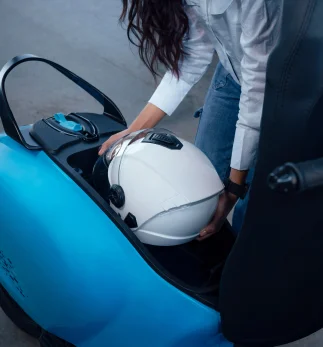
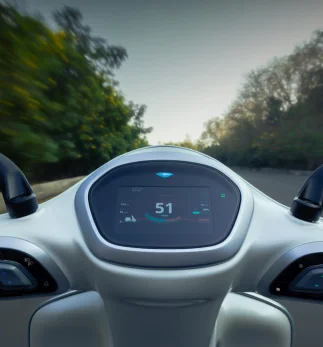
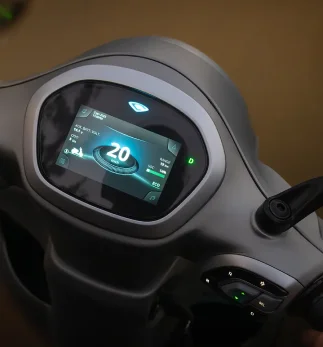
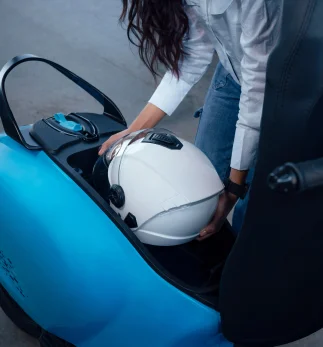
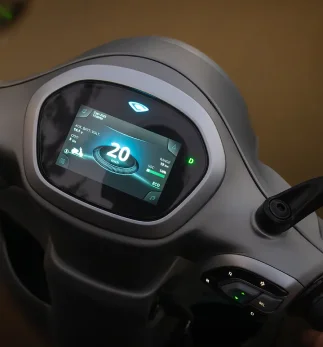
It features Integrated Google Maps for smarter navigation, a 35L boot space for practicality, a touchscreen display, and document storage for a connected riding experience.
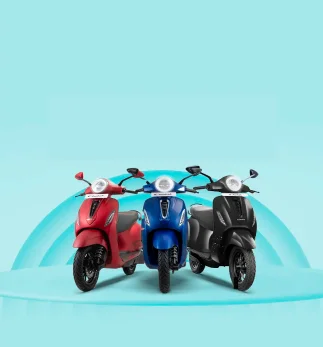
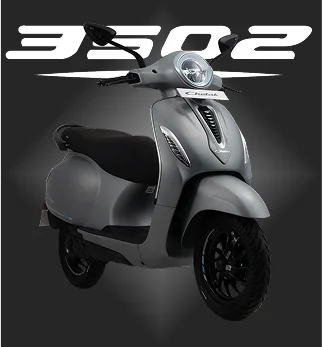
Performance elements like a top speed of 80 kmph, keyless access, sequential blinkers, anti-theft alert, and ride modes support smoother energy use. For more options, explore Chetak 3501, 3502, 3503, 3001, and Chetak EV models tailored for different commuting needs.
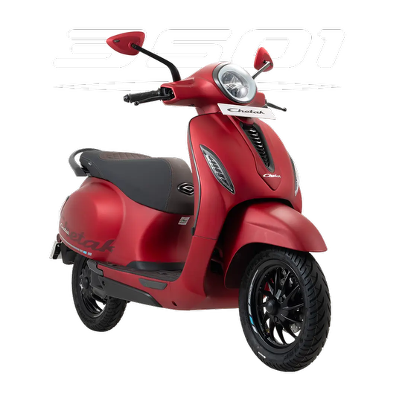
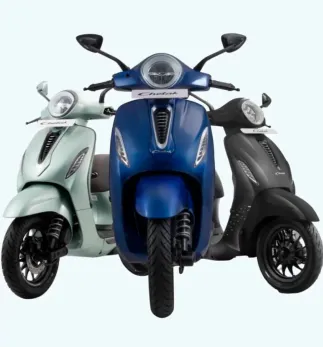
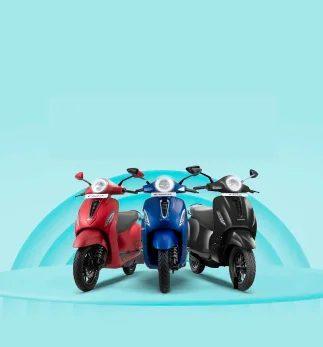
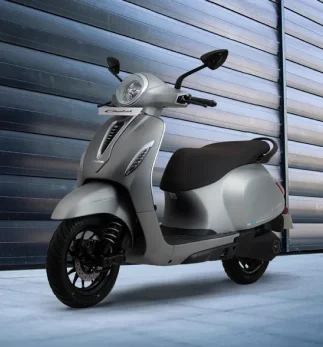
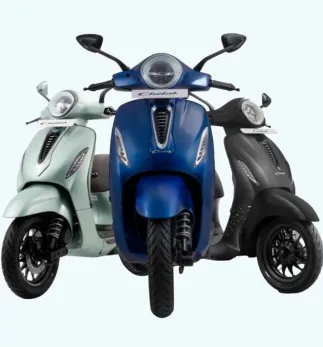
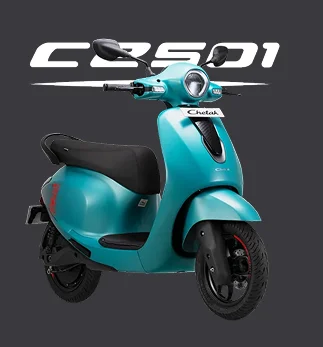
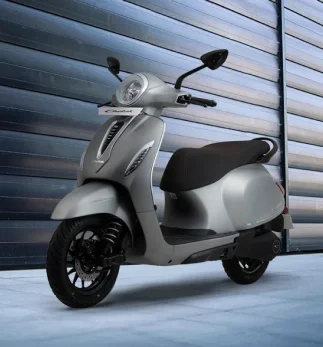
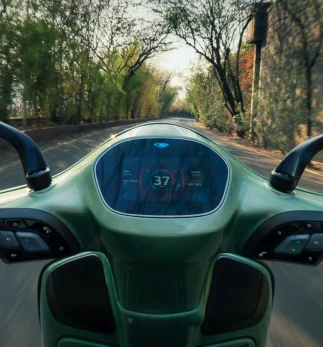
Bajaj Chetak C3501
Smarter Riding Habits Lead to Consistent Range Improvement
Long-term efficiency is shaped by how the scooter is used rather than relying only on its technical specifications. Riders who apply structured habits such as steady speed control, route awareness, and load management often experience more reliable daily performance.
For many commuters, understanding how to increase electric scooter range is less about finding a single solution and more about recognising the cumulative impact of everyday choices. At Bajaj Chetak, the focus continues to be on supporting efficient urban mobility, while rider behaviour remains a key factor in real-world outcomes. By combining awareness with consistent habits, users can make more informed commuting decisions.
The next step is simple: evaluate your daily riding patterns and identify where small adjustments can improve efficiency without compromising comfort or convenience.
Recent Articles
How to Increase Electric Scooter Range With Smarter Riding Habits
Know More
Which Bajaj Chetak Models Offer the Best Combination of High Speed and Rider-Focused Features?
Know More
5 Features that Make an Electric Scooter for Hilly Areas More Practical
Know More
5 Electric Scooter Maintenance Habits that can Support Long-term Performance
Know More
How to Choose a High-Performance Electric Scooter for Daily Use
Know More










.webp)








































.webp)