
 Back
Back
Last Updated: Mar 18 2026, 12:00 PM IST
Mag Wheels vs Alloy Wheels: Understanding the Key Differences




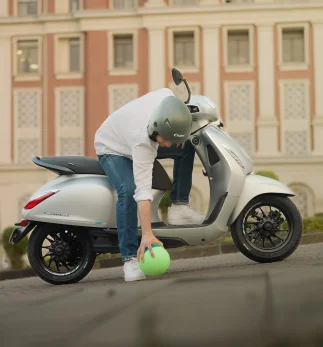
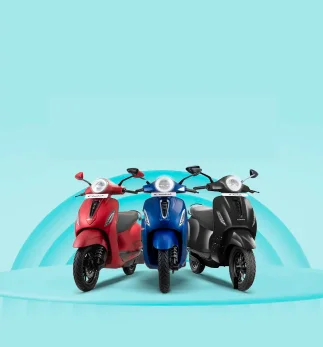
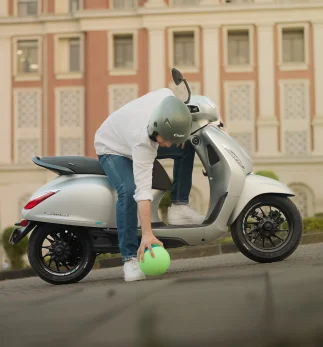
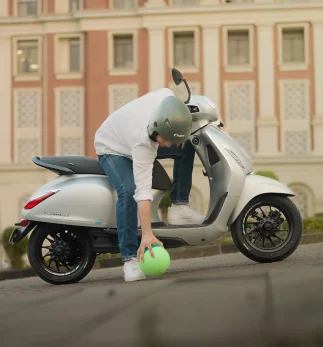
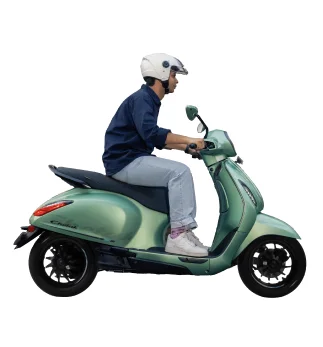
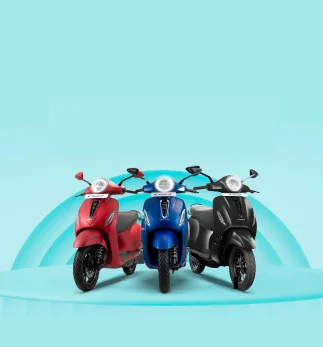
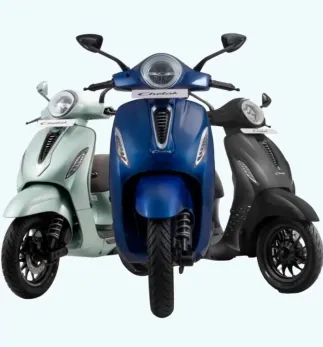
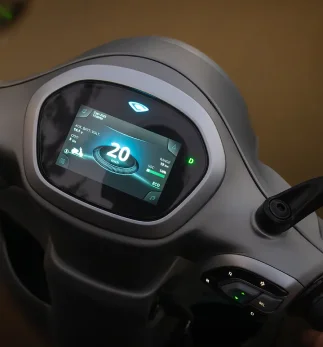
The wheels on your electric scooter affect performance, ride comfort, efficiency, and style. For modern urban commuters, choosing the right wheel impacts how your vehicle handles everyday roads. The Bajaj Chetak EV is designed with a strong focus on efficiency, smart engineering, and advanced technology. Its wheel configuration enhances stability, handling, and overall ride comfort, while also complementing the electric scooter's premium design. Built for everyday urban commuting, it delivers smooth performance even in dense city traffic. When it comes to mag wheels vs. alloy wheels, understanding the key differences can help you make an informed decision for your scooter. In this blog, we will explore what sets these wheel types apart and explain why alloy wheels are the ideal choice for the Bajaj Chetak EV.
What are Alloy Wheels?
Alloy wheels are made from a combination of aluminium and other metals to produce a wheel that is strong yet lightweight. They are widely used in scooters and electric vehicles because their reduced weight improves handling and ride efficiency.
Key features of alloy wheels include:
1. Durability
Resistant to corrosion, making them reliable for urban and everyday use.
2. Design Options
Aluminium enables manufacturers to create stylish, intricate wheel patterns, enhancing the premium look of scooters.
3. Performance
Lighter than steel wheels, alloy wheels contribute to smoother rides and, in electric vehicles, improved battery efficiency.
4. Maintenance
Easy to clean and maintain, alloy wheels require minimal care while retaining their appearance and performance.
What are Mag Wheels?
Mag wheels, short for magnesium wheels, are made primarily from magnesium alloys. They are known for being extremely lightweight, which can improve handling, acceleration, and responsiveness.
Key features of mag wheels include:
1. Performance-focused
Lighter weight allows faster handling and better manoeuvrability, ideal for sporty rides.
2. Visual Appeal
Provide a premium, performance-oriented appearance.
3. Higher Cost
Magnesium is more expensive than aluminium, making mag wheels a premium choice.
4. Maintenance Requirements
Mag wheels are more prone to corrosion and require careful upkeep to maintain their finish.
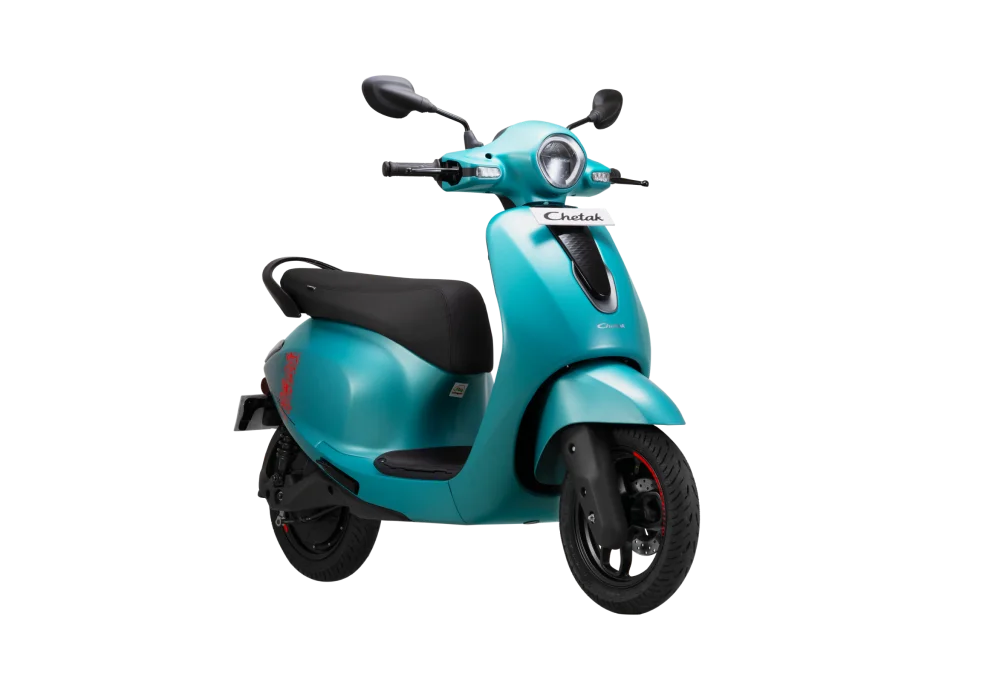
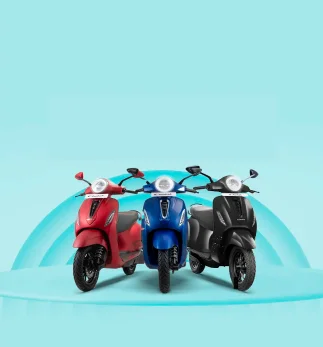
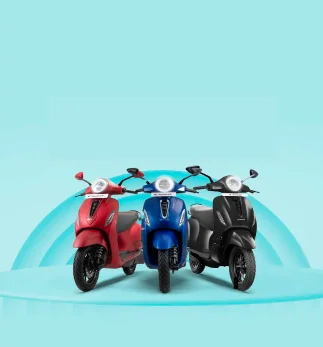
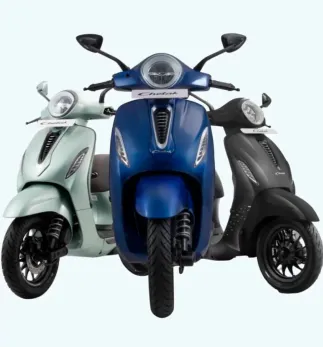
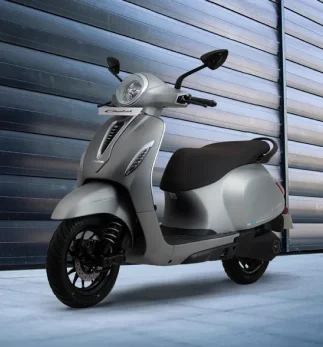
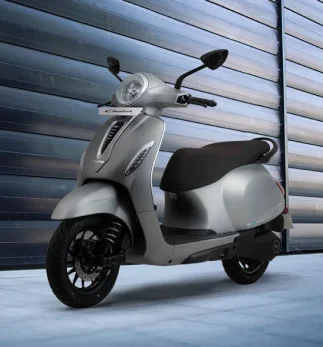
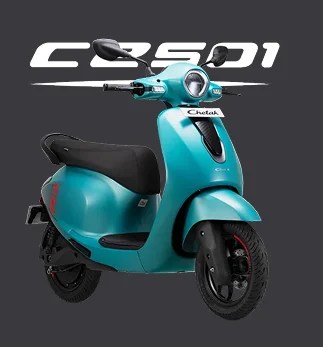
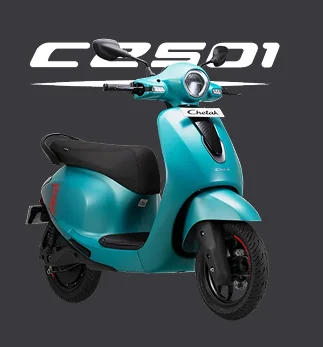
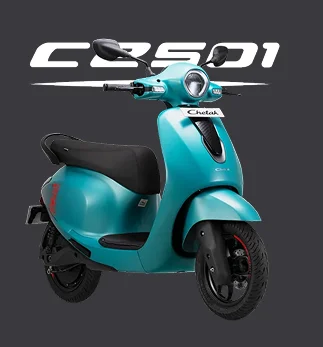
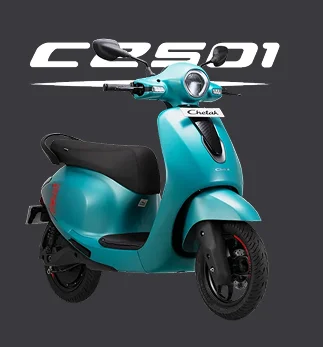
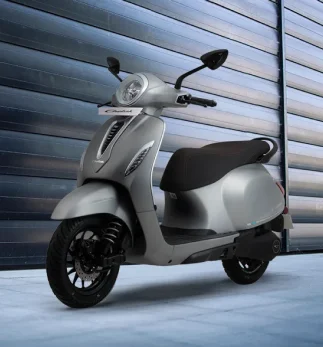
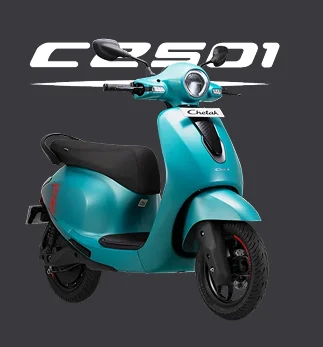
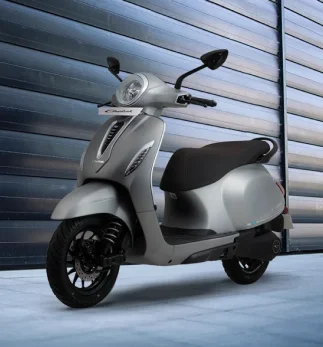
Bajaj Chetak C2501
Key Differences Between Mag Wheels and Alloy Wheels
Understanding the differences between mag wheels and alloy wheels can help you choose the right fit for your scooter and riding style.
1. Weight and Handling
The weight of a wheel directly influences how your scooter accelerates, brakes, and handles corners.
- Mag Wheels: Magnesium's lightweight nature reduces unsprung weight, allowing faster acceleration, sharper cornering, and more responsive handling. Lighter wheels also reduce strain on suspension, improving ride comfort and long-term durability.
- Alloy Wheels: Aluminium alloys provide strong, reliable support with a well-balanced feel, ensuring a stable and smooth ride perfect for comfortable city commuting.
2. Durability and Strength
A wheel's ability to withstand impacts and wear affects both safety and longevity.
- Mag Wheels: Strong but prone to cracking under heavy impacts or potholes, making them better suited for smoother roads.
- Alloy Wheels: Highly resistant to corrosion, bending, and cracking, ideal for urban scooters. Alloy wheels resist environmental factors such as moisture and minor abrasions, thereby extending wheel life.
3. Cost Considerations
Price is a major factor when choosing between mag and alloy wheels.
- Mag Wheels: Magnesium and complex manufacturing make these wheels more expensive
- Alloy Wheels: More affordable, offering a combination of performance, durability, and aesthetics suitable for everyday scooters. Replacement and repair costs are also lower for alloy wheels due to their wider availability.
4. Maintenance Requirements
The effort required to keep wheels in optimal condition varies by material.
- Mag Wheels: Magnesium is prone to corrosion and requires regular cleaning and protective coatings.
- Alloy Wheels: Minimal maintenance; simple cleaning keeps the wheels in top condition. Alloy wheels maintain stability longer under daily urban use, reducing the risk of damage over time.
5. Aesthetic Options
Wheels significantly contribute to your scooter's visual appeal.
- Mag Wheels: Sporty and premium designs appeal to performance-focused riders.
- Alloy Wheels: Offer versatile styles that can be sleek, modern, or classic, which enhances the electric scooters. Alloy wheels can feature metallic or polished finishes, allowing both functional and visual customisation.
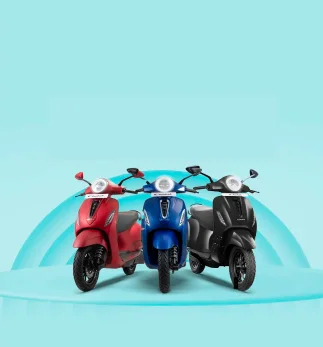
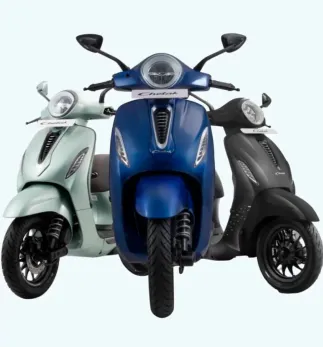
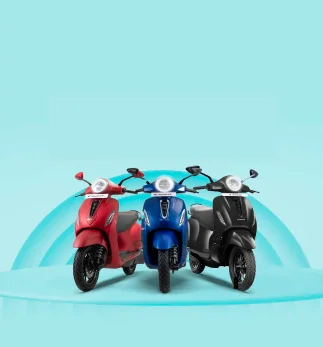
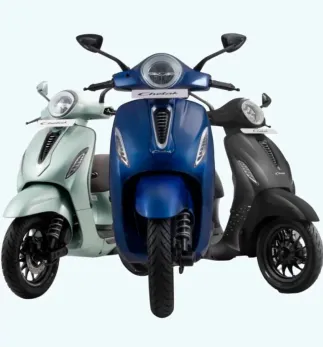
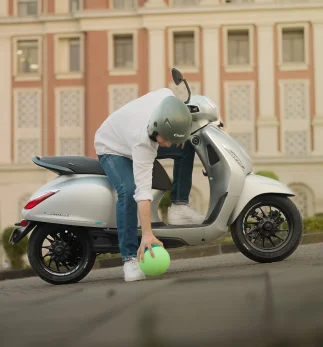
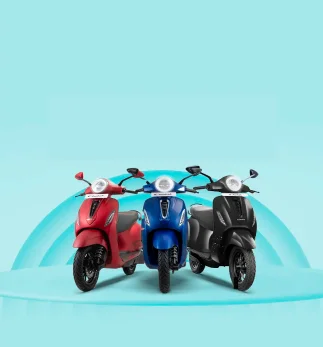
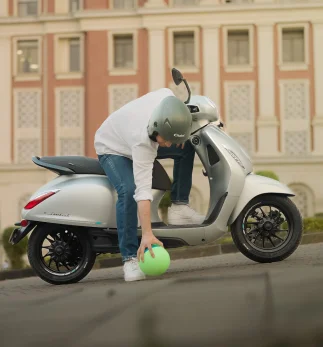
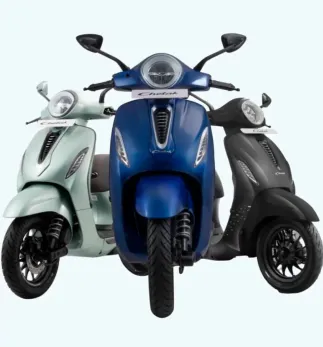
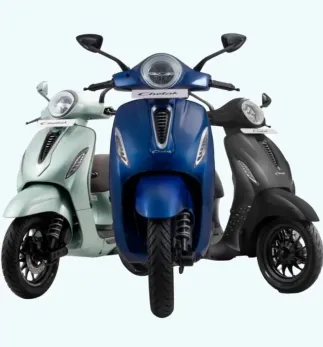
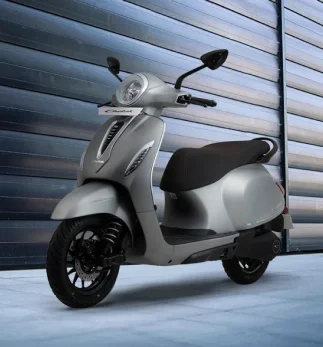
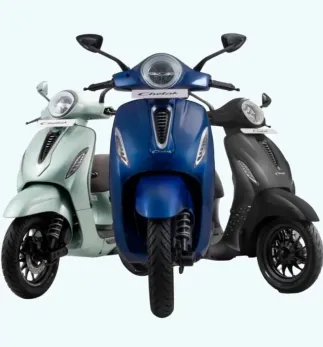
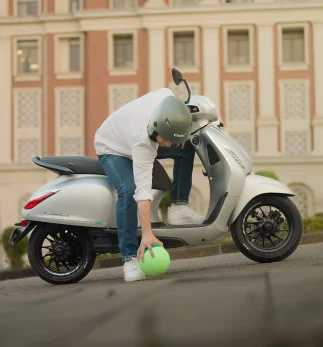
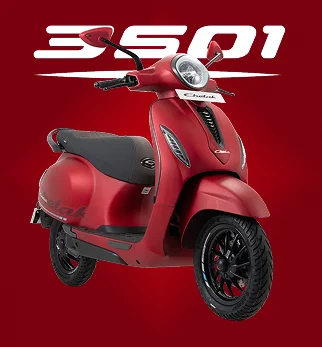
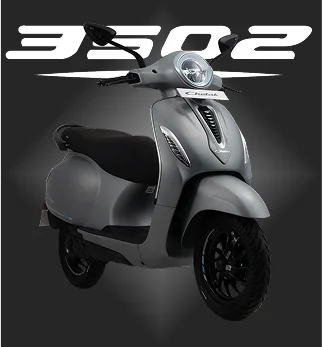
Overall, while both mag and alloy wheels have their merits, alloy wheels strike the ideal balance of durability, style, and efficiency for everyday riding. This is why Bajaj Chetak models, including the C2501, 3501, 3502, and 3503, come equipped with premium alloy wheels, ensuring a reliable and stylish commute.
Maximise Performance and Style on Your Bajaj Chetak EV
Choosing the right wheels affects your scooter’s efficiency, comfort, and overall experience. While mag wheels offer performance advantages for sporty riding, alloy wheels provide a balance of durability, style, and practicality, especially for daily commuting.
For Bajaj Chetak EV riders, alloy wheels are the most practical option as they enhance ride comfort and energy efficiency. When deciding between mag wheels and alloy wheels, consider your riding style, maintenance preferences, and daily use. Choosing alloy wheels ensures a smooth, reliable, and stylish ride, making the Bajaj Chetak EV an ideal choice for city commuting.
Recent Articles
How to Increase Electric Scooter Range With Smarter Riding Habits
Know More
Which Bajaj Chetak Models Offer the Best Combination of High Speed and Rider-Focused Features?
Know More
5 Features that Make an Electric Scooter for Hilly Areas More Practical
Know More
5 Electric Scooter Maintenance Habits that can Support Long-term Performance
Know More
How to Choose a High-Performance Electric Scooter for Daily Use
Know More






.webp)






















.webp)