
 Back
Back
Last Updated: May 22 2026, 11:00 AM IST
EV Charging Price per kWh in India: Key Factors Explained




Charging an electric scooter at home is convenient and easy, but understanding the electricity consumed with each charge can help riders manage their usage more efficiently. Many users focus only on charging time without fully understanding which factors influence total electricity consumption over time.
The EV charging price per kWh is one of the key factors affecting overall charging costs, especially for riders who charge their scooters regularly throughout the month.
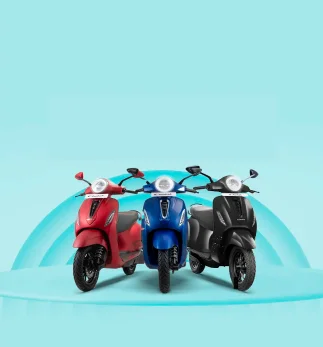
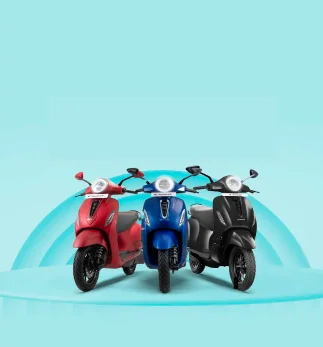
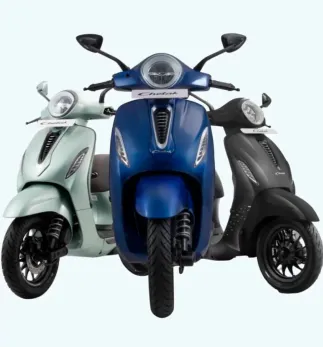
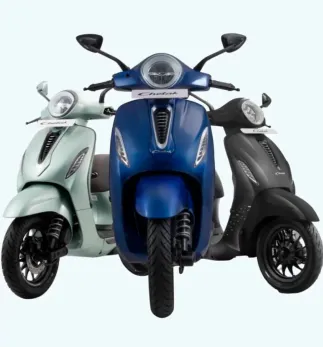
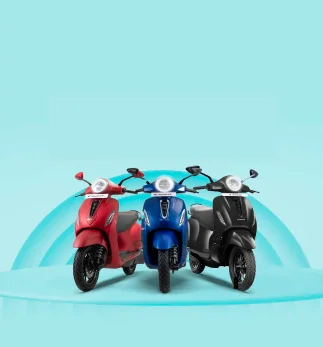
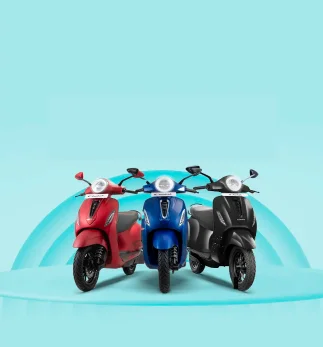
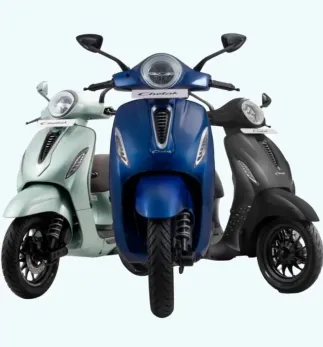
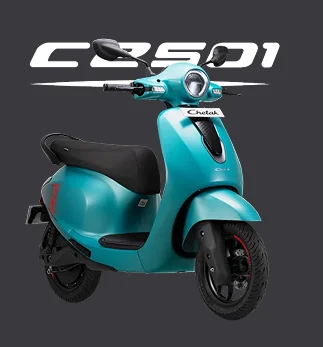
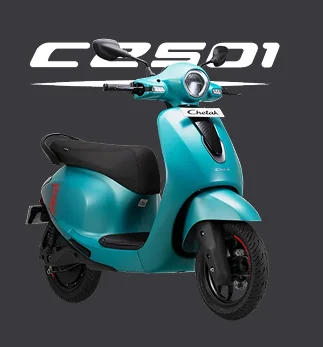
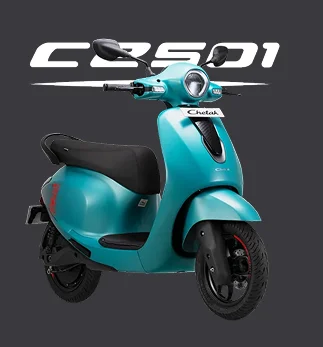
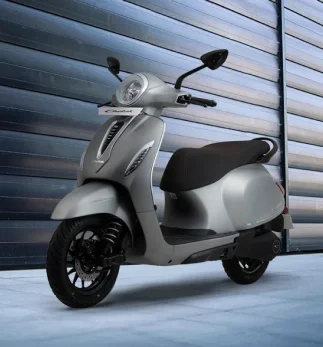
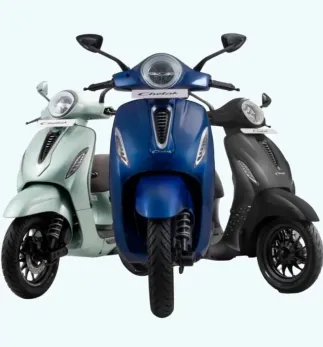
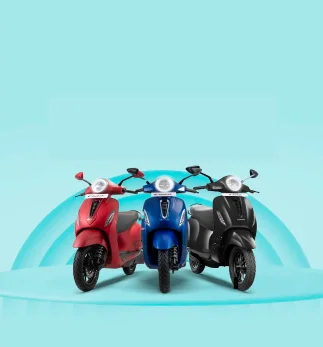
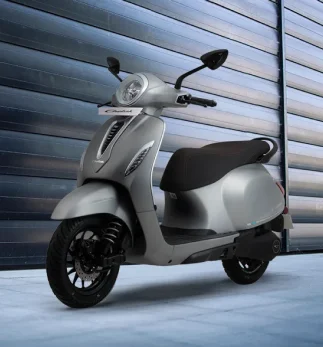
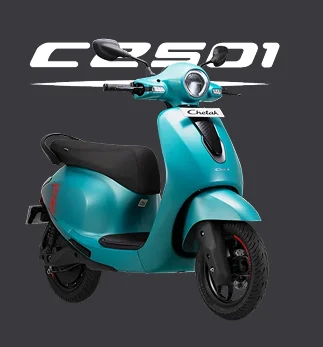
If you own a Bajaj Chetak scooter like the Chetak C3001 or C2501, knowing how charging units are calculated helps you estimate your monthly electricity usage more accurately. Let’s understand how much power your electric scooter actually draws during every full charge cycle.
Key Factors that Influence Electric Scooter Power Consumption
Electric scooter charging is influenced by multiple technical and practical factors. These determine how much electricity is drawn from the grid each time you charge your vehicle.
1. Battery Capacity and Energy Storage
Battery capacity, measured in kilowatt-hours (kWh), is the primary factor affecting electricity usage. A larger battery stores more energy, which naturally increases total consumption per full charge. This directly impacts the overall EV charging price per kWh calculation in real-world usage.
2. Charger Efficiency and Energy Loss
Charging is never perfectly efficient. A portion of electricity is lost during conversion and transfer, mainly as heat. This means the power drawn from your home supply is always slightly higher than the battery’s rated capacity.
3. Charging Behaviour and Usage Patterns
Charging habits such as frequency and timing influence overall consumption trends. Regular charging creates stable and predictable electricity usage, while irregular patterns may lead to slight variations in energy draw.
4. External Temperature and Voltage Stability
Environmental conditions such as heat and voltage fluctuations can affect charging efficiency. In some cases, additional electricity may be required to complete a full charge cycle, slightly affecting EV charging price per kWh outcomes.
5. Battery Age and Long-term Performance
As batteries age, efficiency gradually reduces. This means older batteries may require slightly more electricity to deliver the same range compared to newer ones.
How to Calculate Electric Scooter Electricity Consumption
The electricity consumption of an electric scooter can be calculated using a simple formula:
Electricity units consumed = Battery capacity (kWh) ÷ Charger efficiency
In most practical cases, charger efficiency is assumed to be around 90% (0.9).
For example, a scooter with a 3.0 kWh battery:
Electricity units used = 3.0 ÷ 0.9 = 3.33 units (approx.)
This means the scooter consumes approximately 3.33 units of electricity per full charge, which directly affects the EV charging price per kWh when converted into cost.
Understanding this calculation helps riders estimate monthly expenses more accurately and plan charging cycles efficiently.
Bajaj Chetak Electric Scooter Consumption Breakdown
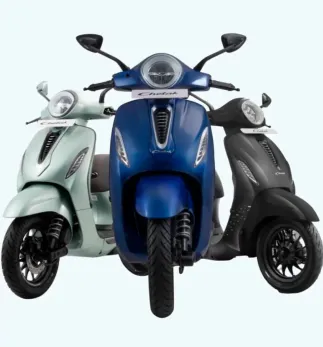
The Bajaj Chetak lineup offers different battery configurations, which clearly show how energy consumption changes across variants. Each model follows a predictable pattern based on its battery capacity.
1. Chetak C3001: Entry-level Efficient Usage
The Chetak C3001 comes with a 3.0 kWh battery, making it suitable for daily city commuting with controlled energy usage.
Electricity units used = 3.0 ÷ 0.9 = 3.33 units (approx.)
It consumes around 3.33 units per full charge, helping keep the EV charging price per kWh impact easy to manage for regular users.
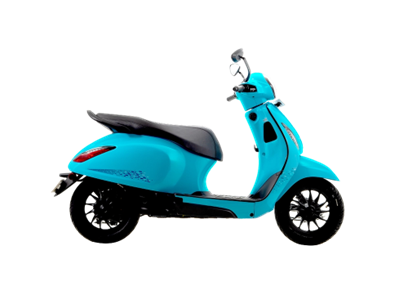
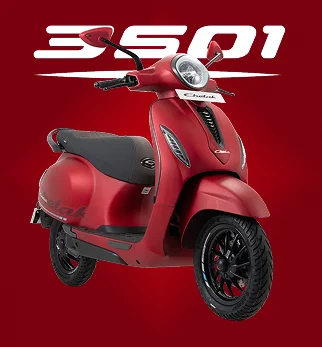
2. Chetak C3501: Higher Capacity for Longer Rides
The Chetak C3501 features a 3.5 kWh battery designed for users who require an extended riding range.
Electricity units used = 3.5 ÷ 0.9 = 3.89 units (approx.)
It uses approximately 3.89 units per charge, increasing the overall impact of EV charging price per kWh on running costs.
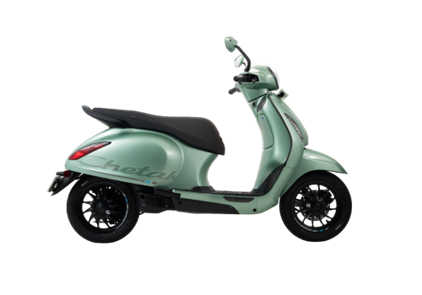
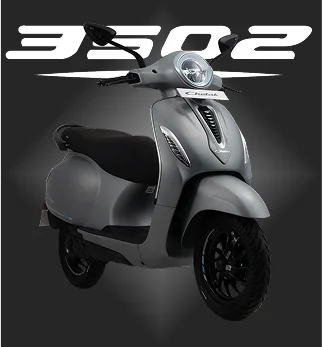
3. Chetak C3502: Stable and Predictable Consumption
The Chetak C3502 also comes with a 3.5 kWh battery, maintaining similar energy usage patterns across cycles.
Electricity units used = 3.5 ÷ 0.9 = 3.89 units (approx.)
Its electricity consumption remains steady at around 3.89 units per charge, keeping EV charging price per kWh calculations consistent.
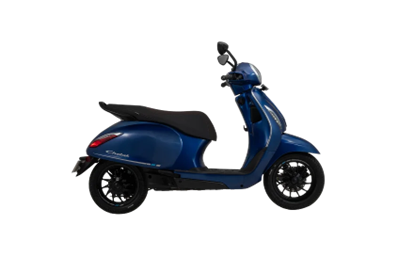
4. Chetak C3503: Consistent High-capacity Performance
The Chetak C3503 also uses a 3.5 kWh battery setup, ensuring uniform charging behaviour.
Electricity units used = 3.5 ÷ 0.9 = 3.89 units (approx.)
It consumes around 3.89 units per full charge, making it easy to estimate the impact of EV charging costs per kWh over time.
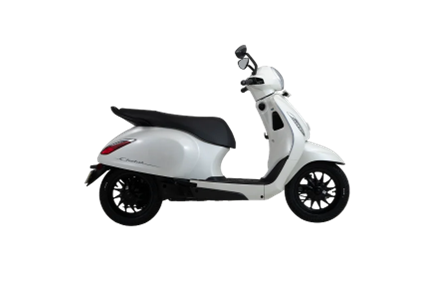
Turn EV Charging Data into Smarter Savings Decisions
Understanding the EV charging price per kWh is not just about electricity rates; it's also about how your scooter actually consumes energy in real-world conditions. Battery size, charging efficiency, and usage habits together define your real cost per charge, making it essential to look beyond surface-level pricing.
The Bajaj Chetak clearly demonstrate how different battery capacities influence electricity consumption and long-term running costs. Once these patterns are understood, estimating monthly expenses becomes far more accurate and practical.
Stop estimating and start calculating your EV charging cost for better savings every month.
Recent Articles
How to Increase Electric Scooter Range With Smarter Riding Habits
Know More
Which Bajaj Chetak Models Offer the Best Combination of High Speed and Rider-Focused Features?
Know More
5 Features that Make an Electric Scooter for Hilly Areas More Practical
Know More
5 Electric Scooter Maintenance Habits that can Support Long-term Performance
Know More
How to Choose a High-Performance Electric Scooter for Daily Use
Know More










.webp)











































.webp)