
 Back
Back
Last Updated: Feb 07 2026, 10:00 AM IST
Everything You Need to Know About Non-RTO Electric Scooters




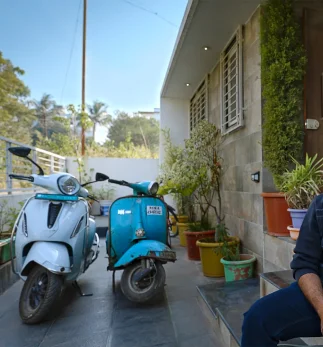
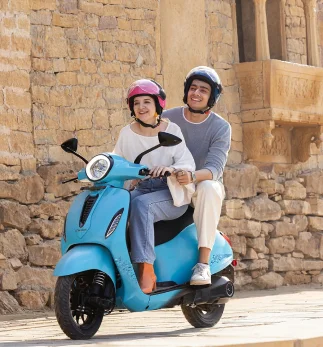
Why invest in a heavy high-speed machine when your daily routine only involves quick trips to the local market or nearby office? Non-RTO electric scooters are gaining significant attention because they offer simple and low-speed mobility for short trips without any heavy legal paperwork. In many Indian cities, riders use a non-RTO electric scooter for campus rides, neighbourhood errands, and quick last-mile connections every day. These compact vehicles are designed to simplify your urban life by eliminating the common hurdles of vehicle registration and formal licensing requirements. Let's learn how non-RTO electric scooters work and what responsible ownership looks like for today's urban commuters.
What Does "Non-RTO" Actually Mean for You?
A non-RTO electric scooter usually qualifies under two limits that keep it in the low-speed, non-registered category. Most commonly, the scooter must stay within a capped top speed and a capped motor output rating.
If the scooter exceeds either limit, it moves into the registered category with full compliance requirements. This is why buyers should never rely solely on casual seller claims or sticker labels.
- Speed Cap: Designed to stay at or below 25 km/h under normal riding conditions.
- Motor Rating: The motor output is rated at or below 250W in the official specification sheet.
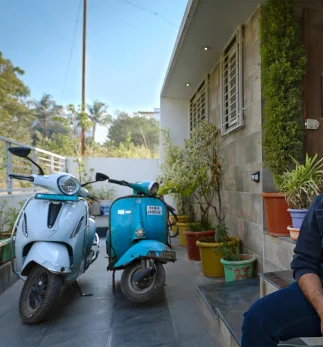
- Use Fit: More suited for short, predictable routes like campuses, colonies, and nearby errands.
How This Category Compares with Registered Electric Scooters
A non-RTO electric scooter is built for low-speed local travel, while registered scooters are suited for broader city use. Registered options often include stronger performance, clearer legal status, and wider safety or tech feature sets.
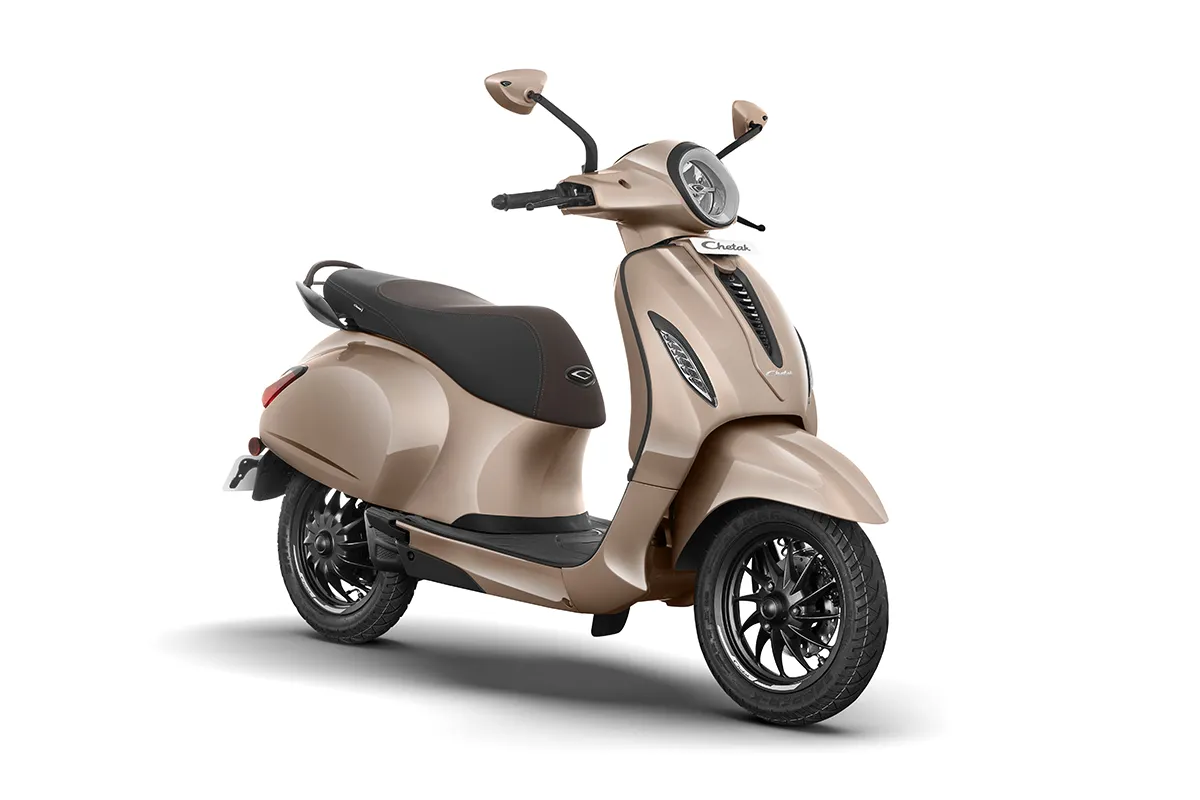
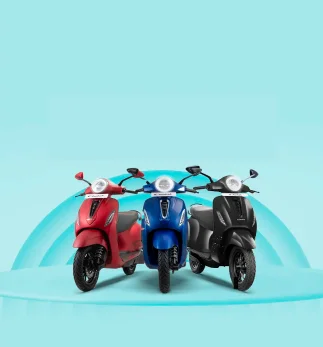
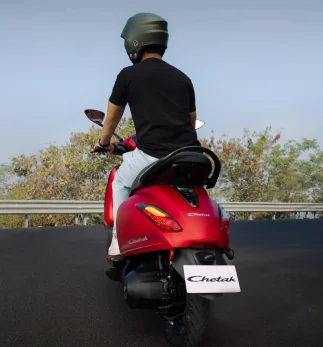
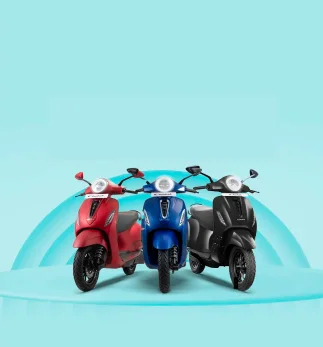
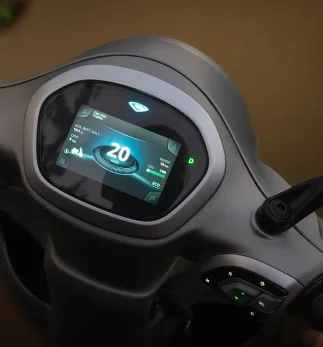
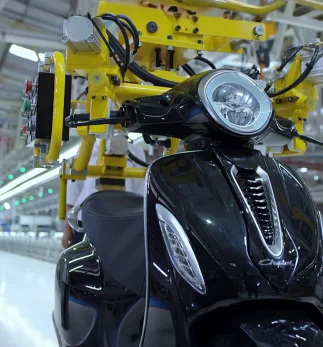
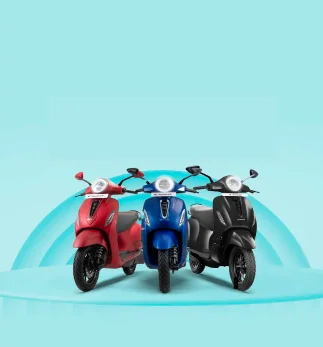
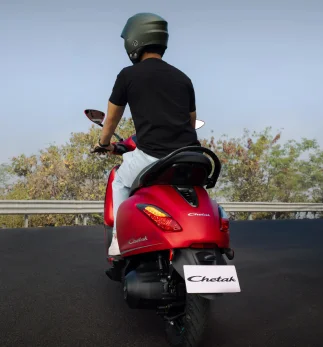
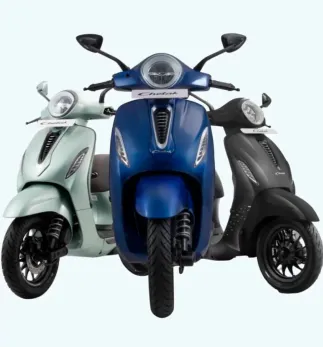
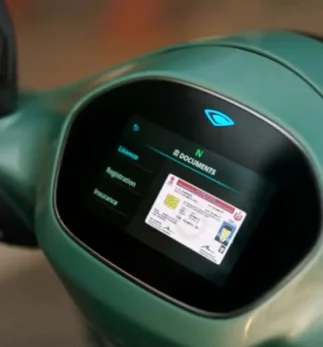
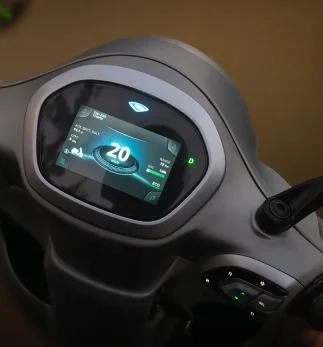
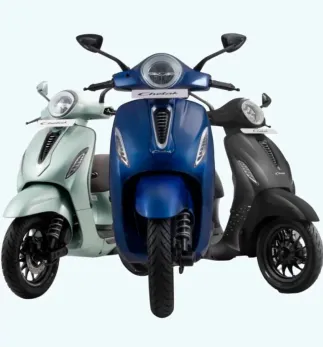
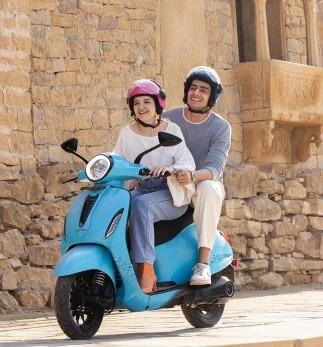
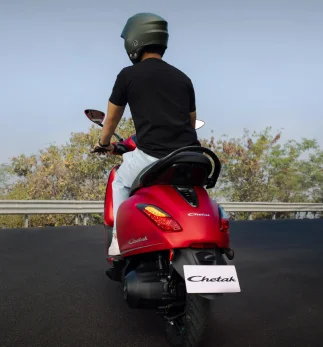
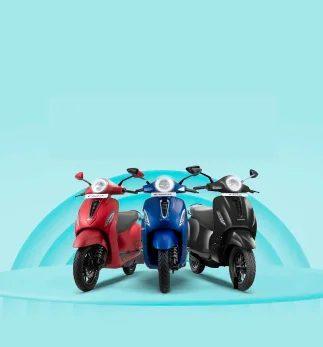
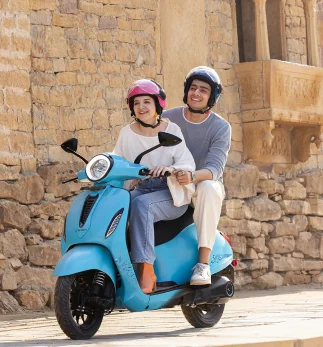
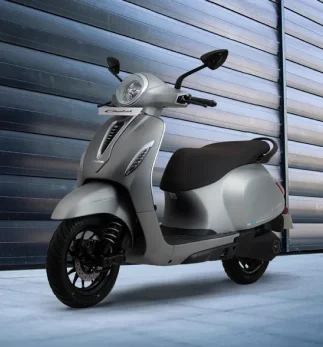
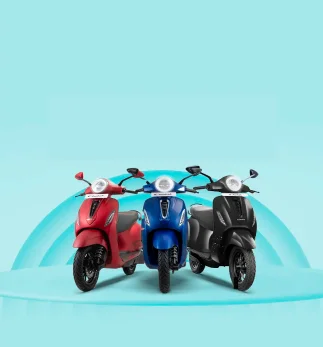
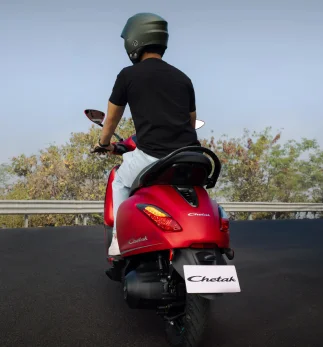
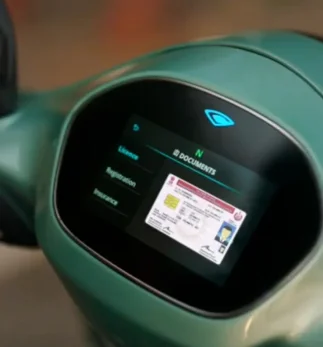
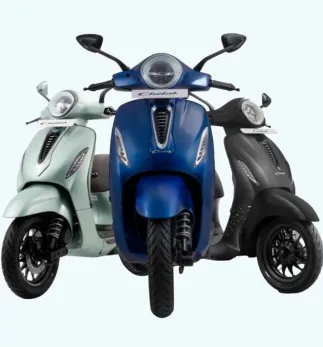
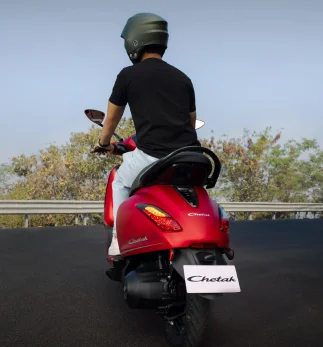
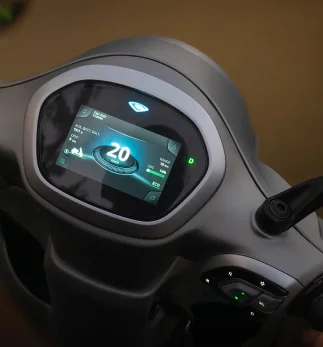
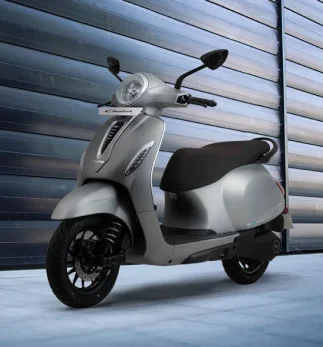
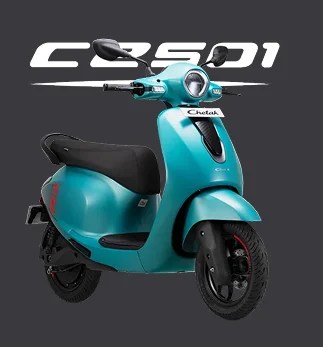
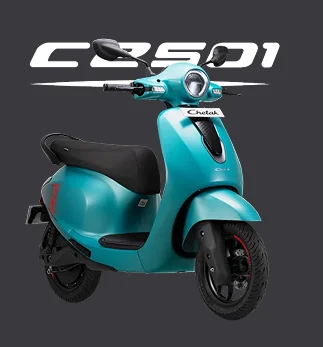
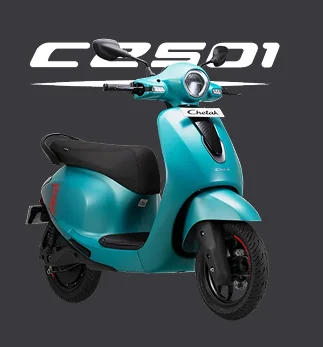
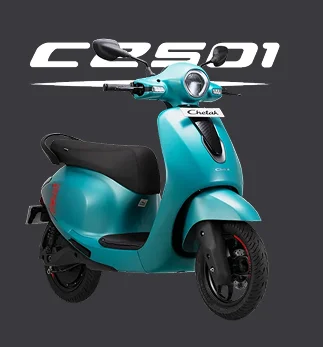
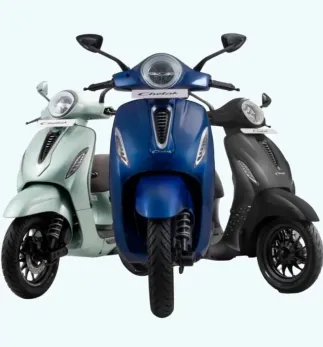
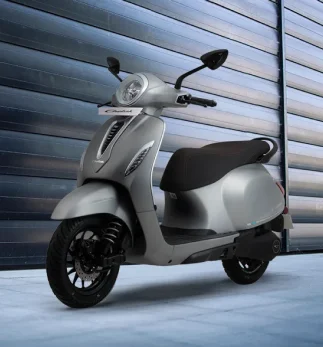
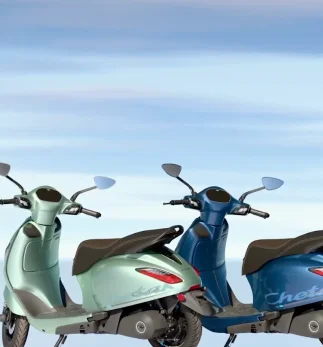
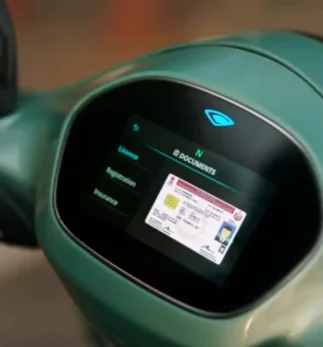
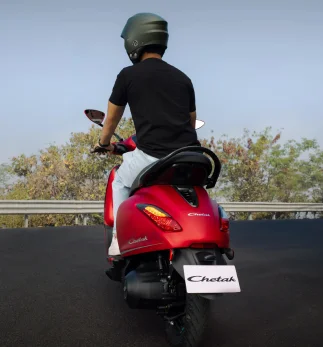
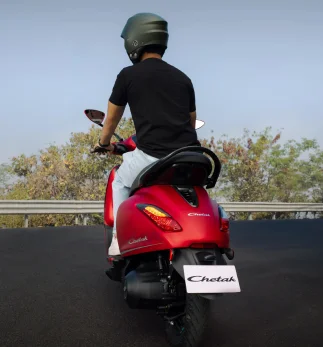
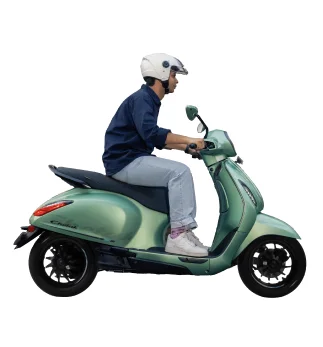
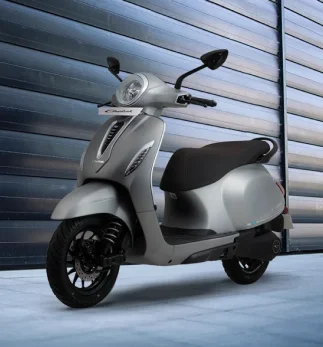
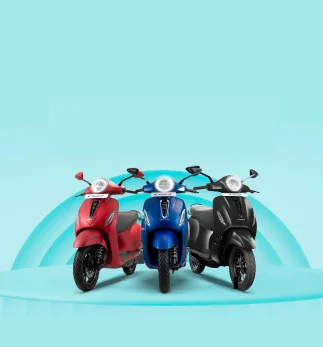
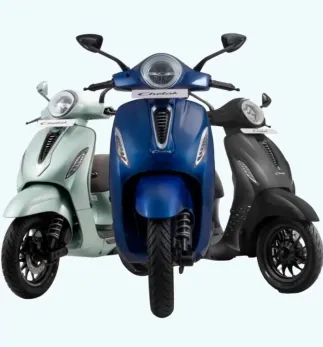
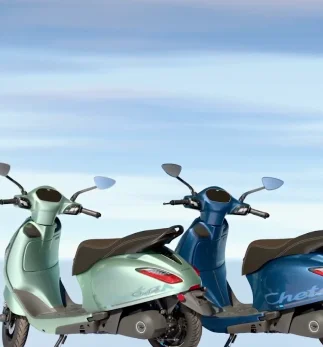
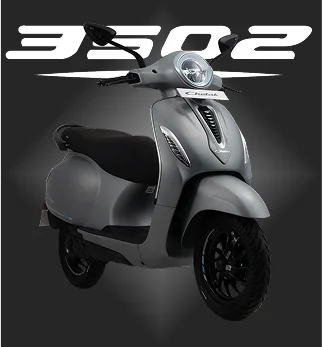
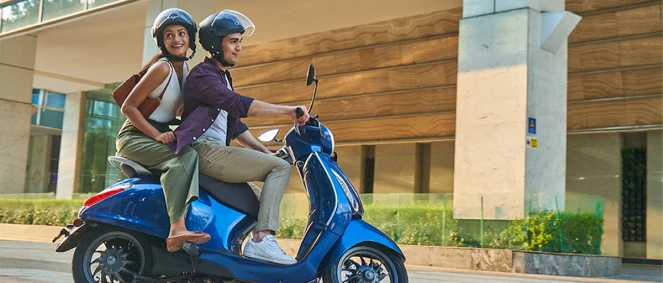
For context, Chetak EV falls under the registered category, with different compliance expectations. This makes it useful to compare the documentation and ownership requirements of a Chetak electric scooter before you decide.
| Feature | Non-RTO Electric Scooter | Registered Electric Scooter |
|---|---|---|
| Top Speed | Capped at 25 km/h | High-speed (60–73 km/h) |
| Driving Licence | Not Required | Mandatory (Age 18+) |
| Registration (RC) | Not Required | Mandatory (Green Number Plate) |
| Insurance | Optional | Mandatory Third-party |
| Government Subsidy | Not Eligible | Eligible for PM E-DRIVE |
| Best Use Case | Local errands and gated areas | Daily cross-city commuting |
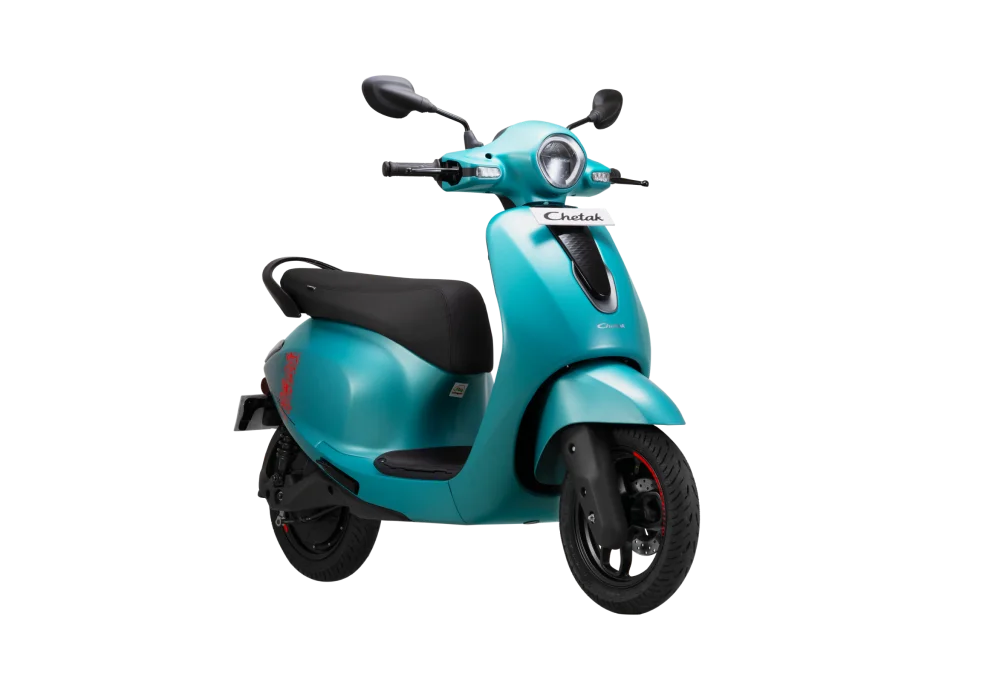
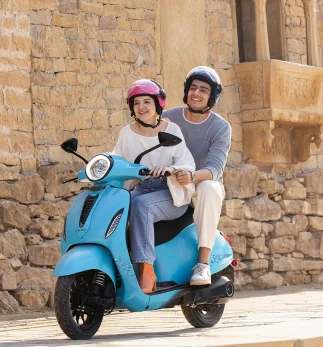
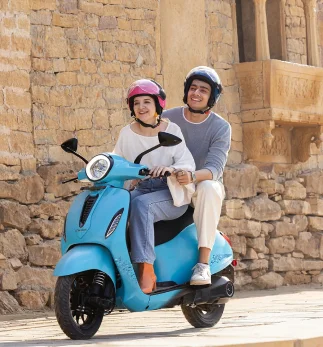
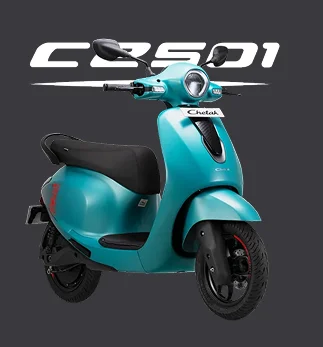
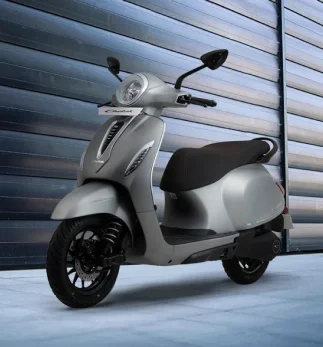
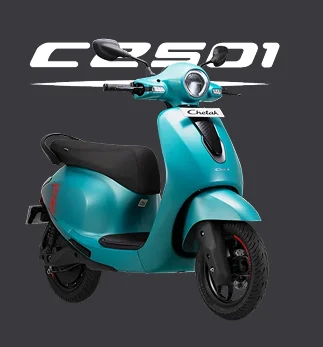
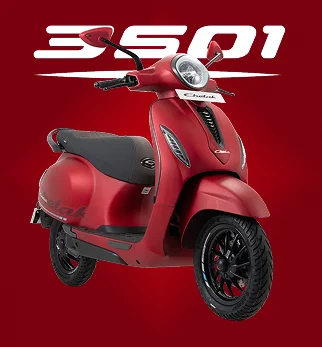
Bajaj Chetak C2501
Limits and Risk Planning for Non-RTO Electric Scooter Ownership
A non-RTO electric scooter is built for local, low-speed travel, so plan around these practical limits and everyday risks.
1. Speed Ceiling
At 25 km/h, it can feel slow alongside faster city traffic, flyovers, and wider corridors.
2. Short-range Intent
Best for nearby errands and short commutes, not for longer cross-city riding.
3. Basic Feature Set
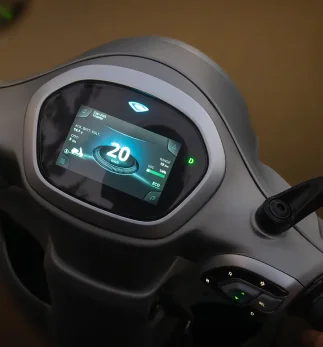
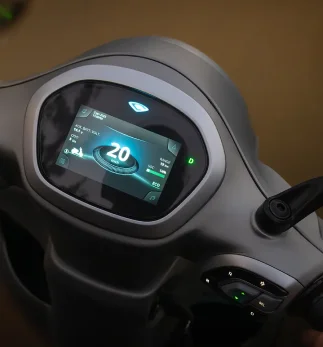
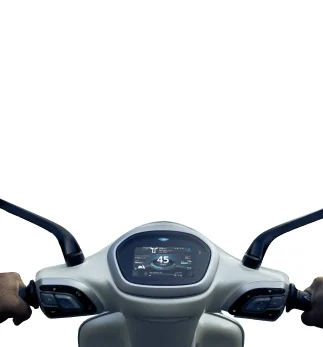
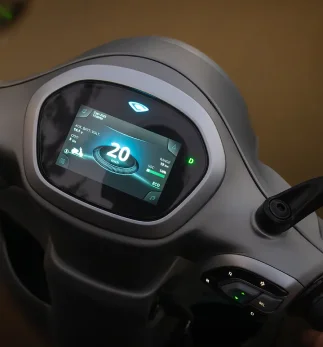
Many non-RTO electric scooter models focus on essentials, so premium displays and connected tools may be limited.
4. Service Variation
Ownership ease depends on the reach of nearby services and the predictability of spare parts availability.
5. Resale Uncertainty
Resale value can vary due to limited documentation and uneven local demand.
6. Insurance Reality
It may not be mandatory, yet optional cover can reduce financial stress after damage or third-party incidents.
Buyer and Legal Checklist Before You Pay for a Non-RTO Electric Scooter
Use this single checklist to avoid confusion, verify compliance, and choose a model that fits real local riding needs.
1. Confirm The Written Spec
Verify motor output and top speed cap in the official specification sheet.
2. Get Spec Proof on Paper
Ask for the motor rating and speed cap on the invoice or model brochure.
3. Request Seller Confirmation
Get a written note that the scooter is sold as non-registered for your use case.
4. Check Local Road Acceptance
Understand how your city treats low-speed scooters on main roads and shared lanes.
5. Test Brakes and Tyres
Ensure braking feels stable, and tyres look suited to uneven neighbourhood surfaces.
6. Inspect Charging Safety
Review cable build, socket fit, and heat behaviour during a short supervised charge.
7. Confirm Service Support
Check service centre access, spare parts availability, and realistic turnaround timelines.
8. Avoid Mixed Claims
Skip models that hint at higher speeds while still being positioned as non-registered.
9. Plan for Upgrade Risks
Confirm that unlocks or modifications can trigger registration and compliance needs.
10. Save Documents
Keep soft copies of the invoice, specs, and purchase details for future verification.
Choose Confidently With a Safety-first Mindset
A non-RTO electric scooter suits riders who keep journeys local and prefer slower, predictable travel around familiar roads. Value comes from verified specifications, safe charging routines, dependable brakes, and service support that stays accessible near home.
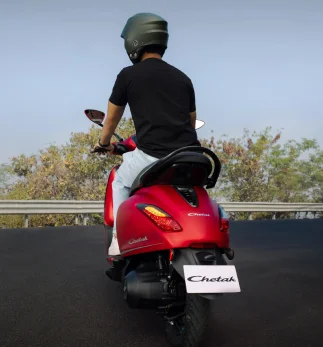
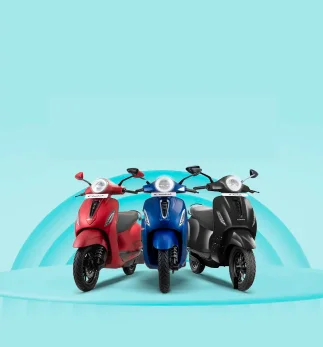
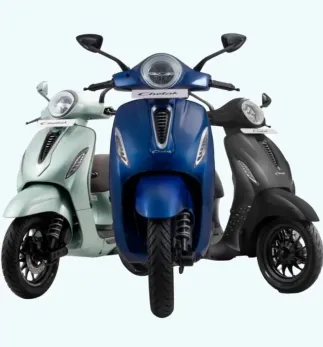
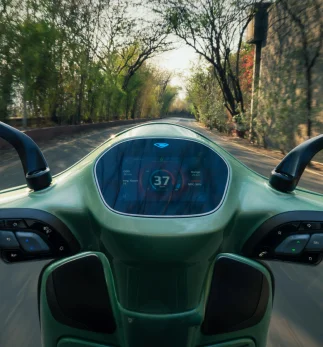
If your routes include faster corridors or longer commutes, a registered scooter may fit better and feel safer overall. In that comparison, the Bajaj Chetak offers clearer documentation, stronger road presence, and a more feature-rich ownership experience.
Whichever option you choose, buy only after checking specs in writing, understanding local rules, and planning responsible riding habits. That simple checklist keeps stress over ownership to a minimum.
Sources:
https://www.tataaig.com/knowledge-center/two-wheeler-insurance/rto-rules-rules-for-electric-two-wheelers-in-indiaRecent Articles
How to Increase Electric Scooter Range With Smarter Riding Habits
Know More
Which Bajaj Chetak Models Offer the Best Combination of High Speed and Rider-Focused Features?
Know More
5 Features that Make an Electric Scooter for Hilly Areas More Practical
Know More
5 Electric Scooter Maintenance Habits that can Support Long-term Performance
Know More
How to Choose a High-Performance Electric Scooter for Daily Use
Know More



.webp)












.webp)