
 Back
Back
Last Updated: Feb 21 2026, 15:00 PM IST
How to Charge Your Electric Scooter at Home: A Simple Step-by-Step Guide




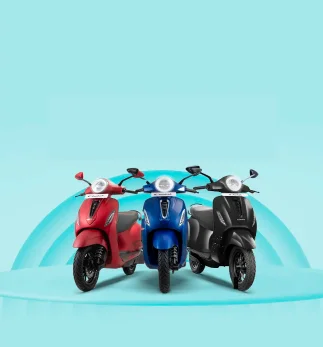
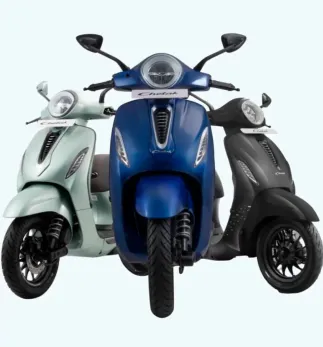
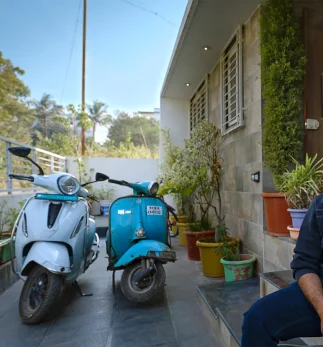
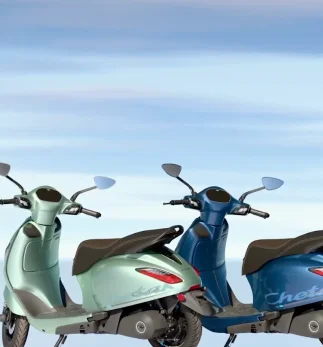
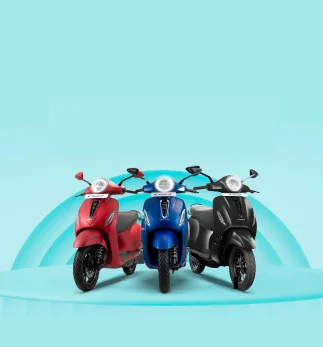
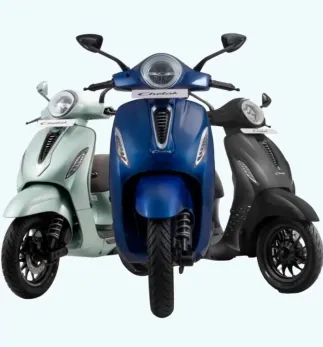
Transitioning to electric mobility is a rewarding move for any urban commuter, and the true ease of ownership begins with a solid home setup. Understanding how to charge an electric scooter effectively ensures your vehicle remains road-ready while protecting the longevity of your battery. Bajaj Chetak models, including the Chetak 3501, Chetak 3502, Chetak 3503, and Chetak C2501, can be charged at home using a 5A socket. This compatibility makes home charging practical and convenient for many households. Achieving a seamless routine requires more than just plugging in. It involves choosing the right environment, verifying safety standards like proper earthing, and adopting consistent habits. Let's learn the steps that keep charging safe, predictable, and hassle-free.
What You Need Before You Charge at Home
Before you begin charging your electric scooter at home, ensure your setup is safe and consistent. Small checks upfront reduce day-to-day issues later.
Use this quick list:
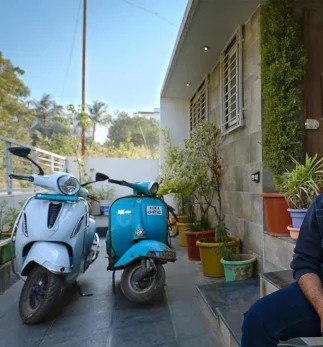
- A dedicated 5A wall socket in a dry, stable location
- Proper earthing for the socket, especially in older buildings
- A clean, uncluttered charging spot where the cable will not be pulled or bent
- The official charger provided, avoiding third-party substitutes
- A plug point that feels firm and does not heat up during use
- Adequate ventilation around the charger to prevent unnecessary heat build-up
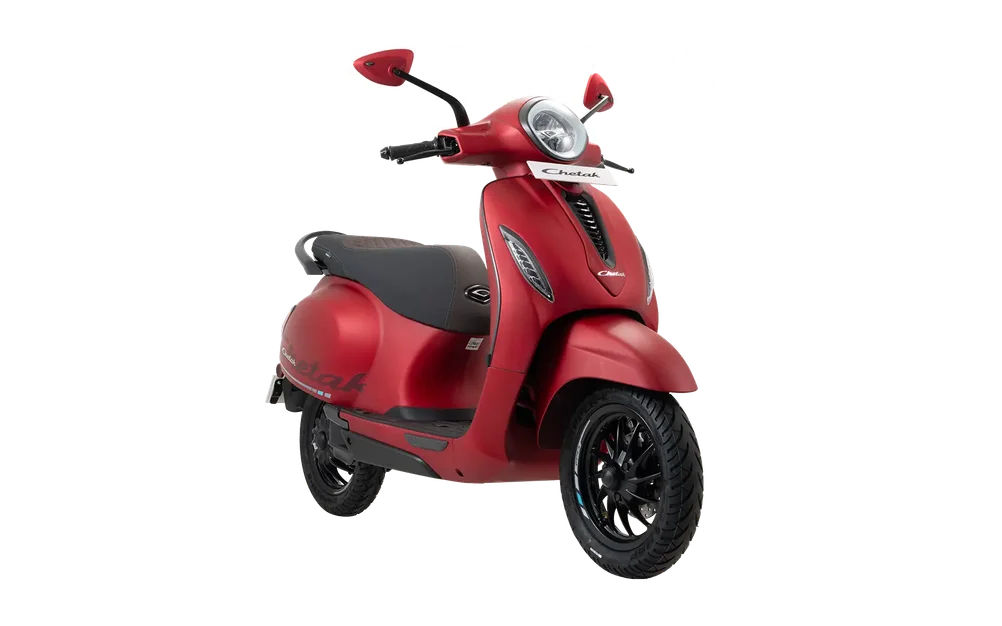
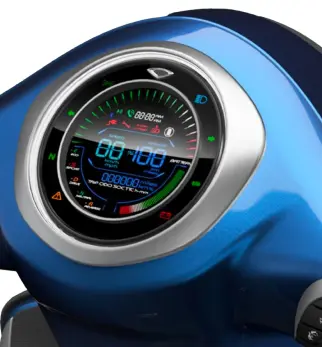
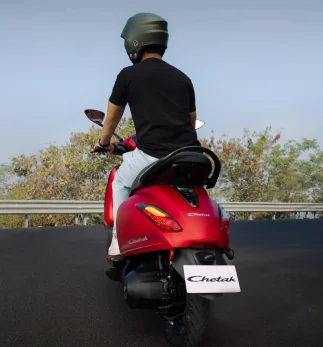
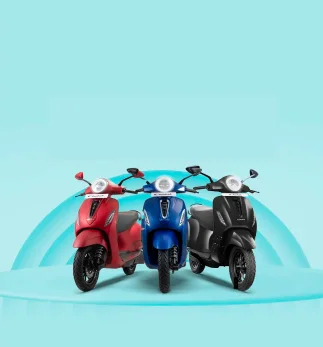
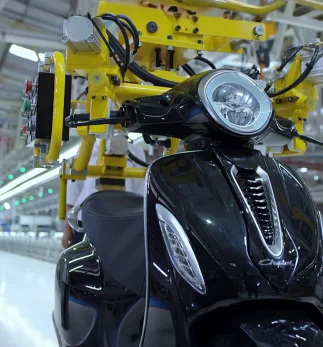
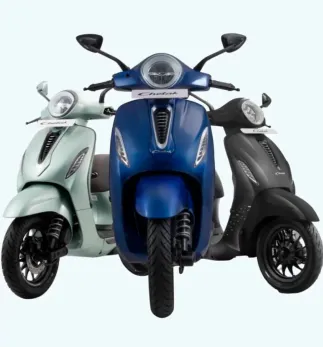
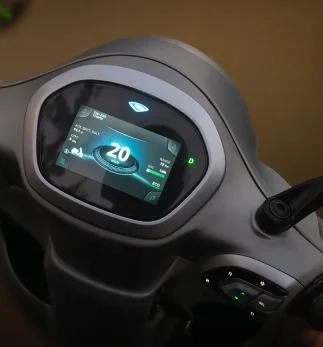
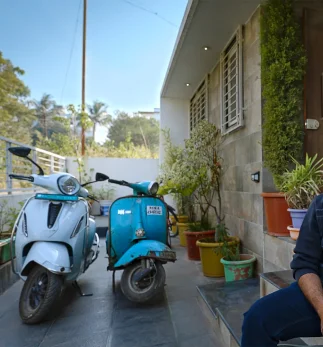
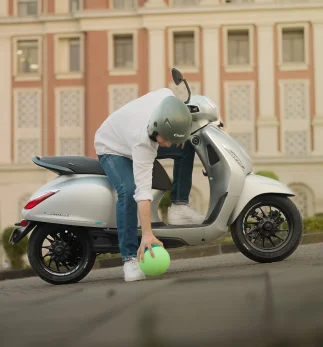
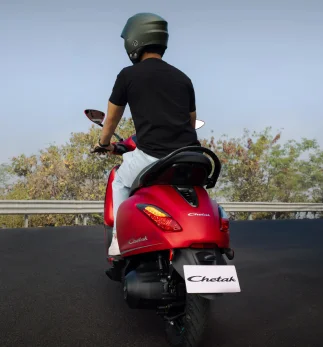
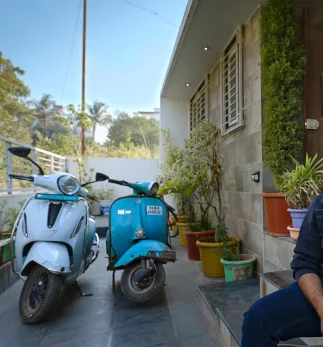
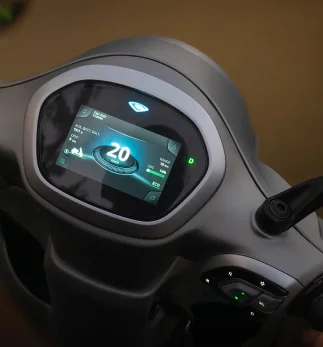
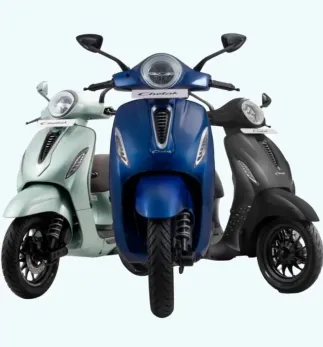
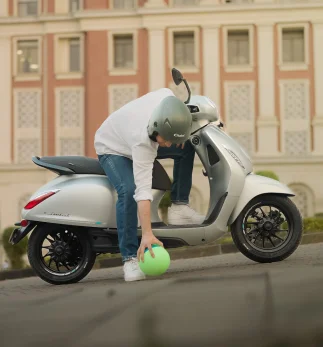
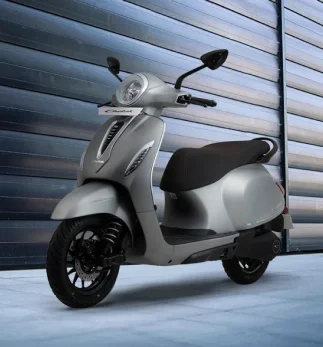
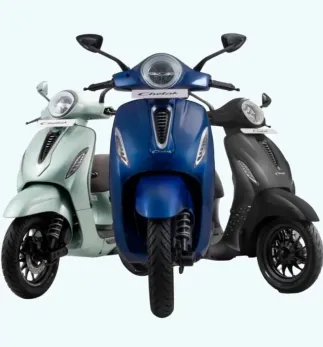
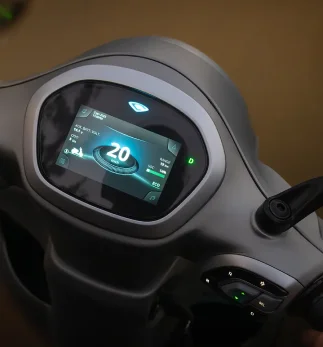
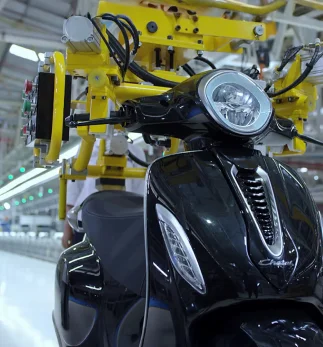
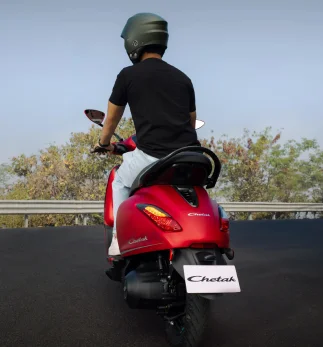
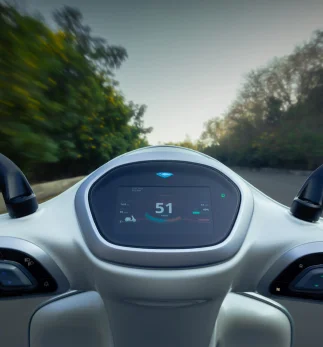
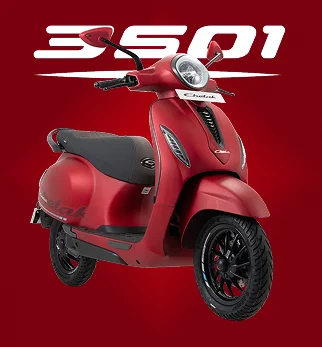
Bajaj Chetak 3501
Step-by-Step: How to Charge an Electric Scooter at Home
Follow these steps each time you charge. A consistent routine is the simplest way to protect your scooter and your home setup.
Step 1: Park in a Safe, Ventilated Spot
Choose a flat surface away from water splashes and direct rain exposure. Keep the scooter stable on the main stand.
Step 2: Switch Off the Scooter and Inspect the Area
Turn the scooter off and ensure the charging area is dry. Check that the cable path is clear of door edges and sharp bends.
Step 3: Check the 5A Socket and Plug Condition
Before plugging in, ensure the 5A socket is firm and not loose. Avoid sockets that spark, heat up, or feel unstable.
Step 4: Connect the Charger to the Electric Scooter First
A simple best practice is to connect the charger to the scooter, then plug it into the wall. This keeps the connection sequence consistent.
Step 5: Plug into the Wall Socket and Confirm Charging Starts
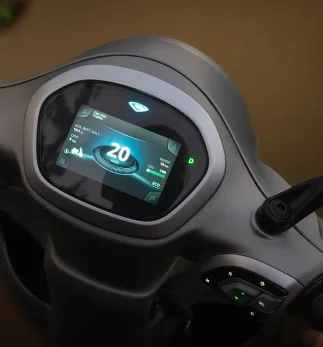
Once plugged in, confirm the charging indicator shows active charging. If you notice flickering lights or heating at the plug point, stop and inspect.
Step 6: Let it Charge Without Disturbing the Cable
Do not tug, coil tightly, or place heavy objects on the cable during charging. Keep kids and pets away from the charging area.
Step 7: Unplug in Reverse Order
When charging is complete, unplug from the wall first, then disconnect from the scooter. This reduces the chance of strain on the connector.
These steps make charging an electric scooter at home feel straightforward, even for first-time EV owners.
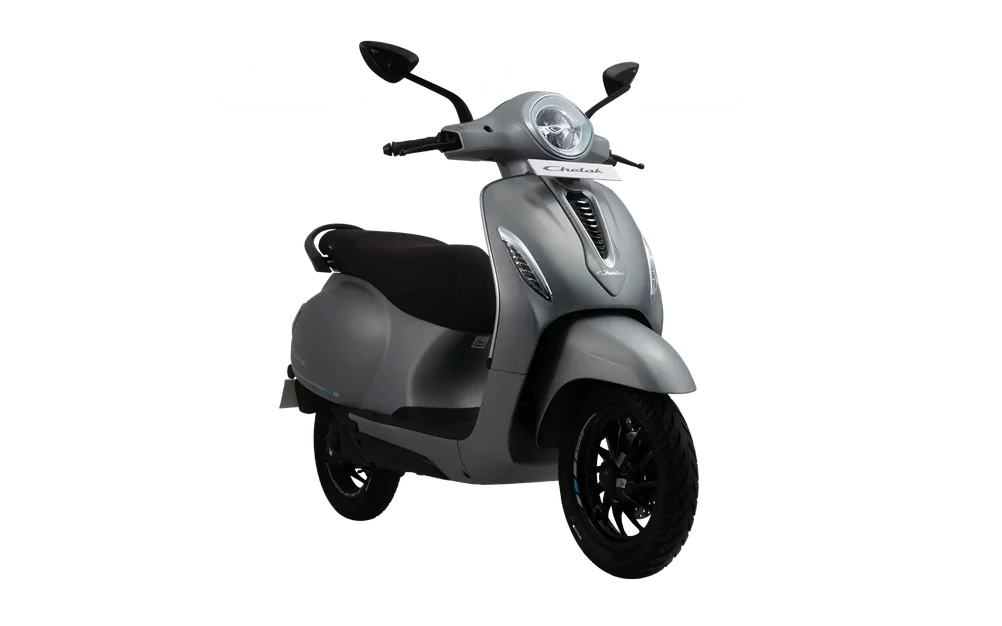
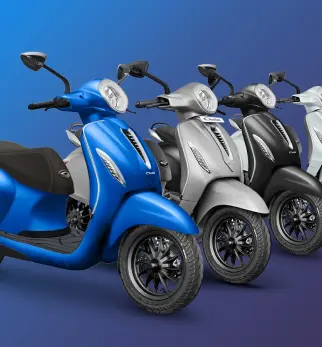
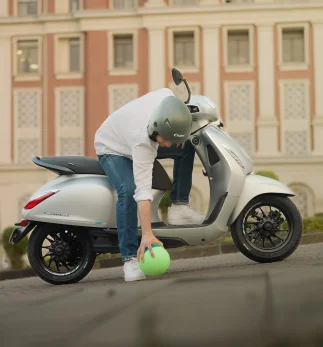
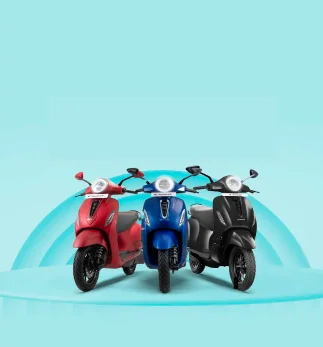
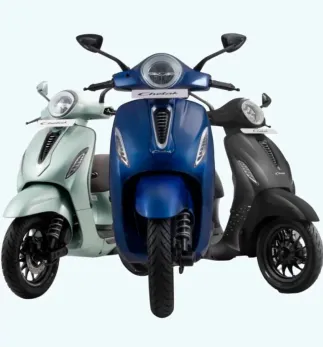
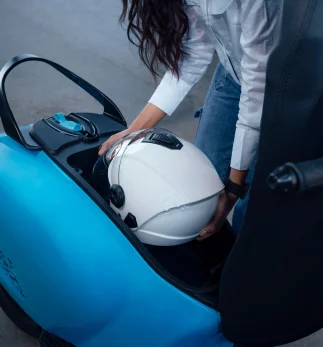
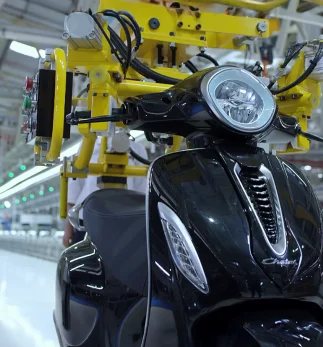
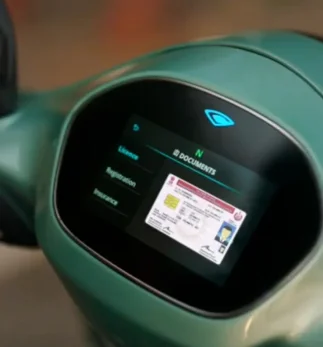
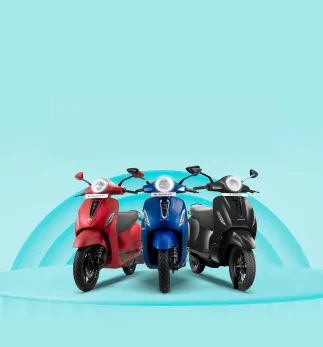
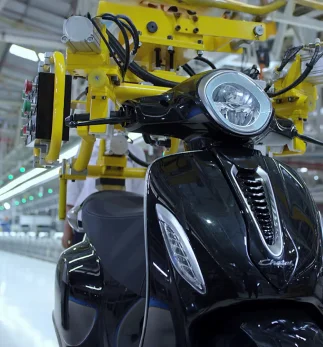
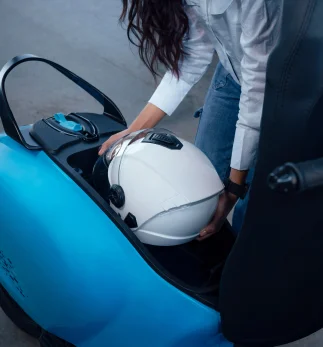
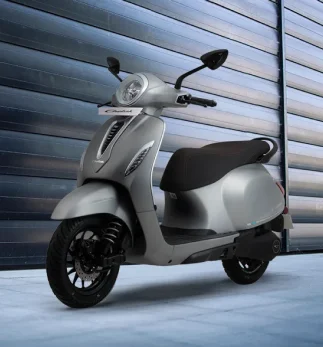
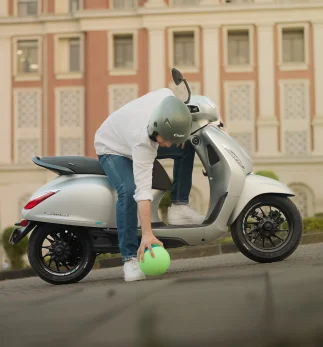
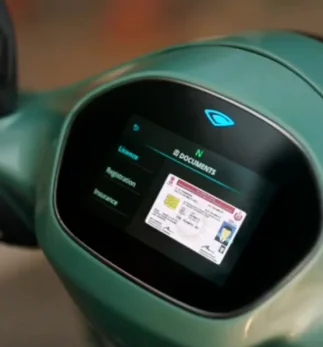
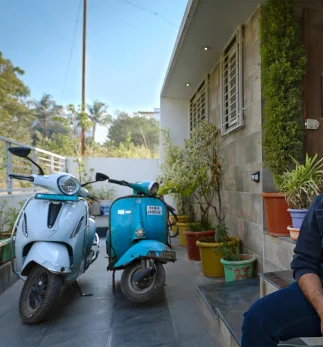
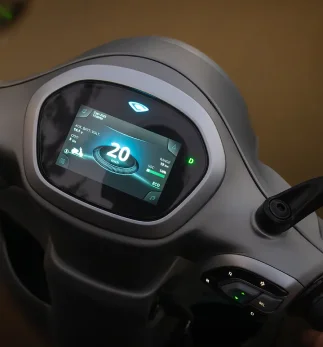
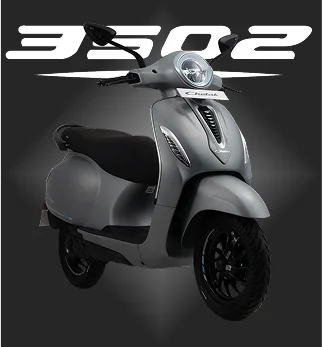
Bajaj Chetak 3502
Best Time to Charge at Home for Daily Convenience
Once you know how to charge an electric scooter at home, timing becomes the next simple optimisation. The right timing reduces last-minute charging stress.
Use these timing tips:
- Charge overnight if your commute is fixed and you want a fully-charged scooter in the morning.
- Top up when you get home if you have a predictable daily routine and prefer shorter charging sessions.
- Avoid charging immediately after a long ride if the battery feels warm; a short cool-down helps.
- Plan charging around your next day's distance, rather than charging to extremes every time.
- Utilise off-peak hours to take advantage of lower electricity tariffs and reduce strain on the grid.
- Avoid deep discharges by plugging in before the battery drops below 20% to ensure long-term reliability.
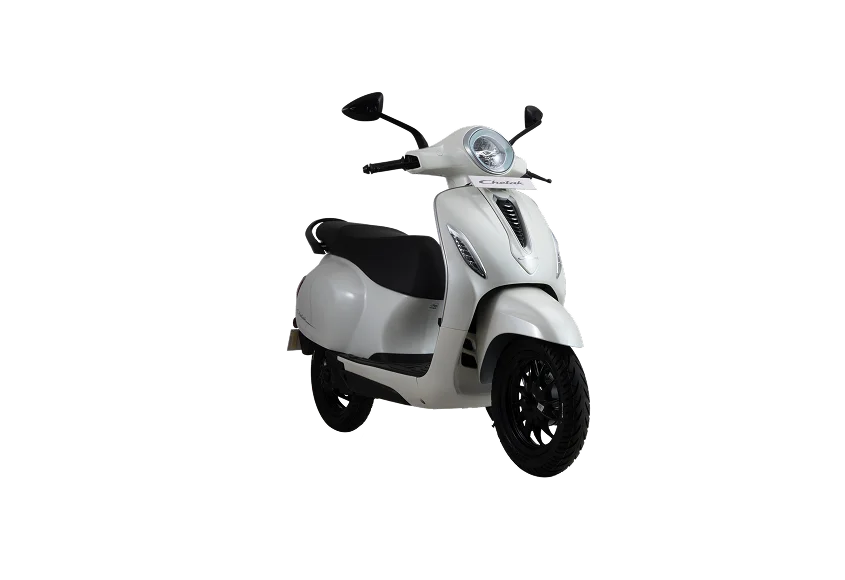
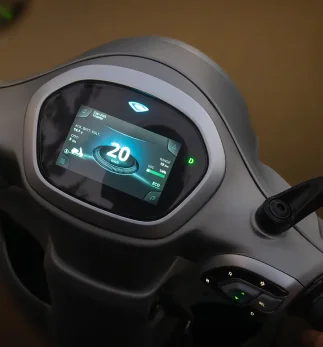
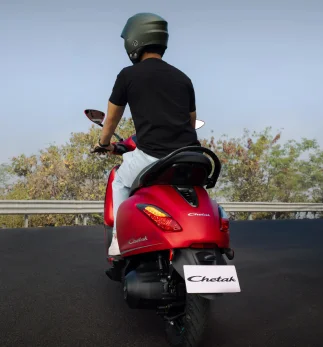
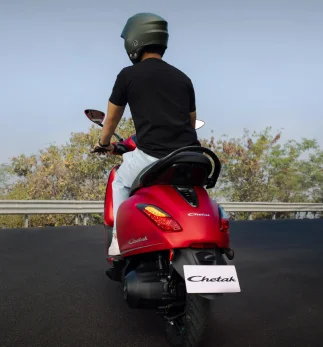
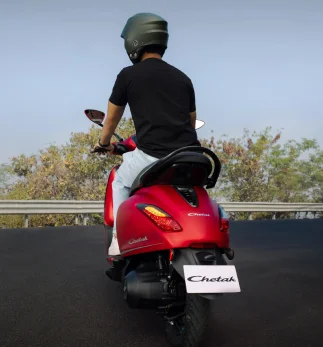
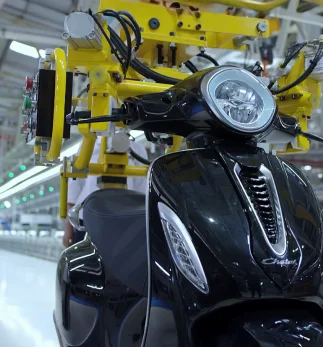
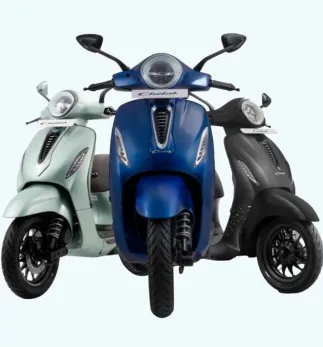
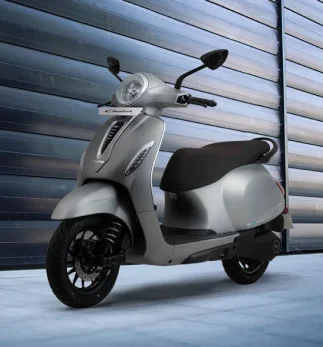
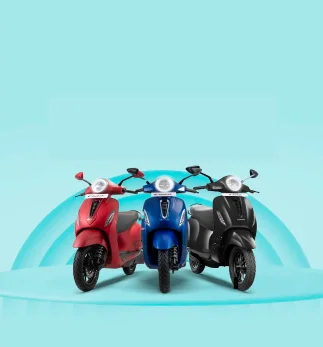
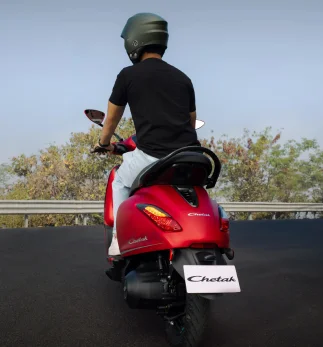
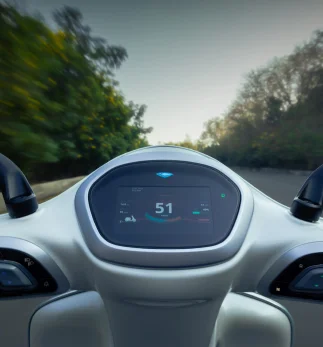
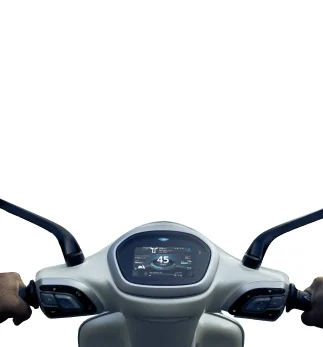
Bajaj Chetak 3503
What to do if Charging Does Not Start?
Sometimes charging issues come from simple causes, not major faults. Use this quick troubleshooting list.
- Check the socket power by testing with another device.
- Re-seat the plug if the connection feels loose.
- Inspect the cable for cuts, bends, or damage near the connector.
- Try a different 5A socket if available, especially if the first socket is old.
- Contact authorised service support if the issue repeats, rather than using unsafe workarounds.
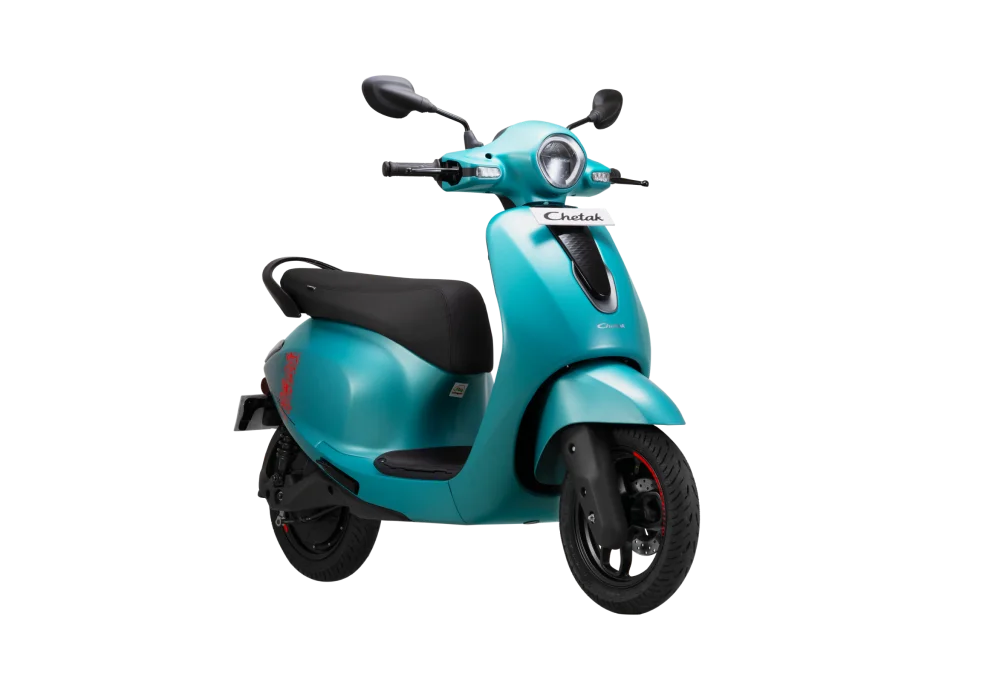
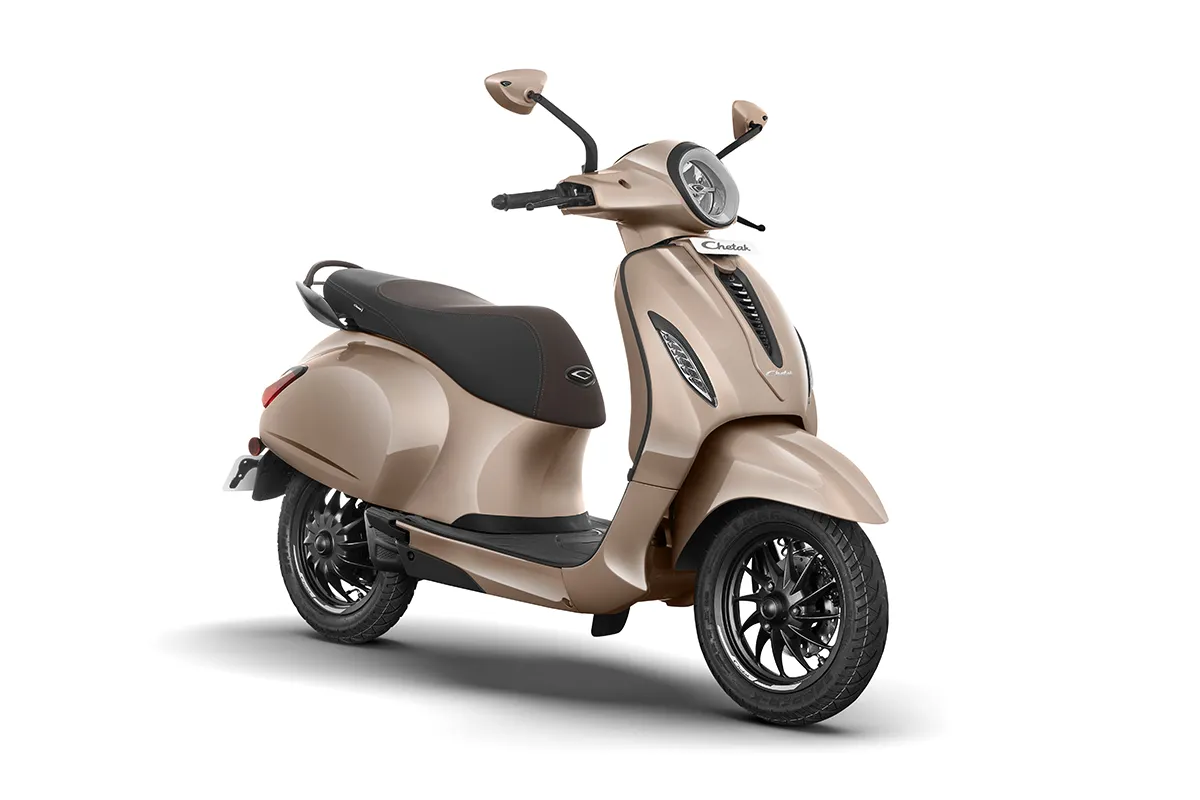
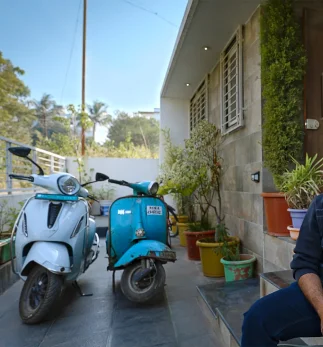
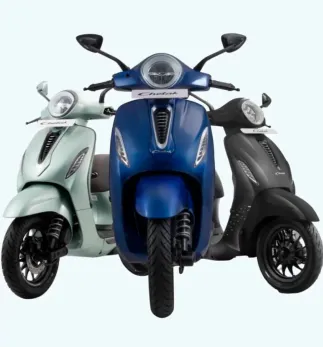
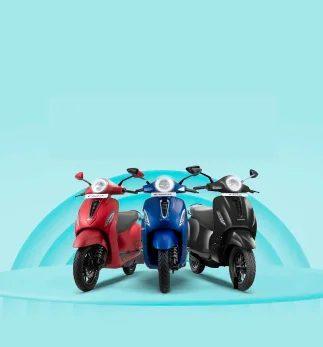
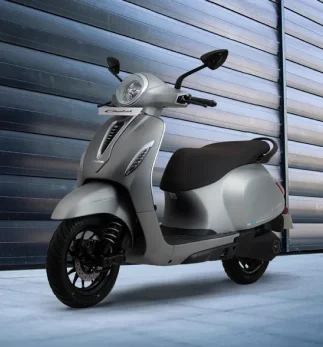
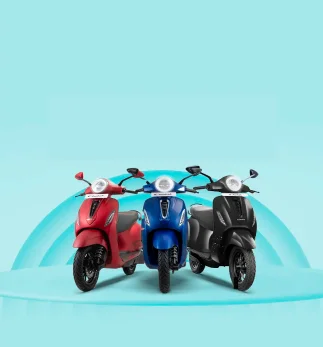
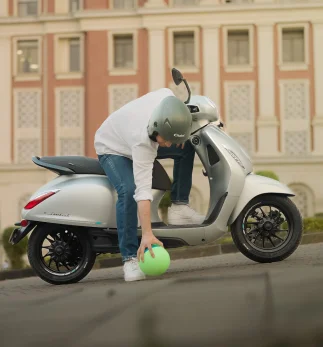
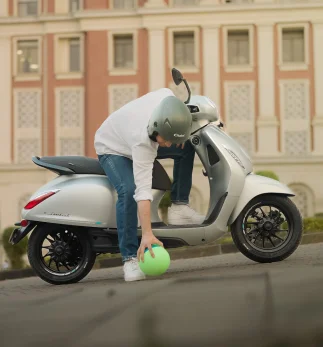
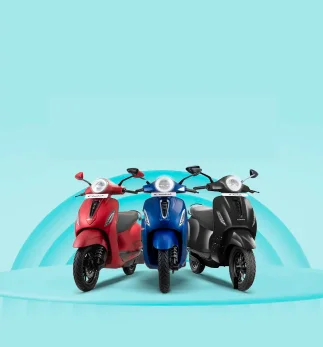
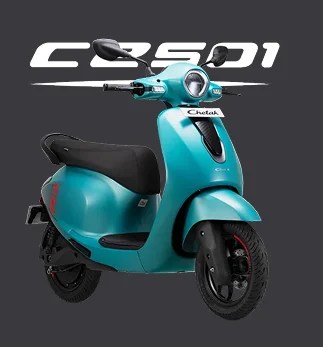
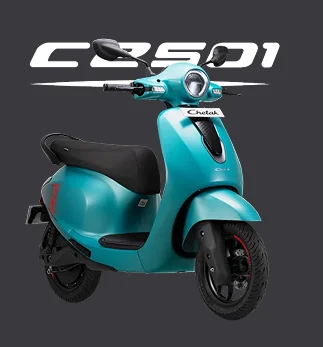
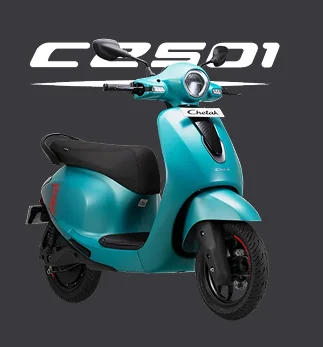
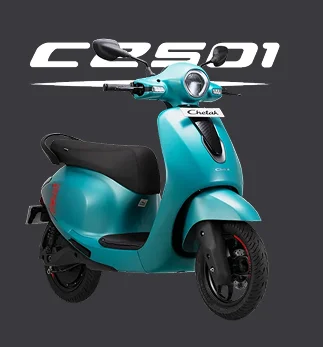
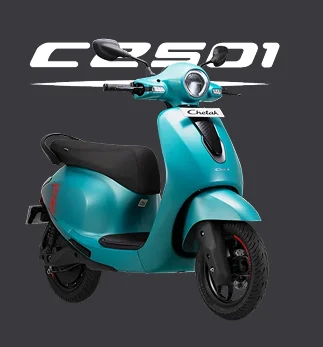
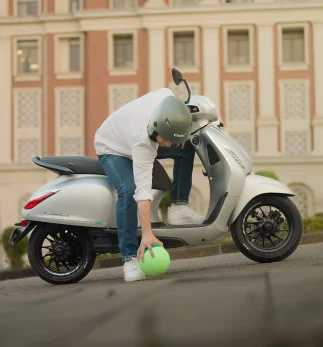
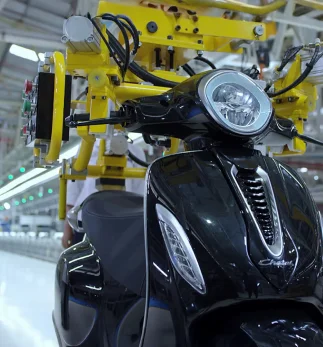
Bajaj Chetak C2501
A Simple Home Charging Routine That Works
Learning how to charge an electric scooter at home becomes easy when you follow a consistent routine and keep safety first. Choose a dry charging spot, use a stable 5A socket, ensure proper earthing, and always rely on the official charger.
These basics protect both your scooter and your home wiring. Bajaj Chetak models, including Chetak 3501, 3502, 3503, and C2501, can be charged at home using a 5A socket, making daily charging practical for many riders.
Keep the cable straight, avoid loose adapters, and check the charging port for any unusual heat during charging. When your routine stays calm and consistent, ownership feels simpler, and your scooter stays ready for everyday commuting.
Recent Articles
How to Increase Electric Scooter Range With Smarter Riding Habits
Know More
Which Bajaj Chetak Models Offer the Best Combination of High Speed and Rider-Focused Features?
Know More
5 Features that Make an Electric Scooter for Hilly Areas More Practical
Know More
5 Electric Scooter Maintenance Habits that can Support Long-term Performance
Know More
How to Choose a High-Performance Electric Scooter for Daily Use
Know More



.webp)











.webp)