
 Back
Back
Last Updated: Mar 06 2026, 10:30 AM IST
Regenerative Braking System in Electric Scooters: How It Works and Why It's Important




Electric scooters are designed for efficiency, but not all energy comes from the battery alone. Some of it can be recovered while you ride. This is where the regenerative braking system comes in. Instead of letting energy go to waste during braking, this technology captures it and returns it to the battery, improving overall performance. All modern electric scooters equipped with regenerative braking system technology help make every ride smarter and more energy-conscious. You don't need to press extra buttons or change your riding style; the system works automatically. But why is it so important for riders today? Let's look at how it works and why it matters.
What is a Regenerative Braking System?
A regenerative braking system is a technology in electric vehicles that recovers energy during deceleration and converts it into electricity, which is stored back in the battery. In conventional scooters, braking relies on friction to slow the vehicle.
That friction generates heat, and the kinetic energy from motion is lost entirely. In contrast, electric scooters equipped with a regenerative braking system use the motor to recover some of this energy.
The regenerative braking system works seamlessly and automatically, without requiring any additional rider input. It is integrated into the scooter’s design, making energy optimisation a natural part of every ride.
How Does the Regenerative Braking System Work?
Understanding the regenerative braking system helps appreciate its value. Though technically advanced, the process is simple:
Step 1: Deceleration Detection
When you release the throttle or apply the brakes, the electric scooter’s control unit senses the need to slow down and activates the regenerative system.
Step 2: Motor Switches Roles
The electric motor can operate in two modes: as a motor for propulsion and as a generator for energy recovery. During braking, the motor reverses its function and starts generating electricity from the wheels' rotation.
Step 3: Energy Conversion
Kinetic energy from the moving scooter is converted into electrical energy. Unlike conventional braking, which loses this energy as heat, a regenerative braking system captures it efficiently.
Step 4: Energy Storage
The generated electricity is returned to the battery. While the energy recovered from a single stop may seem small, frequent braking in urban traffic adds up over time, extending range and efficiency.
The system is most effective during gradual deceleration and moderate speeds, which are typical in city commuting. Emergency or sudden stops still rely on mechanical brakes, ensuring safety remains uncompromised.
For riders, the regenerative braking system feels natural, providing smooth, controlled slowing without requiring extra effort.
Why is the Regenerative Braking System Important?
The regenerative braking system is more than a convenience feature; it delivers real benefits for riders and the environment.
1. Improves Energy Efficiency
Electric scooters rely on stored battery power, so every bit of energy recovered is valuable. By converting braking energy into electricity, the system reduces energy waste and makes rides more efficient.
Over time, this efficiency means that riders can complete longer journeys without needing to recharge as frequently. It also helps optimise the battery’s overall performance, reducing strain and prolonging battery life.
2. Extends Riding Range
Range concern is a common concern for electric scooter users. Though the regenerative braking system doesn’t fully recharge the battery, it contributes incremental energy recovery that adds up, particularly in stop-and-go traffic.
In real-world commuting, these small gains can add up to a few extra kilometres each day. Riders notice that over weeks and months, the system helps them make the most of each charge.
3. Reduces Brake Wear
Because the motor helps slow the electric scooter, the mechanical brakes wear less. This means:
- Longer-lasting brake pads
- Lower maintenance costs
- Improved durability of braking components
In addition, less frequent replacement of brake parts saves both time and money, making ownership more convenient. Reduced wear also ensures consistent braking performance, providing a safer ride over time.
4. Enhances Ride Comfort
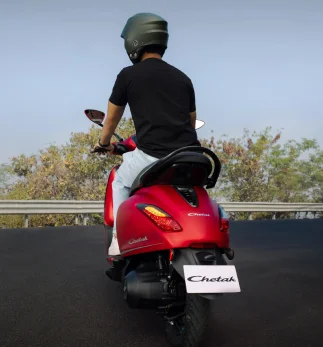
Controlled deceleration from the regenerative braking system creates smoother, more predictable slowing, especially in city traffic. Riders enjoy better stability and a comfortable, natural riding experience.
Gradual braking reduces sudden jerks and enhances balance, particularly for novice riders.
5. Supports Sustainability
Recovering energy reduces overall electricity demand and battery strain, thereby contributing to cleaner, more sustainable mobility. Efficient energy use means fewer charging cycles and better long-term battery health.
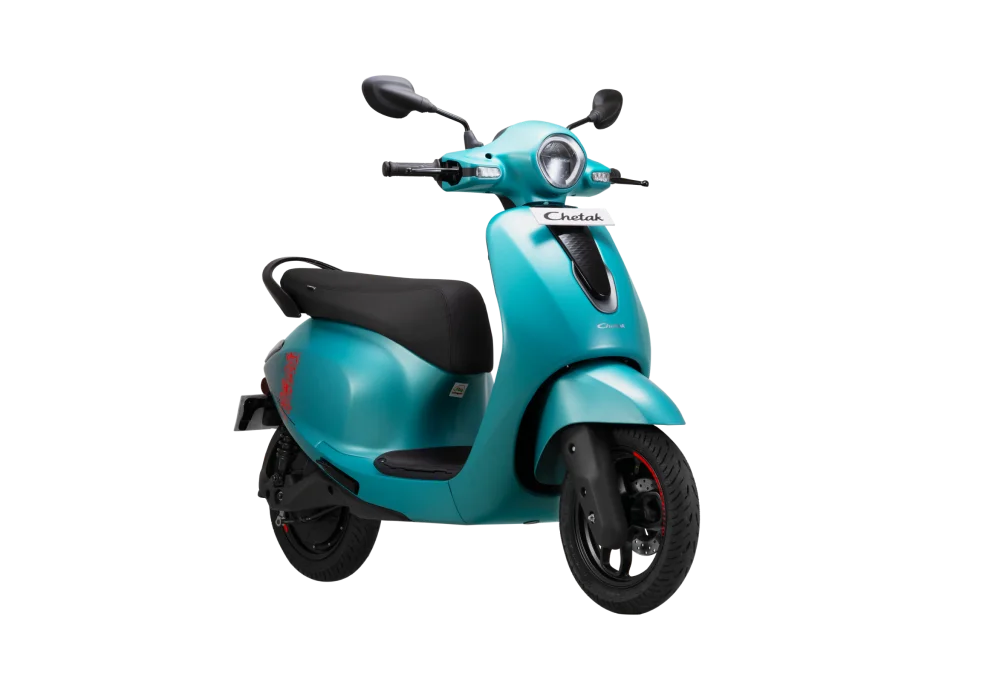
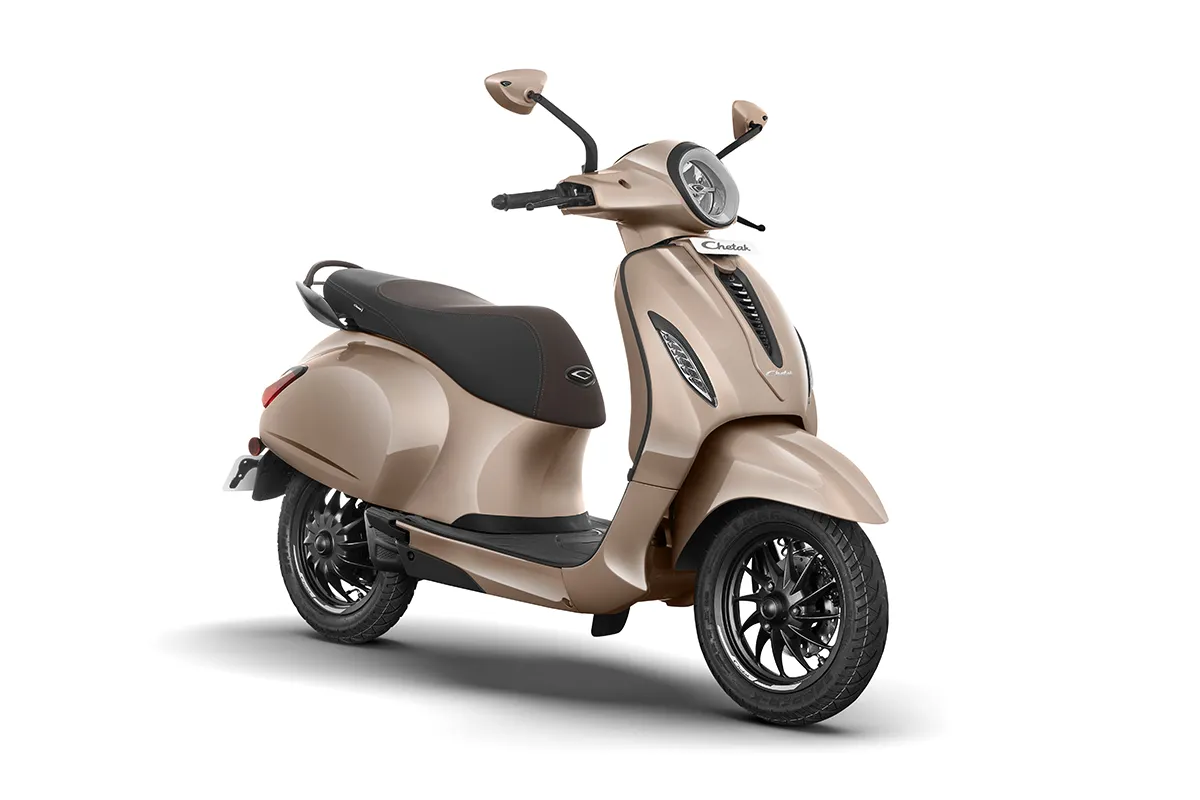
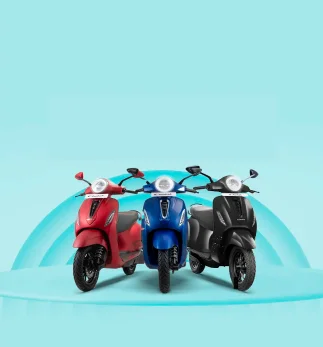
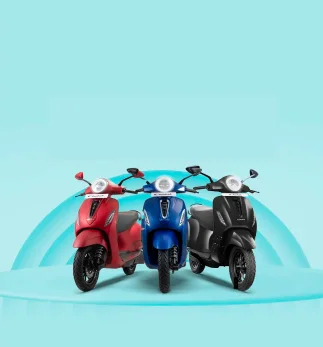
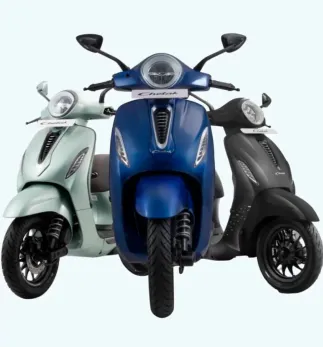
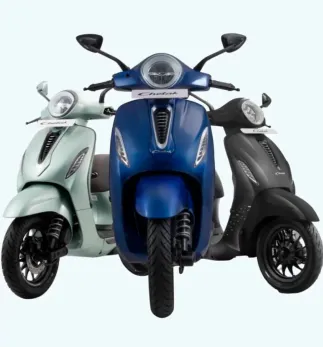
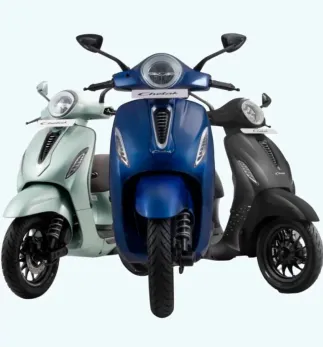
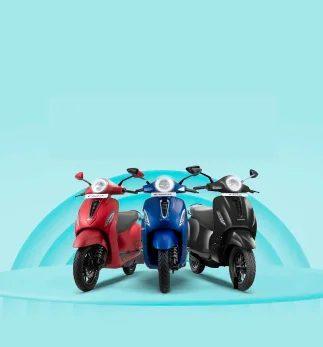
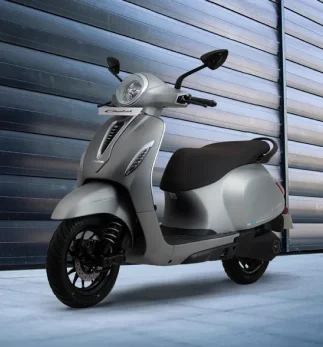
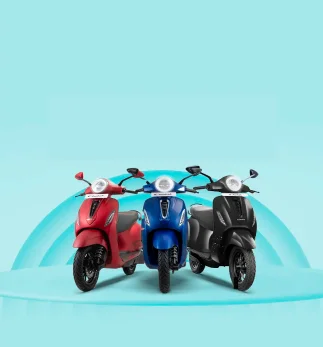
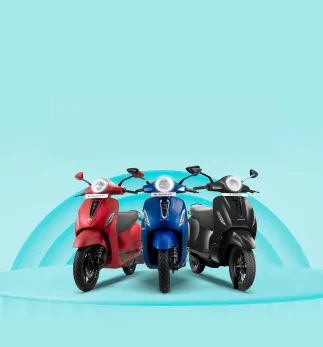
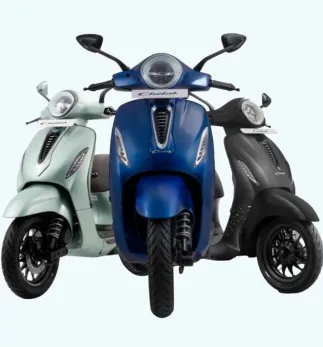
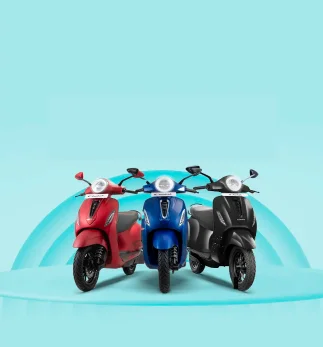
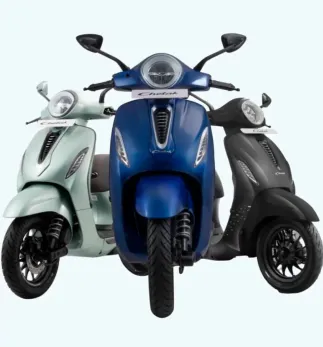
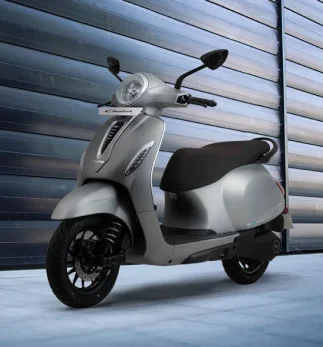
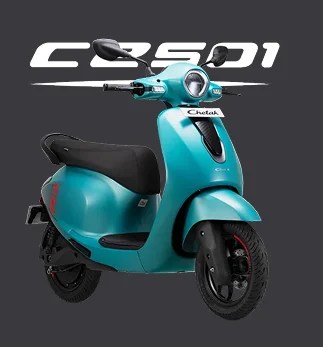
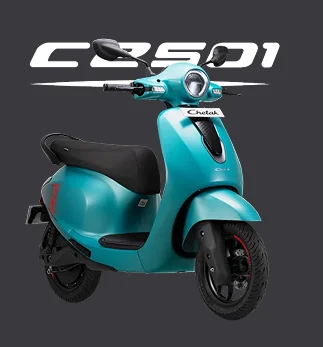
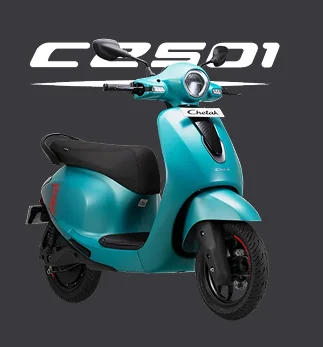
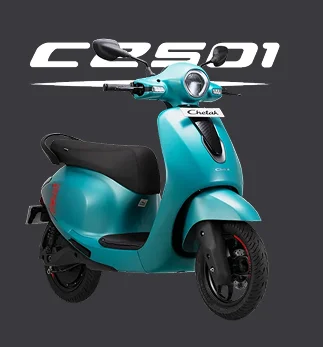
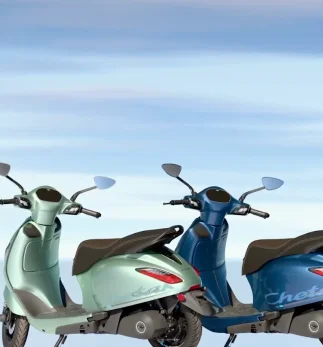
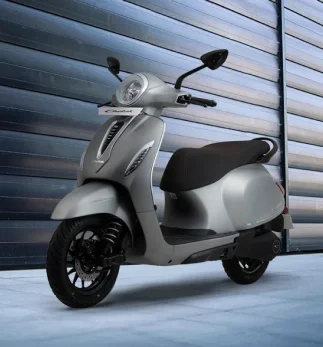
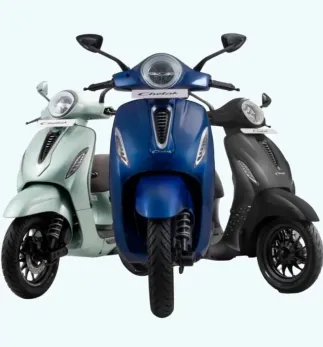
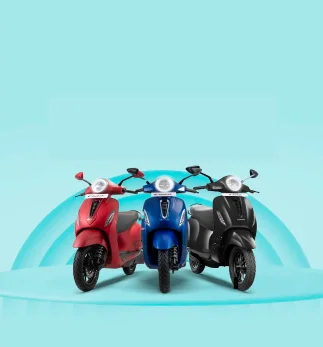
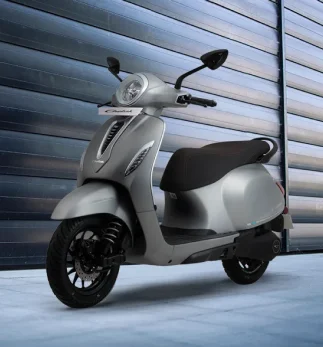
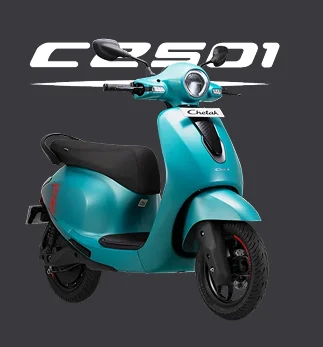
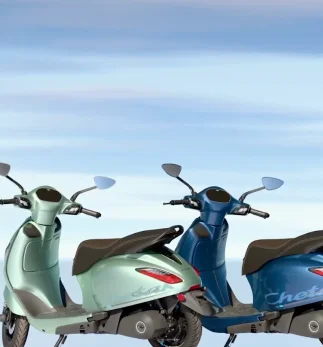
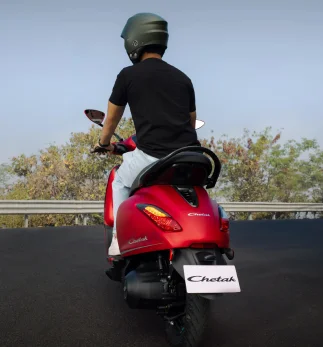
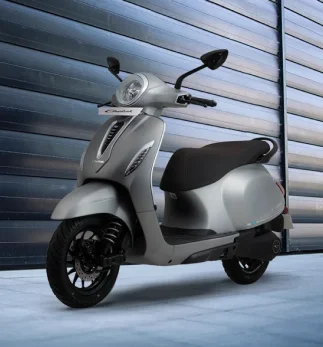
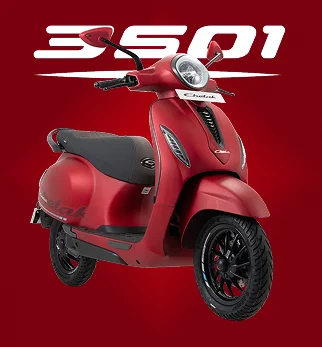
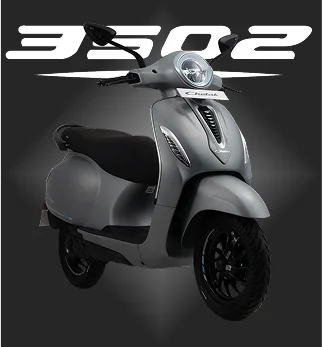
Bajaj Chetak C2501
Making the Most of Your Ride with Regenerative Braking
Regenerative braking is a core innovation in modern electric scooters. It recovers energy that would otherwise be wasted, improves efficiency, extends riding range, reduces maintenance, and enhances comfort.
When choosing an electric scooter, look beyond battery size and speed. Consider how intelligently the scooter manages energy through features like the regenerative braking system. Many modern electric scooters feature this technology, helping make every ride more efficient, smarter, and more energy-conscious.
By pairing these electric scooters with smooth riding habits, riders can maximise range, lower running costs, and enjoy a more comfortable, efficient, and sustainable commute. With regenerative braking, every stop becomes an opportunity to get more out of every journey.
Recent Articles
How to Increase Electric Scooter Range With Smarter Riding Habits
Know More
Which Bajaj Chetak Models Offer the Best Combination of High Speed and Rider-Focused Features?
Know More
5 Features that Make an Electric Scooter for Hilly Areas More Practical
Know More
5 Electric Scooter Maintenance Habits that can Support Long-term Performance
Know More
How to Choose a High-Performance Electric Scooter for Daily Use
Know More
.webp)



.webp)