
 Back
Back
Last Updated: Feb 22 2026, 10:30 AM IST
Electric Scooter Full Charge: How Many Units Does It Use?




Electric scooters have become a common choice for daily commuting because they are quieter, cleaner, and often cheaper to run than petrol-powered alternatives. One of the most frequent questions potential buyers ask is simple: How many electricity units does a full charge actually use? Understanding this figure helps estimate monthly running costs, compare different models, and plan home-charging routines more effectively. Since every scooter carries a different battery capacity and charging system, the electricity required for a full charge varies. However, a clear explanation of battery ratings, charging efficiency, and real-world conditions can help riders build a reliable expectation of daily consumption. In this blog, we explore these aspects in detail to understand the units required for a full charge of an electric scooter.
What Determines Electricity Consumption in an Electric Scooter?
Several factors directly influence the units consumed by an electric scooter for a full charge. These include:
1. Battery Capacity (kWh)
Battery capacity is the most important metric. Electric scooter batteries are usually rated between 2 kWh and 4 kWh.
- A 2 kWh battery requires roughly 2 units of electricity for a full charge.
- A 3 kWh battery requires around 3 units.
This value represents theoretical consumption before charging losses.
2. Charging Efficiency Losses
Every charger has some level of energy loss. Heat generation, power conversion, and system protection contribute to this. On average, efficiency ranges between 85% and 90%.
This means a scooter with a 3 kWh battery may use 3.3 to 3.5 units in real scenarios.
3. Charger Type and Power Rating
Standard home chargers usually operate at lower wattage and have higher efficiency. Fast chargers draw more power and may produce slightly higher losses. Both ultimately influence the units required for a full charge of an electric scooter.
4. Battery Condition and Temperature
Older batteries and extreme temperatures reduce efficiency. A scooter that once needed 2 units may later require a little more due to ageing cells and increased heat loss.
How to Calculate Units Consumed for a Full Charge
The formula is straightforward:
Electricity Units Used = Battery Capacity (kWh) ÷ Charger Efficiency
Example:
- Battery capacity: 3 kWh
- Charger efficiency: 90% (0.9)
3 ÷ 0.9 = 3.33 units
Therefore, this scooter uses approximately 3.33 units for a complete charge.
This method helps riders compare models and estimate monthly consumption based on daily usage.
How Many Units Does an Average Electric Scooter Use Per Month?
To understand monthly consumption, assume the scooter requires 3 units per full charge and is charged every two days.
Charging 15 times a month = 45 units
If electricity costs ₹10 per unit in your area, then:
45 units × ₹10 = ₹450 per month
This gives riders a realistic idea of operational cost compared to fuel-powered scooters, which can be substantially higher.
Real-World Factors That Affect Consumption
Even when a scooter has a fixed battery capacity, actual units consumed may vary due to:
1. Riding Style
Aggressive acceleration, high speeds, or riding uphill may drain the battery faster, increasing charging frequency, though individual full-charge units remain the same.
2. Payload and Terrain
Carrying heavier loads or riding on uneven roads can reduce range and result in more frequent charging.
3. Weather Conditions
Batteries drain faster in extremely hot or cold conditions. While the units consumed by an electric scooter for a full charge stay constant, frequent top-ups add to total monthly consumption.
4. Ageing Battery
As the battery degrades, efficiency falls, and charging losses may increase. This leads to slightly higher units required for a full charge of an electric scooter over time.
How to Reduce Electricity Units Used Per Charge
Here’s how to reduce the electricity units used per charge
1. Charge During Cooler Hours
Lower temperatures during early mornings or nights reduce heat loss and improve charging efficiency.
2. Avoid Deep Discharges
Frequent charging between 30% and 80% battery level can help maintain efficiency and reduce long-term power loss.
3. Use the Original Charger
It ensures better compatibility, stable current, and lower conversion loss.
4. Maintain Tyre Pressure and Weight Balance
Correct tyre pressure reduces drag and helps retain range, indirectly lowering monthly units consumed.
Build a Practical Charging Plan for Everyday Commutes
Understanding the electricity consumption of an electric scooter helps riders estimate monthly costs and make informed ownership decisions. Most electric scooters consume between two and four and a half units for a complete charge, depending on battery capacity, charging efficiency, and usage conditions.
Once you understand the units required for a full charge of an electric scooter, it becomes easier to plan charging routines, compare models, and evaluate long-term running expenses. For regular commuters, the units consumed by an electric scooter for a full charge remain predictable and manageable, supporting cost-efficient daily travel.
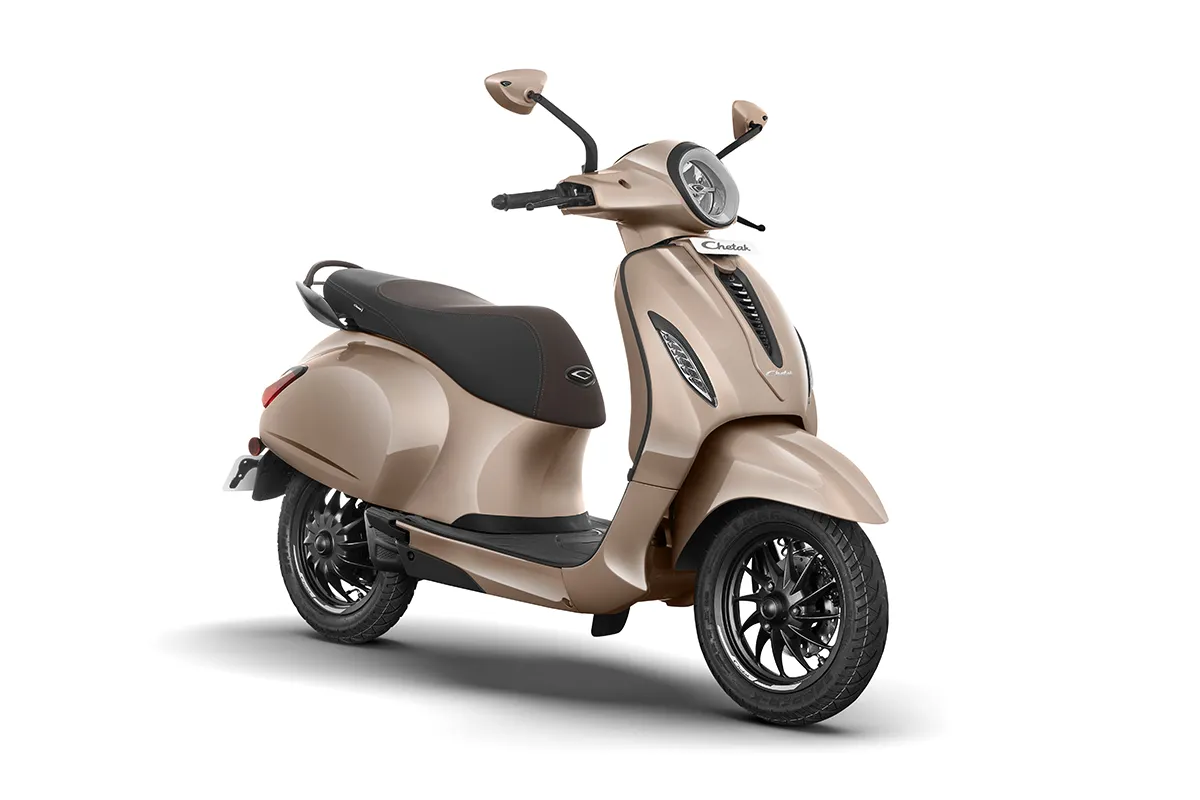
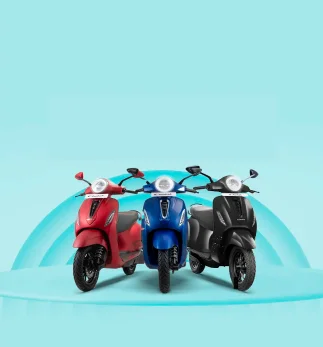
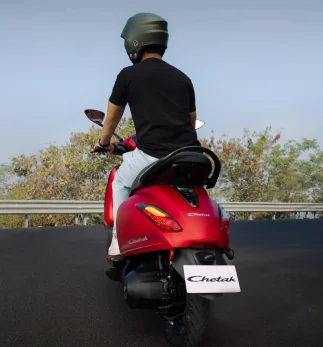
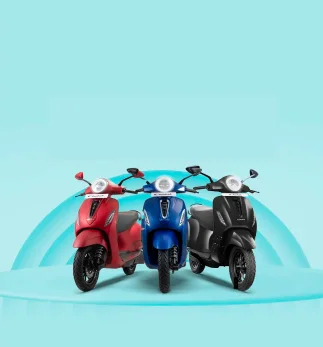
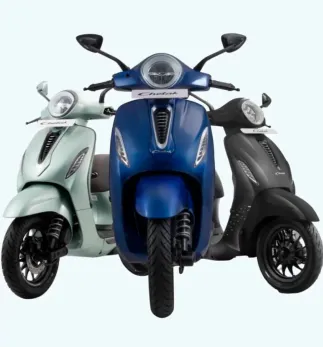
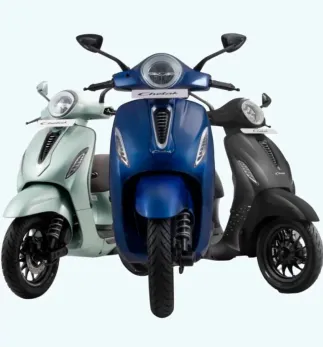
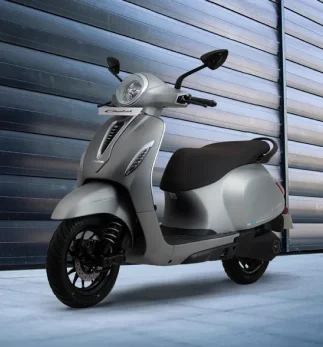
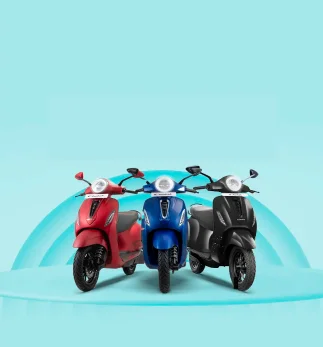
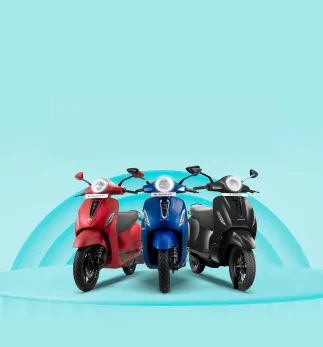
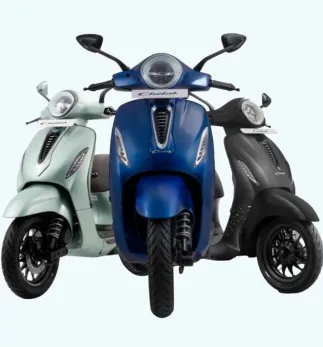
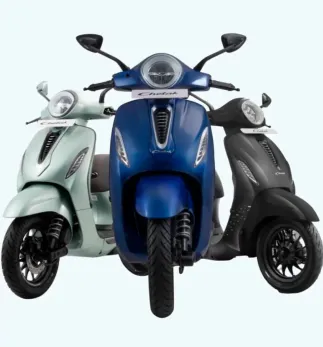
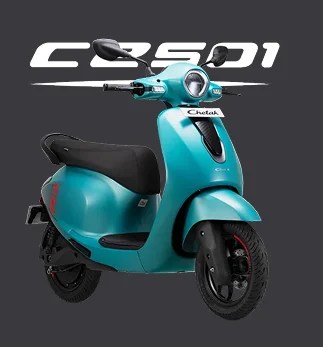
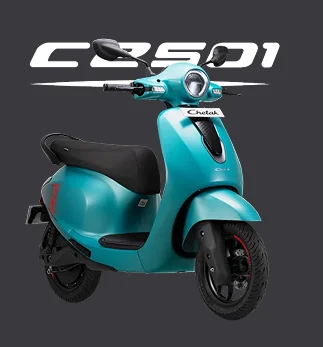
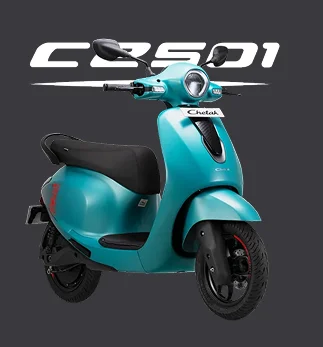
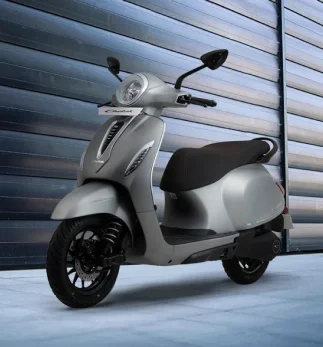
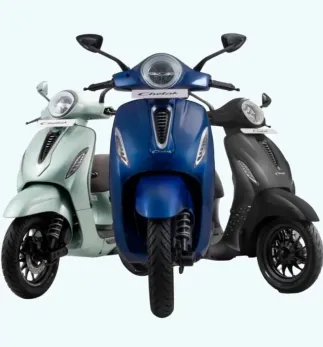
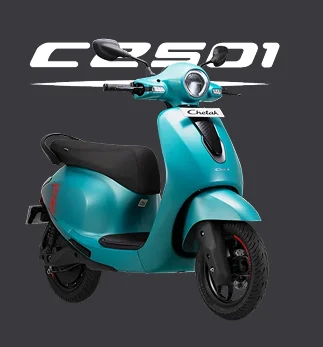
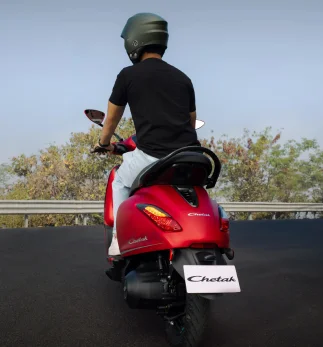
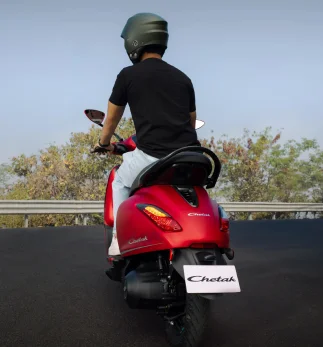
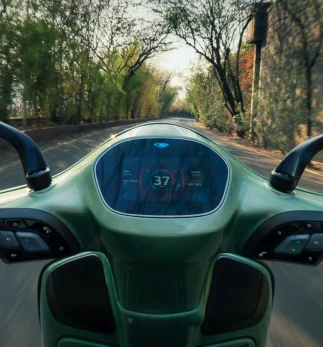
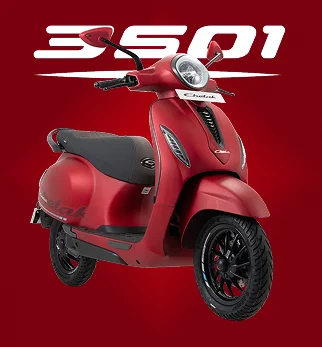
People interested in applying these insights to real-world use may also explore practical scooter options such as the Bajaj Chetak C2501 and similar models built for everyday efficiency. Consistent charging habits and battery care further help maintain stable energy consumption over time.
Recent Articles
How to Increase Electric Scooter Range With Smarter Riding Habits
Know More
Which Bajaj Chetak Models Offer the Best Combination of High Speed and Rider-Focused Features?
Know More
5 Features that Make an Electric Scooter for Hilly Areas More Practical
Know More
5 Electric Scooter Maintenance Habits that can Support Long-term Performance
Know More
How to Choose a High-Performance Electric Scooter for Daily Use
Know More










.webp)





































.webp)