
 Back
Back
Last Updated: Apr 13 2026, 09:30 AM IST
Electric Scooter Unit Consumption: Understanding Power Usage per Charge




Ever felt unsure about how much electricity your electric scooter is actually consuming every time you plug it in? You may charge it regularly, but without a clear understanding of power usage, estimating costs, or planning your daily rides can feel confusing. This uncertainty often makes it difficult to track how efficiently your electric scooter performs over time. This is where understanding electric scooter unit consumption becomes important, as it gives you a clearer picture of how much electricity is used with every charge. In this blog, you’ll learn what affects electricity usage, how to calculate it, and how different Bajaj Chetak models work in terms of power consumption.
Key Factors that Influence Electric Scooter Power Consumption
Here are the key factors that determine how much electricity your electric scooter consumes per charge:
1. Battery Capacity and Energy Storage
Battery capacity, measured in kilowatt-hours (kWh), directly impacts electricity usage. A larger battery stores more energy, which means it requires more electricity to charge fully and draws more power from the source.
2. Charger Efficiency
Charger efficiency refers to how effectively electricity flows from the power source to the battery. Some energy is always lost during this process, which increases the total electricity drawn during charging.
3. Charging Patterns and Frequency
Regular charging habits influence overall consumption trends. Charging your electric scooter at consistent intervals helps maintain predictable electricity usage over time.
4. External Charging Conditions
Environmental factors such as temperature and voltage stability can affect charging efficiency. These variations may slightly change the number of electricity units consumed per charge.
5. Battery Condition Over Time
Battery performance changes gradually with usage. As it ages, your electric scooter may require slightly more electricity to achieve a full charge.
How to Calculate Electric Scooter Unit Consumption Easily
The formula used to calculate the electricity consumption of electric scooters is:
Usage of electricity units = Capacity of battery (kWh) ÷ Efficiency of the charger
For calculation purposes, charger efficiency is commonly assumed to be around 90% (0.9).
Let’s look at an example:
If an electric scooter has a battery capacity of 3.0kWh and a charger efficiency is 90% (0.9), the calculation would be:
Electricity units used = 3.0 ÷ 0.9 = 3.33 units (approx.)
This means every time you fully charge your electric scooter, it will consume approximately 3.33 units of electricity from your power supply.
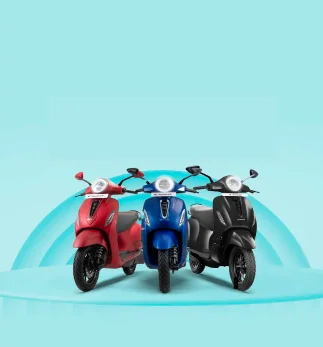
Bajaj Chetak Electric Consumption Analysis: Model-wise Breakdown
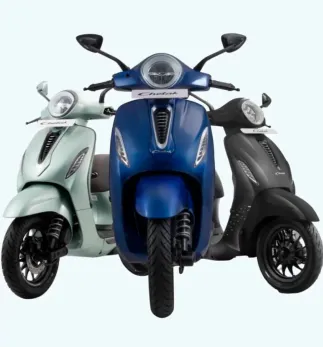
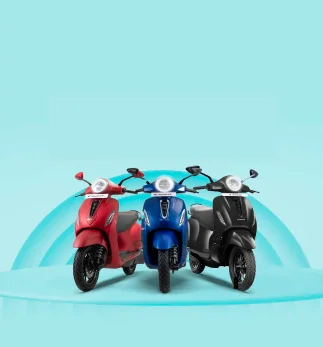
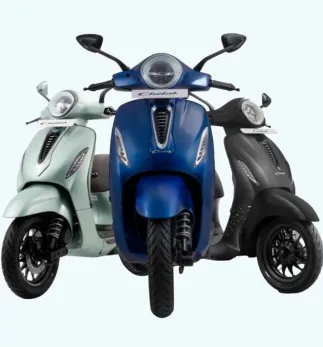
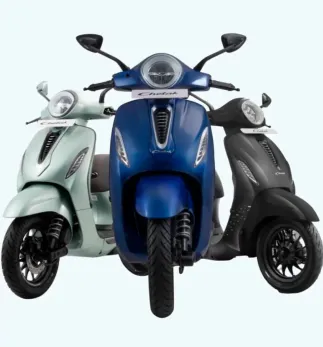
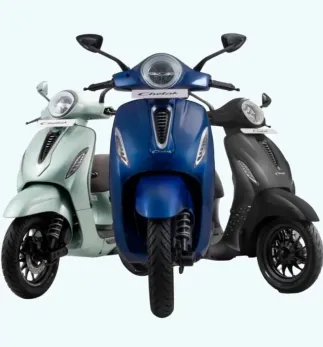
Each Bajaj Chetak electric scooter has a defined battery capacity, which directly determines the amount of electricity required for a full charge.
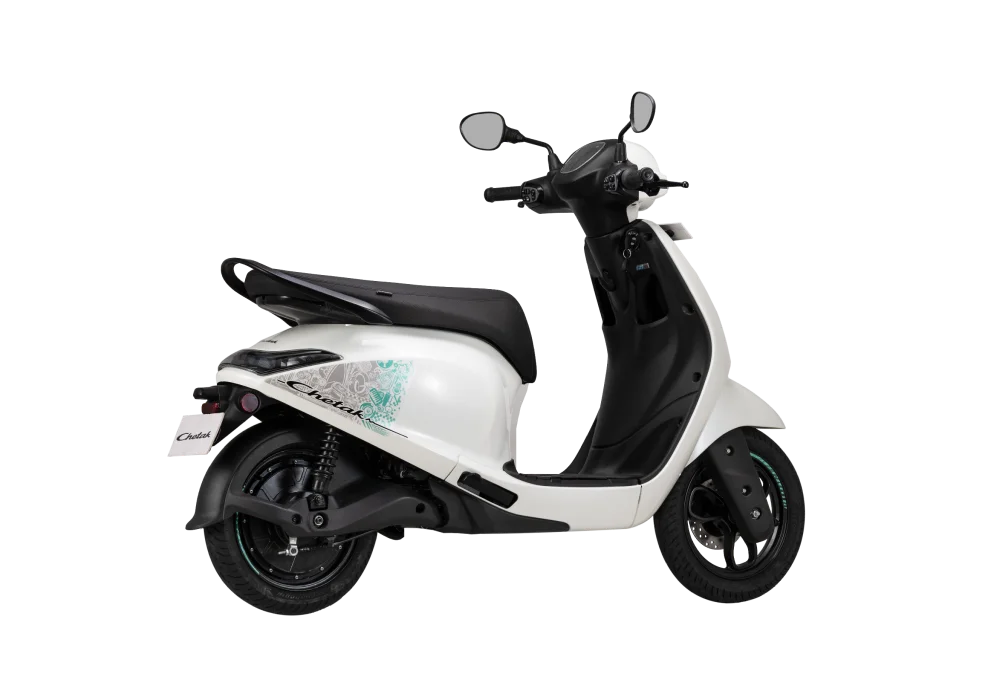
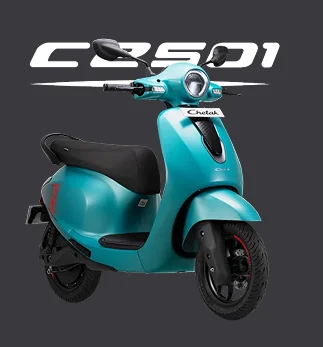
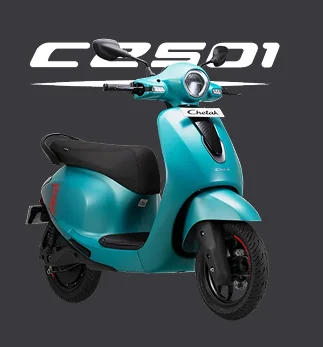
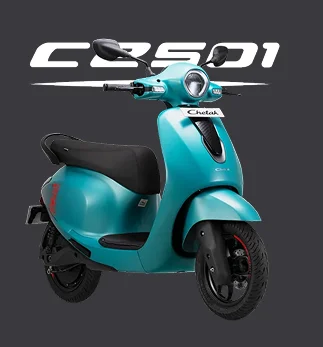
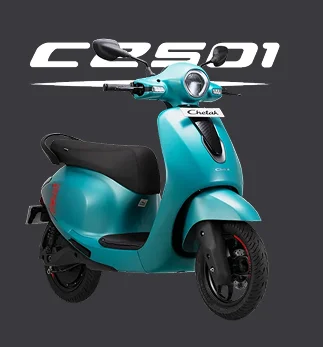
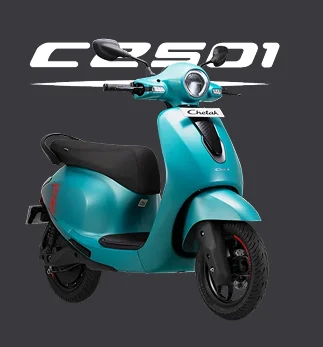
1. Bajaj Chetak C2501: Lower Energy Requirement per Charge
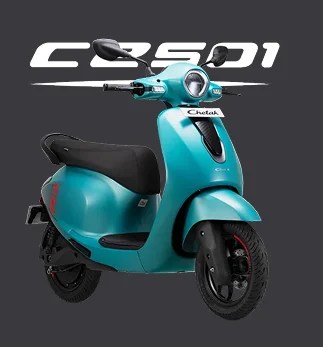
The Bajaj Chetak C2501 comes with a 2.5 kWh battery, which results in a lower energy requirement per full charge. This directly influences how much power is drawn from the source.
Electricity units used = 2.5 ÷ 0.9 = 2.78 units (approx.)
Each charge of this variant follows a fixed consumption value, allowing for a clear and straightforward estimate of electricity usage.
2. Bajaj Chetak 3001: Energy Usage per Charge Explained
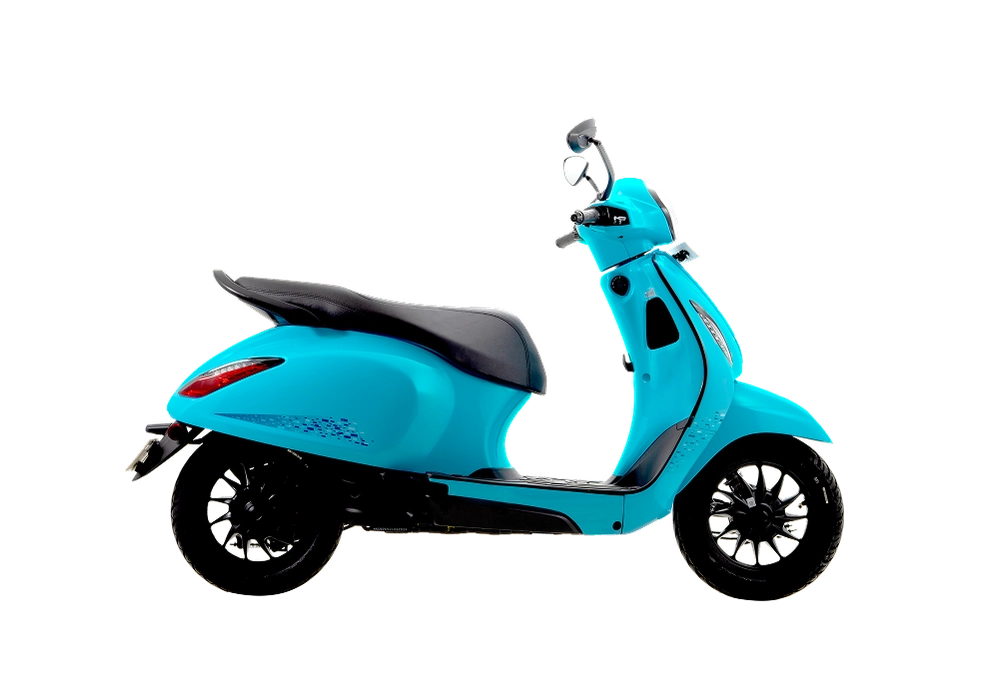
The Bajaj Chetak 3001 comes with a 3.0 kWh battery capacity, which indicates how much energy it can store. This level of capacity supports regular daily use with a steady, predictable charging pattern.
Electricity units used = 3.0 ÷ 0.9 = 3.33 units (approx.)
With this setup, this variant consumes a fixed amount of electricity per full charge, making it easy to estimate energy use over time based on charging frequency.
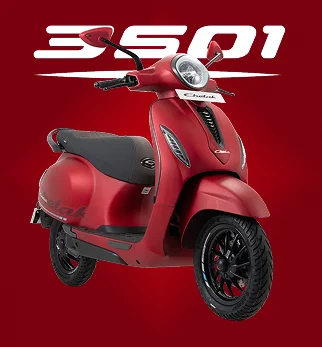
3. Bajaj Chetak 3501: Power Consumption Based on Battery Capacity
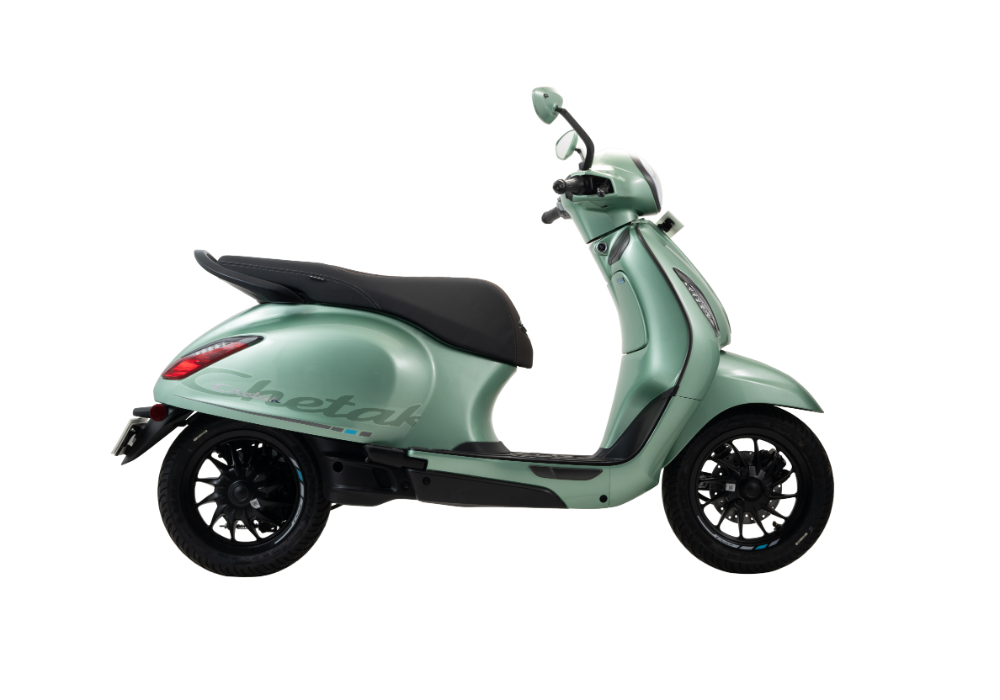
The Bajaj Chetak 3501 is equipped with a 3.5 kWh battery, which determines how much electricity is drawn during charging. This capacity reflects the total energy stored and used per cycle.
Electricity units used = 3.5 ÷ 0.9 = 3.89 units (approx.)
Each full charge of this variant follows this consumption pattern, allowing riders to clearly understand how much electricity is required per charging session.
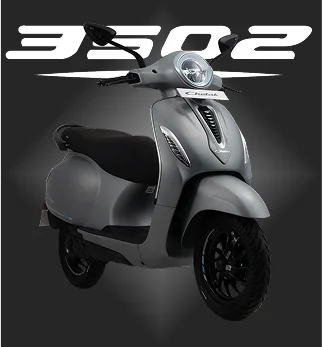
4. Bajaj Chetak 3502: Electricity Usage per Charging Cycle
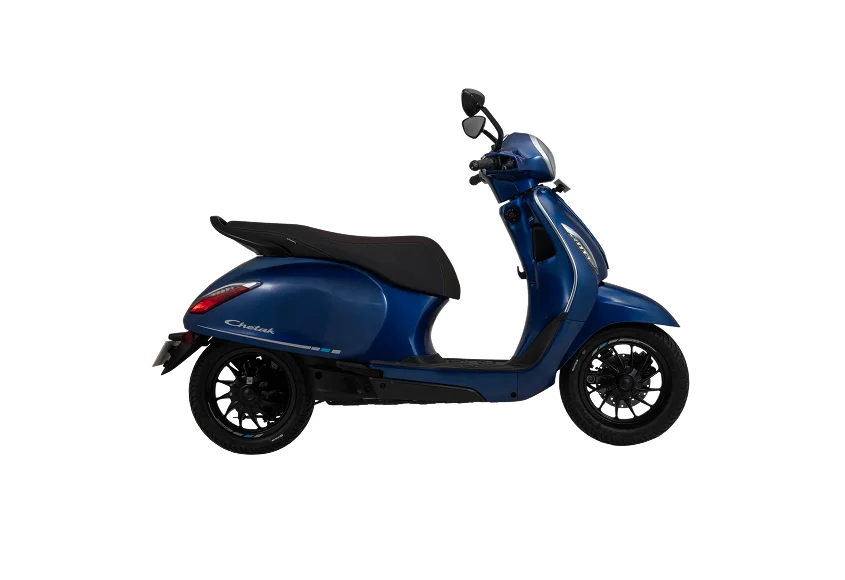
The Bajaj Chetak 3502 also features a 3.5 kWh battery, which defines the energy required for a full charge. Consumption remains fixed at this capacity.
Electricity units used = 3.5 ÷ 0.9 = 3.89 units (approx.)
For this variant, each charging cycle draws a consistent amount of electricity, making it easier to track and plan usage over time.
5. Bajaj Chetak 3503: Defined Consumption per Full Charge
The Bajaj Chetak 3503 includes a 3.5 kWh battery, which directly determines its electricity usage per charge. This ensures a uniform consumption pattern for every charging cycle.
Electricity units used = 3.5 ÷ 0.9 = 3.89 units (approx.)
With this variant, electricity consumption remains consistent, helping riders estimate usage based on how often they charge their electric scooter.
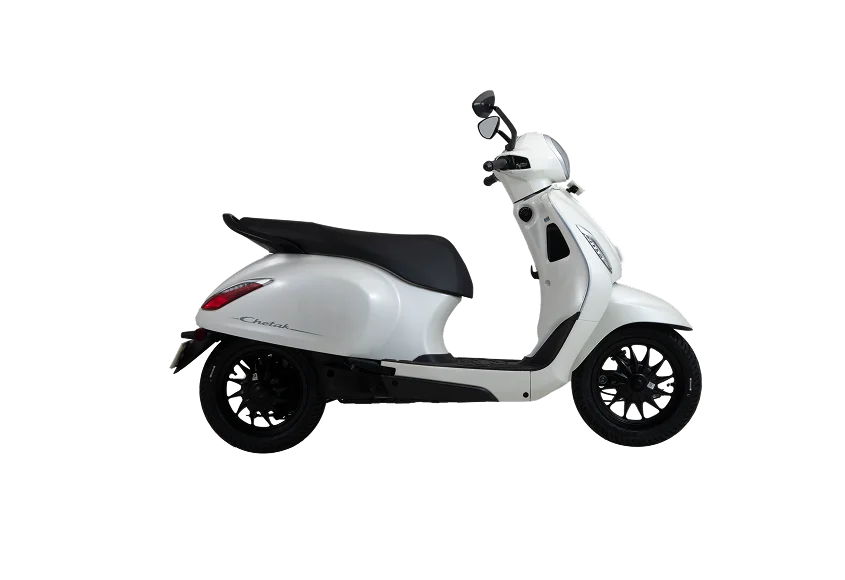
Understand Your Electric Scooter’s Power Usage Today for Better Planning
Knowing how much electricity your electric scooter consumes helps you manage charging habits more effectively and estimate usage over time. Battery capacity and charger efficiency together determine the number of units drawn during each charging cycle.
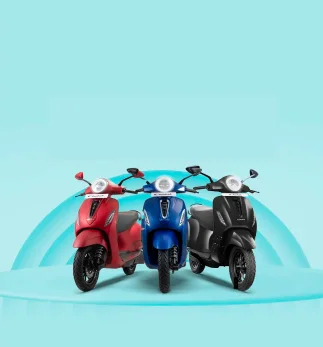
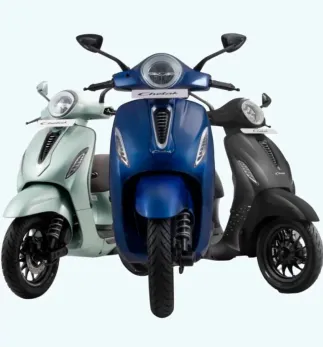
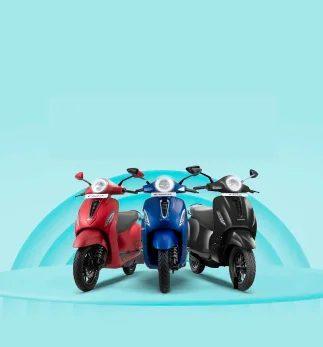
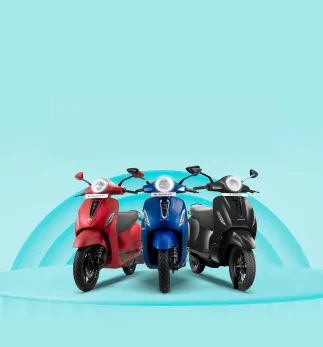
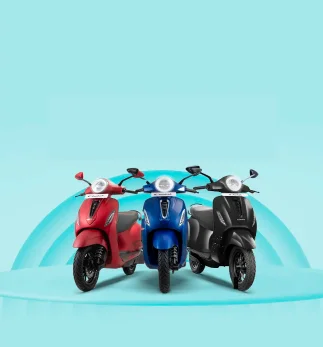
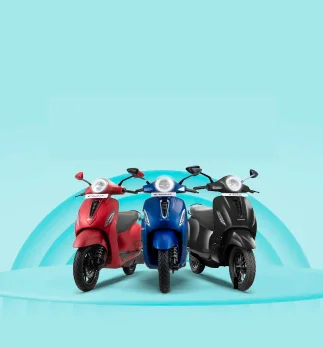
Within the Bajaj Chetak range, each model follows a defined consumption pattern based on its battery size. From the Bajaj Chetak 3001 to the Bajaj Chetak C2501, every electric scooter has a clear, measurable energy requirement per charge.
Understanding these values allows you to plan charging routines with clarity. It also improves awareness of electricity usage, helping you make informed decisions about your daily riding needs.
Recent Articles
How to Increase Electric Scooter Range With Smarter Riding Habits
Know More
Which Bajaj Chetak Models Offer the Best Combination of High Speed and Rider-Focused Features?
Know More
5 Features that Make an Electric Scooter for Hilly Areas More Practical
Know More
5 Electric Scooter Maintenance Habits that can Support Long-term Performance
Know More
How to Choose a High-Performance Electric Scooter for Daily Use
Know More






.webp)




















.webp)