Back
Last Updated: Jun 17 2026, 14:00 PM IST
E-scooter Battery Life and the Factors That Affect Long-term Performance




A strong battery is the quiet force behind every smooth and reliable electric scooter ride, yet most riders only notice it when performance starts to drop. The way a battery behaves over time can completely change how far you travel, how often you charge, and how confident you feel on the road. That is where understanding e-scooter battery life becomes essential, as it reveals what truly keeps a scooter running efficiently year after year. From how a scooter is charged to how it is ridden and maintained, each detail plays a role in long-term performance. Let’s uncover what really influences it and how you can get the best out of every charge.
5 Crucial Factors that Keep Your E-scooter Battery Performing Better
Modern electric scooter batteries are designed for durability, but consistent performance depends on how they are used daily. Paying attention to a few practical aspects can significantly improve efficiency and help maintain e-scooter battery life over time.
1. Choose the Right Battery Capacity for Your Riding Needs
Battery capacity, measured in kilowatt-hours (kWh), decides how much energy a scooter can store and how far it can travel on a single charge. Choosing the right capacity is important because it directly affects charging frequency and long-term efficiency.
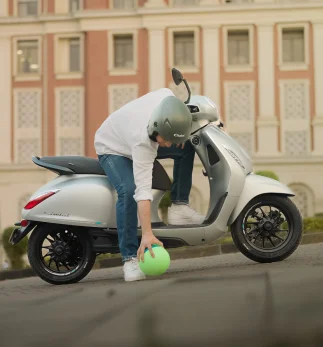
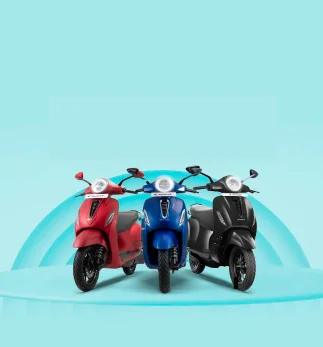
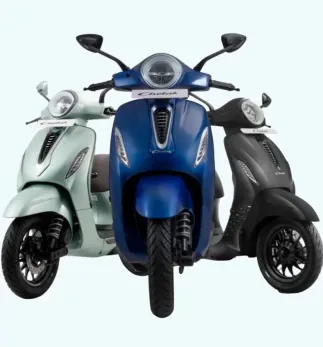
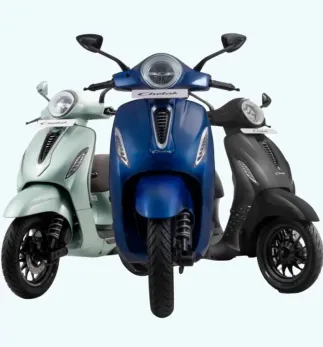
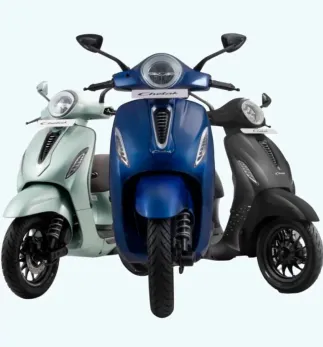
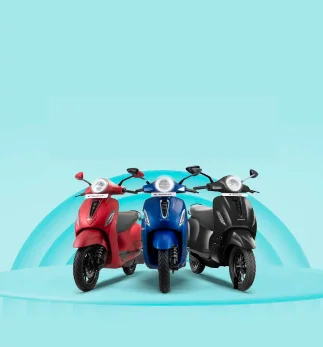
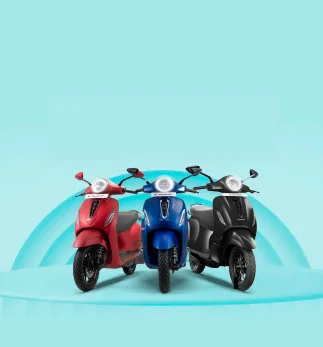
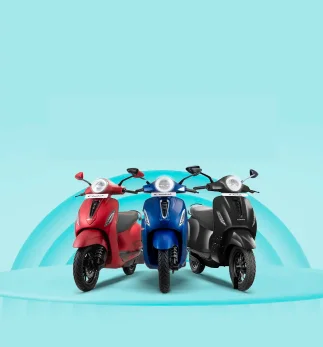
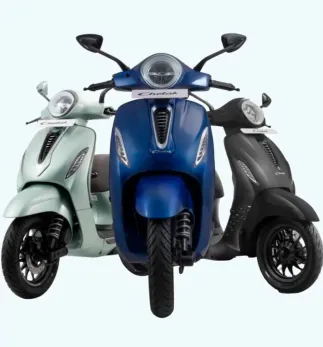
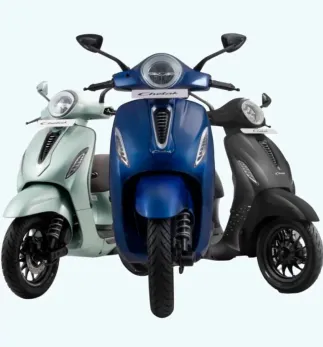
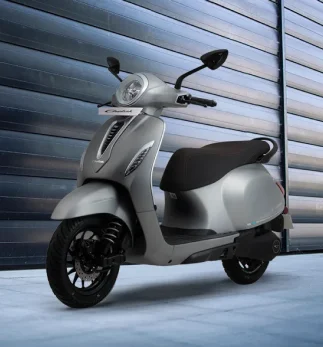
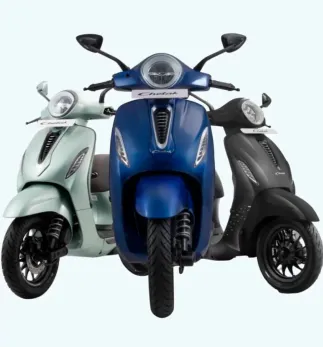
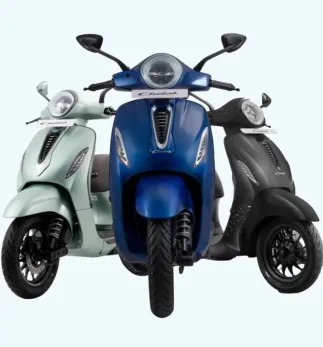
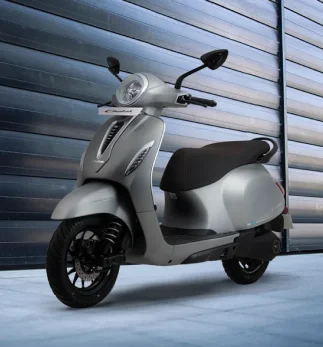
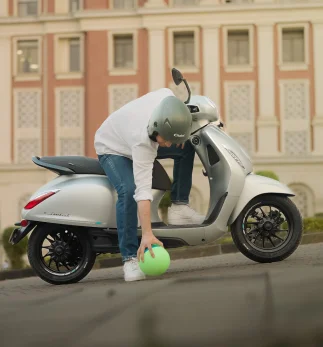
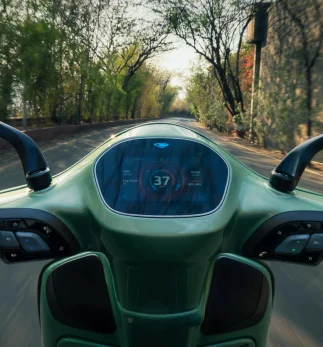
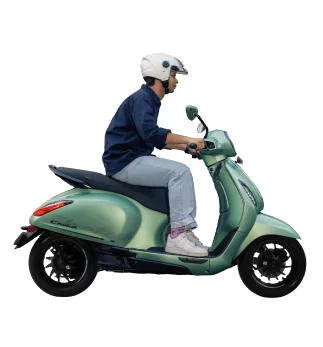
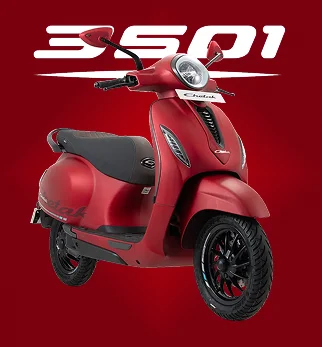
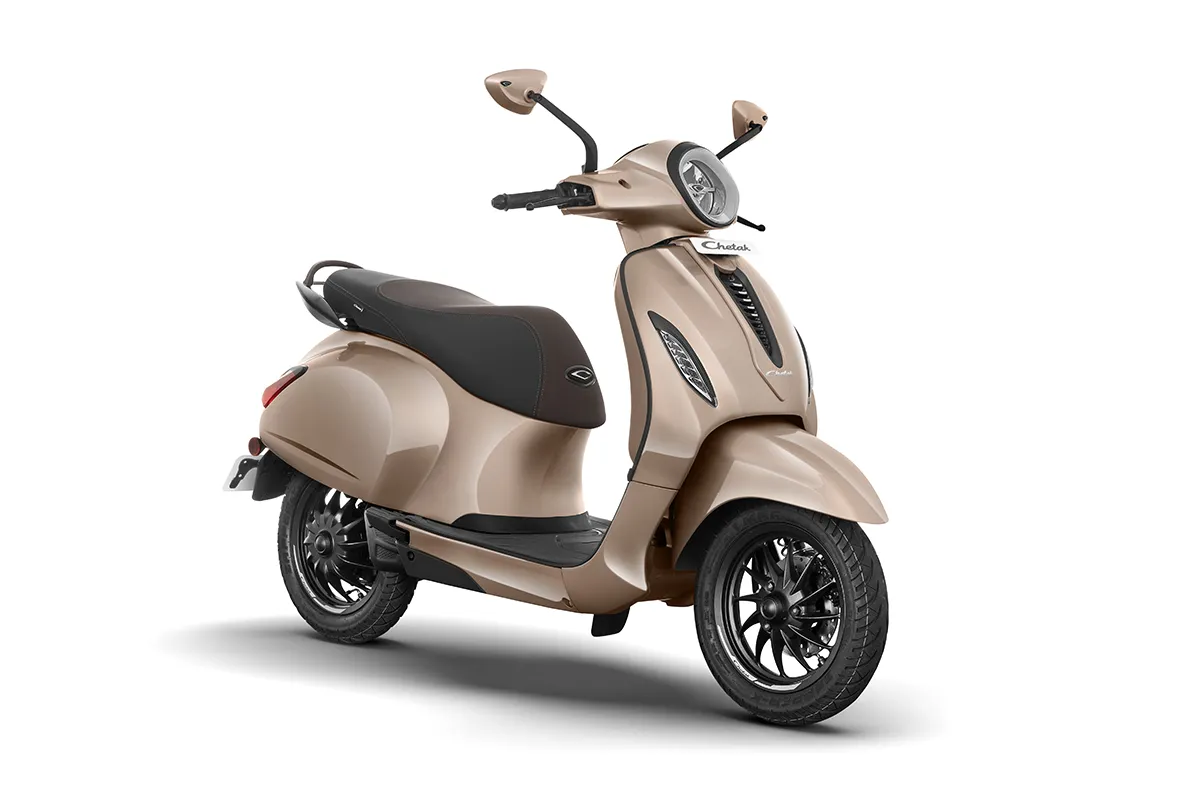
For example, the Bajaj Chetak C3501 with its 3.5 kWh battery is better suited for riders who travel longer distances regularly, as it reduces the need for frequent charging.
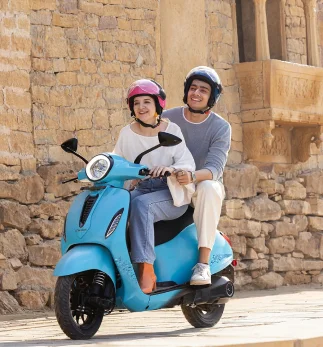
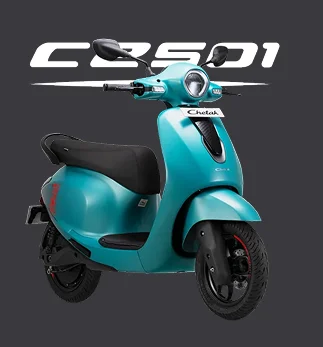
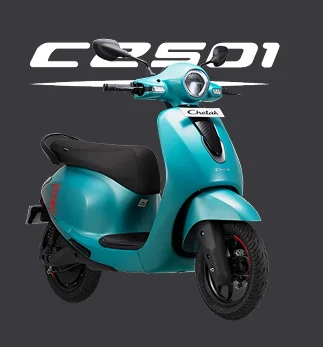
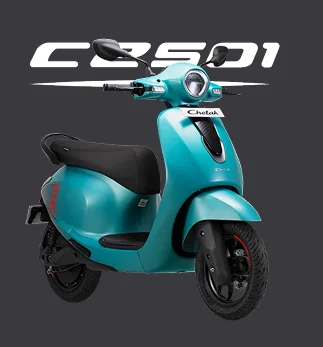
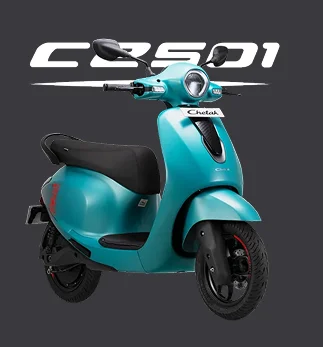
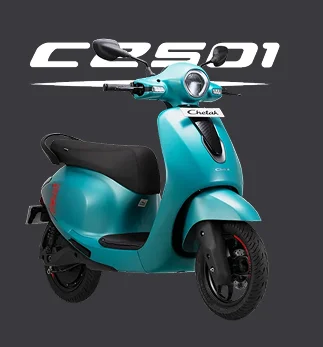
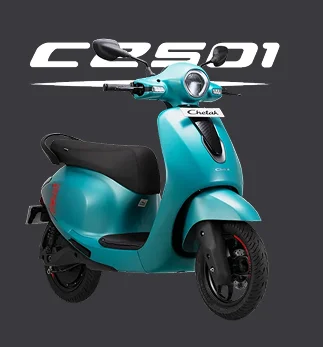
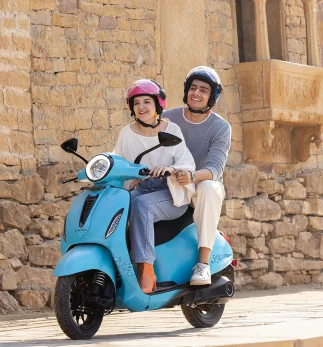
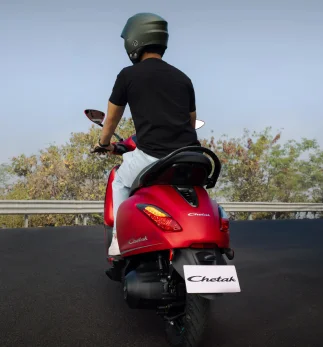
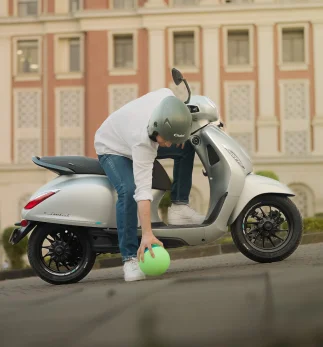
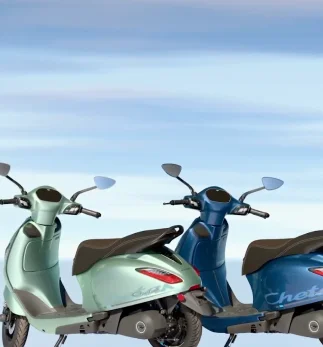
The Bajaj Chetak C2501, with a 2.5 kWh battery, is more practical for short city commutes where daily distance is limited and charging access is easy.
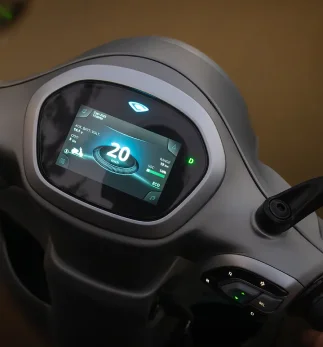
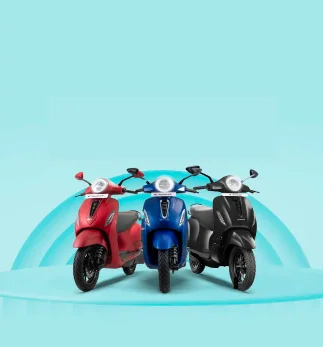
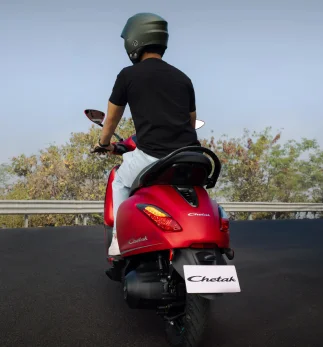
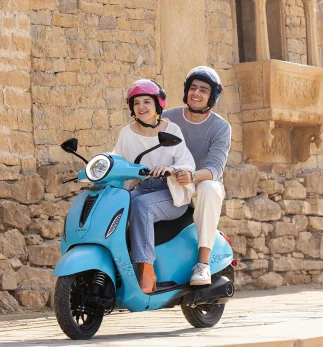
In between these usage styles, the Bajaj Chetak C3503 offers a balanced 3.5 kWh setup that supports both everyday travel and occasional longer rides. Matching battery capacity to your actual usage helps reduce unnecessary strain and supports healthier e-scooter battery life in the long run.
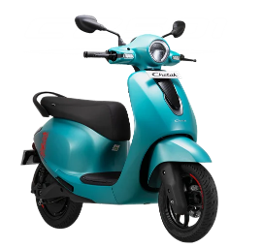
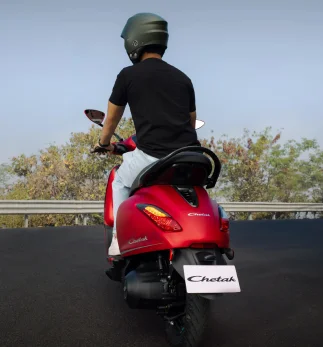
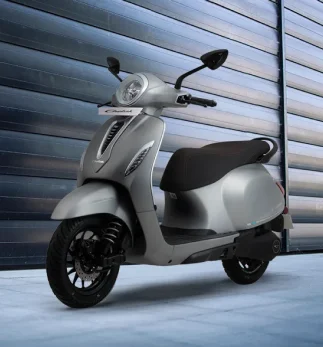
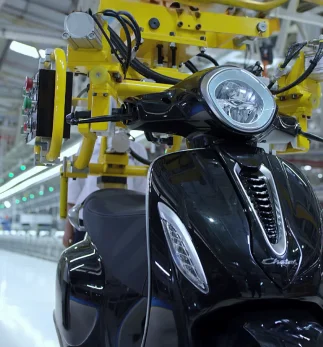
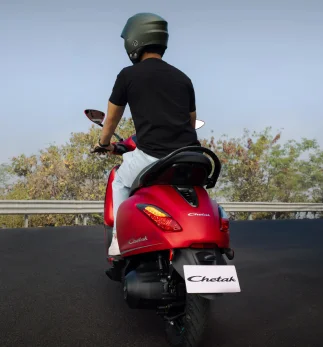
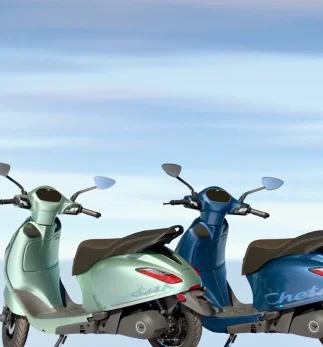
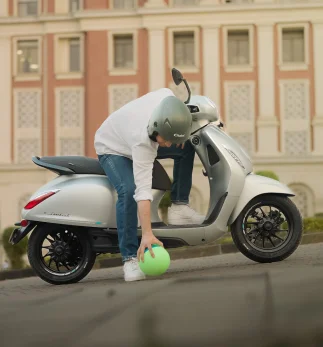
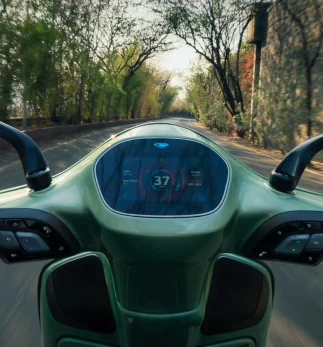
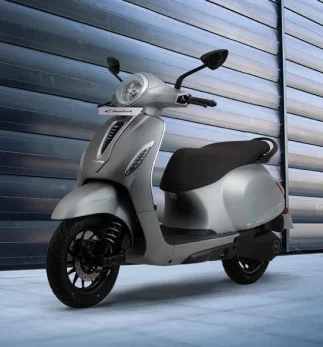
Bajaj Chetak C2501
2. Follow Smart Charging Practices Every Time
Charging habits have a direct impact on how well a battery performs over time. Allowing the battery to drain completely on a regular basis can stress the cells and gradually reduce efficiency.
On the other hand, overcharging or keeping it plugged in for longer than required can also affect long-term performance. It is better to charge the scooter before the battery drops too low and unplug it once it reaches full charge. Using only the manufacturer-recommended charger ensures stable power delivery and protects internal components.
Keeping the charging port clean and dry also prevents unnecessary electrical issues. These simple steps help maintain stable e-scooter battery life and improve consistency in daily use.
3. Ride Smoothly to Reduce Battery Strain
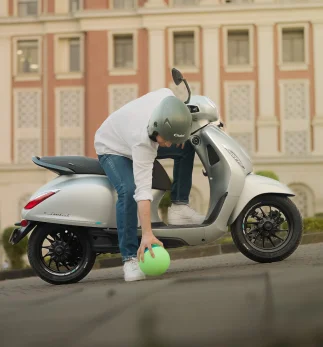
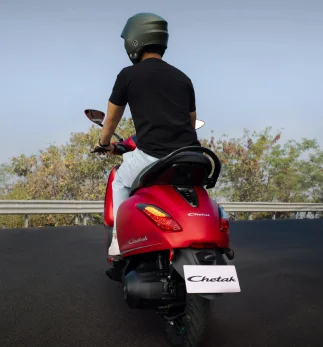
Riding style plays a major role in energy consumption. Quick acceleration, sudden braking, and frequent high-speed riding force the battery to deliver more power in short bursts, which increases overall load.
A smoother riding approach helps reduce unnecessary energy usage. Gradual acceleration, steady cruising speeds, and controlled braking all contribute to more efficient power use.
Carrying heavy loads or riding on steep gradients regularly can also increase battery demand. Over time, these small adjustments help preserve e-scooter battery life and ensure more predictable range.

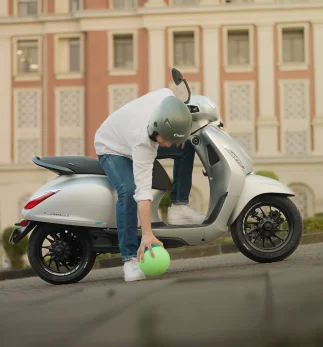
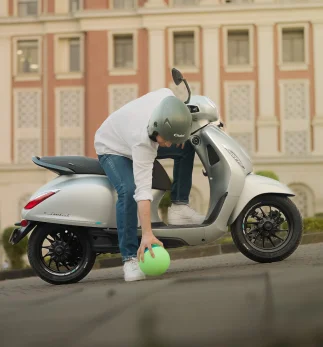
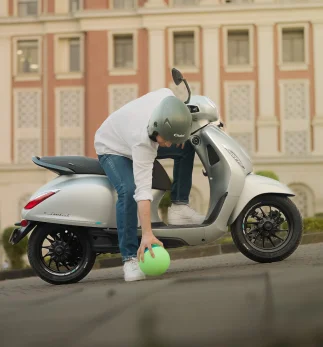
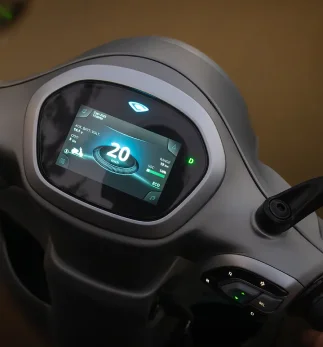
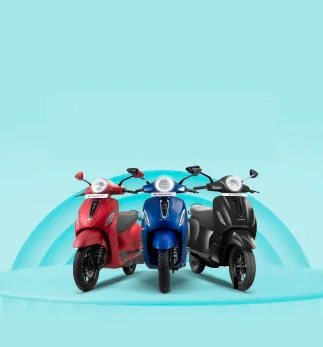
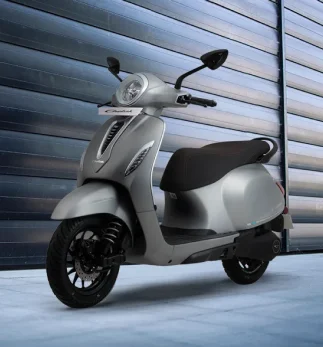
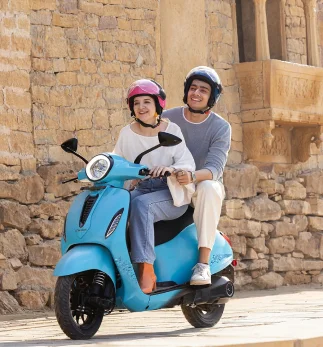
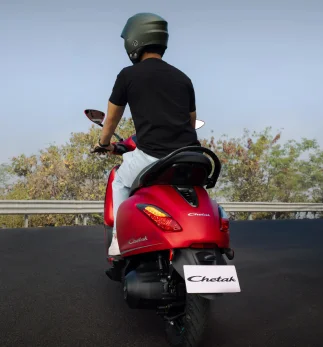
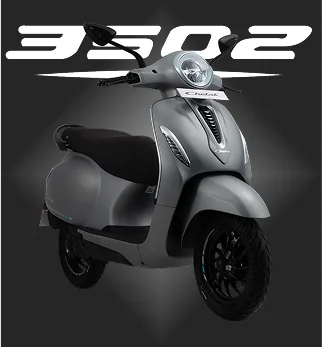
Bajaj Chetak C3501
4. Protect the Battery from Extreme Temperatures
Temperature conditions have a noticeable effect on battery performance. High heat can increase internal stress, while very cold weather may temporarily reduce range and slow down performance.
To protect the battery, it is best to park the scooter in shaded or covered areas, especially during hot weather. Avoid leaving it exposed to direct sunlight for long periods.
During extended periods of non-use, maintaining a moderate charge level rather than letting it fully discharge helps preserve battery health. These precautions contribute to better e-scooter battery life and long-term stability.
5. Keep Your E-scooter Well-maintained
Regular maintenance ensures that all systems supporting the battery function efficiently. Even though electric scooters have fewer moving parts, periodic checks are still important for performance and safety.
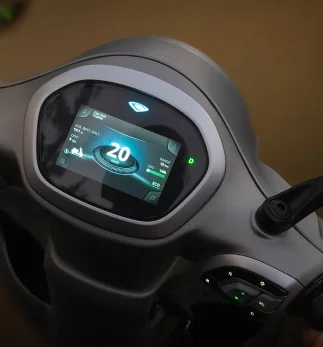
Inspecting electrical connections, updating software, and ensuring proper tyre pressure all help reduce unnecessary load on the battery. Poor tyre pressure, for instance, increases rolling resistance, forcing the battery to work harder.
Routine servicing also helps identify small issues before they affect performance. Consistent maintenance plays a key role in supporting reliable e-scooter battery life over time.

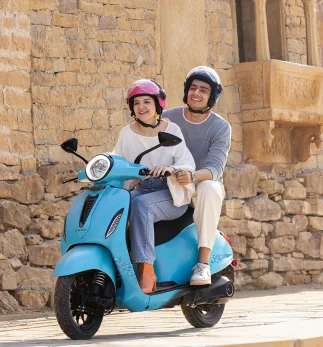
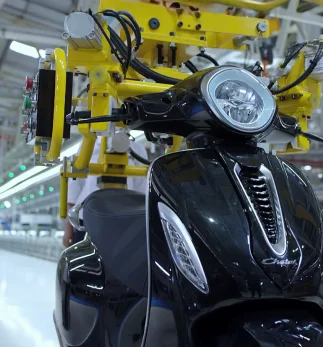
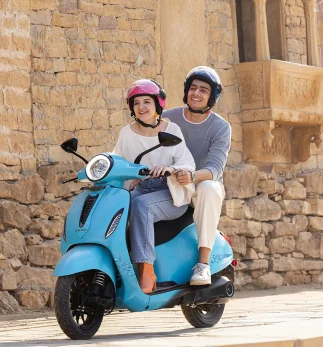
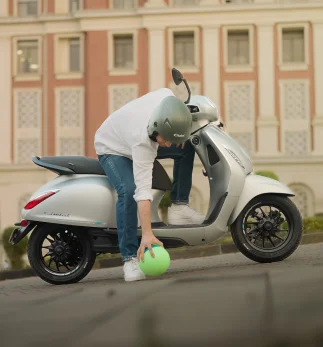
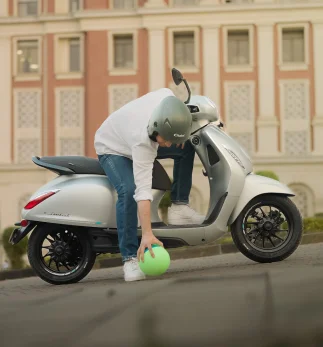
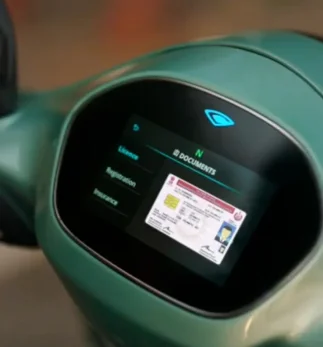
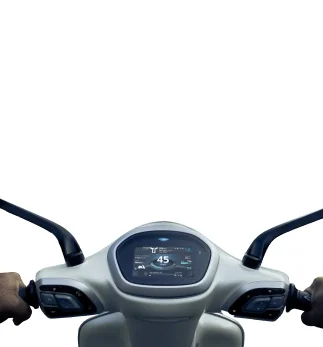
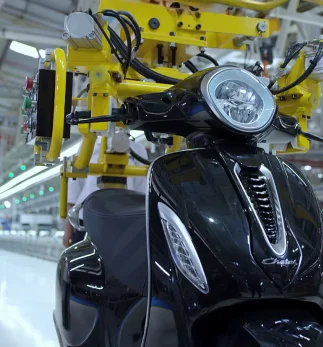
Bajaj Chetak C3503
Extend Your E-scooter Battery Life with the Right Habits
Long-term battery performance depends on a combination of smart usage, proper charging, and regular care. Choosing the right capacity, riding efficiently, and protecting the scooter from extreme conditions all contribute to improved efficiency.
Different battery capacities are designed to suit varying riding needs, and selecting the right one can significantly influence overall riding experience and day-to-day performance. Practical usage choices ensure smoother operation, better range consistency, and reduced strain on the battery system over time.
Consistent maintenance further enhances reliability, helping all components work in harmony and supporting steady output across usage cycles.
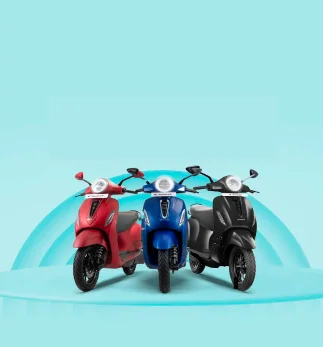
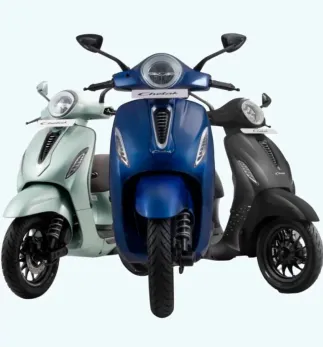
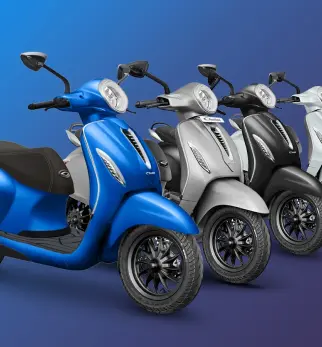
Ready to ride smarter? Discover the Bajaj Chetak range and choose the model that keeps you moving with confidence, comfort, and consistent performance.
Recent Articles
What Affects the Electric Scooter Tyre Price?
Know More
BLDC Motor Electric Scooter Technology Explained for First-time EV Buyers
Know More
7 EV Tyre Checks Every Electric Scooter Owner Should Know
Know More
3 Features That Make Electric Scooters for Adults Better for Daily Riding
Know More
How to Find a 100 km+ Range Electric Scooter That Fits Your Routine
Know More