
 Back
Back
Last Updated: Jun 05 2026, 11:30 AM IST
Electric Scooter Resale Value and the Factors That Influence Long-term Returns




Electric mobility is now part of everyday transport planning in many cities. Buyers are no longer focused only on upfront cost or features. They are also thinking about how a vehicle performs across its full lifecycle. This includes how well it holds value when it is time to sell or upgrade.
This shift has made long-term ownership analysis more important. The electric scooter resale value is now seen as a key measure of total cost efficiency rather than a secondary concern.
Understanding what drives future pricing helps buyers make more stable and practical decisions. It also reduces uncertainty when comparing different models. Let's break down the main factors that shape long-term resale outcomes.
Key Factors That Shape Electric Scooter Resale Value Over Time
Resale outcomes are influenced by usage trends, product engineering, and long-term market confidence. Each factor affects how future buyers evaluate reliability, cost, and everyday usability.
1. Market Adoption and Secondary Buyer Confidence
Wider market adoption plays a strong role in shaping demand in the used segment. When more riders use a similar type of scooter, familiarity increases across the market.
This directly supports electric scooter resale value because buyers feel more secure choosing a model they recognise. Higher adoption also improves availability of spare parts and service support. These factors reduce ownership risk for second-hand buyers.
In many cases, strong adoption helps stabilise electric scooter resale value even as newer models enter the market. It also supports better liquidity, meaning faster resale cycles and more consistent pricing trends.
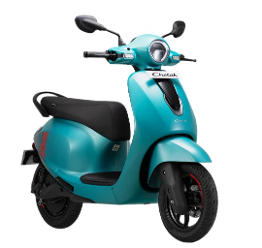
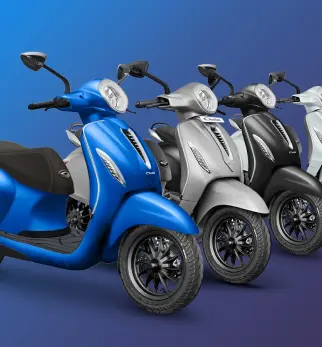
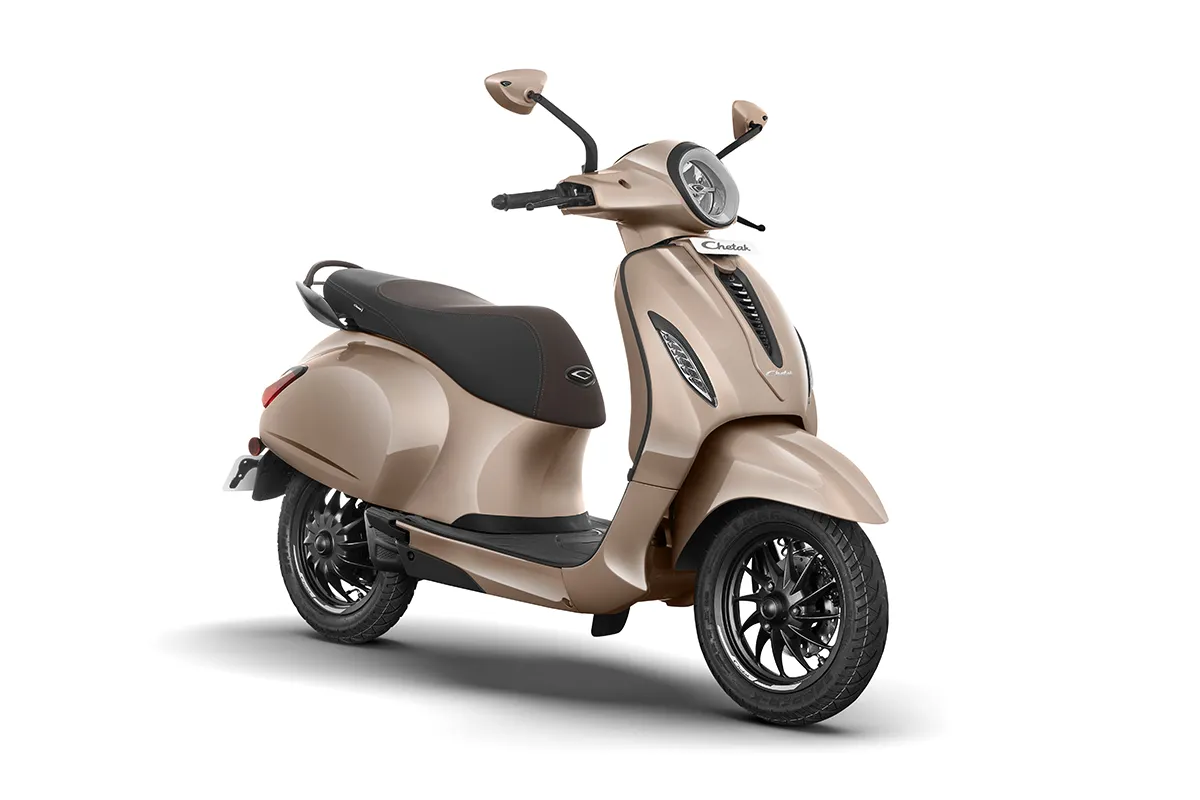
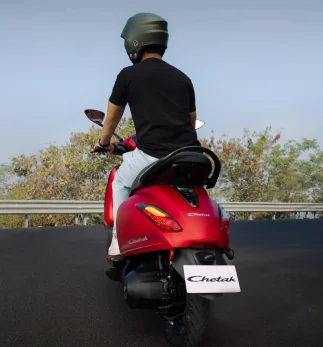
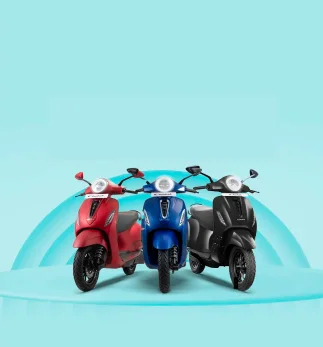
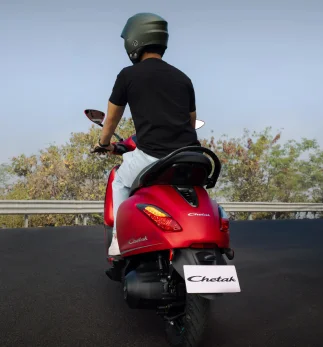
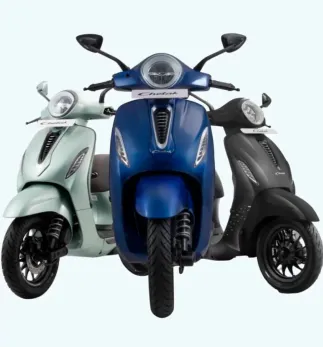
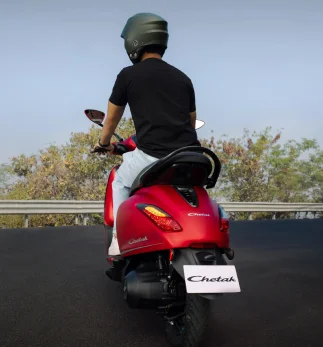
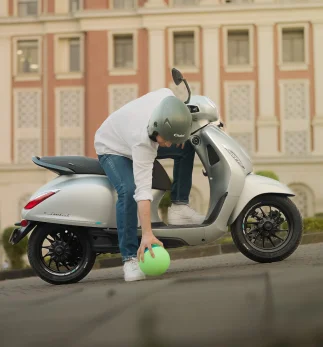
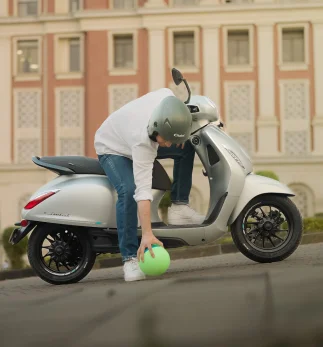
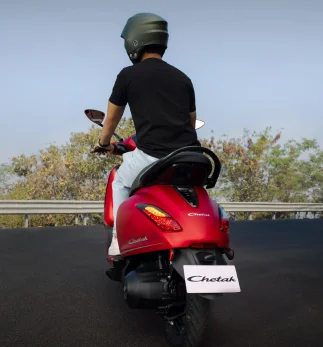
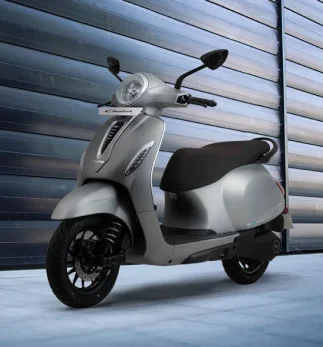
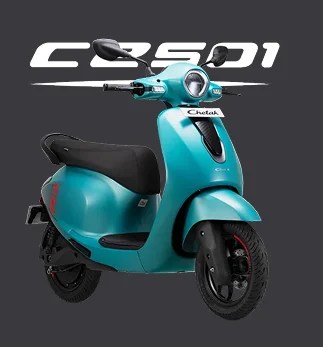
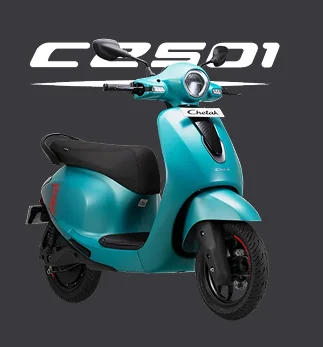
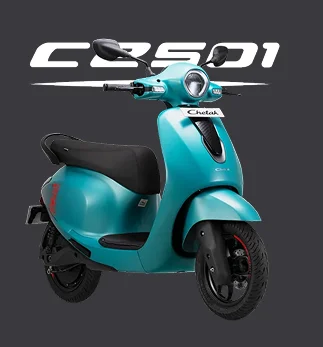
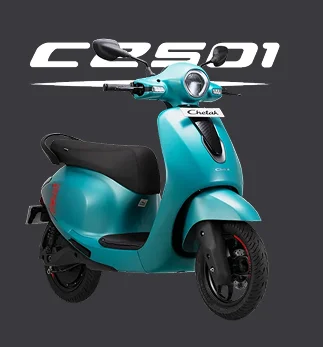
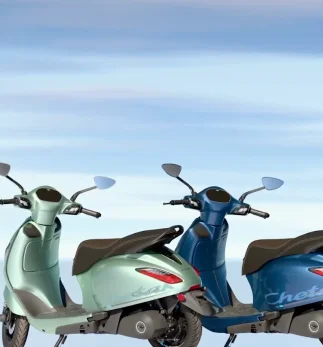
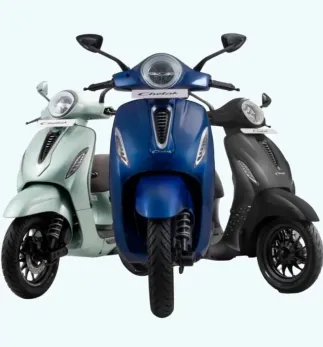
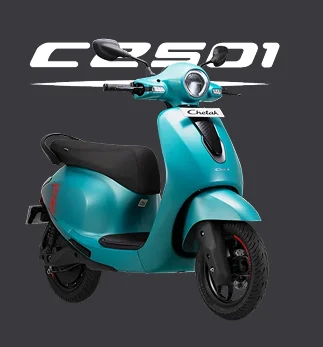
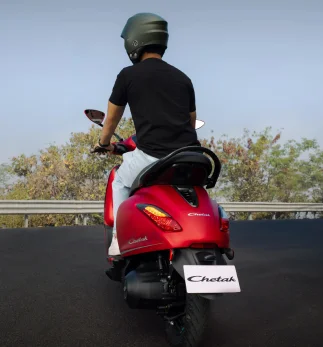
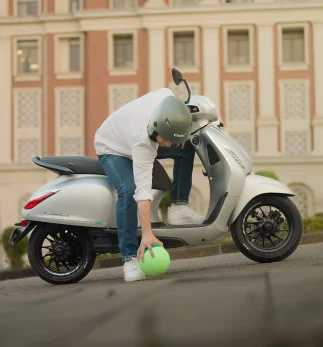
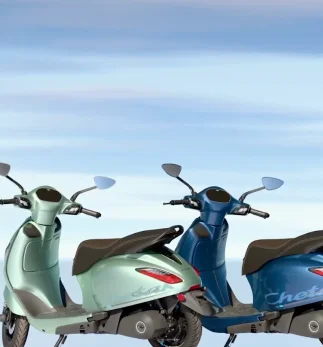
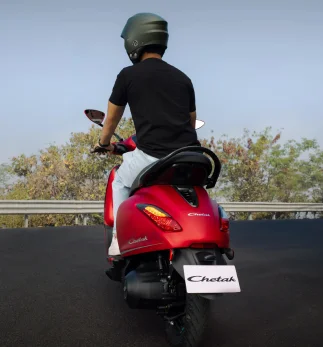
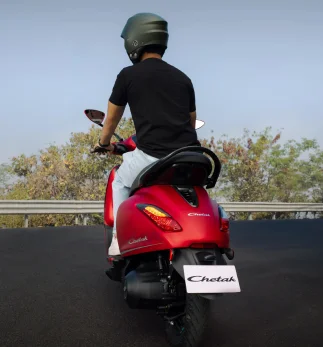
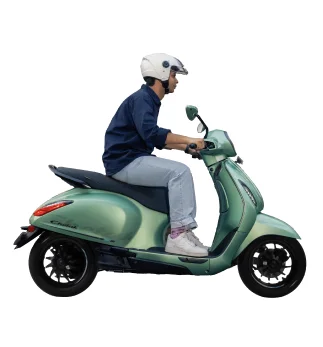
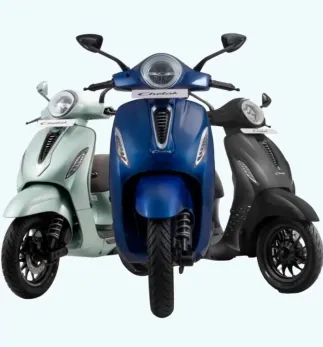
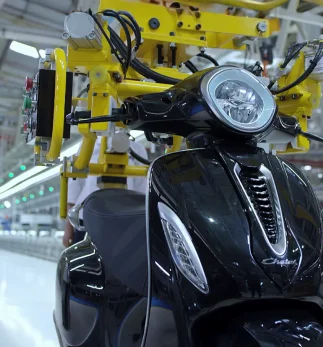
Bajaj Chetak C2501
Image Source: Bajaj
2. Battery Design and Long-term Stability
Battery performance is one of the most important evaluation points in resale decisions. Buyers closely examine degradation patterns and expected remaining life.
Modern battery systems with better thermal control and improved chemistry help reduce long-term uncertainty. This has a direct effect on the electric scooter resale value because it lowers expected replacement concerns.
A stable battery system often leads to stronger buyer confidence. It also helps maintain pricing consistency across older models. In practical terms, electric scooter resale value remains higher when battery health is easier to predict and verify.
3. Real-world Range and Everyday Usability
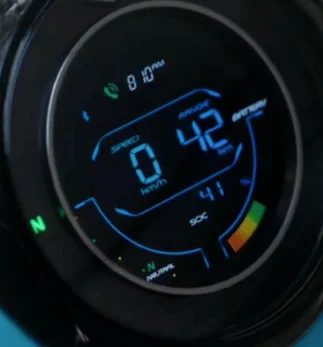
Range is not only a specification but a usability factor. It determines how practical the scooter remains over time for daily commuting needs.
Scooters that maintain consistent real-world range tend to stay relevant longer in the used market. This supports electric scooter resale value because buyers prioritise dependable daily performance over maximum advertised figures.
When a scooter can reliably cover urban travel distances, it reduces hesitation in resale decisions. This keeps the electric scooter resale value stable even as usage patterns evolve in cities.
4. Connected Features and Digital Functionality
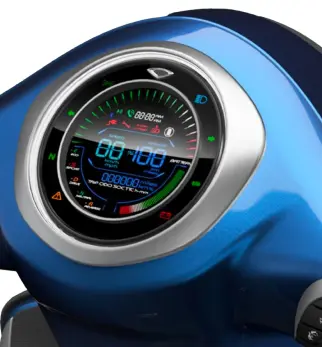
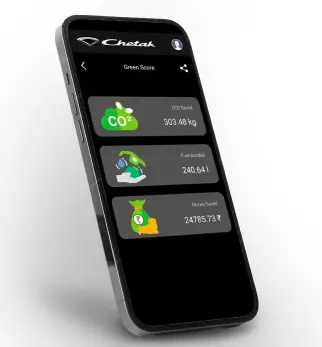
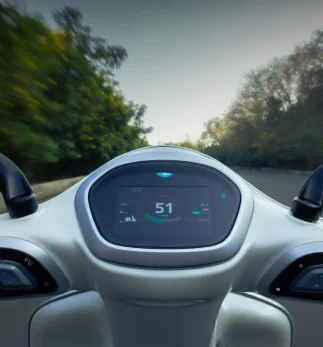
Digital systems are becoming part of modern mobility expectations. Features such as ride data tracking, diagnostics, and system updates influence buyer perception.
While these features may not always directly set pricing, they improve perceived value. This can support electric scooter resale value by making older models feel more modern and usable.
Connected systems also help with maintenance tracking. This transparency increases trust in second-hand transactions. As a result, electric scooter resale value benefits from clearer ownership data and improved user experience.
5. Charging Infrastructure and Ownership Convenience
Charging access plays a supporting role in long-term resale outcomes. As infrastructure expands, ownership becomes easier for future buyers. It also reduces planning effort for daily commuting and long-distance use.
Better charging availability reduces concerns about usability in different locations. This helps strengthen the electric scooter resale value by expanding the pool of potential buyers. Riders feel more confident when they know charging options are not limited to specific areas.
In many cities, improved charging networks also support flexible route planning. This adds practical comfort for both new and second-hand users. It makes ownership feel less restrictive over time.
When charging points are widely available, second-hand scooters become more practical to own. This improves market confidence and supports stable electric scooter resale value across different regions. It also encourages smoother resale decisions in the long term.
Bajaj Chetak Range and Electric Scooter Resale Value
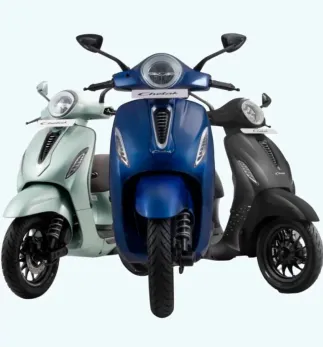
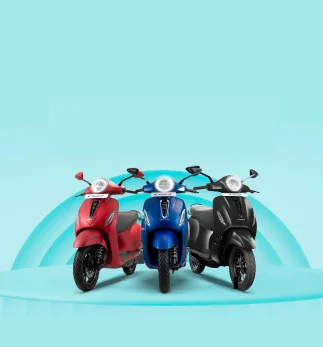
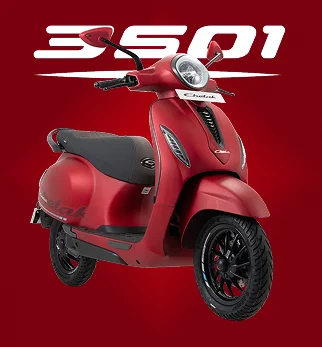
Bajaj Chetak scooters are often evaluated not just for performance, but also for their long-term electric scooter resale value, which reflects how well a model retains demand over time. The Chetak 3501 stands out in this category with its 3.5 kWh battery delivering up to 153 km range, making it practical for sustained urban use.
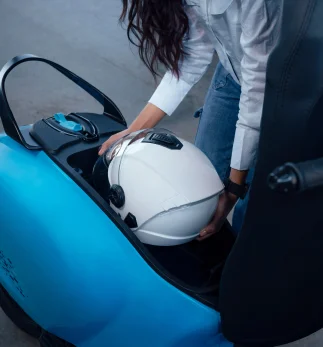
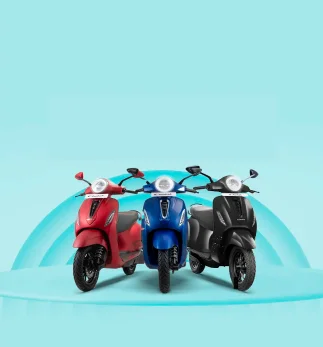
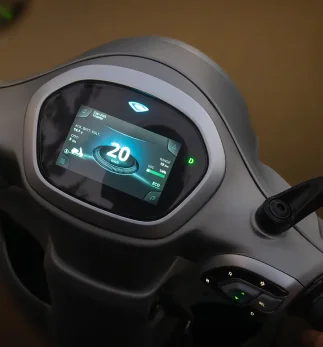
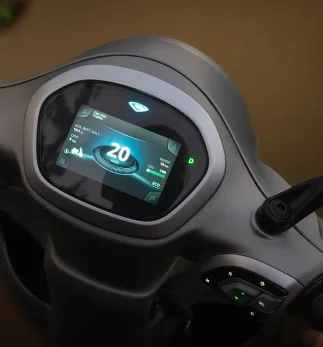
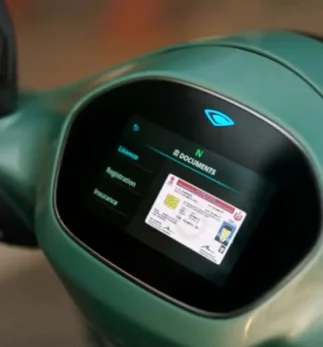
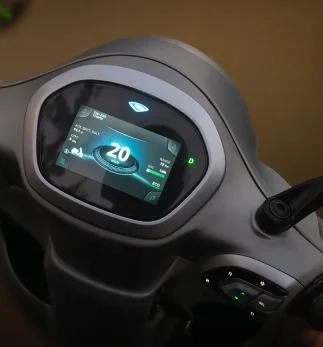
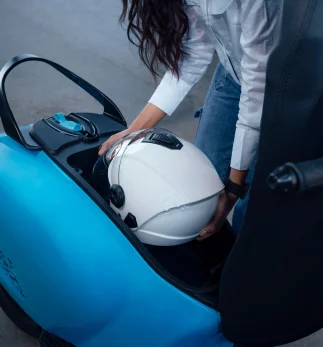
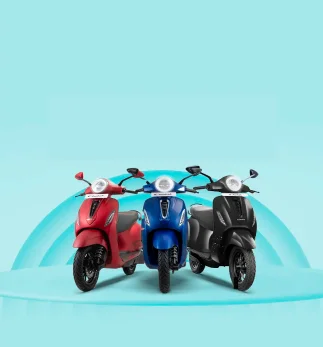
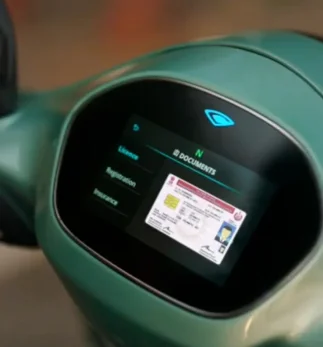
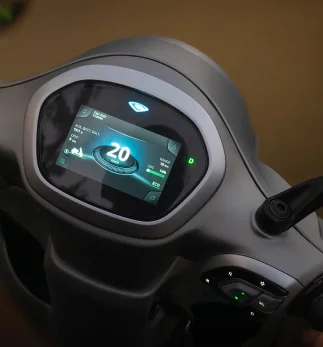
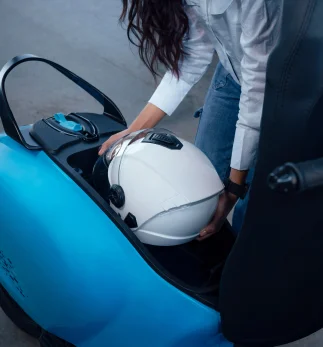
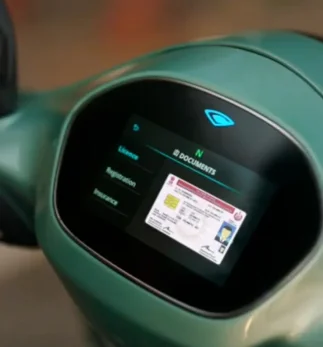
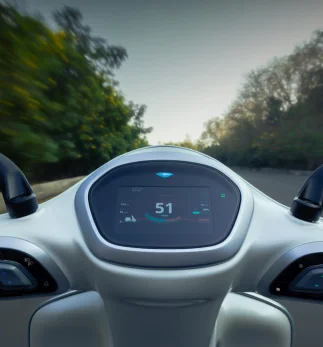
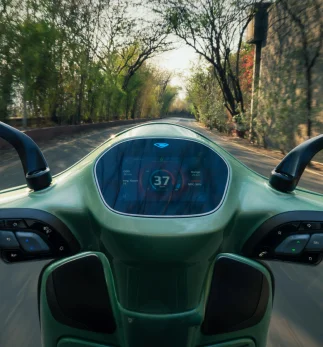
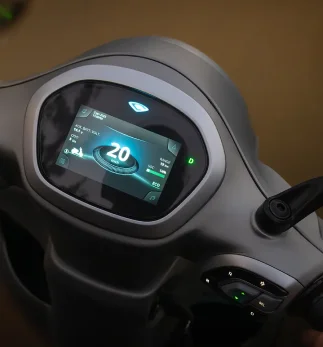
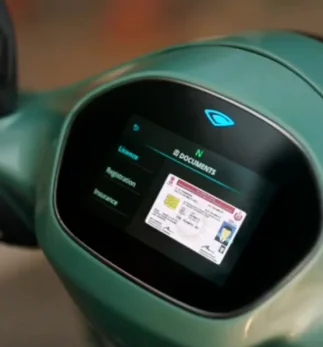
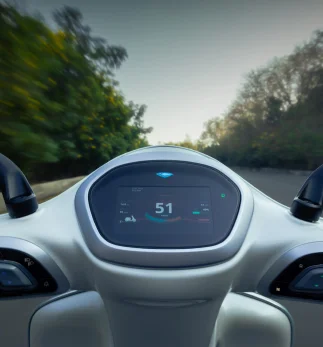
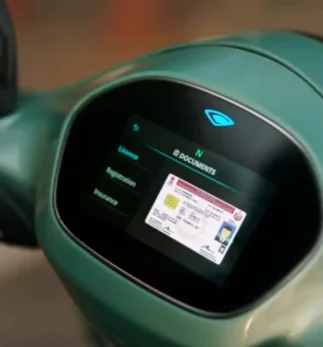
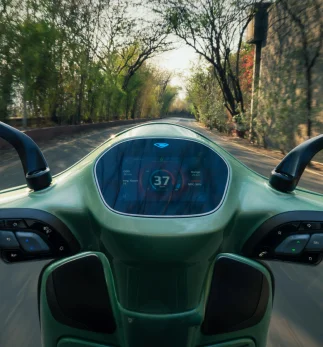
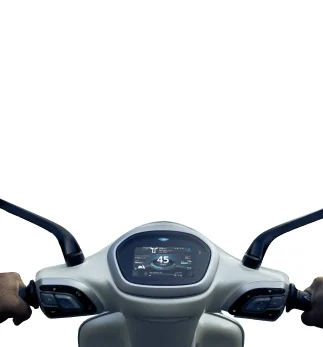
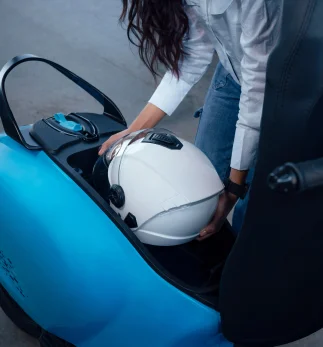
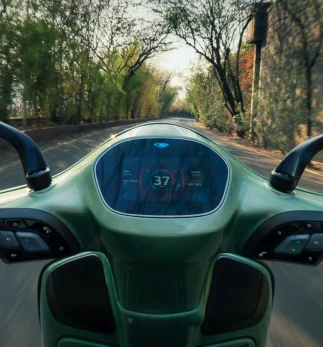
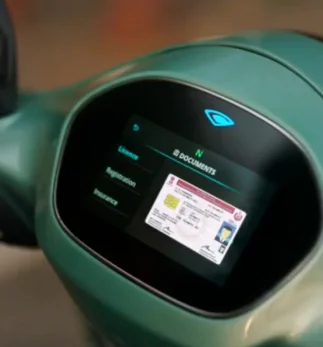
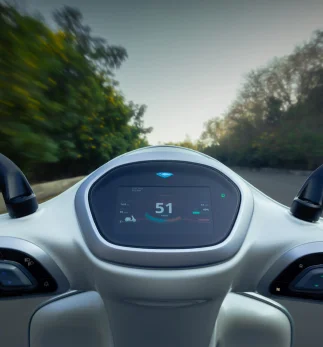
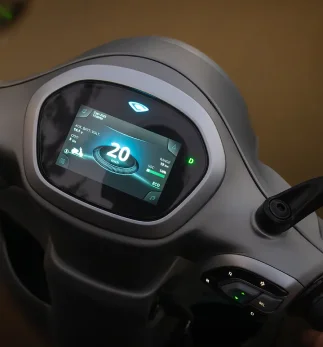
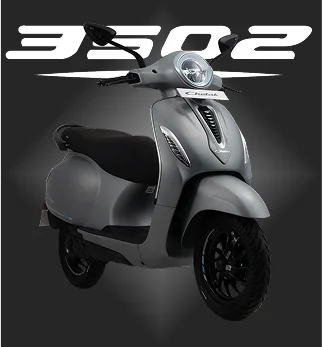
Its strong real-world usability is supported by features like Integrated Google Maps, a 35L boot space, touchscreen display, and connected document storage. A stable riding range, digital connectivity, and dependable battery design all contribute to stronger resale confidence. For buyers, the Chetak 3501 remains a balanced option that combines daily efficiency with long-term value retention, making it a smart reference point when evaluating electric scooter resale value across the range, including Chetak 3502, Chetak 3503, Chetak 3001, and Chetak C2501.
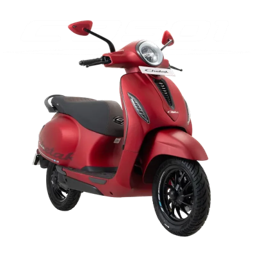
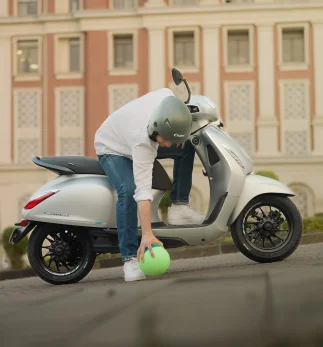
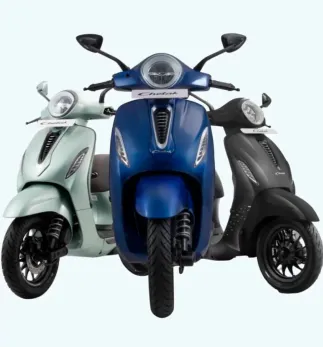
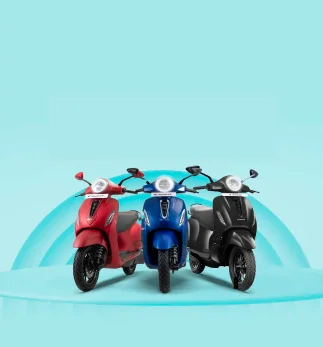
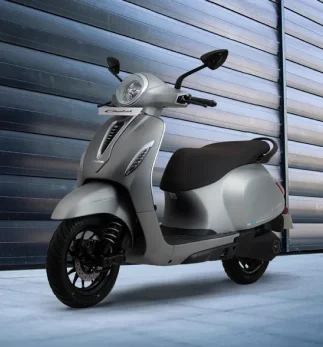
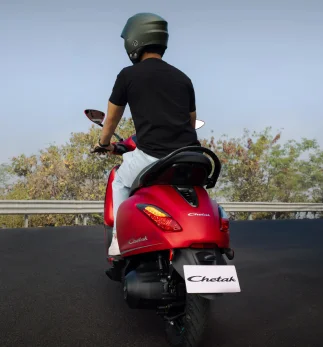
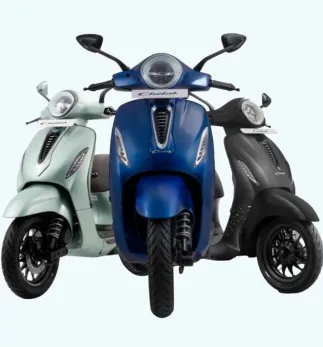
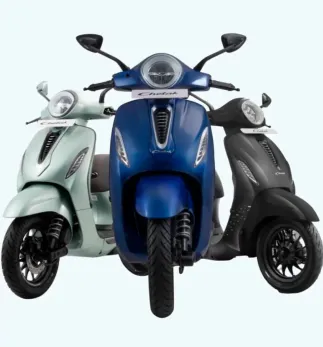
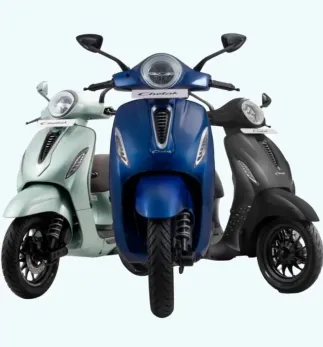
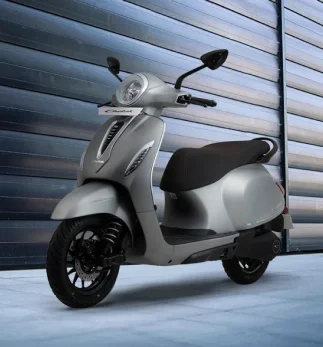
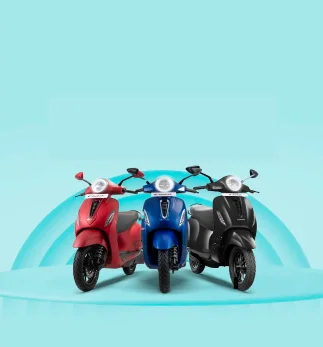
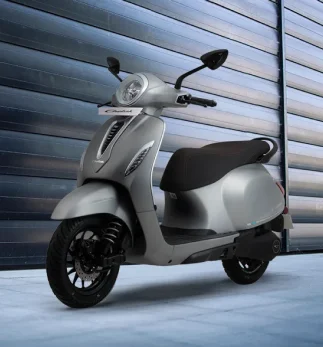
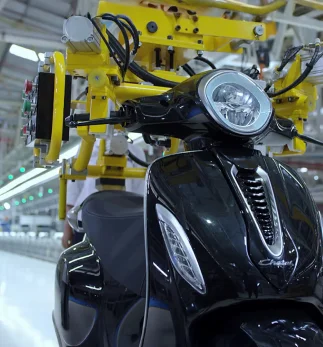
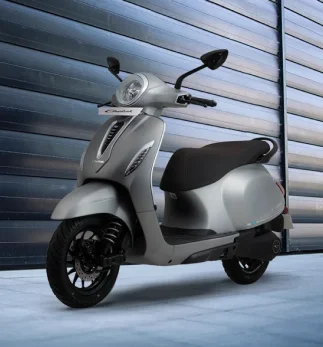
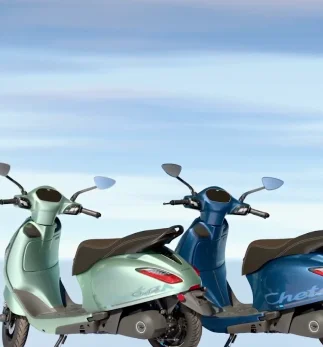
Bajaj Chetak C3501
Image Source: Bajaj
Building a Practical View of Long-term Value
Resale performance should be seen as part of the whole ownership journey, not as a separate result. It depends on technology, usage patterns, and market confidence, all of which shape long-term buyer interest.
The electric scooter resale value shows how well a model continues to meet real commuting needs over time. Battery reliability, adoption levels, usability, and infrastructure support all play a role in that outcome.
A structured evaluation helps buyers move beyond surface comparisons and focus on practical ownership costs. It also makes it easier to judge future demand.
Buyers can focus on real usage conditions instead of short-term trends. This helps them make more informed decisions. It also clarifies why some models hold stronger long-term appeal over time.
Recent Articles
How to Increase Electric Scooter Range With Smarter Riding Habits
Know More
Which Bajaj Chetak Models Offer the Best Combination of High Speed and Rider-Focused Features?
Know More
5 Features that Make an Electric Scooter for Hilly Areas More Practical
Know More
5 Electric Scooter Maintenance Habits that can Support Long-term Performance
Know More
How to Choose a High-Performance Electric Scooter for Daily Use
Know More





.webp)

















.webp)