
 Back
Back
Last Updated: May 21 2026, 16:30 PM IST
Non-RTO Electric Scooter Insurance: Coverage, Benefits, and Key Considerations




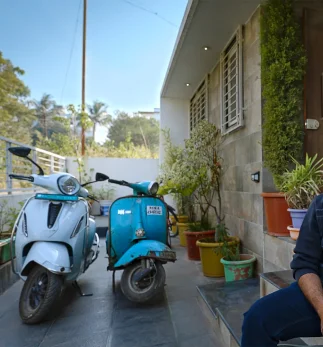
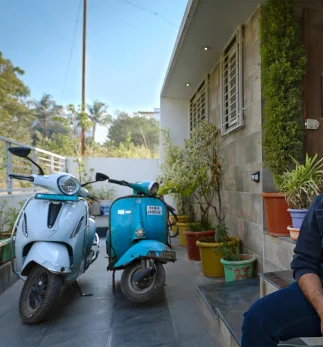
Many riders choose low-speed electric scooters for short local trips because they are simple, easy to handle, and convenient for everyday movement. Some of these scooters may fall under the non-RTO category when they meet specific speed and motor power limits.
However, no registration means no ownership risk. Theft, accidental damage, fire, electrical issues, and third-party incidents can still affect the rider. This is why many buyers look for insurance for non-RTO electric scooter models before using them regularly.
Insurance availability can vary by insurer, scooter category, invoice details, and policy terms. So, buyers should confirm coverage directly before assuming that every non-RTO scooter can be insured in the same way. Let’s look at what such insurance may cover, why it matters, and what buyers should check before choosing a policy.
Coverage Included in Insurance for Non-RTO Electric Scooter
Insurance coverage depends on the policy type, the insurer, the scooter specifications, and the documents provided by the buyer. The policy wording should clearly mention what is covered and what is excluded.
1. Third-party Liability Cover
Third-party liability cover helps manage claims if the scooter causes injury, property damage, or vehicle damage to another person. Even low-speed scooters can create such risks in housing societies, market lanes, parking areas, or narrow roads.
This cover may not be offered in the same way for every non-RTO scooter. The insurer may ask for invoice details, product specifications, and proof of ownership before issuing appropriate coverage.
2. Own Damage Cover
Own damage cover protects the scooter if it is damaged due to an accident, fall, impact, or collision. This may include repair support for panels, lights, wheels, controller units, or other covered parts.
The exact claim amount depends on the policy conditions. Depreciation, repair limits, exclusions, and claim documents should be reviewed before buying the policy.
3. Theft Cover
Theft cover helps reduce financial loss if the scooter is stolen. This can be useful for riders who park their scooter outside homes, colleges, offices, shops, or public spaces.
For such claims, insurers may ask for the purchase invoice, proof of ownership, a police complaint, and the scooter's identification details. Keeping documents organised can make this process smoother.
4. Fire and Electrical Damage
Electric scooters use batteries, wiring, chargers, motors, and controllers. Fire, short circuits, or electrical damage can affect these parts and increase repair costs.
Some policies may include fire-related damage but exclude battery failure, charger misuse, or careless charging. The policy document should be read carefully before relying on this cover.
5. Natural Calamity Cover
Some comprehensive policies may cover damage from floods, storms, earthquakes, and similar events. This can matter in places where waterlogging is common during monsoon months.
Since electric scooters have sensitive electrical components, riders should review the policy's coverage of water damage, flood exposure, and battery-related claims.
6. Personal Accident Cover
Personal accident cover can provide support to the rider in the event of accidental injury, disability, or death. The coverage amount, eligibility, and claim conditions vary by insurer. This cover should be checked separately, as not all non-RTO scooter policies automatically include it.
Benefits of Buying Insurance for Non-RTO Electric Scooters
Buying insurance for non-RTO electric scooter models can make ownership more secure and organised. It helps riders prepare for practical risks that may arise during everyday use.
1. Reduces Sudden Repair Costs
Repair costs can feel heavy when damage involves the motor, battery, charger, controller, tyres, or display unit. A suitable policy can reduce the financial burden after a covered incident. This helps riders manage unexpected expenses without disturbing their monthly budget.
2. Protects the Scooter’s Value
A non-RTO scooter may not need registration, but it can still carry good purchase value. Theft, fire, or major accidental damage can make replacement expensive. Insurance helps protect that value when the loss is covered under the policy.
3. Supports Everyday Riding Confidence
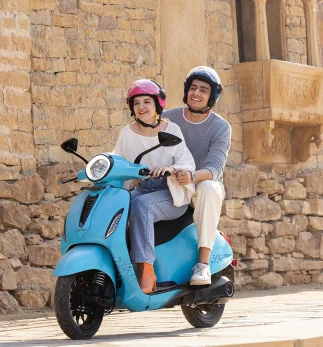
Low-speed scooters are often used for errands, short commutes, campus travel, or neighbourhood rides. These trips may look simple, but they still involve traffic, parking risks, and road damage. Insurance provides riders with added support when using the scooter regularly.
4. Makes Ownership Documentation Easier
Insurance encourages buyers to keep invoices, warranty papers, charger details, and proof of ownership in one place. These records can help during claims, repairs, service visits, or resale discussions. Clear documentation also helps confirm the scooter’s category and ownership history.
5. Helps Riders Prepare for Local Risks
Non-RTO scooters are often used in crowded lanes, societies, markets, and short-distance routes. Even at low speeds, minor incidents can happen. A suitable policy helps riders prepare for such real-world situations with better clarity.
Key Considerations Before Buying Insurance
Before buying insurance for non-RTO electric scooter models, the scooter category should be verified carefully. Not every electric scooter is automatically non-RTO.
1. Check Speed and Motor Power
Non-RTO electric scooters usually fall within the low-speed category. The scooter’s top speed and motor power should match the applicable limits for non-registration. If a scooter exceeds those limits, it may require registration, a number plate, licence compliance, and mandatory insurance.
2. Do not Confuse Non-RTO Scooters With Registered Electric Scooters
Some electric scooters are often searched alongside non-RTO queries, but they may belong to the registered two-wheeler category. This distinction is important because insurance and compliance rules change with vehicle classification.
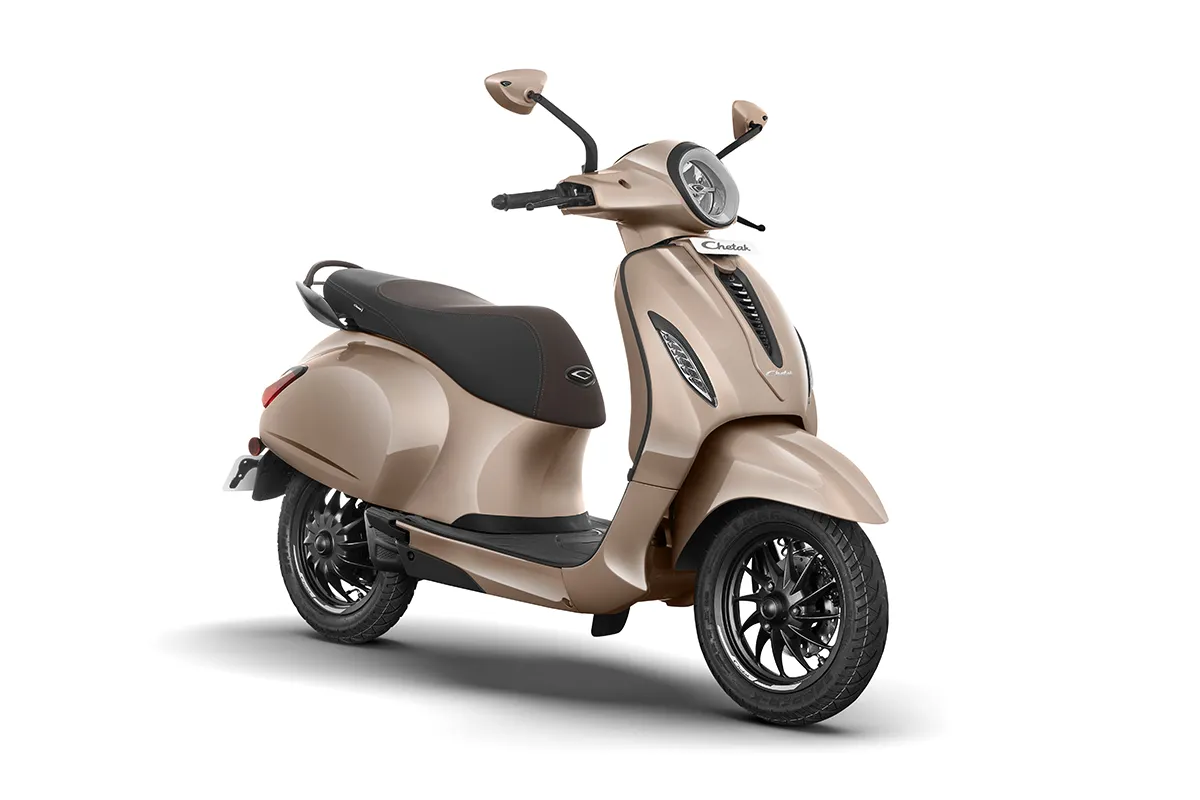
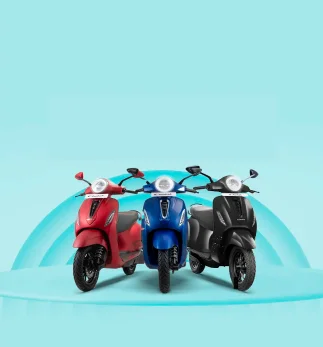
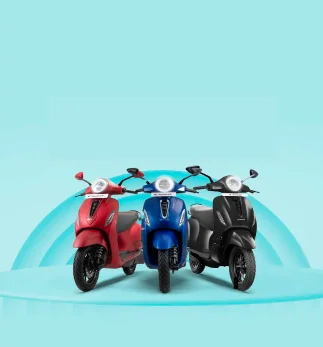
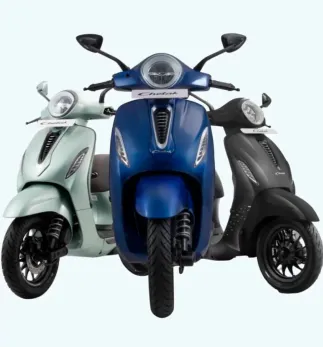
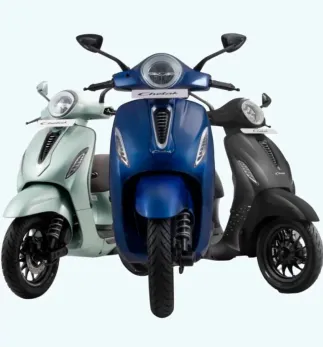
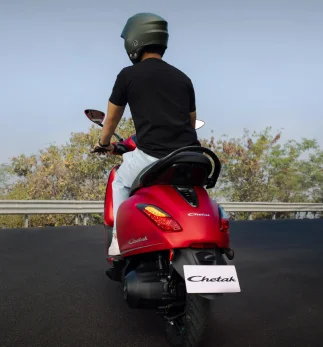
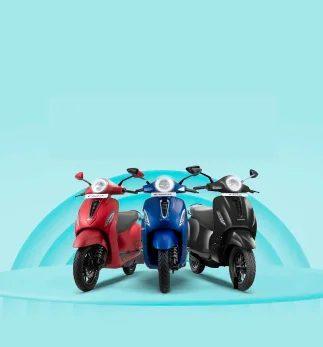
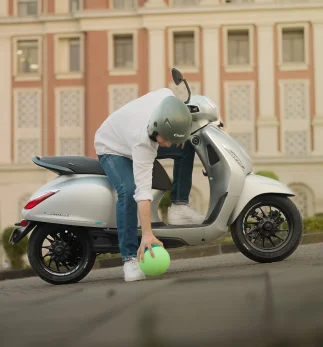
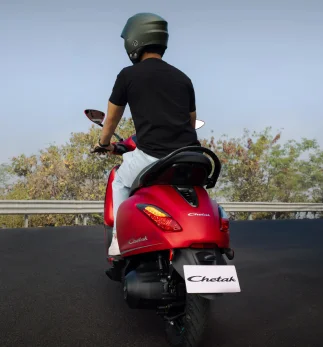
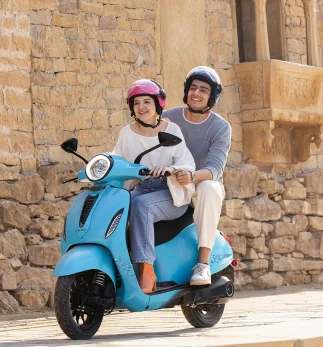
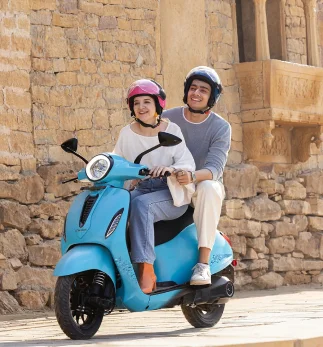
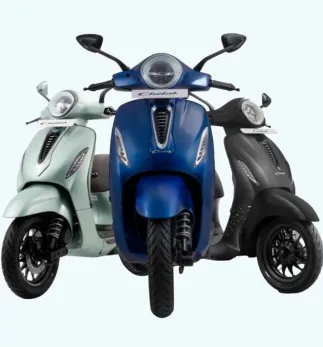
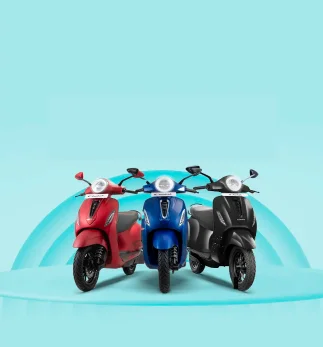
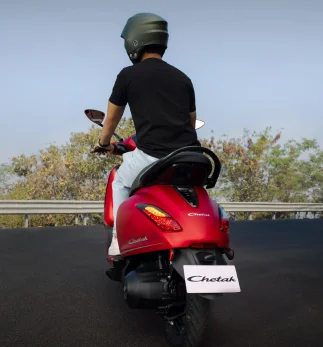
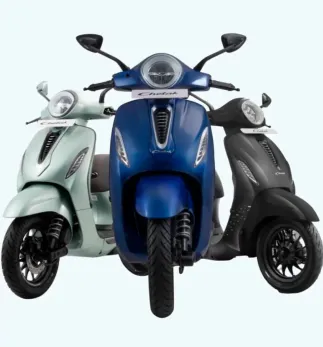
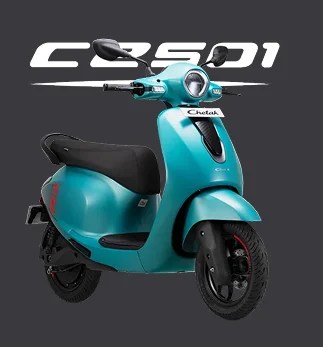
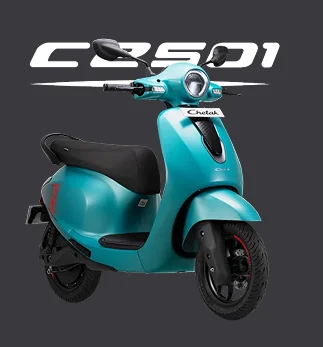
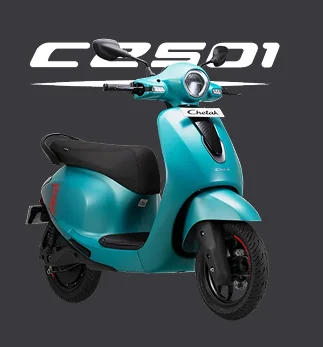
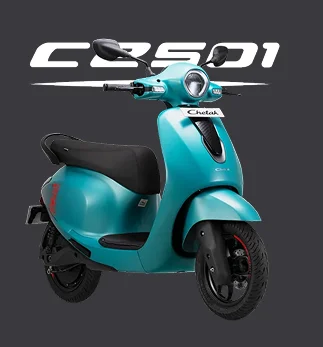
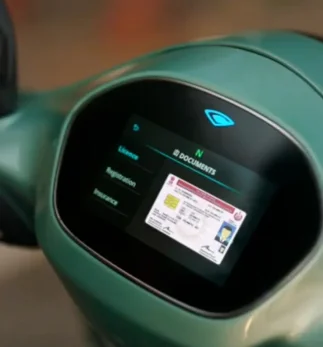
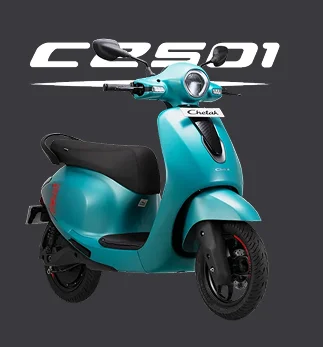
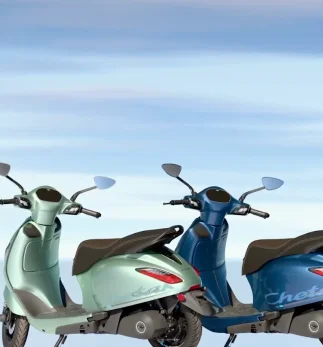
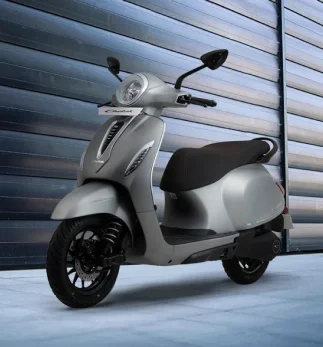
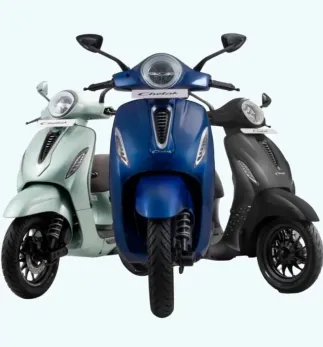
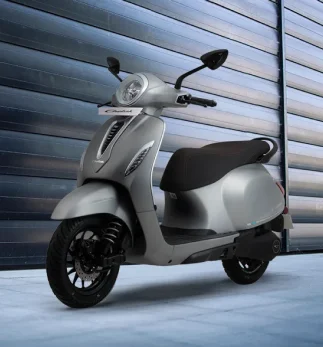
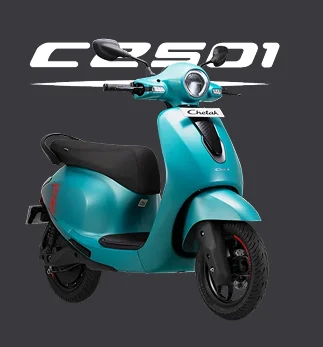
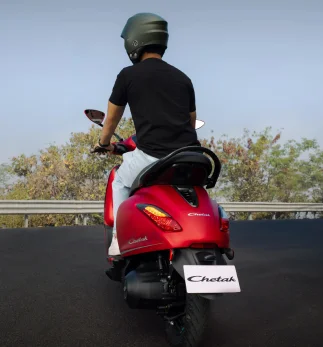
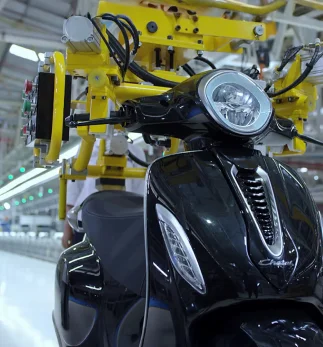
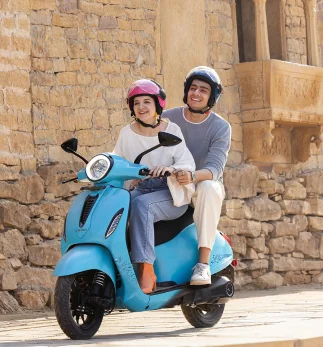
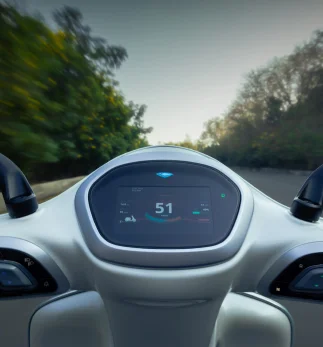
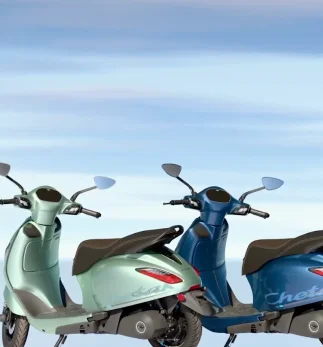
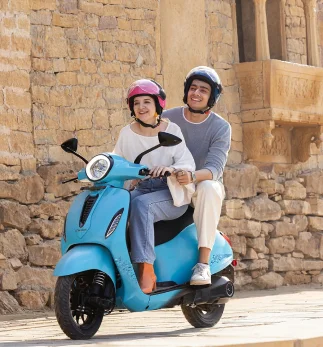
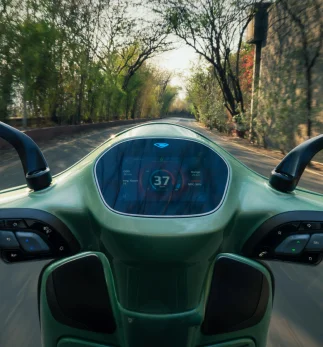
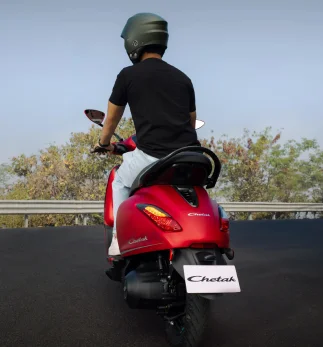
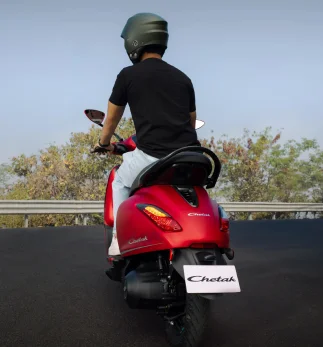
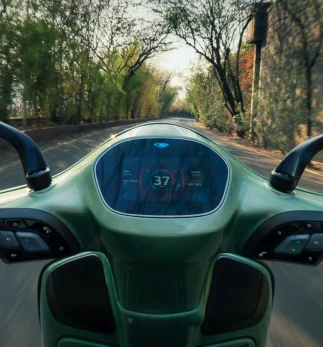
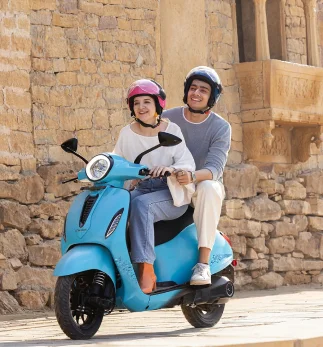
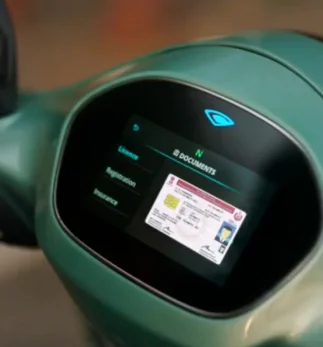
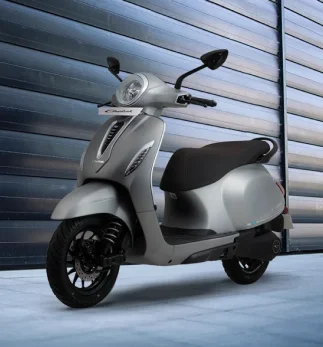
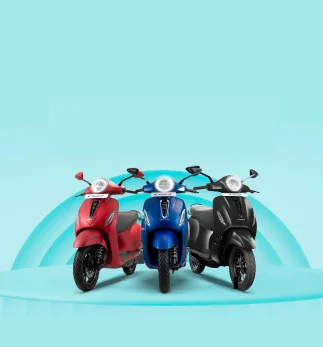
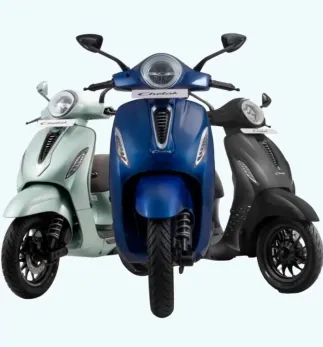
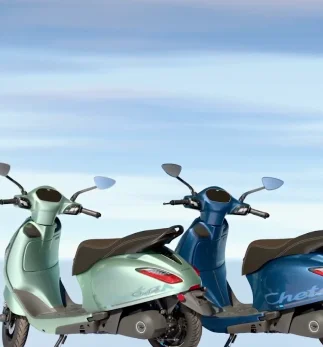
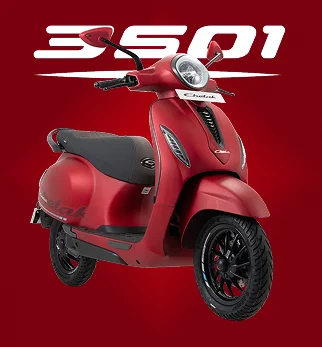
For example, models such as Bajaj Chetak C2501 are designed as registered electric two-wheelers for regular road use. They should not be treated as non-RTO scooters while checking insurance needs.
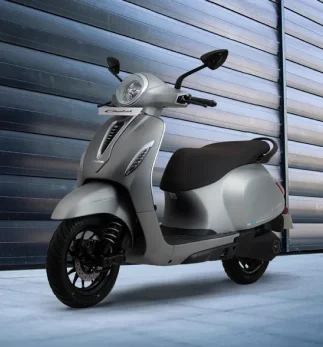
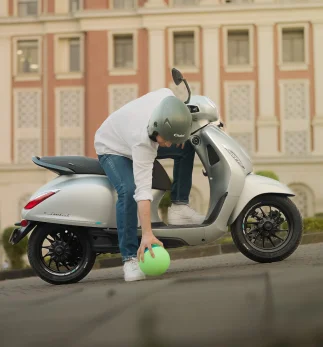
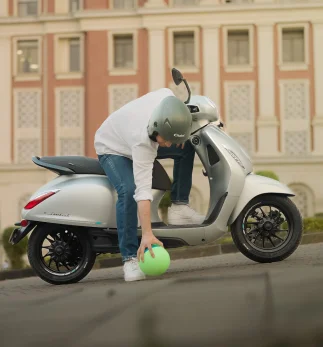
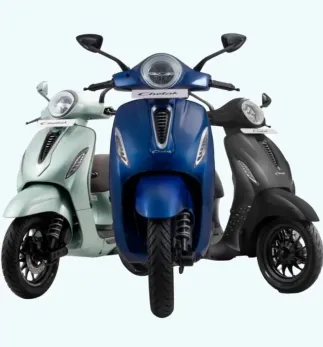
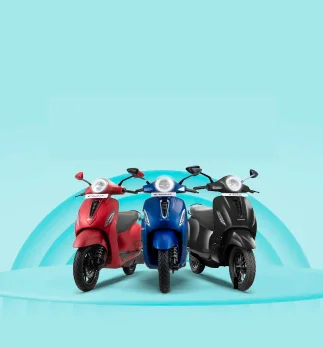
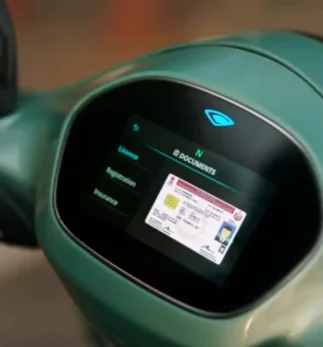
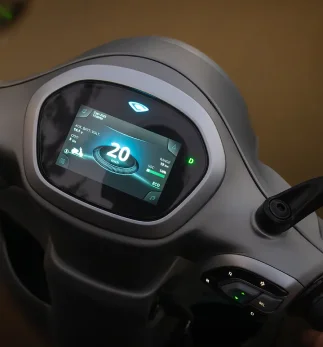
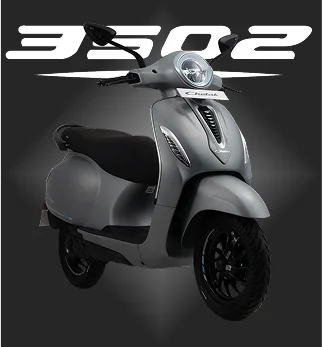
Similarly, the Bajaj Chetak C3502 falls under the category of registered electric scooters. Buyers comparing such models should follow regular registration, number plate, licence, and insurance requirements.
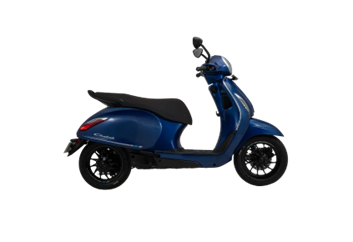
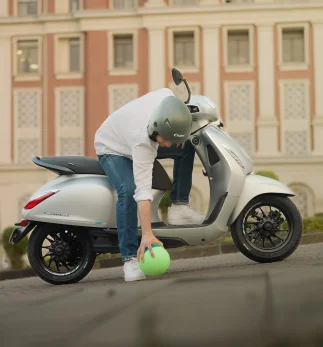
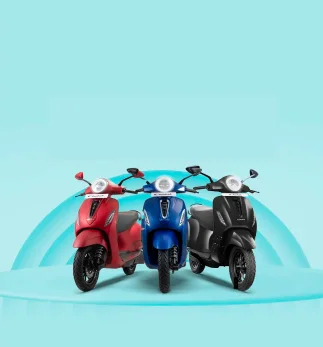
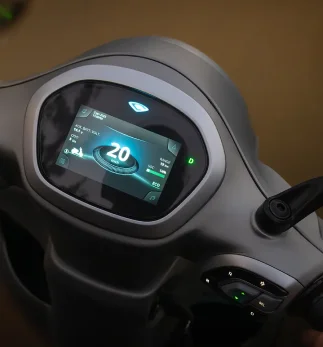
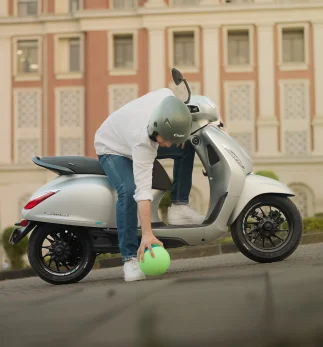
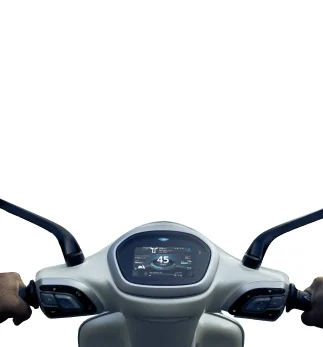
Bajaj Chetak C3502
3. Review the Policy Exclusions
Every policy has exclusions. These may include normal wear and tear, mechanical breakdown, unauthorised modification, commercial use, careless charging, or damage caused by improper handling.
This detail matters because exclusions decide when a claim may be rejected. Reading them before purchase helps avoid confusion later.
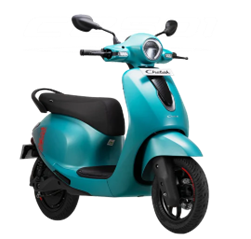
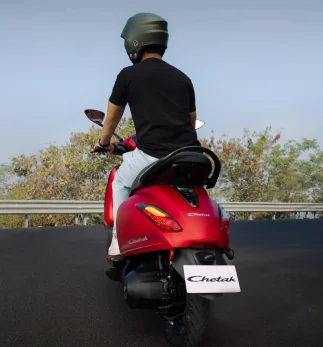
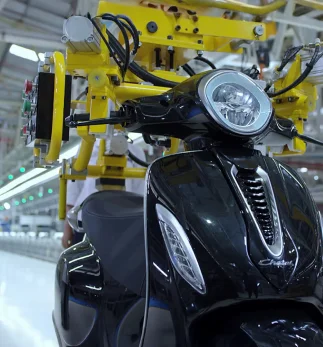
Bajaj Chetak C2501
4. Confirm Battery and Charger Terms
Battery and charger-related repairs can be expensive. The policy should clearly mention how it treats battery damage, charger damage, wiring issues, short circuits, and water exposure.
This is especially important for riders living in areas with heavy rain, open parking, or frequent waterlogging.
5. Keep Purchase Documents Ready
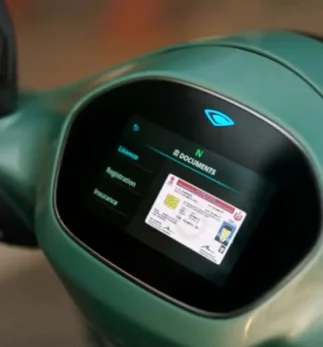
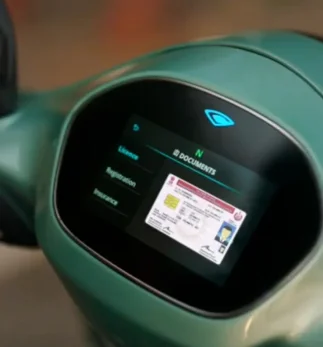
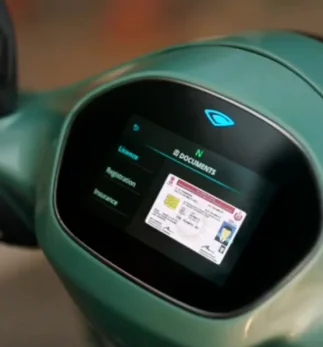
Insurers may ask for the purchase invoice, ownership proof, chassis number, motor number, and product specifications. These documents help confirm the scooter’s identity and category. Having these records ready can make policy issuance and claim processing easier.
6. Look Beyond the Premium
A lower premium may look attractive, but it may come with limited coverage. Riders should compare coverage limits, exclusions, claim process, repair support, add-ons, and insurer service quality.
This helps them choose practical protection rather than selecting insurance solely by price.
Plan Your Electric Scooter Insurance With Better Clarity
Buying insurance for a non-RTO scooter starts with one important step: confirm the scooter’s actual category. Once that is clear, it becomes easier to understand what coverage is available and what documents may be needed.
A good policy should match the scooter’s usage, parking conditions, local risks, and repair needs. Riders should also review battery terms, theft cover, fire protection, and exclusions before paying the premium.
For registered electric scooters, the approach is different. Models such as the Bajaj Chetak C2501 and C3502 should comply with regular road-use requirements, including registration and mandatory insurance. Clear category verification helps buyers avoid confusion and choose protection that fits their scooter correctly.
Recent Articles
How to Increase Electric Scooter Range With Smarter Riding Habits
Know More
Which Bajaj Chetak Models Offer the Best Combination of High Speed and Rider-Focused Features?
Know More
5 Features that Make an Electric Scooter for Hilly Areas More Practical
Know More
5 Electric Scooter Maintenance Habits that can Support Long-term Performance
Know More
How to Choose a High-Performance Electric Scooter for Daily Use
Know More


.webp)