
 Back
Back
Last Updated: Feb 01 2026, 11:00 AM IST
Electric Scooter Charging Cost in India: Monthly Expense vs Petrol Scooters




Understanding the true cost of electric scooter charging is one of the biggest deciding factors for new buyers. With fuel prices rising, commuters are seeking predictable monthly expenses and a cleaner, simpler way to travel. Electric scooters deliver this through lower running costs, reduced maintenance, and more stable long-term planning. But many riders still wonder what it truly costs to charge a scooter every day, how much electricity it uses, and how this compares to petrol spending across the same distance. This guide offers a clear breakdown of electric scooter charging cost maths, monthly usage patterns, and everyday charging realities in Indian households, helping you make a confident, informed decision.
How Charging Cost Is Calculated for Electric Scooters
Charging cost is calculated using a simple formula:
Battery Capacity (kWh) × Electricity Rate (₹/unit) = Full Charge Cost
To understand this, consider a scooter with a 3.5 kWh battery and a home electricity tariff of ₹7 per unit.
The cost becomes:
3.5 kWh × ₹7 = ₹24.50 for a full charge
Electricity rates vary across states, but most residential tariffs range from ₹6 to ₹9 per unit. This range is still significantly cheaper than refilling petrol for daily travel.
Typical Charging Costs for the Average Rider
Electric scooters with batteries between 2.5 kWh and 3.5 kWh usually consume:
- ₹16–₹24 per full charge for 2.5 kWh
- ₹22–₹32 per full charge for 3.0–3.5 kWh
Most riders charge once every 2 to 3 days, depending on the distance. Even with daily charging, the electricity bill rarely rises beyond a modest monthly increase.
Electric Scooter Range vs Charging Cost
Many riders worry that lower charging costs mean lower range. But EV efficiency is designed to stretch battery output across typical city usage:
- Smooth acceleration
- Regenerative braking, where available
- Steady consumption in traffic
- No idling fuel burn
This makes real-world range extremely cost-efficient for daily routines like office commutes, school drops, and urban errands.
Monthly Charging Expense: Realistic Examples
Let’s assume an average daily travel of 25–30 km, which is common in Indian cities.
For a 3.5 kWh battery (approx. ₹25 per full charge):
- One full charge gives ~120–150 km
- Monthly distance: ~750 km
- Approx. charges needed: 6–7
- Monthly charging cost: ₹150–₹175
For a 2.5 kWh battery (approx. ₹16 per full charge):
- One full charge gives ~90–115 km
- Monthly charges: 7–8
- Monthly charging cost: ₹110–₹140
Even for riders travelling 1,000 km per month, the charging cost rarely crosses ₹250–₹300.
Comparing the Monthly Cost of Petrol Scooters
Petrol scooters receive around 40–50 km/litre in real-city conditions.
For the same 750 km per month, petrol expense becomes:
750 km ÷ 45 km/litre ≈ 16.6 litres
16.6 litres × ₹105 (average fuel price) = ₹1,743 per month
Monthly Comparison
| Type | Monthly Running Cost |
| Electric scooter | ₹150–₹300 |
| Petrol scooter | ₹1,500–₹1,800+ |
This means electric scooters save ₹1,200–₹1,500 every month, translating into ₹15,000–₹18,000 per year.
Home Charging vs Public Charging Costs
Home Charging
- Cheapest option
- Predictable tariffs
- Most EV riders charge overnight
- No additional convenience fee
Public Charging
- Slightly higher per-unit cost (₹12–₹18)
- Still more affordable than petrol
- Useful for emergency top-ups
- Designed more for long-distance EVs than scooters
Since electric scooters charge comfortably from any 5A/15A socket, home charging remains the primary choice for most riders.
Factors That Influence Charging Cost
Several conditions affect daily consumption and electricity use:
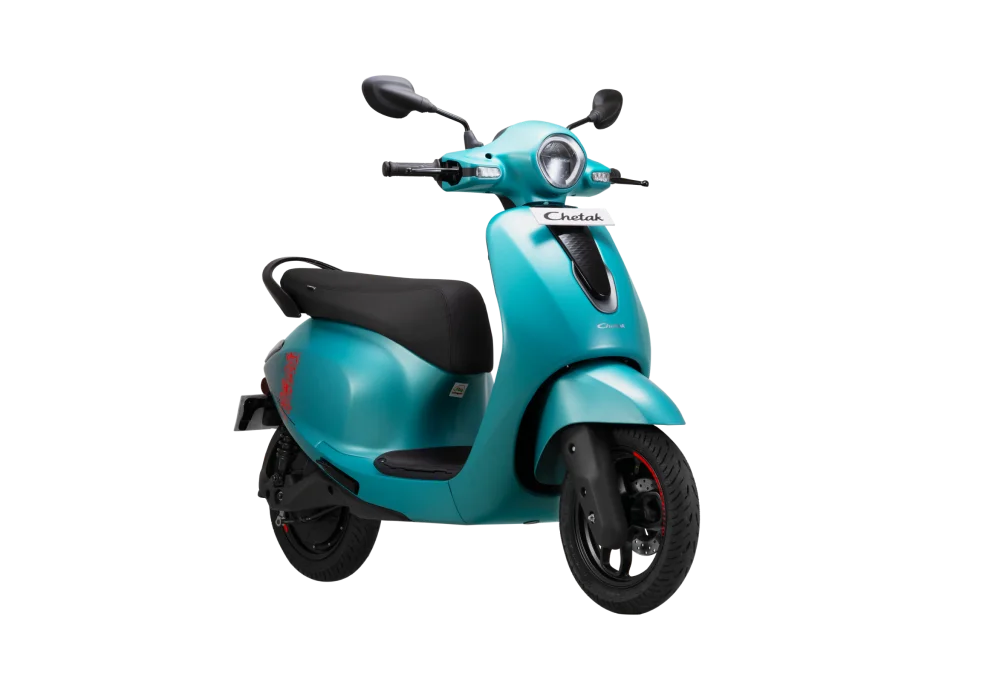
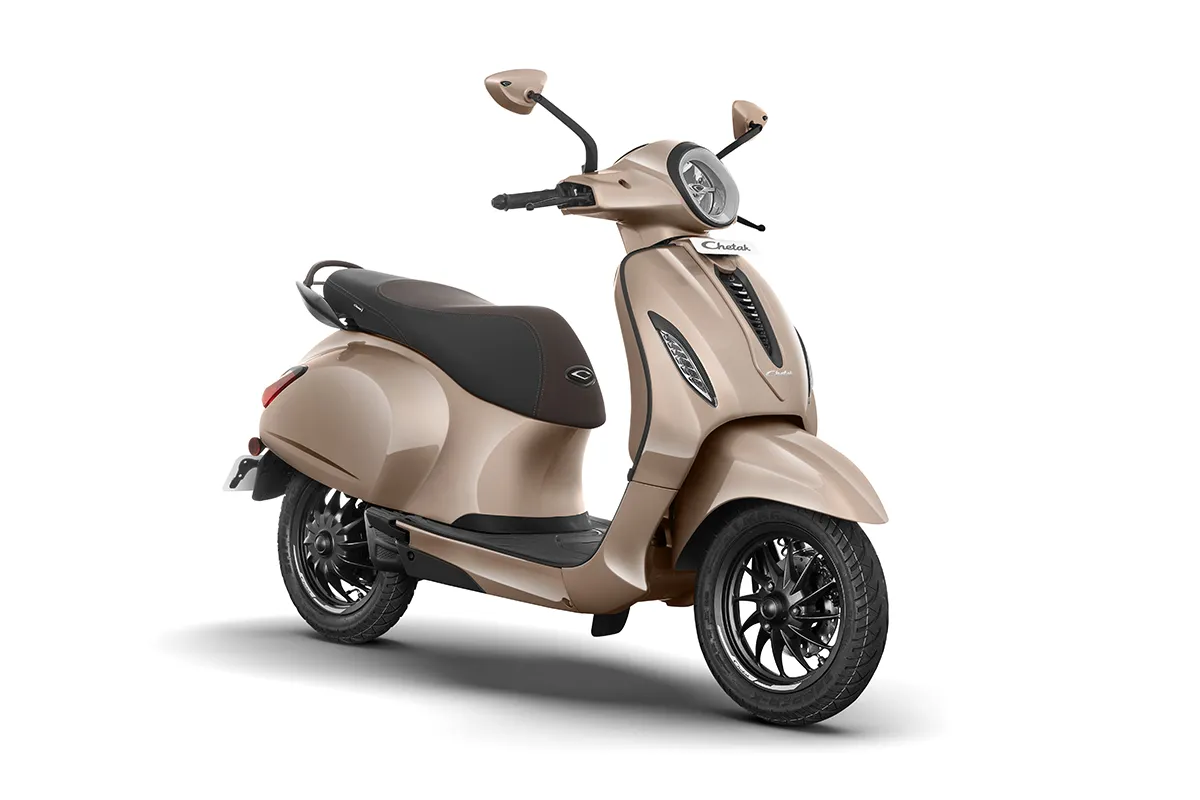
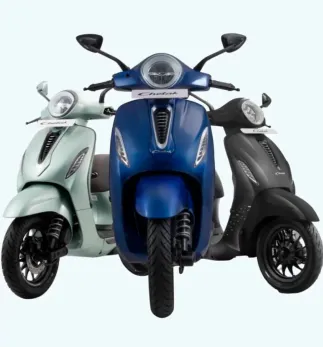
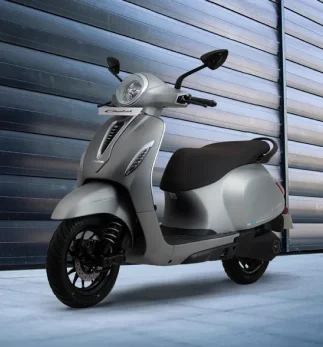
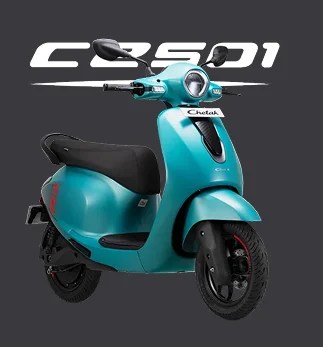
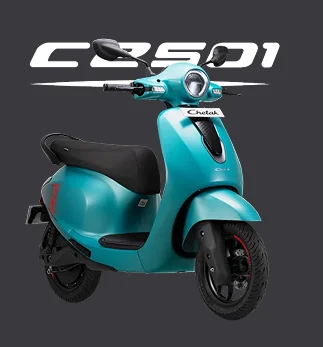
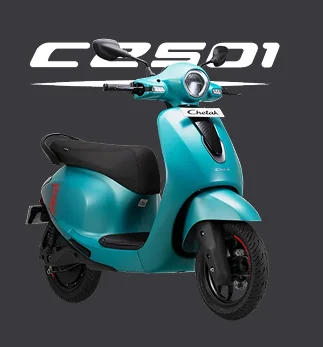
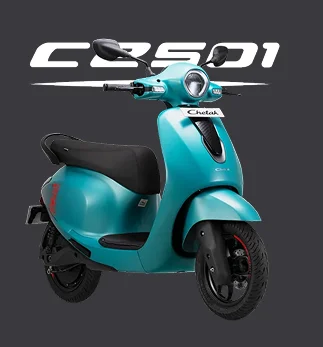
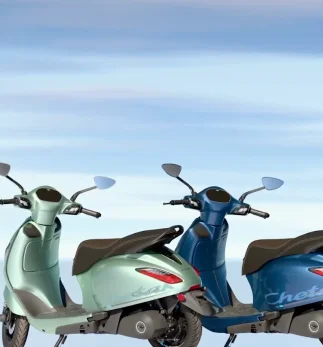
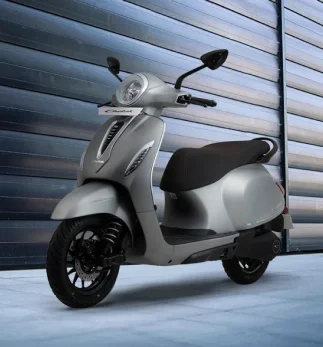
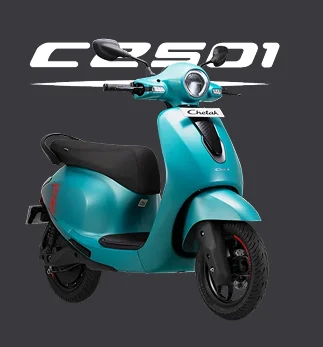
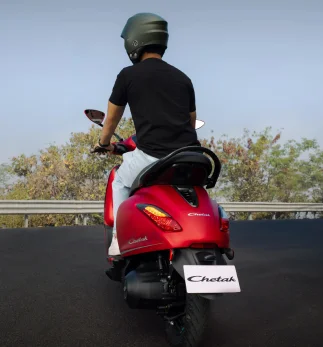
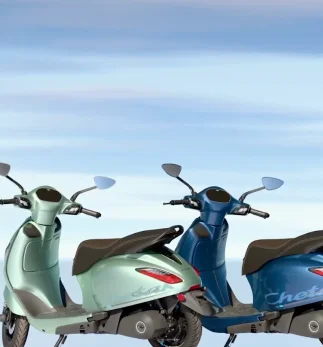
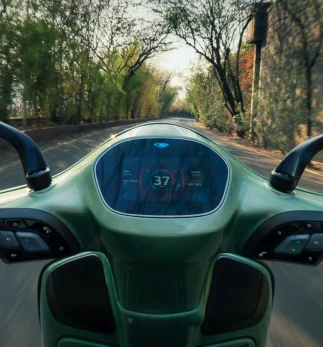
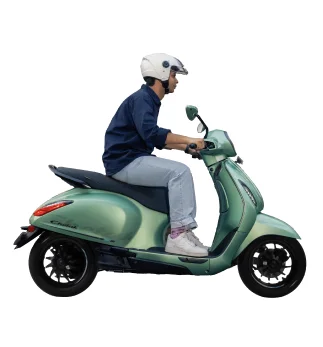
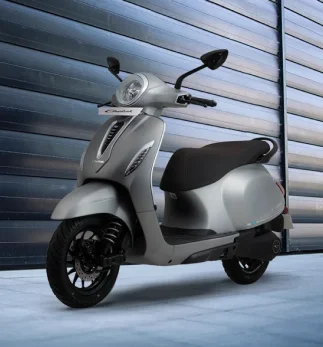
Bajaj Chetak C2501
1. Rider behaviour
- Higher speeds use more power
- Frequent braking and acceleration increase consumption
2. Tyre condition and pressure
- Low pressure increases the load on the motor
3. Road conditions
- Slopes, flyovers, and broken roads affect power draw
4. Battery health
- Well-maintained batteries charge more efficiently
5. Ambient temperature
- Extreme heat or cold can slightly influence the range
These variations are minor, but they shape overall running cost accuracy.
Charging Time and Its Impact on Cost
Charging time doesn’t directly alter your electricity bill. You pay for units consumed, not hours plugged in.
However, efficient charging ensures:
- Lower heat buildup
- Consistent battery health
- Less power loss
- Better long-term range
For most scooters:
- 0–80% charging typically takes 2.5–4 hours
- Full charge completion takes slightly longer
Night charging ensures a steady electricity supply at home, without the peak-hour fluctuations.
Maintenance Cost Advantage: Why EVs Win Long-Term
Besides charging, electric scooters reduce monthly expenses because they eliminate:
- Engine oil changes
- Spark plug replacements
- Air filter replacements
- Clutch and belt maintenance
- Fuel-system cleaning
This lowers overall maintenance by 50–70%, adding to the savings from low charging costs.
Environmental and Noise Advantages
Electric scooters do more than cut costs:
Environmental
- Zero tailpipe emissions
- Lower carbon footprint
- Cleaner neighbourhood air
Noise
- Quiet motor
- Reduced fatigue for riders
- Better comfort in dense traffic
These benefits improve the overall riding experience across Indian cities.
Understanding Charging Cost Helps You Plan with Confidence
The electric scooter charging cost in India is one of the strongest reasons why more riders are shifting toward electric mobility. With per-charge expenses as low as ₹15–₹30 and monthly running costs well below petrol costs, electric scooters offer predictable, long-term savings for everyday commutes.
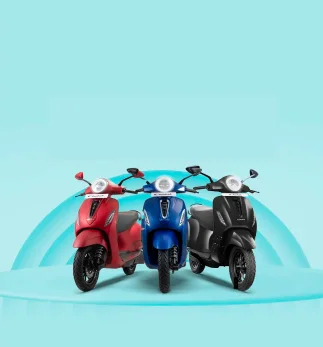
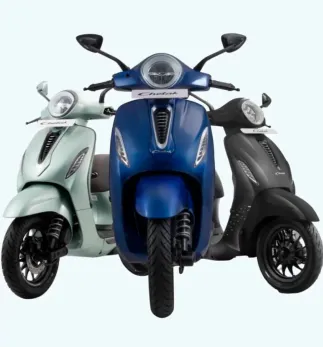
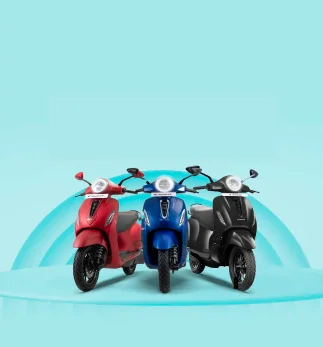
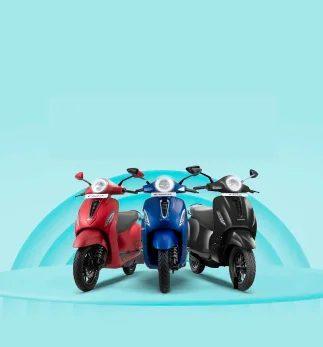
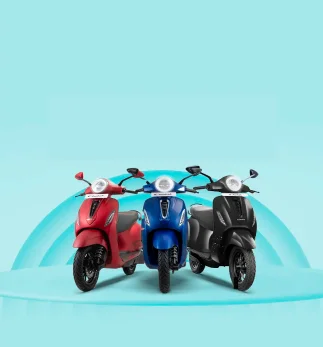
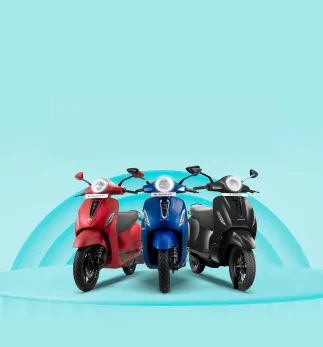
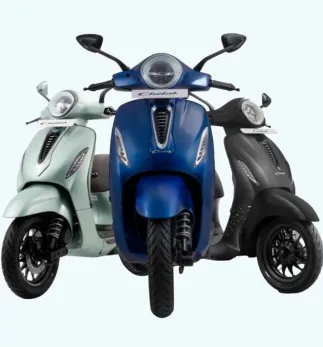
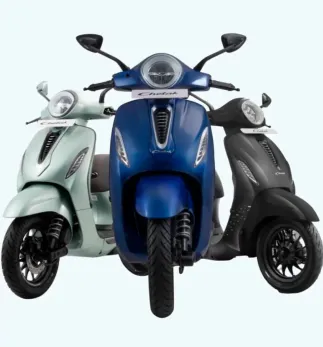
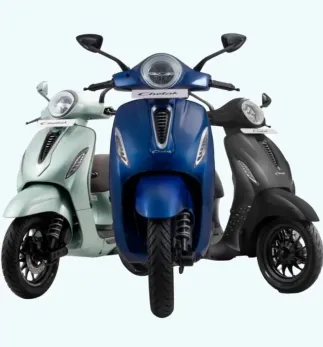
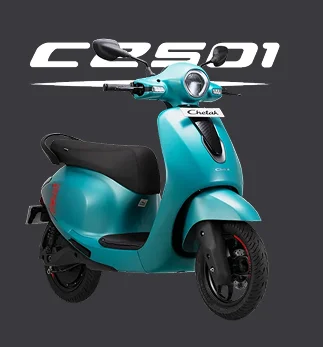
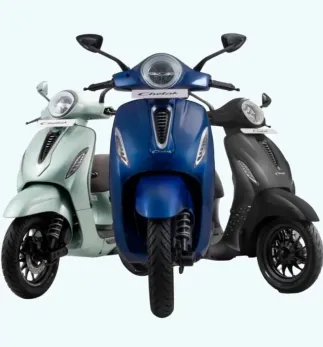
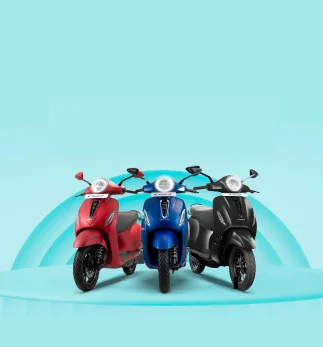
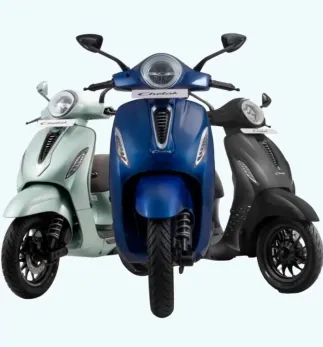
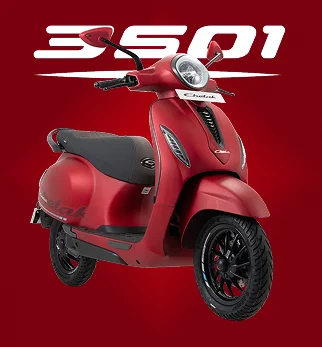
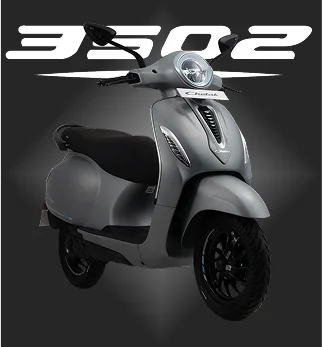
Once riders understand how tariffs, battery capacity, and daily distance influence cost, planning becomes simple and stress-free. Whether you ride occasionally or cover long city routes each month, EVs help reduce both fuel expenses and maintenance worries. For those evaluating their next upgrade, scooters such as the Chetak 3501, Chetak 3502, Chetak 3503, and Chetak C2501 offer reliable range, easy charging, and practical comfort suitable for everyday travel.
Recent Articles
How to Increase Electric Scooter Range With Smarter Riding Habits
Know More
Which Bajaj Chetak Models Offer the Best Combination of High Speed and Rider-Focused Features?
Know More
5 Features that Make an Electric Scooter for Hilly Areas More Practical
Know More
5 Electric Scooter Maintenance Habits that can Support Long-term Performance
Know More
How to Choose a High-Performance Electric Scooter for Daily Use
Know More









.webp)

























.webp)