
 Back
Back
Last Updated: Feb 20 2026, 12:00 PM IST
Battery Capacity of Electric Scooters: Which One is Right for You?




Choosing the right electric scooter battery capacity is one of the most practical decisions you will make as an EV rider. Battery size shapes the weekly range, charging rhythm, and how relaxed your commute feels in stop-and-go city traffic. The battery capacity of electric scooter models is measured in kWh, showing how much energy the pack stores for daily riding. A higher kWh figure can support longer runs between charges, while a lower kWh pack can suit shorter, predictable loops with easier top-ups. Let's learn how to align battery capacity with real riding patterns and see how Bajaj Chetak variants support different city routines.
What Does Electric Scooter Battery Capacity Mean in Real Use?
Electric scooter battery capacity is the amount of energy your scooter can store for riding. It is measured in kilowatt-hours (kWh) and determines how far you can ride between charges.
Here is how to interpret the battery capacity of electric scooter options in simple terms:
- Higher kWh often supports longer distance comfort between charging sessions.
- Lower kWh can work well for short commutes with frequent, easy home charging.
- Larger kWh packs contain more cells, which increases the scooter's weight and can slightly influence handling and agility in tight traffic.
- Higher capacity batteries often undergo fewer full charge cycles for the same total distance, which can help extend the battery's health over several years.
How to Match Electric Scooter Battery Capacity to Your Daily Routes
The "right" battery capacity of an electric scooter depends on how you actually use your electric scooter. Instead of chasing peak claims, match capacity with your route reality and charging access.
Use this checklist to choose the right electric scooter battery capacity:
1. Daily Distance Fit
Estimate your average weekday distance and add a buffer for errands and detours.
2. Charging Access
Confirm your parking spot supports safe charging with a reliable socket and earthing.
3. Traffic and Stops
Stop-start traffic can change consumption, especially during longer peak-hour rides.
4. Passenger and Carry Load
Regular pillion use and heavier bags can increase energy use per kilometre.
5. Terrain and Flyovers
Frequent inclines can raise demand, especially during repeated climb-and-stop patterns.
6. Top-up Comfort
Faster 0–80% charging can reduce stress when you charge between back-to-back rides.
How 2.5 kWh Can Fit Short, Predictable City Loops
A 2.5 kWh battery can fit riders with shorter, predictable commutes and easy charging access. It can also suit households that want an EV scooter for nearby travel and routine errands.
Here is when a 2.5 kWh battery capacity of an electric scooter can feel right:
- You ride short loops such as local commutes, quick errands, and regular neighbourhood trips.
- You can charge at home consistently, so you rely on routine top-ups.
- You prefer a faster 0–80% charging time for quick readiness between rides.
- Your use stays city-first, with fewer long stretches and fewer high-distance weekends.
How 3.5 kWh Can Fit Commute-Heavy Urban Routines
A 3.5 kWh pack can suit riders who cover more distance across the week or prefer fewer charging sessions. It can also suit riders who combine office commutes with errands and longer city stretches.
Here is when a 3.5 kWh electric scooter battery capacity can feel right:
- You ride longer weekday routes and want more breathing room between charges.
- Your week includes mixed use, like office runs, errands, and occasional longer evening rides.
- You prefer a steady charging schedule instead of frequent top-ups.
- Your commute includes flyovers and wider corridors where traffic flow varies through the day.
If your routine matches this pattern, the 3.5 kWh battery capacity of electric scooter variants can feel more comfortable.
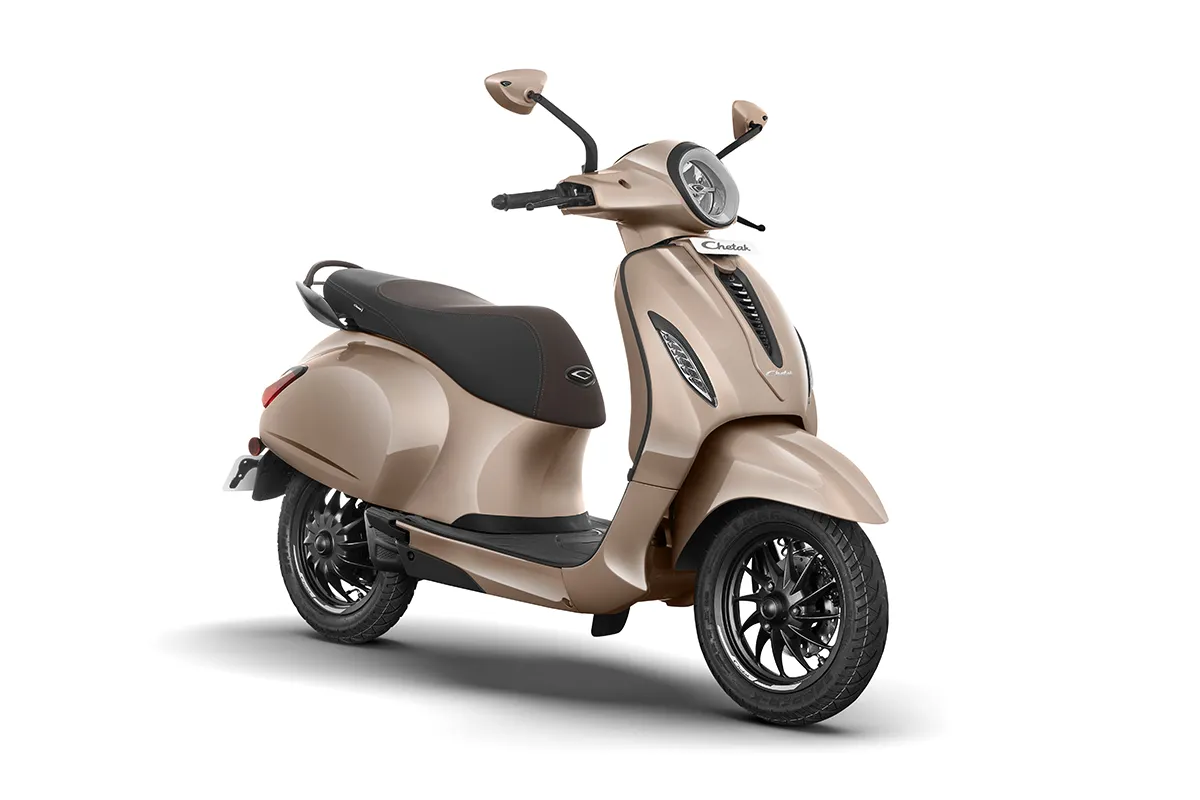
Battery Capacity and Charging Time Compared Across Bajaj Chetak Models
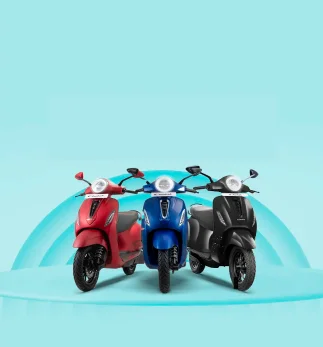
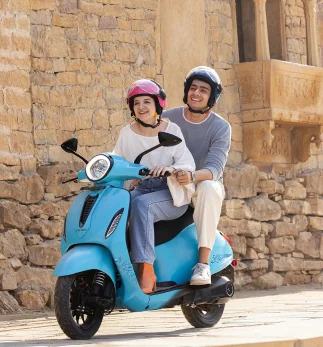
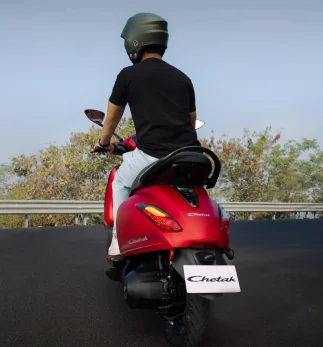
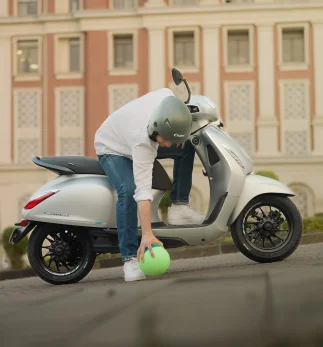
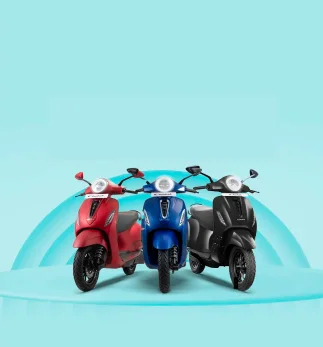
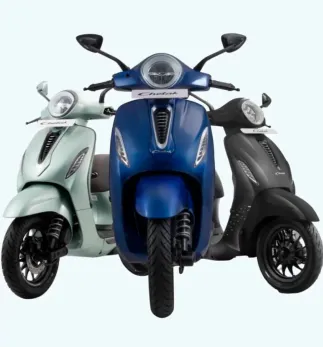
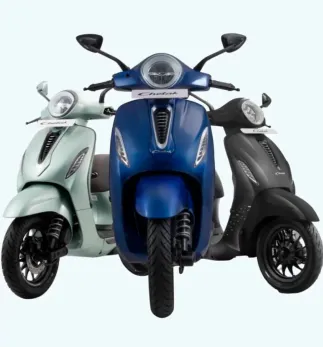
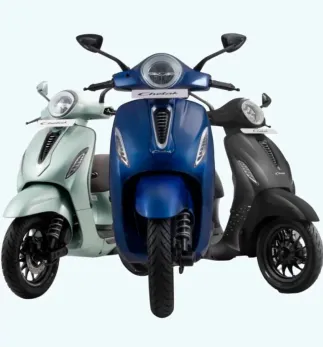
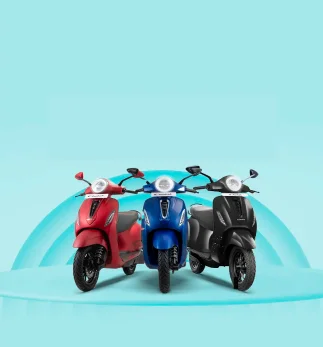
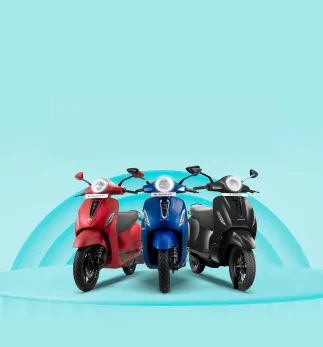
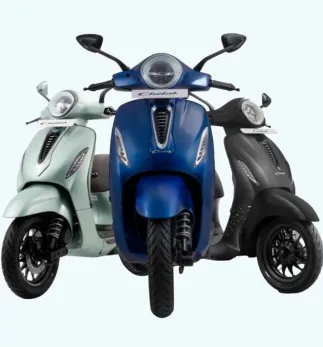
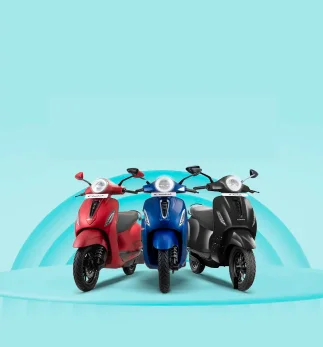
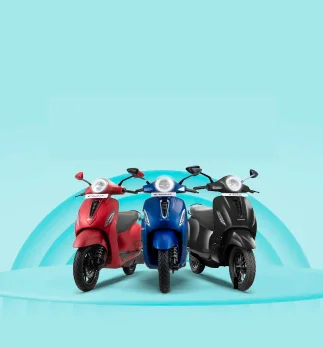
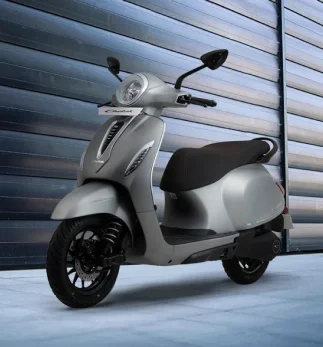
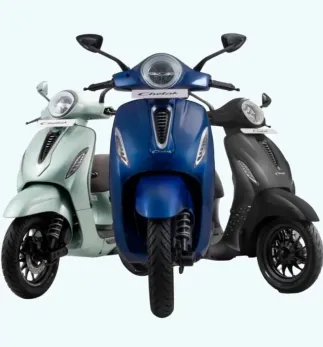
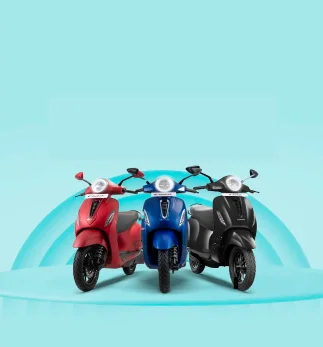
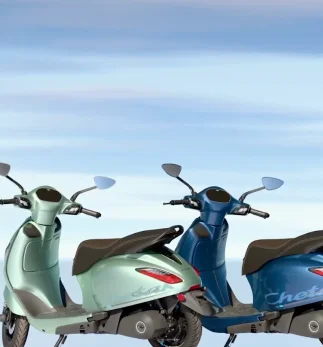
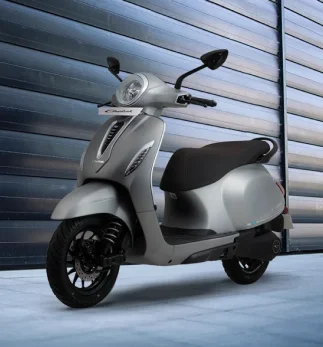
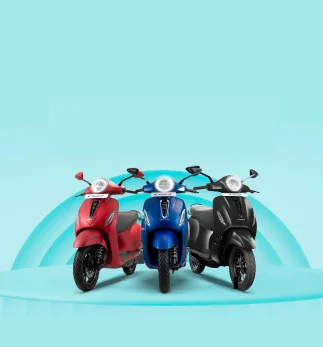
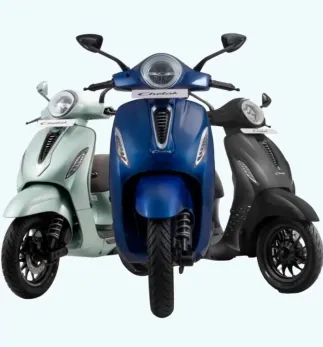
When comparing electric scooter battery capacity across the Chetak range, it helps to view battery size and charging time together.
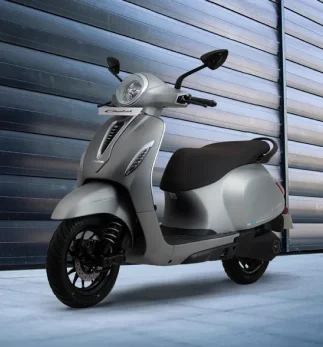
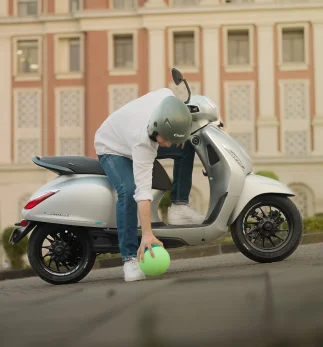
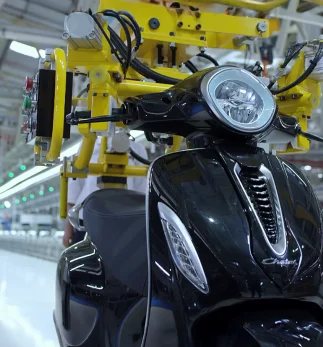
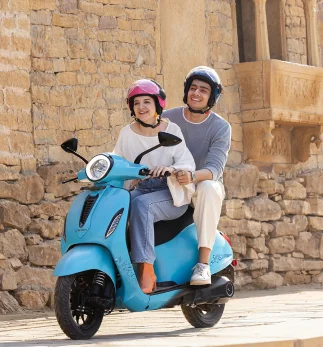
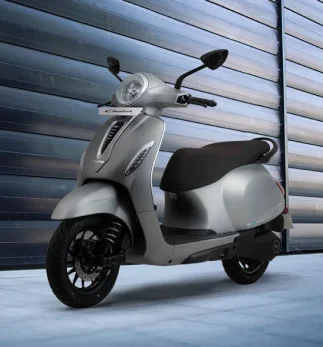
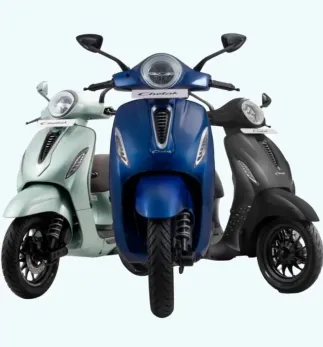
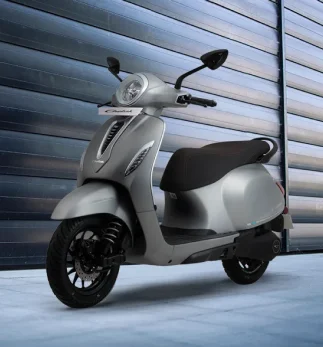
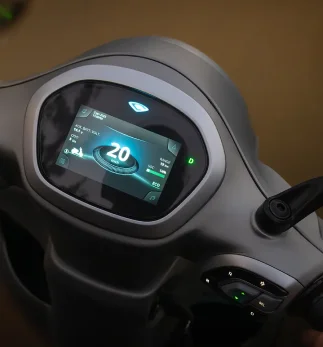
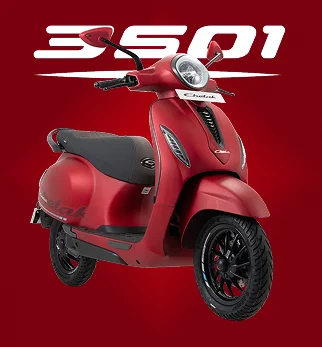
- Bajaj Chetak 3501: 3.5 kWh battery, 0–80% charging in 3 hr
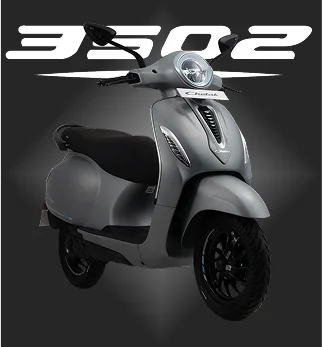
- Bajaj Chetak 3502: 3.5 kWh battery, 0–80% charging in 3 hr 25 min
- Bajaj Chetak 3503: 3.5 kWh battery, 0–80% charging in 3 hr 25 min
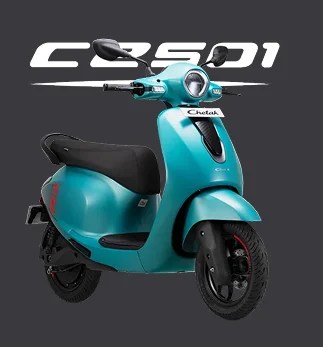
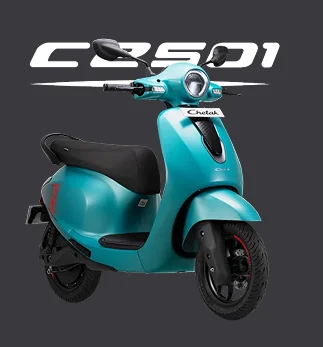
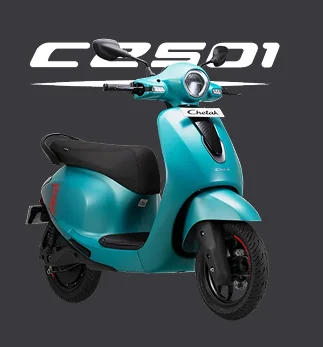
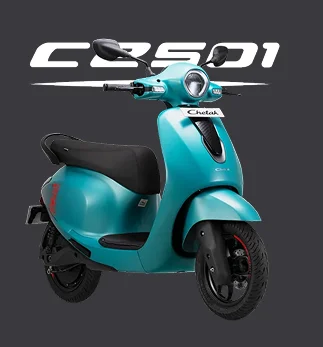
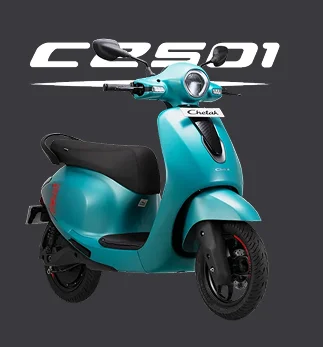
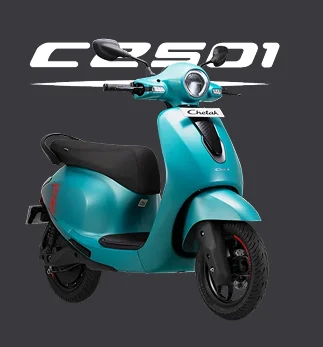
- Bajaj Chetak C2501: 2.5 kWh battery, 0–80% charging in 2 hr 25 min
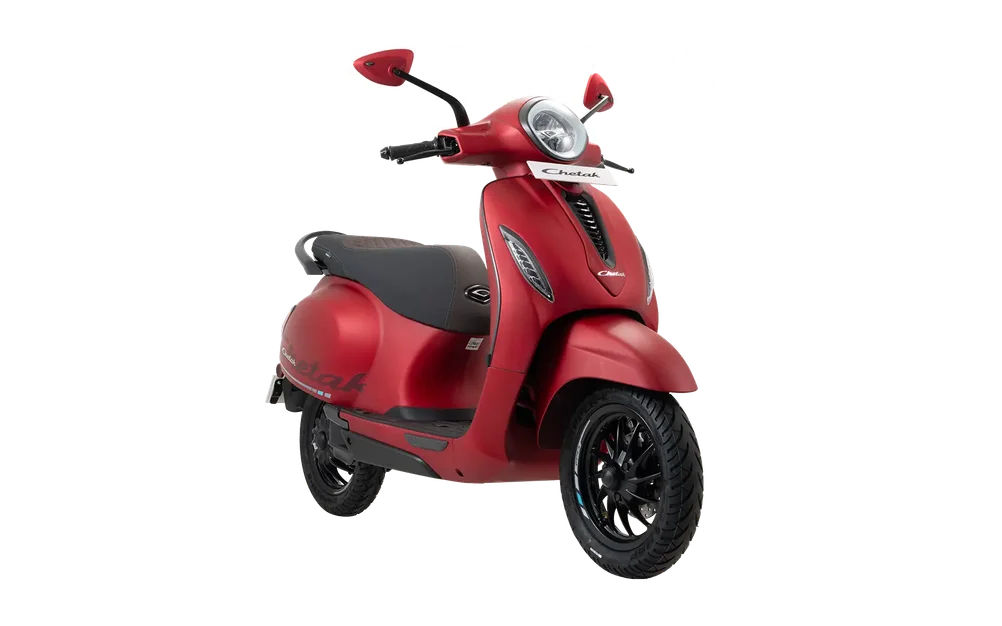
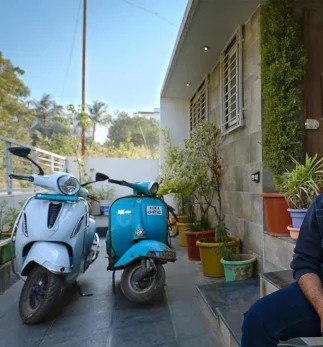
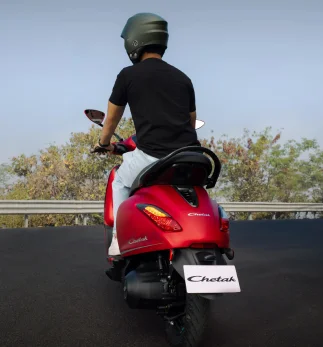
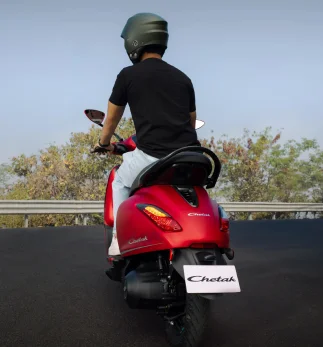
Bajaj Chetak 3501
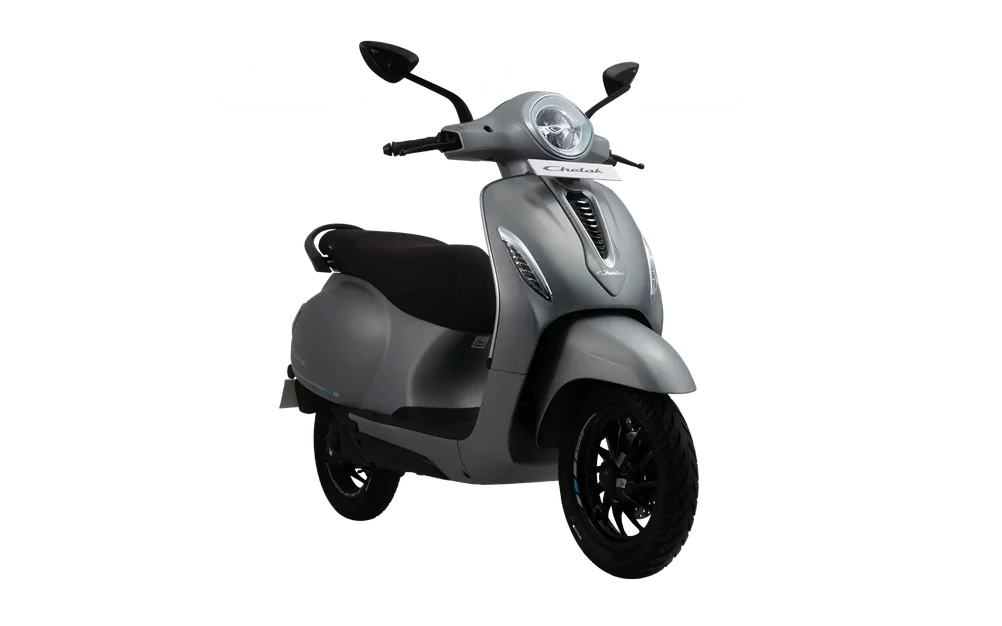
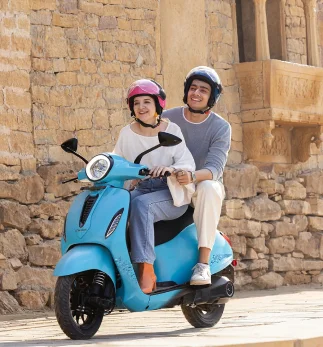
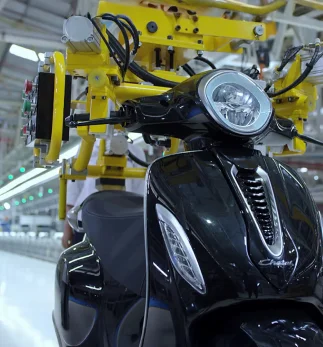
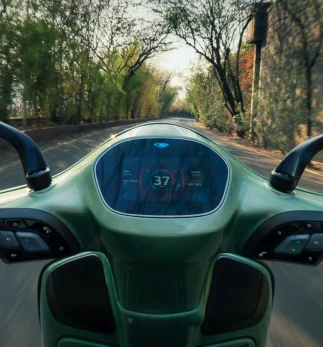
Bajaj Chetak 3502
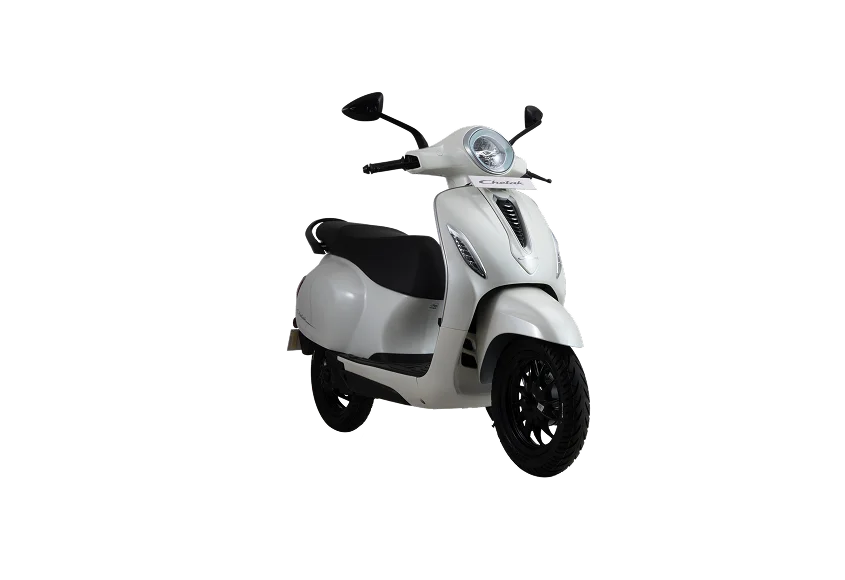
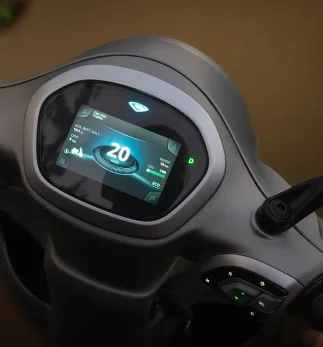
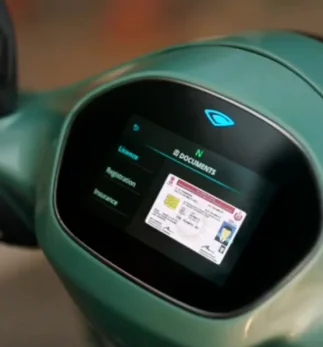
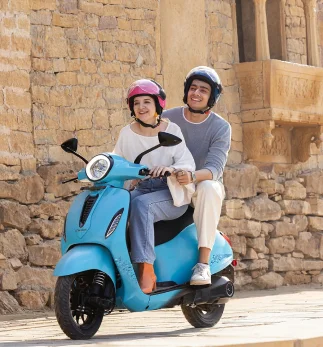
Bajaj Chetak 3503
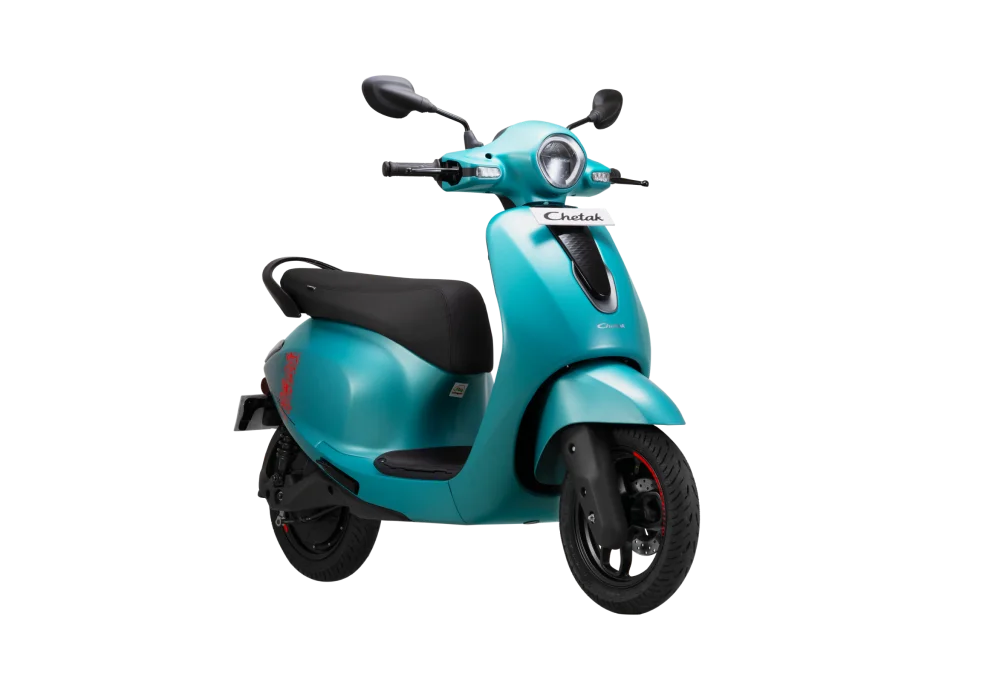
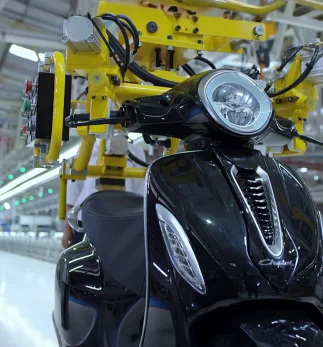
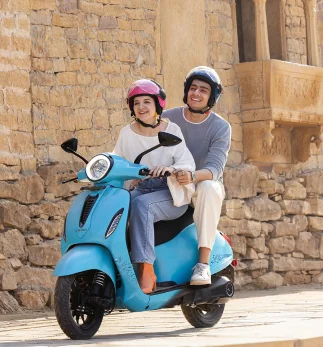
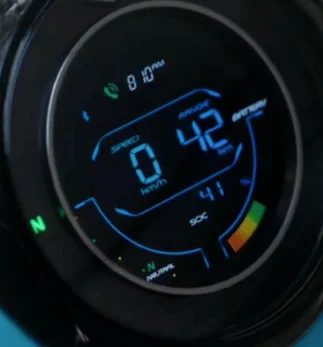
Bajaj Chetak C2501
A higher kWh option can support longer weekly riding, while a lower kWh pack can suit shorter loops with quicker top-ups. Pick the capacity that matches your route length and your charging window at home or work.
Choosing the Right Bajaj Chetak Battery Capacity for Your Routine
Choosing the right electric scooter battery capacity becomes easier when you match the pack size to your route pattern and charging comfort. If your rides are longer across the week and you prefer fewer charging sessions, the 3.5 kWh options across the Bajaj Chetak 3500 range can fit well.
If your travel stays local with predictable loops and easy home charging, the 2.5 kWh option can feel simple and stress-free. Many riders also successfully manage commute-heavy routines by planning around specific charging windows.
Ultimately, the best choice depends on your individual lifestyle and infrastructure. To find your ideal match, visit your nearest Bajaj dealership to compare comfort, charging compatibility, and overall ownership expectations before making your final decision.
Recent Articles
How to Increase Electric Scooter Range With Smarter Riding Habits
Know More
Which Bajaj Chetak Models Offer the Best Combination of High Speed and Rider-Focused Features?
Know More
5 Features that Make an Electric Scooter for Hilly Areas More Practical
Know More
5 Electric Scooter Maintenance Habits that can Support Long-term Performance
Know More
How to Choose a High-Performance Electric Scooter for Daily Use
Know More
.webp)



.webp)