
 Back
Back
Last Updated: Feb 19 2026, 11:30 AM IST
How to Benefit from State Subsidies for Electric Scooters in India




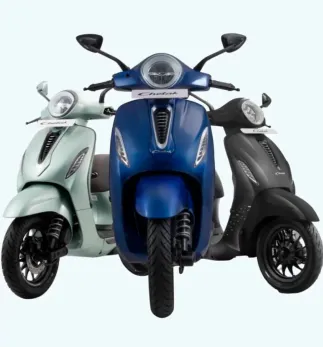
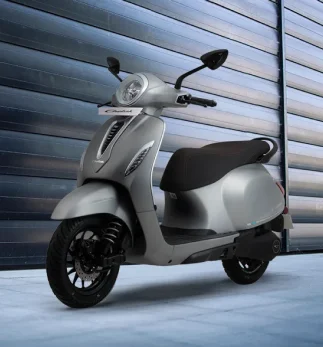
The push towards cleaner mobility has made electric scooters a popular choice across India’s towns and cities. Yet the upfront cost of an electric two-wheeler can still be a significant factor for many buyers. To encourage wider adoption and make electric mobility more affordable, the Indian government and individual state governments offer subsidies and incentives for electric scooters. These incentives can make a real difference in the purchase price you pay at the showroom, and can also reduce the overall cost of ownership during the first few years. In this blog, you’ll learn which subsidies are available, how they work, where to apply, and how you can save money when buying an electric two-wheeler, such as a Chetak electric scooter or other Chetak EV models.
What is a State Subsidy On Electric Scooters?
A state subsidy on electric scooters refers to financial support provided by a state government on top of central government incentives. These subsidies typically reduce the effective purchase price or offer rebates on registration, road tax, or other costs associated with owning an electric two-wheeler. They are part of broader Electric Vehicle (EV) policies aimed at reducing emissions, improving air quality, and lowering reliance on fossil fuels.
At the national level, the Government of India continues to support electric two-wheelers through initiatives such as the PM E-DRIVE and earlier phases of the FAME scheme, which provide incentives per unit of battery capacity.
Central Government EV Incentives You Should Know
Before diving into state subsidies, it’s useful to understand how central incentives work, because many state schemes build on or complement them:
- PM E-DRIVE Scheme: This is the current federal programme that offers incentives on electric vehicles, including two-wheelers, based on battery capacity and vehicle price. Under this scheme, eligible electric two-wheelers can get a subsidy directly deducted at the time of purchase.
- FAME Successor Incentives: Earlier, under the FAME (Faster Adoption and Manufacturing of Electric Vehicles) scheme, two-wheelers could qualify for subsidies based on their battery capacity. While the original FAME-II programme officially ended in March 2024, many central and state incentives continue to use similar eligibility criteria linked to battery efficiency and vehicle standards.
These central incentives can amount to several thousand rupees off your scooter’s price, and are often combined with state subsidies.
State Subsidy On Electric Scooters: What States Offer
Different Indian states provide additional subsidies and benefits over and above the central incentives. These vary in quantum and eligibility, so it’s important to check the exact details for your state and year of purchase. Here’s a snapshot of what some states currently offer:
1. Uttar Pradesh (UP)
Under the Uttar Pradesh EV policy, buyers of electric two-wheelers can receive a purchase subsidy in addition to road tax and registration fee exemptions. The subsidy is typically based on a percentage of the ex-factory price or a fixed monetary cap per vehicle, depending on the policy year and category. In many cases, UP waives 100% registration and road tax for new electric scooters as part of the incentive.
2. Delhi
The Delhi government has its own EV policy that links to central subsidies. In addition to the incentive under the PM E-DRIVE scheme (based on battery capacity), the Delhi policy can offer additional state subsidy per kWh, capped at a certain amount. Delhi may also waive road tax and extend fee exemptions for electric two-wheelers, providing a meaningful discount at the time of registration.
3. Maharashtra
Maharashtra is known for offering attractive benefits on electric two-wheelers, usually involving registration fee waivers and EV incentives designed to reduce the upfront cost. The state previously proposed tax reductions for EV buyers and manufacturers, though these are focused more on broader EV adoption.
4. Gujarat, Assam, Kerala, and Others
Several other states also offer a subsidy per kWh of battery capacity (e.g., ₹10,000 per kWh in some cases, subject to a maximum cap). Additional benefits can include exemption from road tax and partial or complete waivers on registration fees.
Typical Benefits you can Claim
When you buy a new electric scooter and apply for state subsidy benefits, you can expect benefits such as:
- Direct discount on the vehicle’s showroom price at the time of purchase (often linked with central incentives)
- Waiver or reduction of registration fees at the RTO
- Exemption from road tax — in some states, this can be 100% for electric vehicles
- Cash subsidy credited to your bank account after verification
- Additional incentives for early applicants or special target groups in some states (e.g., gig workers)
These benefits are usually applied through an online portal or at the dealership, where you submit your Aadhaar and vehicle purchase details.
How To Apply For A State EV Subsidy
Most states allow you to apply for EV subsidies either through:
- Dealership Processing: Many dealerships will assist with subsidy applications at the time of purchase.
- Dedicated Online Portals: For example, Uttar Pradesh operates a dedicated EV subsidy portal where individuals can apply online by uploading necessary documents.
Always ensure you have a valid Aadhaar card, RC (Registration Certificate), and proof of purchase before applying. States often require that the vehicle be registered in that state to qualify for the subsidy.
Eligibility and Conditions
Although schemes vary, common eligibility requirements include:
- The buyer must be an Indian resident with a valid ID
- The electric scooter must be registered in the same state offering the subsidy
- Vehicles must meet regulatory safety and performance criteria
- Each person can usually claim the subsidy for one electric two-wheeler only
Key Takeaways: Maximise Your Savings
To benefit fully from a state subsidy on electric scooter purchase:
- Check both the central and state incentives before booking your vehicle
- Confirm that your chosen scooter (e.g., a Chetak electric scooter or Chetak EV) is eligible under schemes like PM E-DRIVE
- Apply early, as some states offer early bird incentives
- Ensure registration and RTO paperwork are completed correctly to qualify for registration and road tax waivers
By combining central and state subsidies, buyers can significantly lower the effective cost of their electric scooter and make ownership more affordable.
Sources:
- PM E-DRIVE official government site – central EV incentives: https://pmedrive.heavyindustries.gov.in/
- Electric vehicle incentives overview (e-AMRIT) – national incentive summary: https://e-amrit.niti.gov.in/electric-vehicle-incentives?utm_source=chatgpt.com
- Uttar Pradesh EV subsidy portal – direct state application: https://upevsubsidy.in/?utm_source=chatgpt.com
- State-wise subsidy data (informational) – example breakdown for major states: https://www.swastikpowersupply.co.in/electric-scooter-subsidy-2025-india/?utm_source=chatgpt.com
Recent Articles
How to Increase Electric Scooter Range With Smarter Riding Habits
Know More
Which Bajaj Chetak Models Offer the Best Combination of High Speed and Rider-Focused Features?
Know More
5 Features that Make an Electric Scooter for Hilly Areas More Practical
Know More
5 Electric Scooter Maintenance Habits that can Support Long-term Performance
Know More
How to Choose a High-Performance Electric Scooter for Daily Use
Know More
.webp)


.webp)