
 Back
Back
Last Updated: Jan 22 2026, 10:30 AM IST
Electric Scooter Without Number Plate: Rules, Speed Limits, and Legal Guidelines




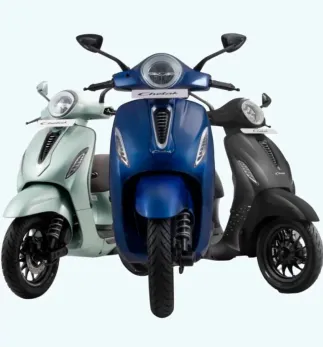
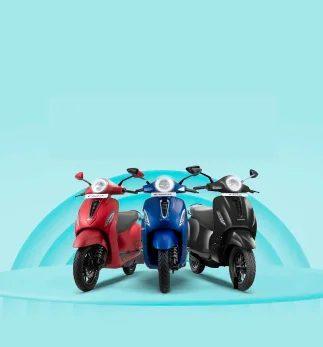
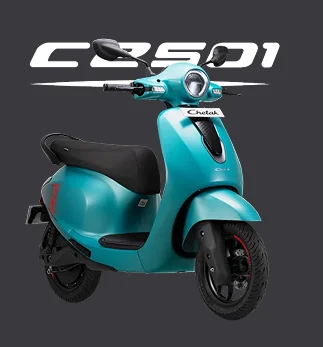
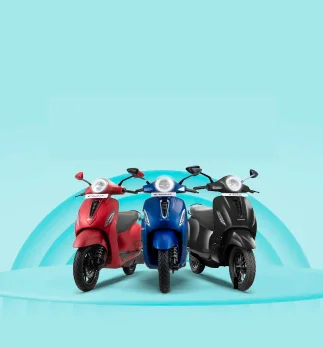
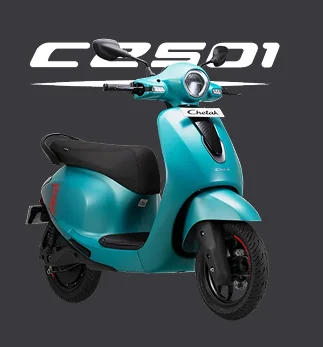
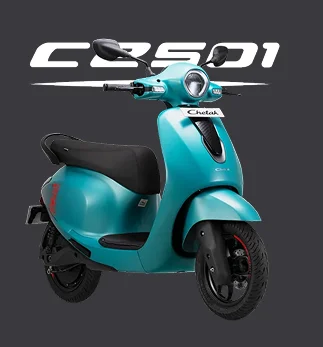
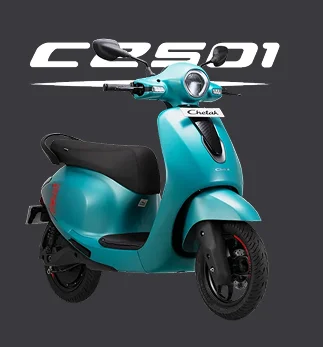
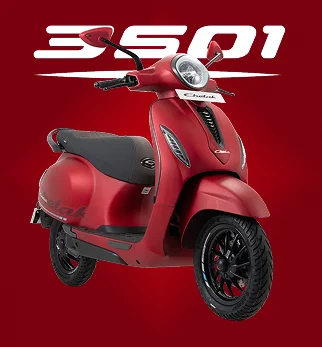
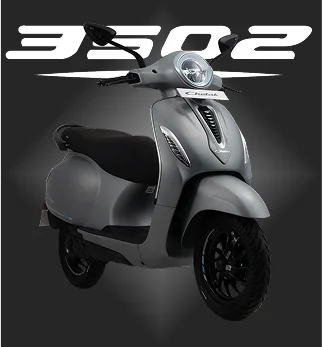
Electric scooters are seen in every major Indian city today. Many young riders, office-goers, and students are choosing them because they are quiet, clean, and cheap to run. With this change, a big question often comes up. Can someone legally ride an electric scooter without a number plate on Indian roads? The doubt is understandable because not every electric scooter follows the same rules. The article explains the legal rules, speed limits, and guidelines for riding an electric scooter without a number plate in India. This also helps riders compare models across segments, including Bajaj Chetak 3501, Chetak 3502, Chetak 3503, Chetak 3001, and Chetak C2501.
Why Some Electric Scooters Do Not Need Registration
The low-speed exemption exists because these scooters are easier to control and are not meant for fast traffic. The government wants to encourage green mobility without imposing excessive paperwork on simple machines. A true electric scooter without a number plate is allowed, so that short trips like office, school, grocery, and market runs become practical with clean transport.
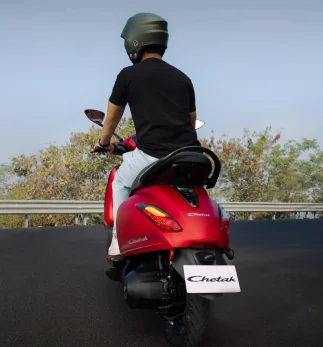
However, this rule only works when the scooter genuinely meets the speed and power limits. Some scooters with higher performance, such as many versions of Chetak 3501 or Chetak 3502, require full registration and number plates because they are designed for higher speeds. On the other hand, electric scooters built for low-speed travel can be used legally without a number plate within city areas.
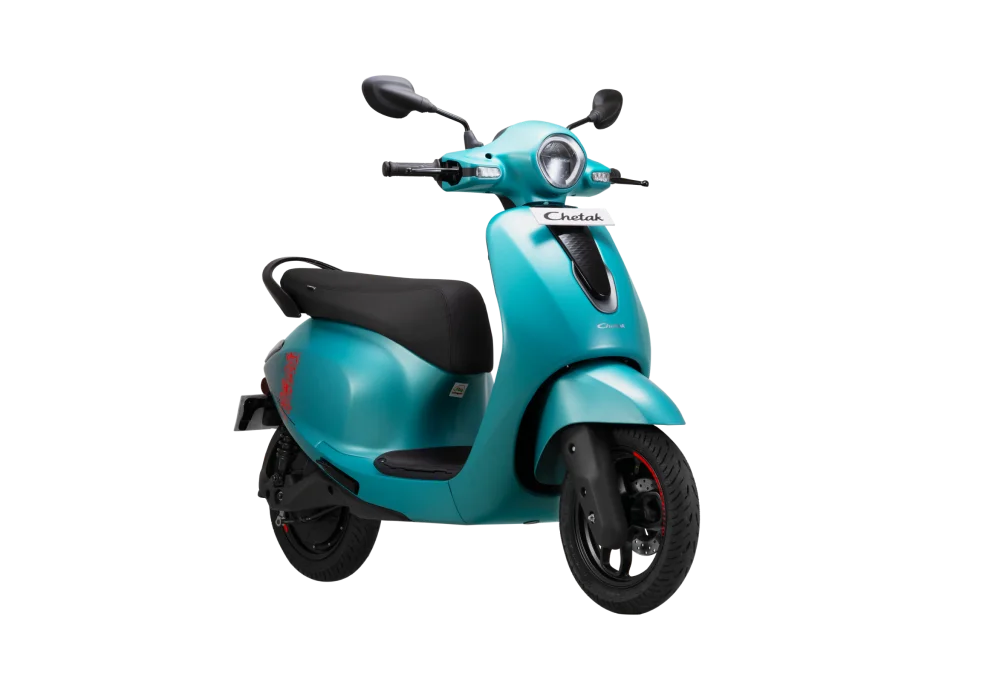
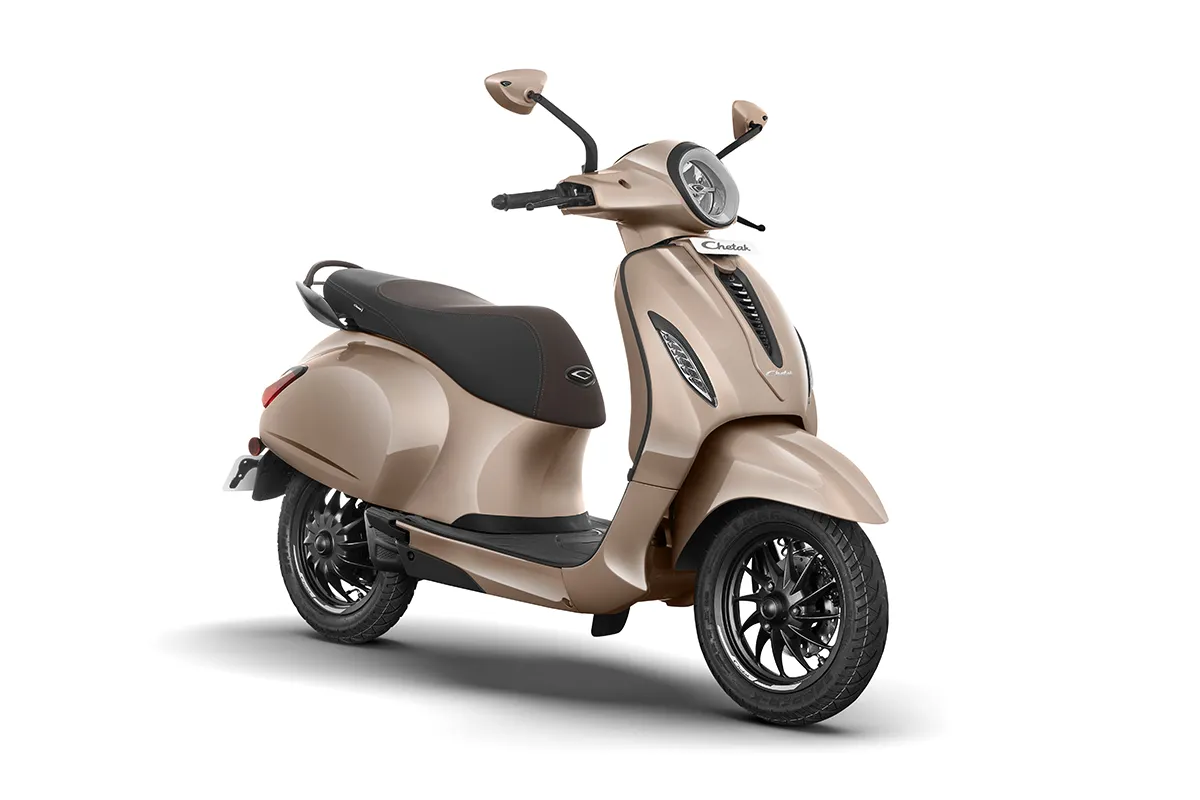
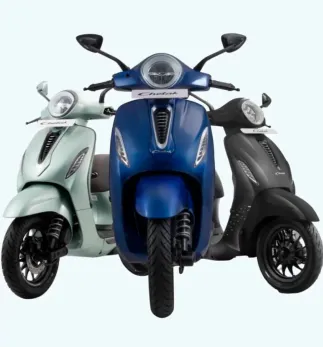
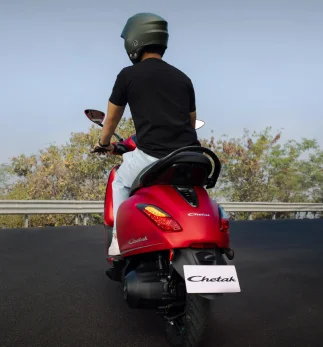
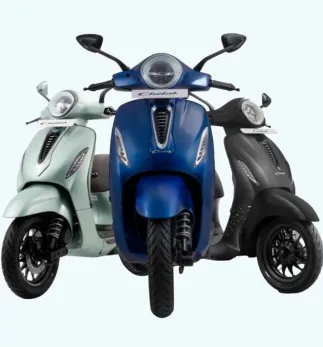
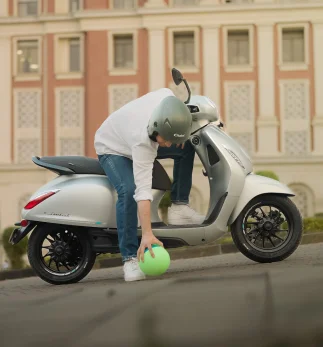
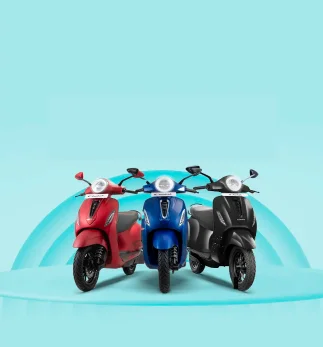
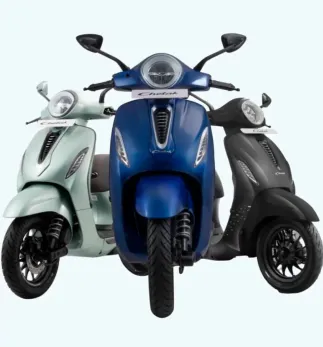
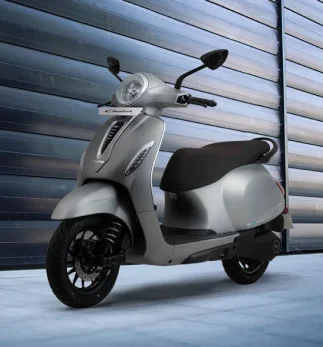
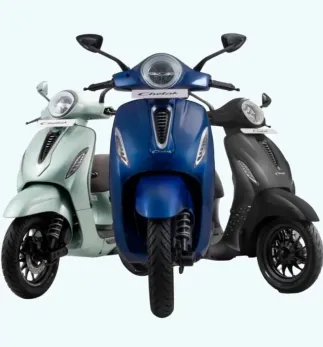
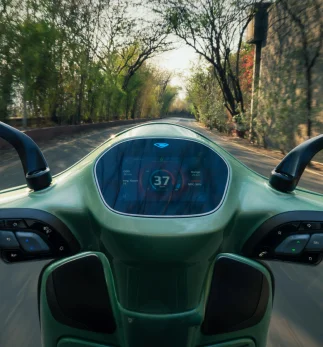
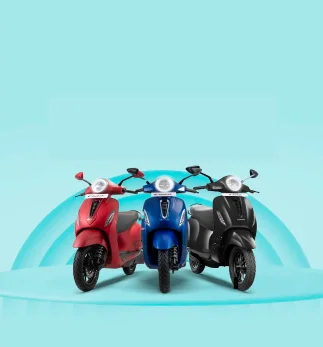
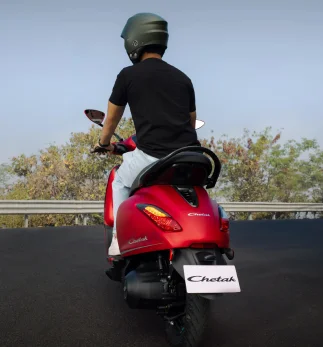
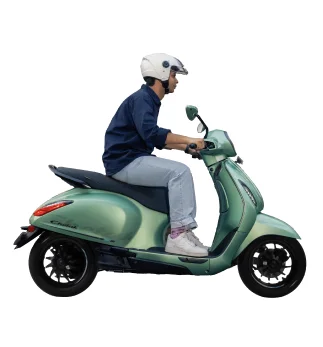
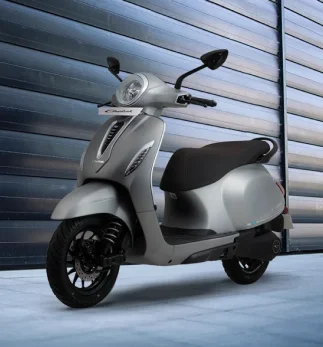
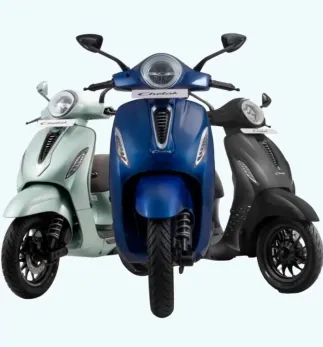
Bajaj Chetak
Speed Limits and Use Cases for Low-speed Electric Scooters
A registered scooter can go at speeds suitable for normal road traffic. The conditions are usually as follows:
- Maximum speed must be 25 km per hour or less
- Motor output must be 250 watts or less
- Roads with heavy or fast-moving traffic should be avoided
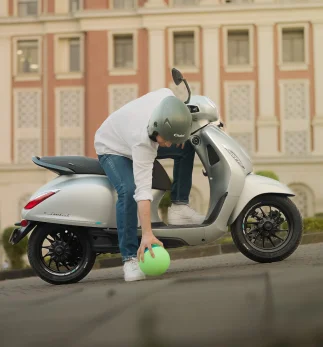
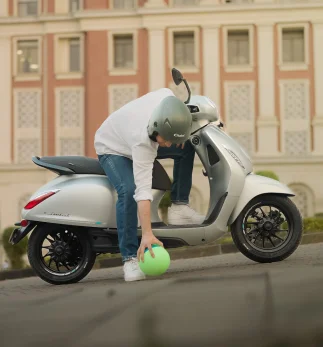
- Helmets are strongly recommended for rider safety
- Street rules and signals must still be followed with discipline
Some buyers look at electric scooters like Chetak 3503 or Chetak 3001 for regular commuting. Still, these are higher-spec scooters that usually need registration, rather than being used as electric scooters without a number plate.
Driving Licence and Number Plate Rules Explained
One of the biggest reasons people are interested in an electric scooter without a number plate is the freedom from paperwork. If a scooter fits the low-speed rules, then:
- A number plate is not required
- Registration at the RTO is not required
- A driving licence is not required
If the scooter does not fit the criteria, then you must register it and attach a number plate.
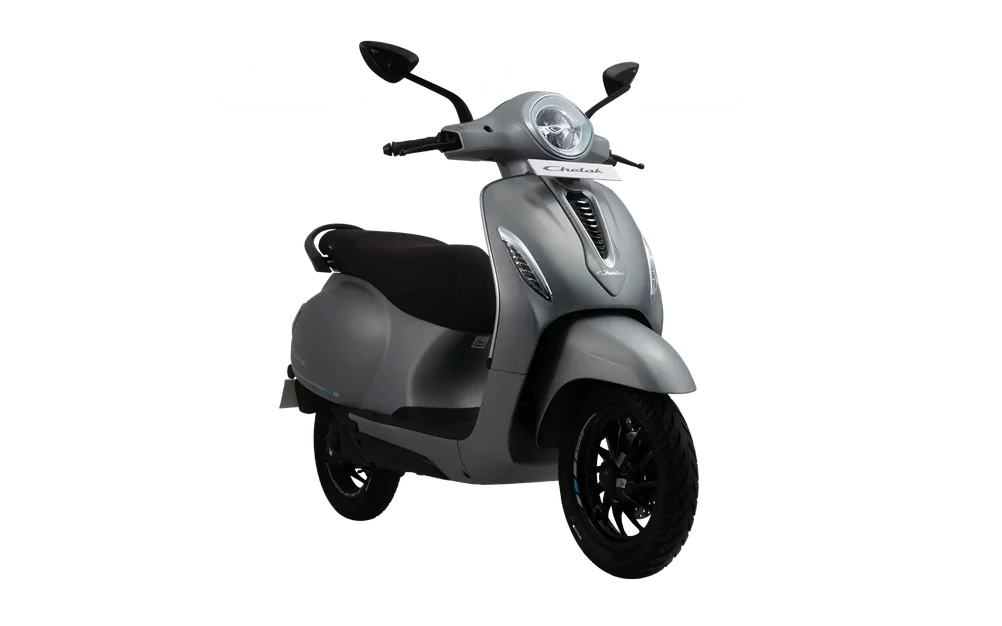
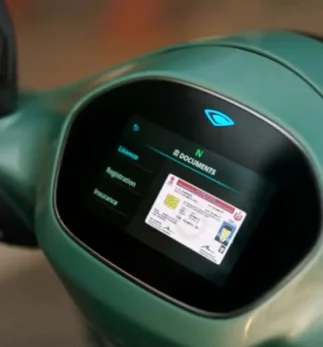
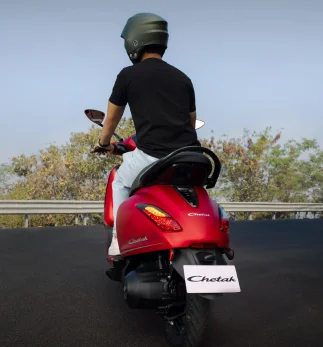
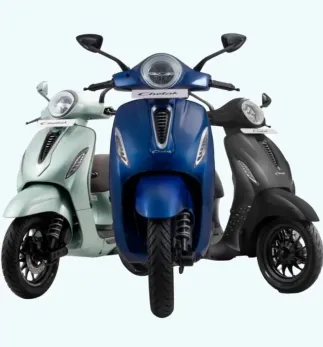
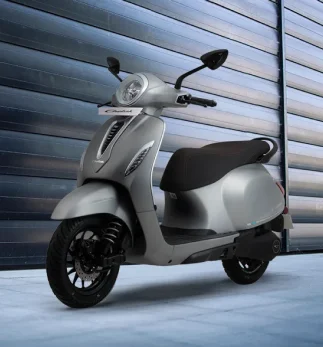
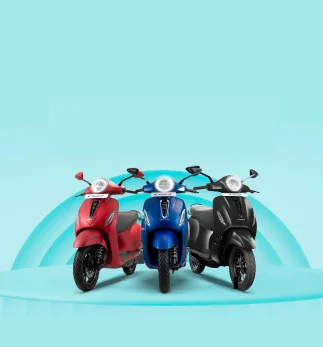
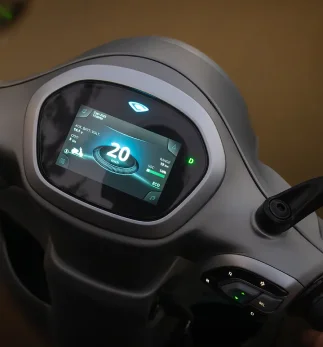
Bajaj Chetak
Insurance, PUC, and Safety Guidelines
When a scooter qualifies as an electric scooter without a number plate, it does not require mandatory third-party insurance because it is classified differently from motorcycles. Also, since electric scooters produce no emissions, there is no need for a Pollution Under Control (PUC) certificate. Even though these exemptions exist, buying optional insurance for theft or damage can be useful.
Safety is still important. Riders should remember that a low-speed electric scooter without a number plate is not meant to mix with fast traffic. Simple but important guidelines include:
- Wear a helmet for protection at all times
- Do not modify the scooter for higher speeds
- Use lights during early morning or night rides
- Check battery charge before leaving home
- Service the vehicle at proper intervals
These steps keep riders safe and prevent avoidable breakdowns.
Problems and Misuse of Low Speed Exemptions
There have been cases of sellers modifying scooters to exceed 25 km/h while still marketing them as electric scooters without number plates. This creates risk for riders and pedestrians because such scooters are not built for fast braking or stable handling. Riders may also face fines if caught riding a modified or unsafe scooter in public spaces.
This is why buyers should check proper specifications and avoid modified units.
Choosing the Right Electric Scooter
Before buying any scooter, it is smart to think about how and where it will be used. If you only need to cover short distances within a colony or market zone, a low-speed electric scooter without a number plate makes sense.
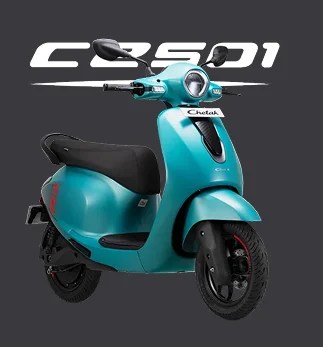
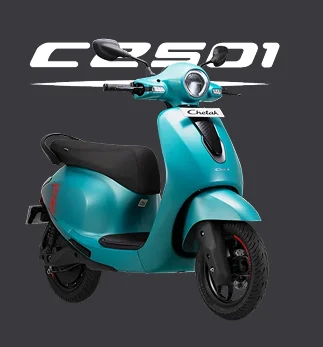
There is no paperwork stress and no licence barrier. If you plan to travel longer routes or mix with traffic, you will need a registered scooter with the correct number plates. Many buyers choose registered scooters like Chetak C2501 or certain variants of Chetak 3501 for this reason.
The idea of an electric scooter without a number plate is straightforward and useful for today's Indian cities. It allows people to ride legally without a licence or registration as long as the scooter meets the approved limits for motor power and top speed. Riders only need to ensure the vehicle meets the government-defined criteria for low-speed EVs.
Bajaj has contributed to the growth of electric mobility in India by making these options more visible to everyday commuters. For riders, the main responsibilities are to follow traffic rules, wear proper safety gear, and respect speed limits. As electric mobility continues to expand across towns and cities, responsible use will help make daily travel cleaner, quieter, and easier for everyone.
Recent Articles
How to Increase Electric Scooter Range With Smarter Riding Habits
Know More
Which Bajaj Chetak Models Offer the Best Combination of High Speed and Rider-Focused Features?
Know More
5 Features that Make an Electric Scooter for Hilly Areas More Practical
Know More
5 Electric Scooter Maintenance Habits that can Support Long-term Performance
Know More
How to Choose a High-Performance Electric Scooter for Daily Use
Know More
.webp)


.webp)