
 Back
Back
Last Updated: Feb 23 2026, 11:00 AM IST
Electric Scooter Charging Cost Calculator: How Much Will It Really Cost You?




Electric mobility is gaining ground across India, especially in crowded urban centres where rising fuel prices and traffic congestion shape daily commuting decisions. For many riders, the big question is not about range or design, but about running costs. This is where an electric scooter charging cost calculator becomes useful. Instead of relying on assumptions, it helps you estimate how much electricity your scooter consumes and what that means for your monthly budget. Charging costs vary by battery size, electricity tariff, and riding habits. Understanding these factors can make ownership clearer and more predictable. Let us examine how charging costs are calculated and what influences them.
What is an Electric Scooter Charging Cost Calculator?
An electric scooter charging cost calculator is a simple tool that estimates the cost of charging your scooter’s battery. It works by combining three main inputs:
- Battery capacity in kilowatt-hours (kWh)
- Electricity tariff per unit (₹ per kWh)
- Charging frequency or distance travelled
By multiplying battery capacity by your electricity rate, you can estimate the cost of a full charge. When you add your riding pattern to the calculation, you can project weekly, monthly, or yearly charging expenses.
This becomes particularly relevant because electricity tariffs differ by state, usage slab, and residential or commercial connection.
Understanding Battery Capacity and Energy Use
Battery capacity is measured in kilowatt-hours (kWh). A higher kWh rating means the battery stores more energy. For example, if a scooter has a 3 kWh battery, it theoretically consumes 3 units of electricity for a full charge.
However, real-world charging may require slightly more energy due to charging inefficiencies. Some energy is lost as heat during the charging process. While the difference is usually small, it can affect precise cost estimates.
When using an electric scooter charging cost calculator, always refer to the usable battery capacity mentioned in the scooter’s specifications rather than the theoretical maximum.
Electricity Tariffs in India
Electricity pricing in India varies significantly across states and usage slabs. Residential tariffs often follow a tiered system, where the rate per unit increases as consumption rises.
For example, households consuming more units per month may move into higher slabs, increasing the marginal cost of each additional unit used for charging. If your home already consumes high amounts of electricity, scooter charging may fall into a higher pricing tier.
An electric scooter charging cost calculator becomes more accurate when you enter the exact tariff you pay per unit, rather than an average national estimate.
Step-by-Step: How to Calculate Charging Cost
You can manually calculate the charging cost using a straightforward formula:
Charging Cost = Battery Capacity (kWh) × Electricity Tariff (₹ per kWh)
Let us consider a simple illustration:
- Battery capacity: 3 kWh
- Electricity rate: ₹8 per unit
Charging cost = 3 × 8 = ₹24 per full charge
If you charge the scooter 15 times a month, the monthly cost would be ₹360.
An electric scooter charging cost calculator automates this process and allows you to adjust inputs easily to see how costs change with usage.
Factors That Influence Real Charging Costs
While calculations appear simple, real costs depend on several variables.
1. Riding Style
Frequent rapid acceleration, hard braking, and sustained high speeds increase energy draw from the battery. Stop-and-go traffic, common in Indian cities, can also affect efficiency. A smoother, consistent riding pattern generally consumes less electricity per kilometre.
2. Terrain
Routes with flyovers, inclines, or uneven roads require more power than flat urban stretches. In cities with hilly areas, energy usage per ride may be noticeably higher compared to level terrain.
3. Battery Health
Over time, lithium-ion batteries experience a gradual capacity reduction. As batteries age, charging efficiency may decline slightly, and the usable range per charge can be reduced. This may increase the effective cost per kilometre, even if the cost per full charge remains similar.
4. Charging Location
Home charging typically follows residential tariff slabs, which vary by state and consumption level. Public charging stations may apply different pricing models, including per-unit charges or session-based fees. If you rely on both, your overall monthly cost may fluctuate.
An electric scooter charging cost calculator provides a base estimate, but your actual spending may vary slightly depending on these factors.
Why Estimation Matters for Indian Riders
India’s urban population often relies on two-wheelers for daily commuting. For office-goers, delivery riders, and students, predictable running costs are essential.
An electric scooter charging cost calculator supports:
- Budget planning
- Comparing different scooter models
- Evaluating savings potential
- Understanding slab-based electricity impact
Because electricity pricing structures differ by state, having a personalised calculation offers more clarity than general assumptions.
Bring Predictability to Electric Scooter Ownership
Understanding the true cost of charging your scooter removes uncertainty from electric mobility decisions. An electric scooter charging cost calculator converts technical specifications into clear, easier-to-interpret financial insights. By entering your battery capacity, local electricity tariff, and expected monthly distance, you can estimate both short-term and long-term charging expenses with greater confidence.
While actual costs may vary slightly due to terrain, riding style, battery health, and tariff slabs, a structured calculation improves transparency. For Indian riders managing commuting needs alongside household budgets, this clarity supports better planning.
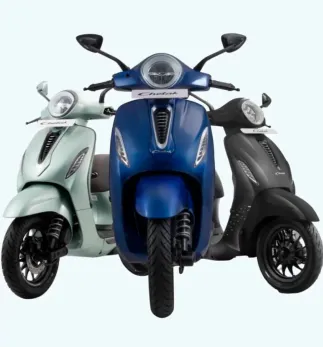
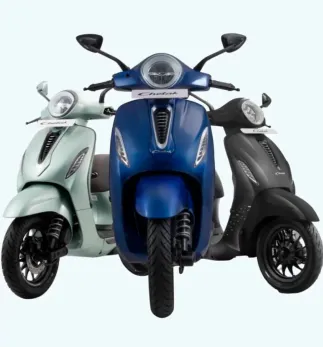
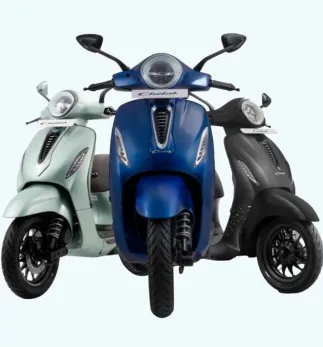
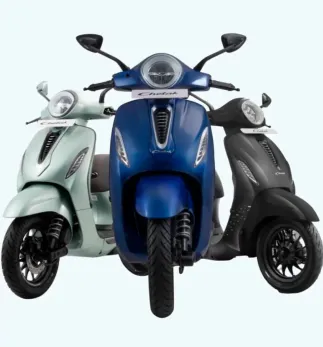
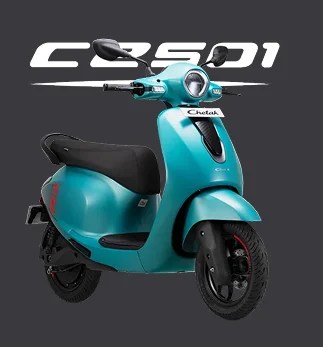
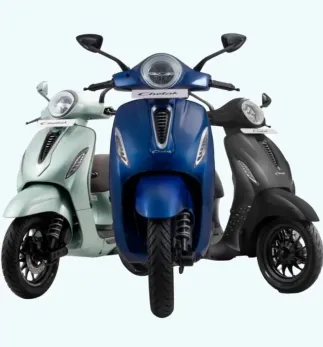
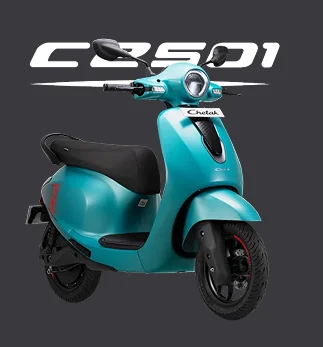
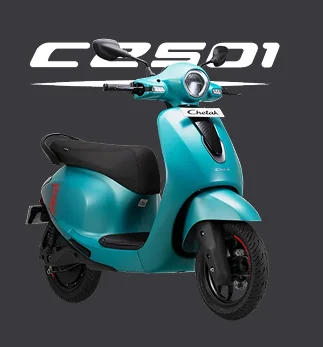
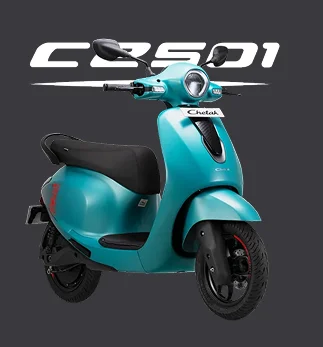
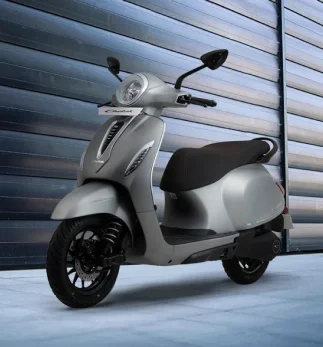
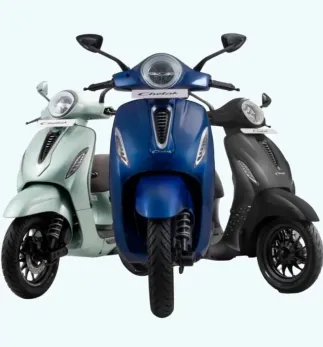
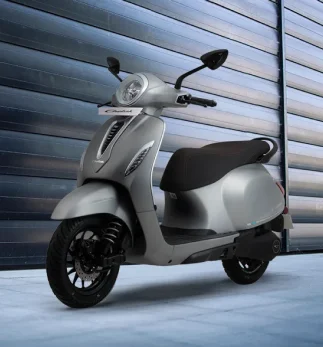
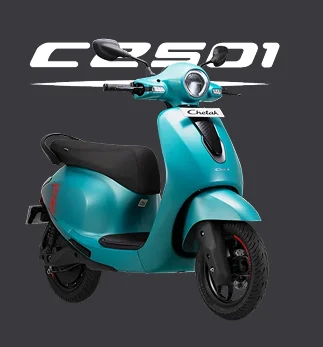
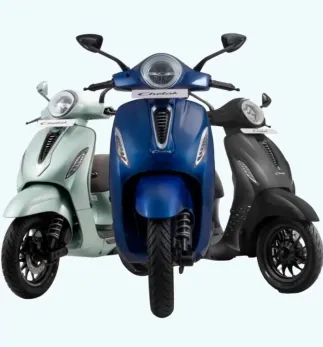
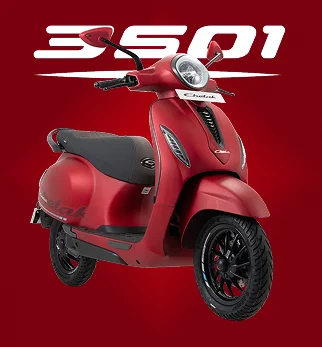
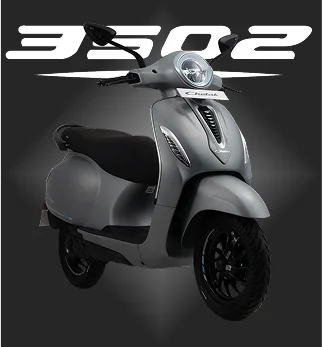
When exploring options like the Chetak 3501, Chetak 3502, Chetak 3503, or Chetak 3001, comparing battery size and charging patterns can help you assess overall running costs more realistically.
Recent Articles
How to Increase Electric Scooter Range With Smarter Riding Habits
Know More
Which Bajaj Chetak Models Offer the Best Combination of High Speed and Rider-Focused Features?
Know More
5 Features that Make an Electric Scooter for Hilly Areas More Practical
Know More
5 Electric Scooter Maintenance Habits that can Support Long-term Performance
Know More
How to Choose a High-Performance Electric Scooter for Daily Use
Know More













.webp)


























































.webp)