
 Back
Back
Last Updated: Mar 23 2026, 14:00 PM IST
Electric Scooter Power Consumption: Key Factors Affecting Efficiency




Why do some Electric scooters seem to cover long distances effortlessly while others struggle to reach the next stop? The difference is not always obvious, and many riders are left questioning why their scooter’s performance varies so much. One key aspect is electric scooter power consumption, which plays a major role in how far and efficiently a scooter can travel. The patterns behind energy use can be surprising, and even experienced riders often overlook them. Understanding what truly affects your scooter’s performance can change the way you ride and maintain it. Keep reading to explore the hidden influences that determine how effectively your scooter uses its power.
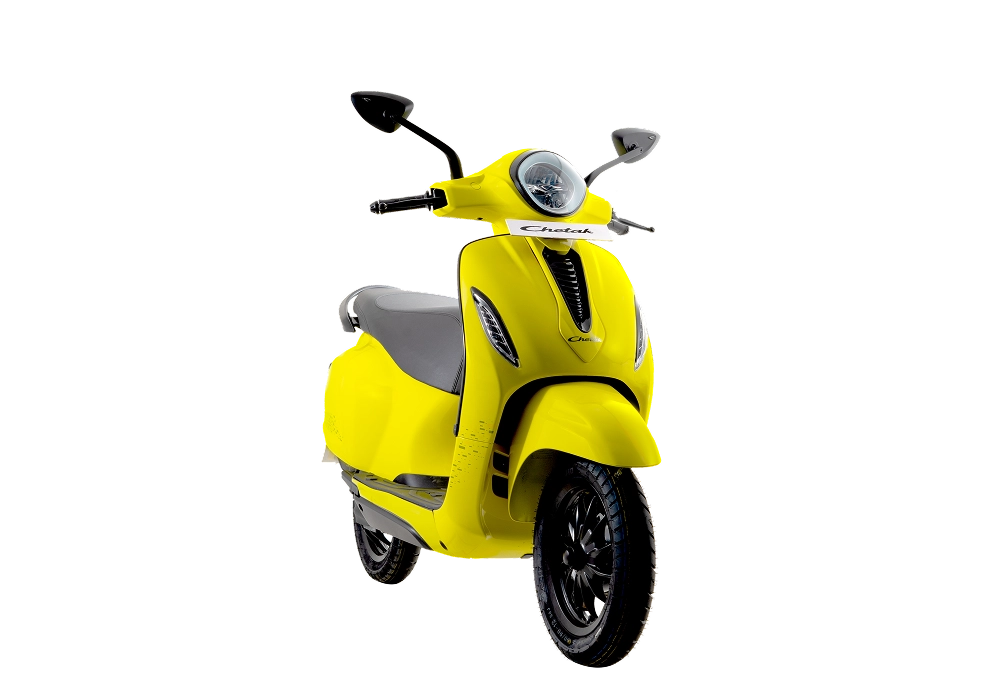
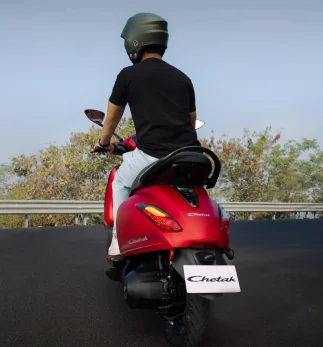
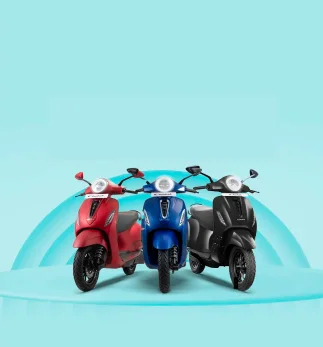
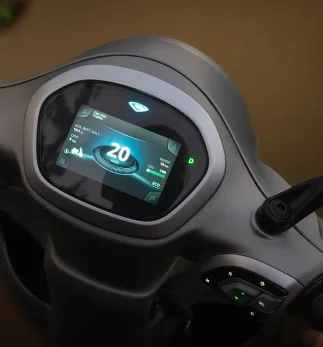
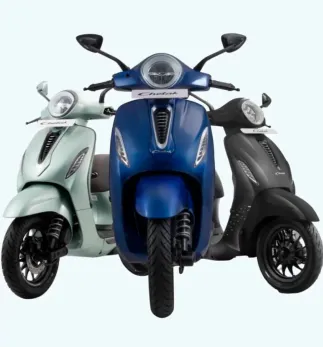
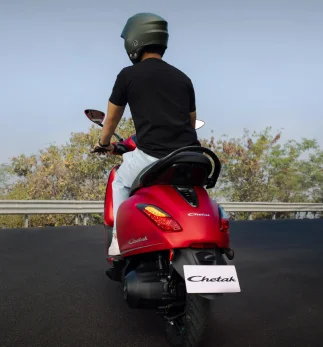
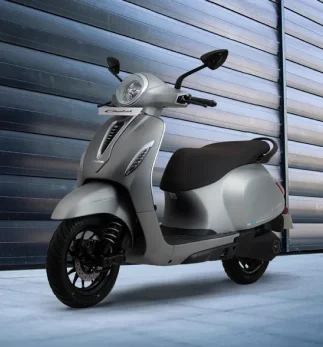
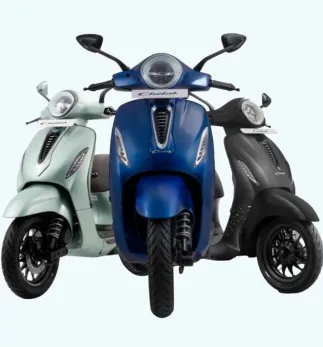
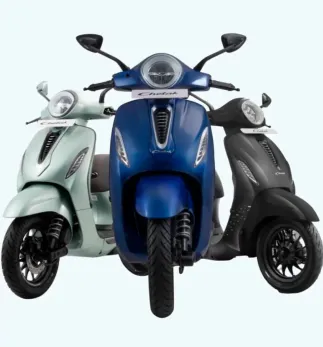
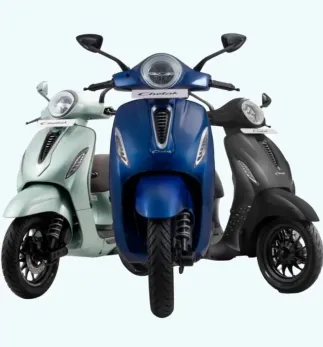
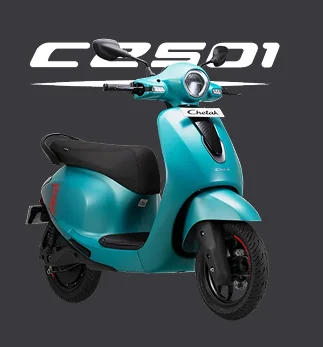
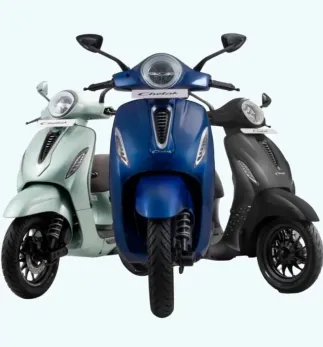
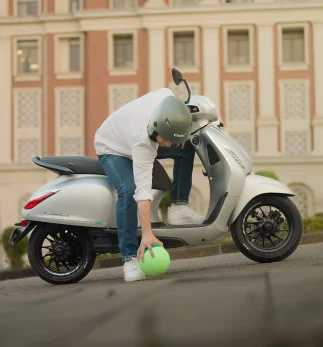
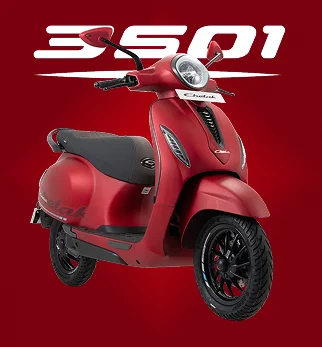
Bajaj Chetak 3001
Key Factors that Affect Electric Scooter Power Consumption
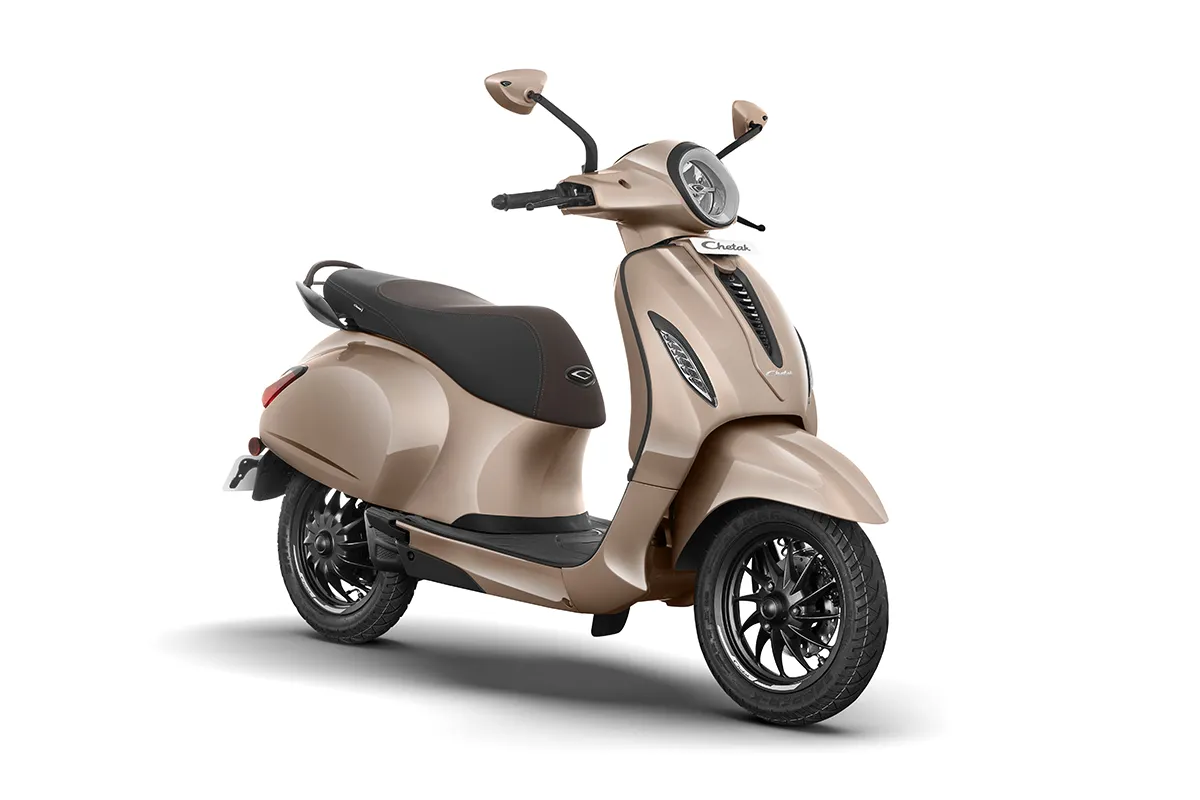
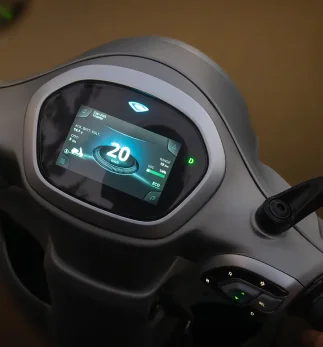
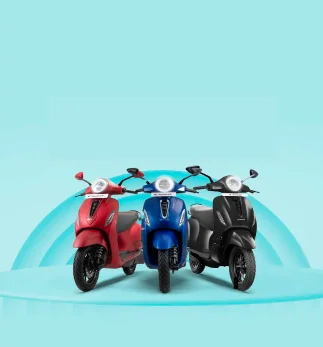
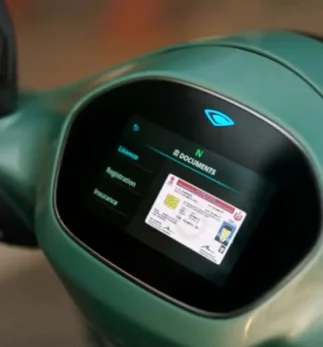
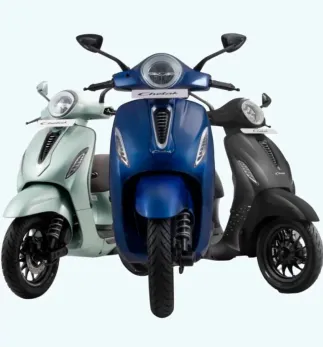
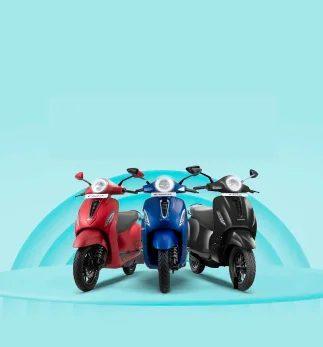
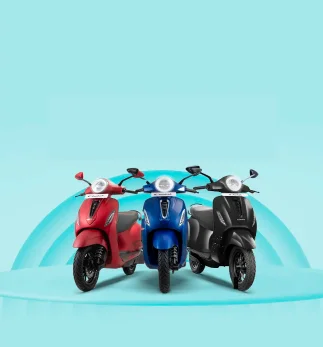
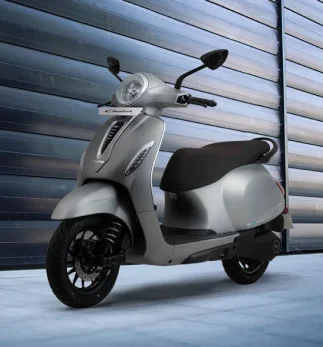
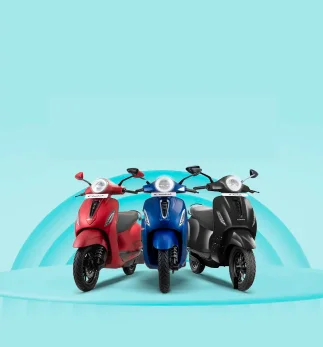
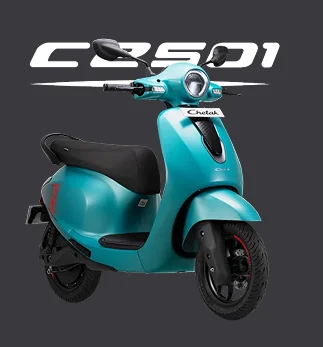
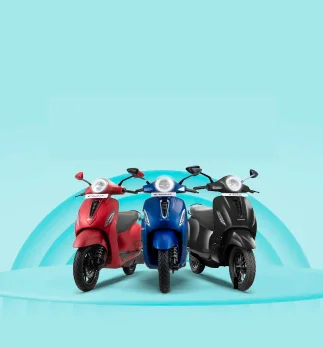
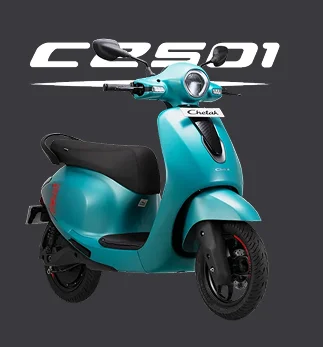
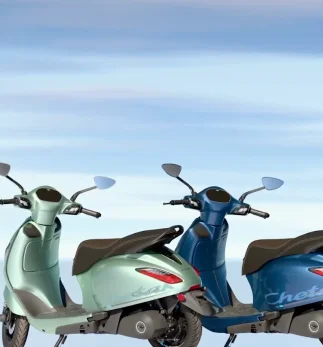
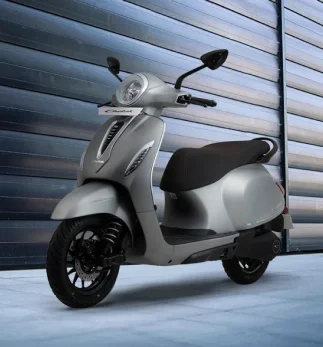
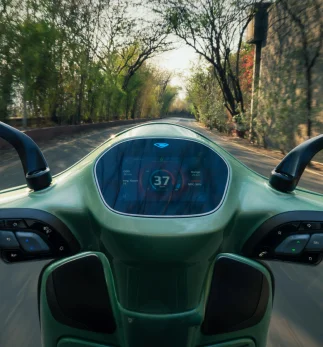
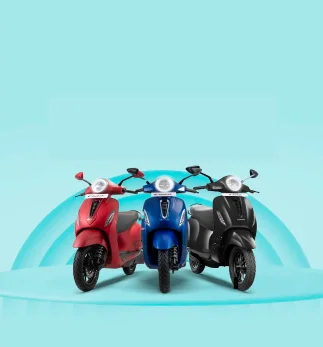
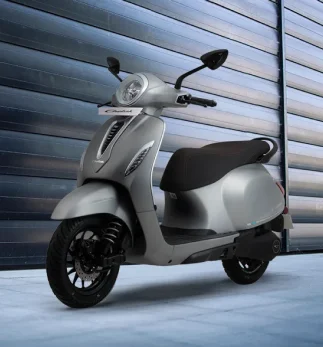
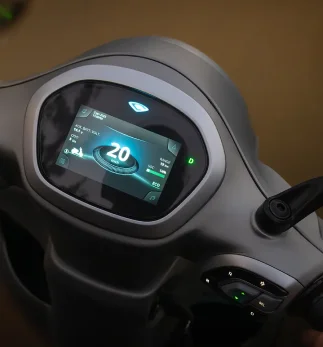
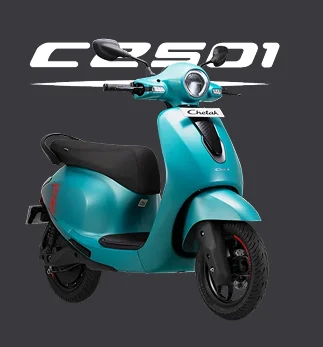
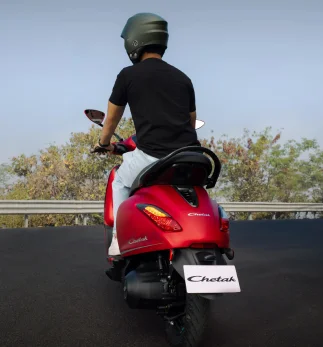
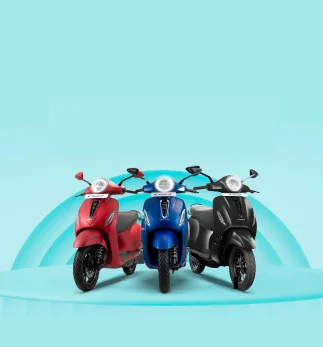
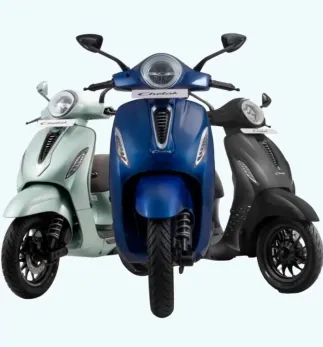
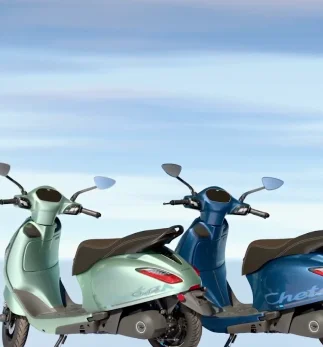
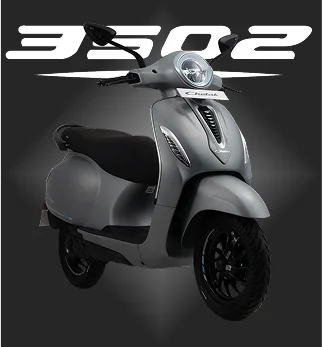
Electric scooters like the Bajaj Chetak C2501 and Bajaj Chetak C3001 are redefining city commuting in India, offering longer ranges and smart design features. Understanding the factors that influence battery performance helps riders get the most from these scooters, ensuring smoother, more efficient, and reliable daily travel.
1. Rider and Cargo Weight Matters
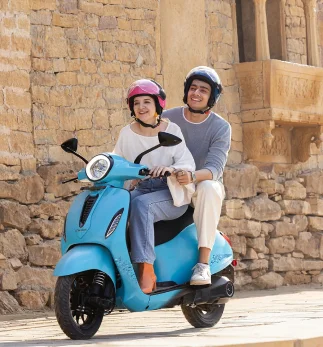
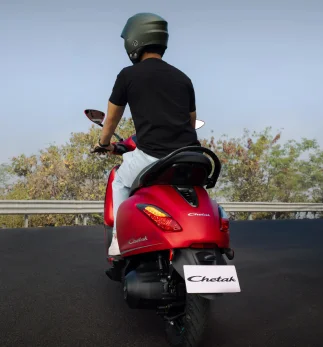
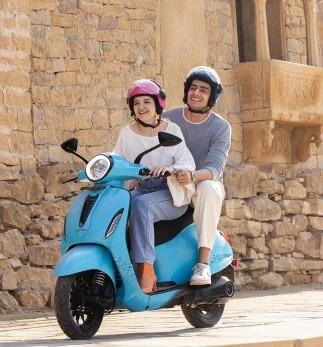
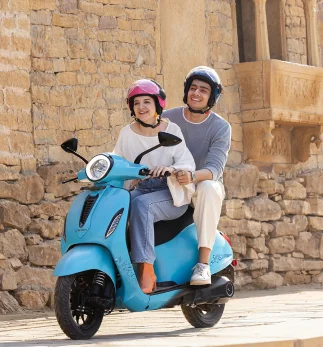
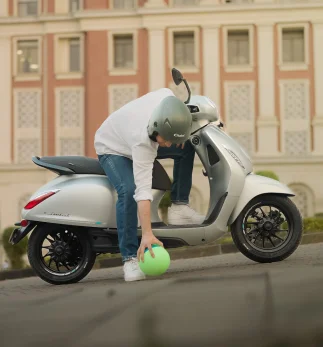
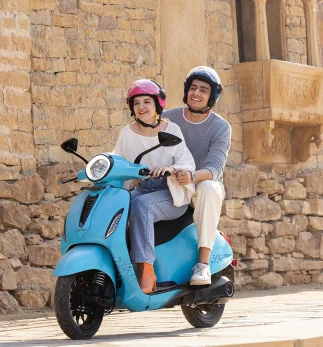
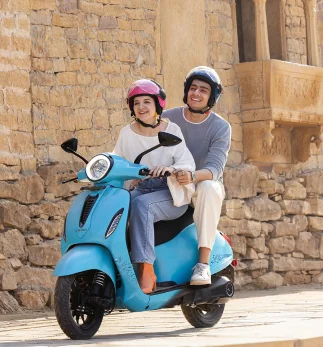
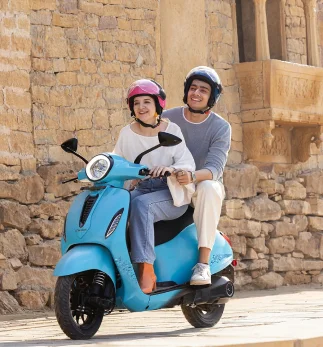
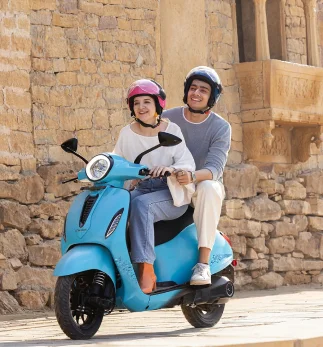
The combined weight of the rider and any cargo significantly affects battery life. Heavier loads require more energy to accelerate and maintain speed, reducing the distance achievable on a single charge. The Bajaj Chetak C2501 has a 2.5 kWh battery and 113 km range. While the Bajaj Chetak C3001, with a 3.0 kWh battery and 127 km range, performs best when the weight is balanced. Carrying the essentials and distributing the load evenly improves stability and allows the scooter to reach its full range. Even small items, like a backpack or shopping bag, can affect efficiency.
2. Riding Style Influences Battery Life
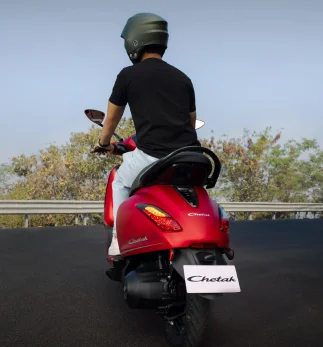
Frequent bursts of speed, abrupt braking, and rapid acceleration increase energy consumption. Smooth, controlled riding and maintaining a steady, moderate pace help the electric scooters use energy efficiently.
Planning routes to avoid stop-and-go traffic or congested streets further preserves battery life, while also ensuring a safer and more comfortable ride.
3. Terrain and Road Surfaces Affect Power Use
Uphill climbs, uneven pavements, and cobblestone streets require more power from the motor, reducing the distance that can be travelled per charge and increasing overall battery consumption. Smooth, flat, and well-maintained roads allow scooters to achieve maximum efficiency and provide a more comfortable, stable ride. Even short steep inclines can noticeably affect overall range, making careful route planning important for everyday commuting and energy management.
4. Tyre Pressure Impacts Efficiency
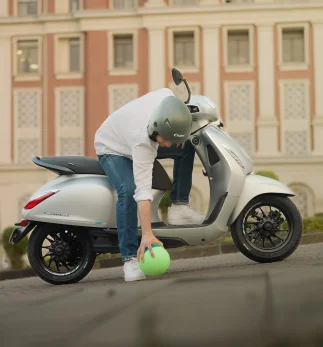
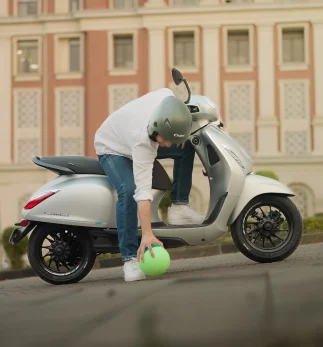
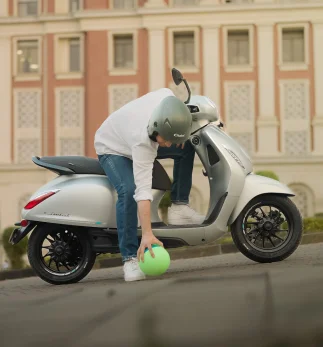
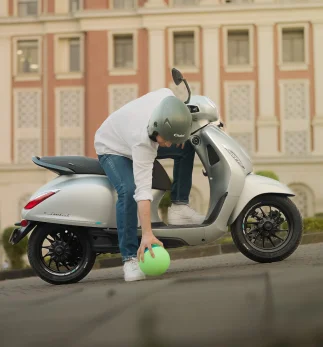
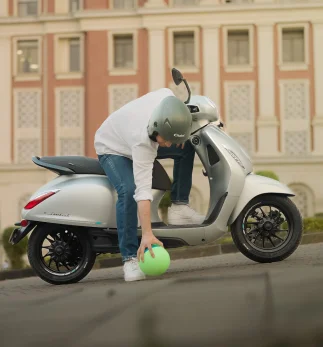
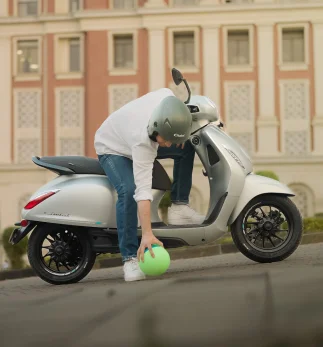
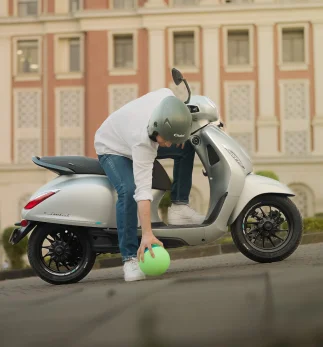
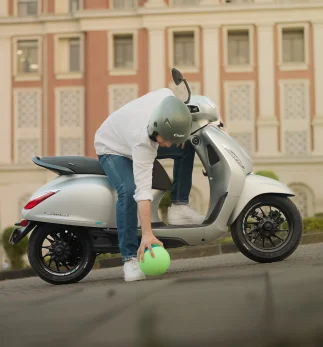
Under-inflated tyres increase rolling resistance, forcing the motor to work harder and consume more energy, which reduces overall efficiency. Maintaining correct tyre pressure ensures smooth handling, better stability, and optimal battery performance in all conditions. Properly inflated tyres also absorb minor shocks, provide a more comfortable ride, improve safety, and extend battery life over longer commuting distances.
5. Weather Conditions Change Battery Performance
External conditions, such as temperature, wind, and humidity, affect overall efficiency. Cold weather reduces battery capacity, while strong headwinds increase energy use and strain the motor. Rain and wet surfaces require more cautious riding, slightly raising power consumption and affecting traction. Adjusting speed, selecting milder routes, and preparing for seasonal variations help the electric scooter maintain consistent performance throughout the year. This helps in providing reliable commuting even in challenging weather conditions.
6. Battery Health Determines Consistent Range
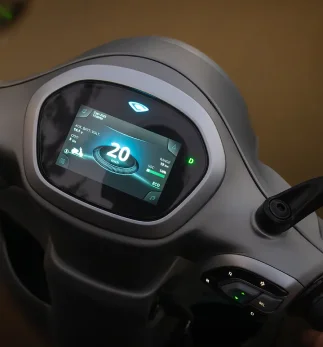
Battery condition and capacity are critical for a predictable range and overall scooter longevity. The Bajaj Chetak C2501 charges from 0–80% in just 2 hours and 25 minutes and supports a top speed of 60 km/h. While the Bajaj Chetak C3001 provides up to 127 km per charge with its 3.0 kWh battery. Regular charging, avoiding deep discharges, and monitoring battery health help maintain consistent performance, ensuring smoother acceleration, and minimising the risk of unexpected power loss.
7. Motor Efficiency Improves Every Ride
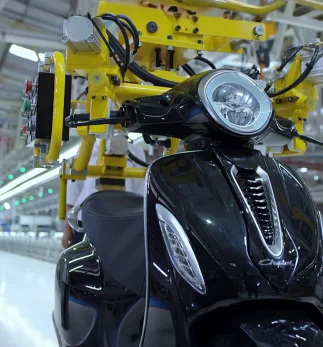
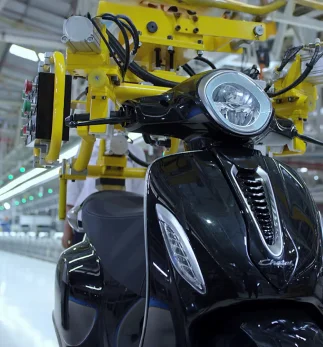
The motor converts electrical energy into motion, so high efficiency is essential for optimal performance. High-performance motors generate less heat, reduce energy loss, and allow scooters to travel further per charge while reducing wear over time. Both the Bajaj Chetak C2501 and C3001 benefit from proper maintenance, cleaning, and occasional lubrication. This improves responsiveness, reduces energy consumption, extends motor lifespan, and ensures a smoother, more cost-effective ride for daily city commuting.
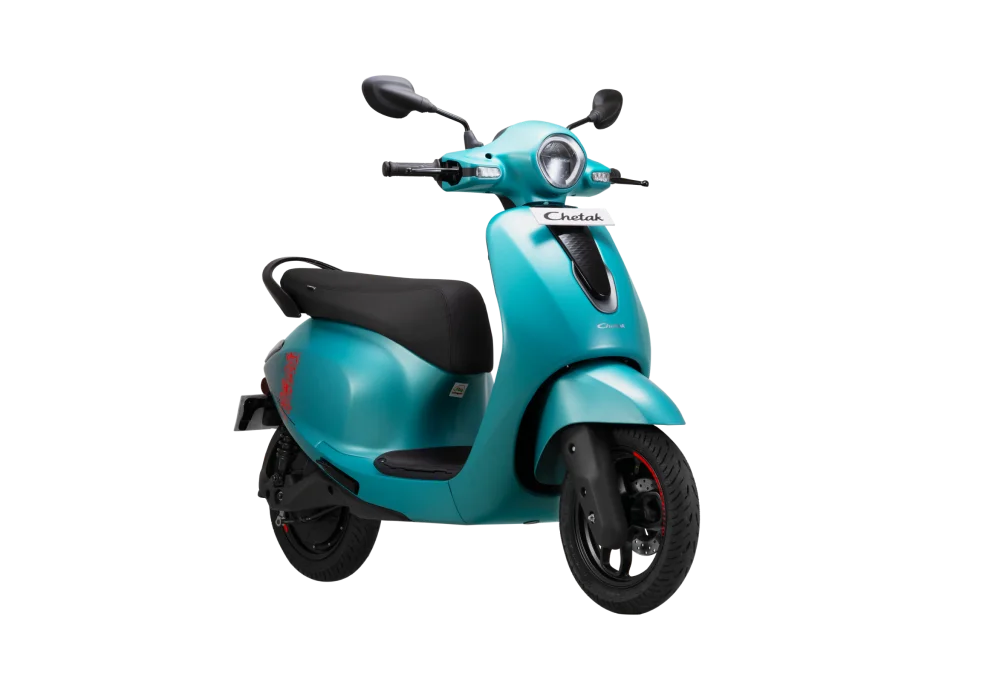
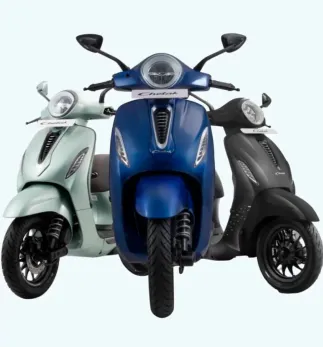
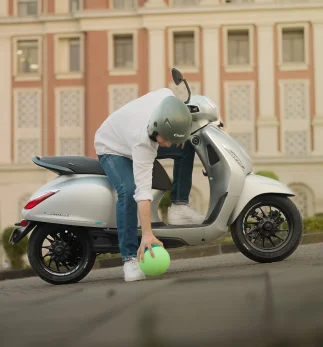
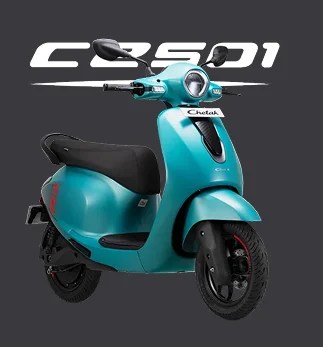
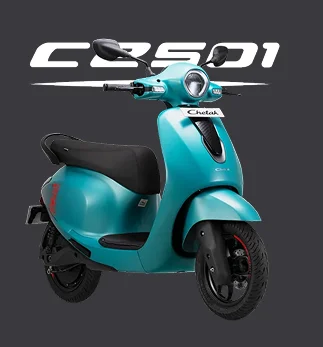
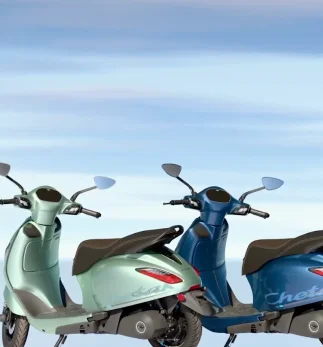
Bajaj Chetak C2501
Maximise Your Electric Scooter Range and Efficiency
Several hidden factors influence electric scooter power consumption, including rider weight, speed, terrain, tyre pressure, weather conditions, battery health, and motor performance. Being aware of these elements allows riders to make informed decisions that optimise their scooters for longer journeys and more consistent efficiency. Bajaj electric scooters are designed with advanced engineering to ensure reliable performance, helping users manage energy effectively and enjoy extended range on every ride. By combining careful riding habits, proper maintenance, and attention to battery and motor care, riders can make each trip smooth, efficient, and enjoyable. Explore Bajaj scooters today to experience a ride that perfectly balances power, range, comfort, and reliability for daily commutes or longer trips.
Recent Articles
How to Increase Electric Scooter Range With Smarter Riding Habits
Know More
Which Bajaj Chetak Models Offer the Best Combination of High Speed and Rider-Focused Features?
Know More
5 Features that Make an Electric Scooter for Hilly Areas More Practical
Know More
5 Electric Scooter Maintenance Habits that can Support Long-term Performance
Know More
How to Choose a High-Performance Electric Scooter for Daily Use
Know More
.webp)


.webp)