
 Back
Back
Last Updated: Mar 16 2026, 10:00 AM IST
How Electric Vehicles Benefit the Environment: A Sustainable Future




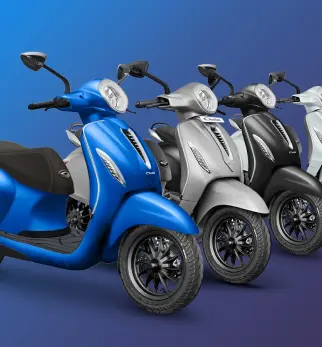
What if the way we travel every day could quietly help the planet? Most of us use a vehicle for work, study, shopping or meeting friends. We rarely stop to think about the impact each ride has on the air we breathe. Now imagine if your daily commute could reduce pollution rather than add to it. That is where electric mobility steps in. With Bajaj Chetak 3501, Chetak 3502, Chetak 3503, Chetak 3001, Chetak C2501, and many other electric options on the road today, the shift towards cleaner travel is already happening. But beyond brand names and model numbers, the bigger story is about the environmental benefits of electric vehicles and how they shape a more sustainable future for all of us. Let us break this down in a clear and simple way.
1) Reduced Air Pollution in Cities
One of the most important environmental advantages of electric vehicles is the clear reduction in air pollution at street level.
Traditional petrol and diesel vehicles emit smoke containing harmful gases. These gases add to smog and make city air unhealthy. Over time, this affects the lungs, heart health and overall quality of life.
Electric vehicles do not have exhaust pipes. This means they do not release smoke while running. When more people switch to electric, the air in crowded areas becomes cleaner.
Cleaner air leads to:
- Lower levels of harmful gases in cities
- Reduced smog formation
- Healthier breathing conditions for families
The environmental benefits of electric vehicles are clearly evident in busy areas with heavy traffic.

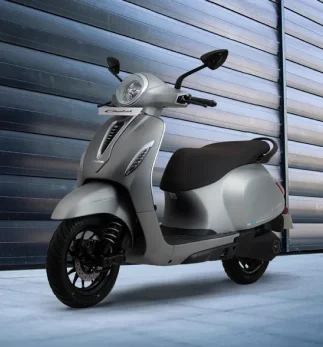
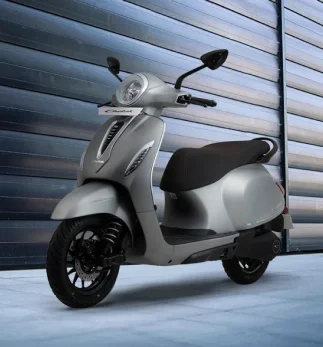
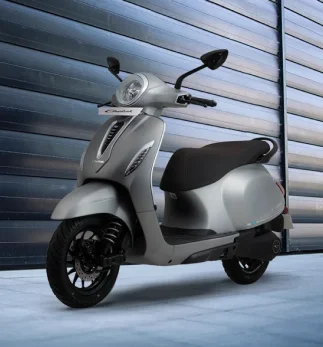
Bajaj Chetak
2) Lower Greenhouse Gas Emissions
Climate change is a major concern worldwide. Transport plays a large role in adding greenhouse gases to the atmosphere. These gases trap heat, increasing global temperatures.
Another important point when discussing the environmental benefits of electric vehicles is their lower overall greenhouse gas emissions. Even when electricity is generated from mixed sources, electric vehicles usually produce fewer total emissions than fuel-based vehicles over their full life cycles.
When more electricity is produced through solar and wind energy, the overall environmental benefits become stronger and more noticeable.
This leads to:
- Lower carbon emissions per kilometre
- Reduced dependence on fossil fuels
- Support for national climate goals

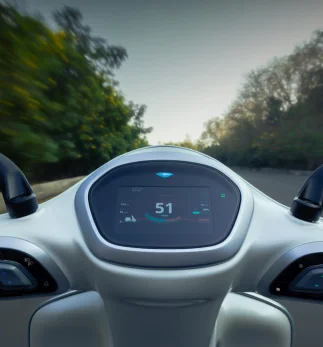
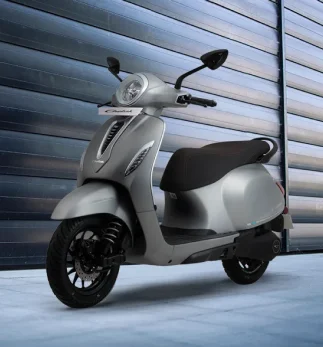
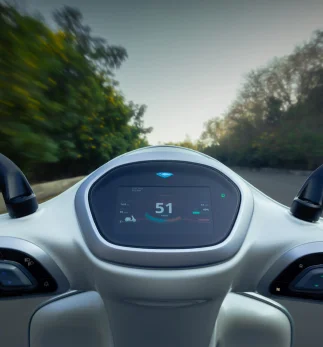
Bajaj Chetak
3) Better Energy Efficiency
Electric vehicles are more energy efficient than traditional vehicles. A large part of the fuel energy in petrol and diesel vehicles is lost as heat. In contrast, electric motors convert a greater portion of electrical energy into mechanical motion.
This efficiency is one of the often-overlooked environmental benefits of electric vehicles. Using energy more effectively means less waste and lower overall resource demand.
Higher efficiency results in:
- Less energy needed for the same distance
- Lower strain on fuel resources
- Improved use of available electricity
When energy is used wisely, its impact on nature is reduced. That is why the environmental benefits of electric vehicles go beyond tailpipe emissions.
4) Reduced Noise Pollution
Environmental health is not only about air and carbon levels. Noise also affects well-being. Continuous engine noise in cities creates stress and discomfort.
Electric vehicles are much quieter than fuel-powered vehicles. The absence of a loud engine reduces traffic noise, especially in residential and school areas.
This quieter movement supports:
- More peaceful neighbourhoods
- Lower stress levels in busy zones
- Improved urban living conditions
While this may seem small, reduced noise is another clear example of the environmental benefits of electric vehicles in daily life.
5) Limited Dependence on Fossil Fuels
Petrol and diesel are limited resources. Their extraction and transport also cause environmental damage, including oil spills and land disturbance.
One of the long-term environmental benefits of electric vehicles is reduced dependence on these fuels. Electricity can be produced from different sources, including clean and locally available options.
Lower fossil fuel use means:
- Less drilling and mining impact
- Reduced risk of fuel-related environmental accidents
- Greater energy security
By shifting to electric, societies reduce pressure on natural reserves and protect ecosystems.
6) A Sustainable Future Within Reach
The shift to electric vehicles is not only about new technology. It is about building a cleaner and more responsible future. Bajaj is playing its part in this shift by promoting electric mobility for everyday travel.
By cutting air pollution and greenhouse gas emissions, reducing noise and saving fuel, electric vehicles offer environmental benefits that are broad and significant. Each electric vehicle on the road supports better air quality, improves energy efficiency and lowers total carbon emissions.
As governments, companies and individuals move towards cleaner transport, the environmental benefits of electric vehicles will continue to grow. The change may start with a single ride, but its impact reaches far beyond the road.
A sustainable future is built through daily choices. Choosing electric mobility is one of those steps that supports the planet in a practical and lasting way.
Recent Articles
How to Increase Electric Scooter Range With Smarter Riding Habits
Know More
Which Bajaj Chetak Models Offer the Best Combination of High Speed and Rider-Focused Features?
Know More
5 Features that Make an Electric Scooter for Hilly Areas More Practical
Know More
5 Electric Scooter Maintenance Habits that can Support Long-term Performance
Know More
How to Choose a High-Performance Electric Scooter for Daily Use
Know More
















.webp)


























































































.webp)