
 Back
Back
Last Updated: Mar 26 2026, 12:00 PM IST
Essential Electric Scooter Documents You Need to Ride Legally in India




Electric scooters have become a common sight across Indian cities. From daily office commutes to college rides and quick market runs, they offer convenience and lower running costs. However, while the switch to electric feels simple, riding legally still requires compliance with road regulations. Many riders assume electric vehicles are exempt from paperwork. That is not always true. Depending on the scooter's speed and power, you may still need proper electric scooter documents to stay compliant. Understanding these requirements helps you avoid fines, vehicle seizure, or legal trouble. This blog explains the essential electric scooter documents required in India, when they apply, and how to keep them updated.
Why Electric Scooter Documents Matter
Indian road laws treat most electric scooters as motor vehicles if they exceed certain speed and power limits. As per the Central Motor Vehicles Rules, scooters with:
- Top speed above 25 km/h
- Motor power above 250 watts
If your scooter falls in this category, carrying valid electric scooter documents is mandatory. These documents prove ownership, registration, insurance coverage, and legal eligibility to ride. Even for low-speed models, understanding document requirements is important to avoid confusion during traffic checks.
8 Important Electric Scooter Documents in India
Before you head out on the road, it is essential to understand which electric scooter documents apply to your vehicle category. These documents ensure legal compliance, protect you during traffic checks, and help avoid unnecessary penalties.
1. Registration Certificate (RC)
The Registration Certificate is one of the most important electric scooter documents for high-speed electric scooters. It confirms that your vehicle is officially registered with the transport authorities and legally permitted to operate on public roads.
- Required if the scooter exceeds 25 km/h or 250W motor power.
- Issued by the Regional Transport Office after successful registration.
- Includes a registration number, number plate, and digital or physical RC.
- Not required for low-speed scooters within prescribed limits.
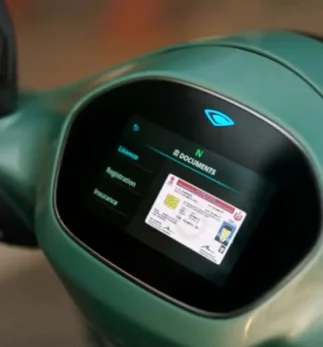
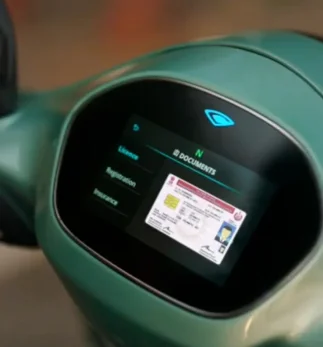
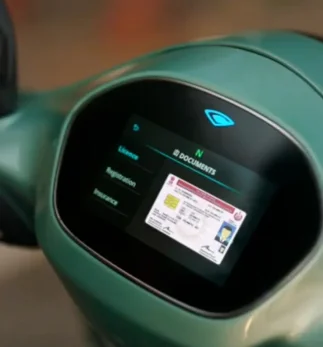
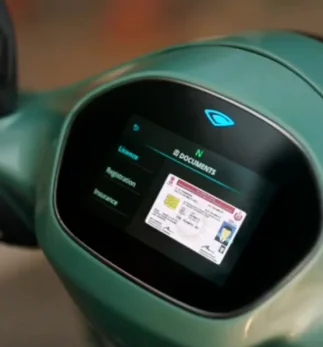
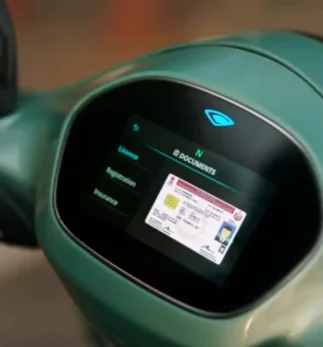
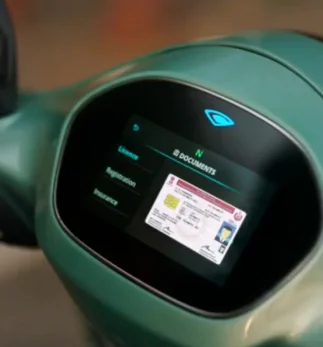
- Can be stored digitally on DigiLocker or mParivahan for verification.
2. Driving Licence
A driving licence is a key document required for riders of registered, high-speed scooters. It establishes that you are legally authorised to operate a motor vehicle.
- Mandatory for high-speed electric scooters.
- Not required for scooters below 25 km/h and 250W.
- Usually requires a valid two-wheeler licence category.
- The minimum age is generally 18 years for registered scooters.
- Must be carried physically or digitally during traffic checks.
3. Motor Insurance Policy
Motor insurance is one of the most essential documents for registered scooters. It protects you against financial liability arising from accidents or third-party damages.
- Third-party insurance is compulsory for registered scooters.
- Comprehensive insurance offers wider protection coverage.
- Not mandatory for low-speed non-registered scooters, though advisable.
- Must be valid and renewed before expiry.
- Riding without insurance can attract heavy fines and penalties.
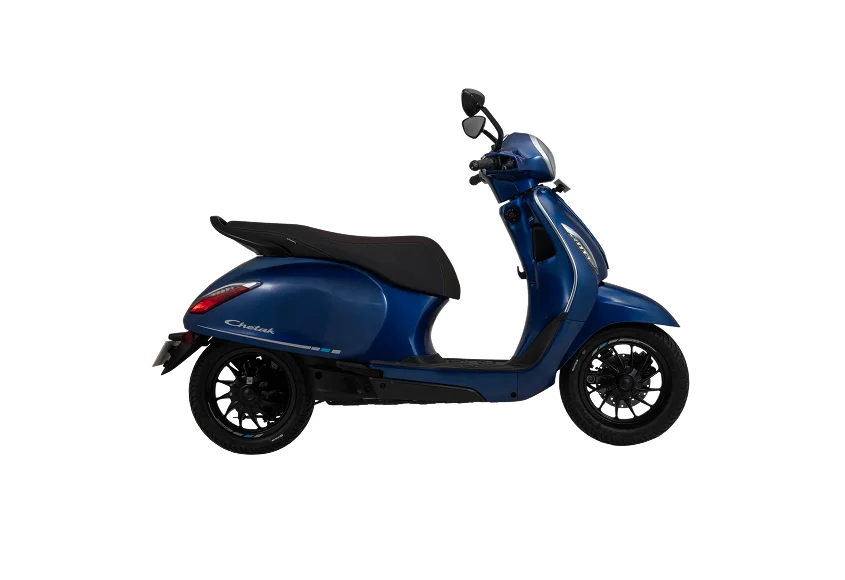
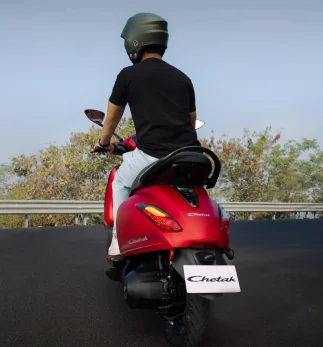
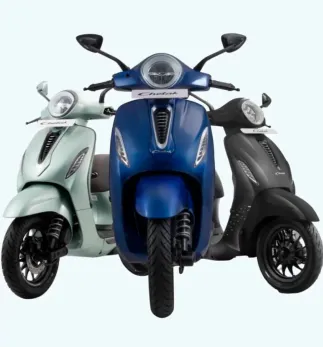
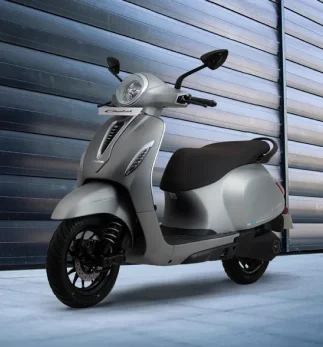
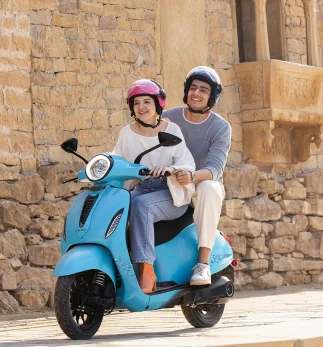
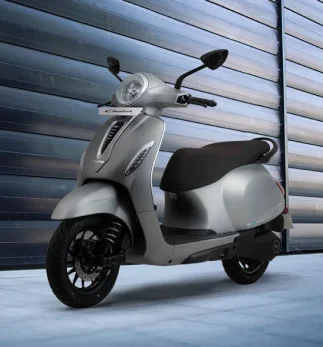
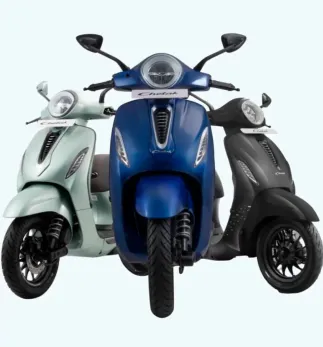
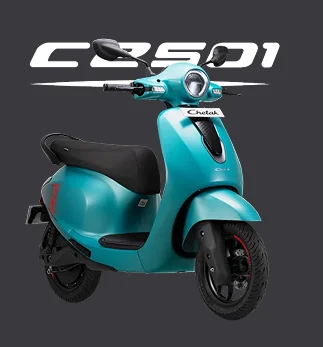
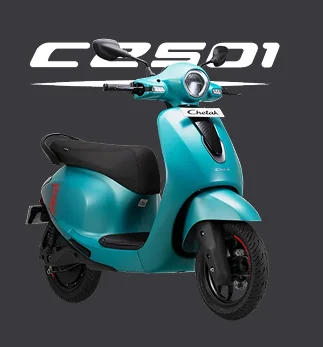
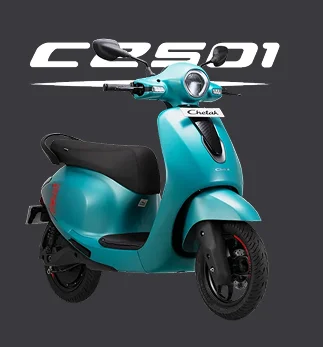
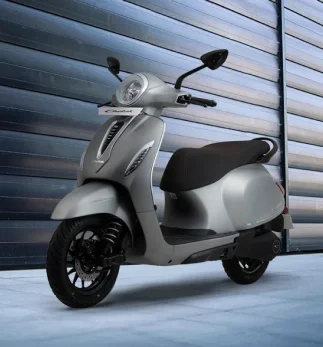
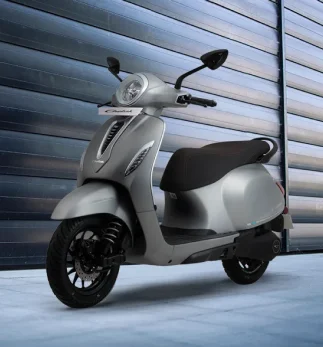
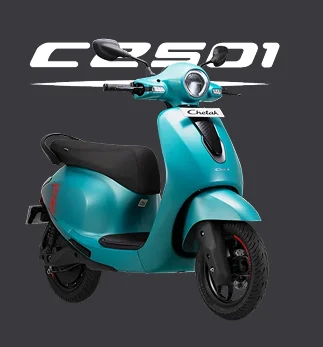
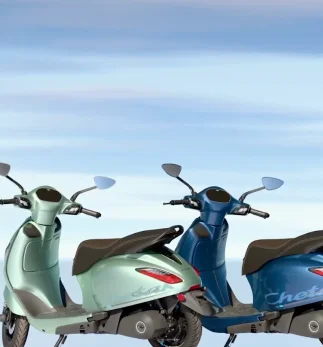
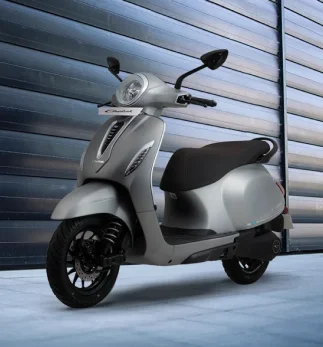
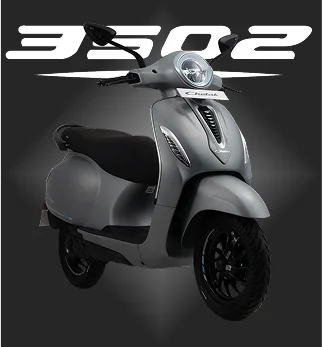
Bajaj Chetak 3502
4. Pollution Under Control (PUC) Certificate
Many riders question whether a PUC certificate is part of the required electric scooter documents. Electric scooters operate differently from fuel-powered vehicles.
- Electric scooters are exempt from PUC certification.
- No tailpipe emissions means no pollution testing requirement.
- No periodic renewal needed for emission checks.
- Applies to both low-speed and high-speed electric scooters.
- Other applicable electric scooter documents must still be carried if registered.
5. Invoice and Purchase Receipt
While not always demanded during inspections, the invoice forms an important part of your electric scooter documents. It acts as primary proof of ownership before RC issuance.
- Serves as initial ownership proof.
- Required for insurance claims in certain cases.
- Useful for resale and ownership transfer.
- Needed for warranty or service disputes.
- Supports loan processing and financing documentation.
6. Road Tax Payment Proof
Road tax compliance is important for registered electric scooters, even though many states offer incentives for EV adoption.
- Some states provide partial or full road tax exemptions.
- Tax details are recorded during RTO registration.
- Reflected in the Registration Certificate records.
- Exemptions vary across states and policies.
- Always verify local EV policy before assuming a tax waiver.
7. Vehicle Fitness and Compliance
Compliance with safety standards remains critical among electric scooter documents and obligations.
- Must comply with CMVR standards.
- Requires type approval certification from authorities.
- Battery safety standards must be met.
- Illegal modifications can invalidate insurance.
- Non-compliance may lead to legal complications.
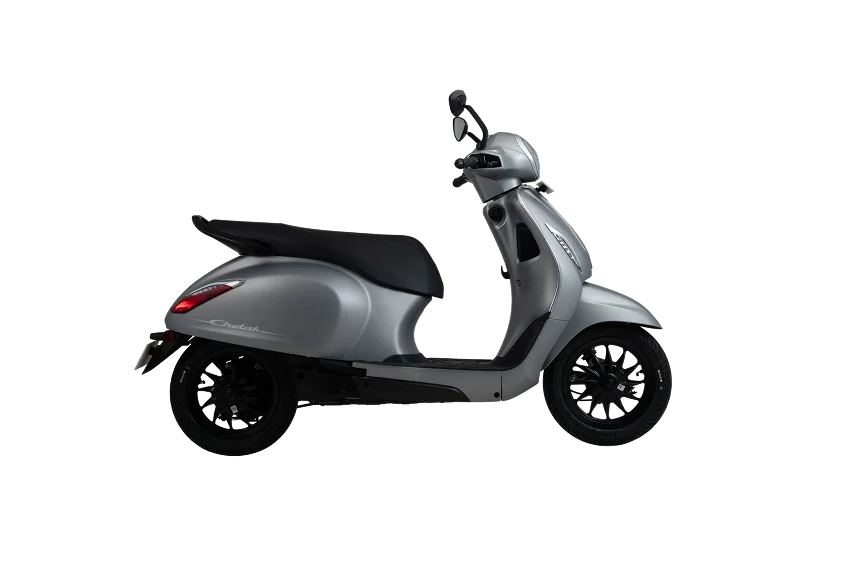
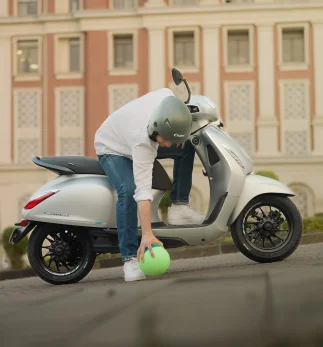
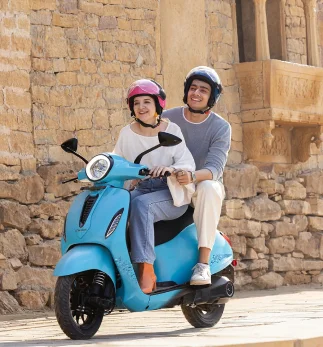
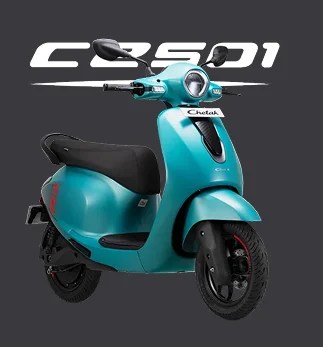
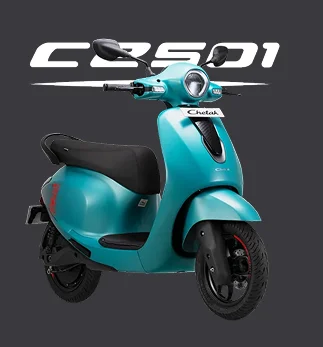
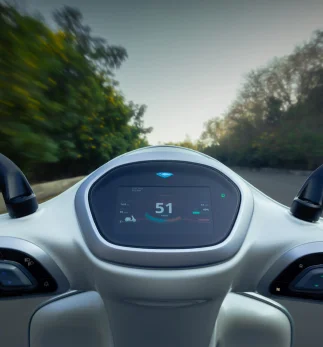
Bajaj Chetak 3503
8. Loan Hypothecation Documents
If the scooter is financed, the loan-related paperwork becomes an important part of your electric scooter documents.
- Hypothecation details are recorded in the RC.
- Lender retains partial rights until loan repayment.
- Removal of hypothecation is required after loan closure.
- Necessary for resale or ownership transfer.
- Keep loan closure certificates safely for documentation updates.
Secure Your Every Ride with Complete Documentation
Riding responsibly goes beyond charging your battery and checking range. Understanding and carrying the right electric scooter documents ensures you stay compliant with Indian road laws and avoid unnecessary penalties.
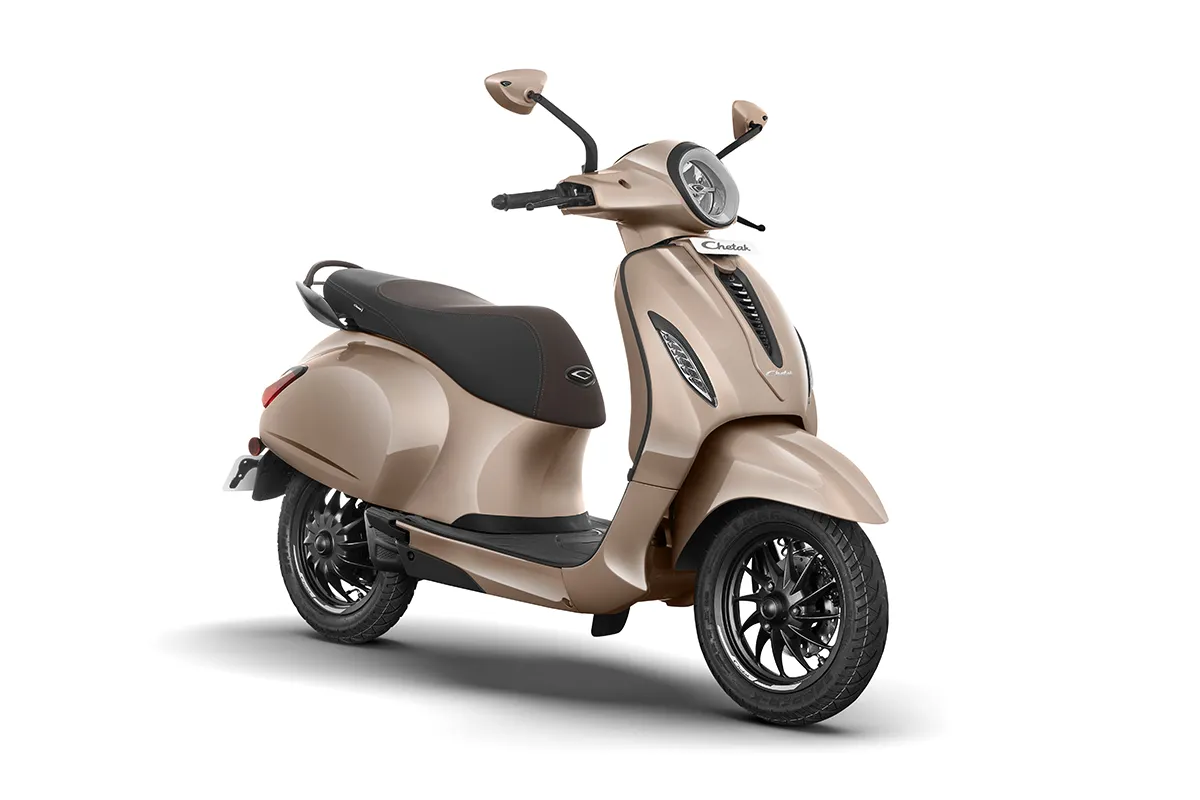
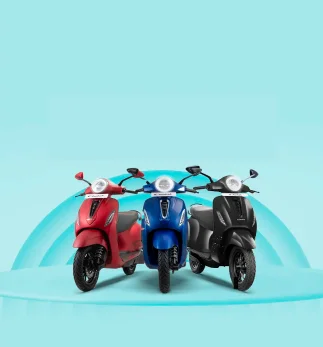
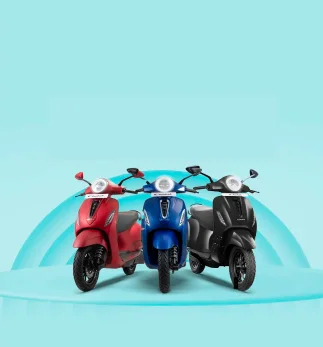
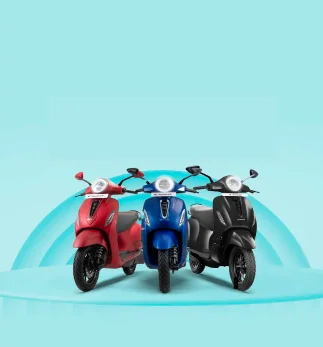
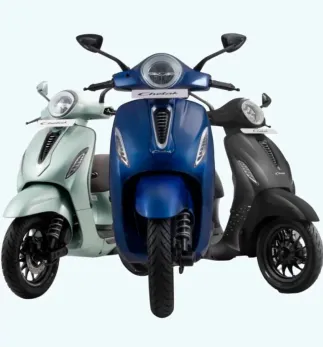
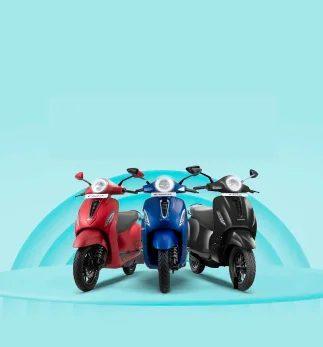
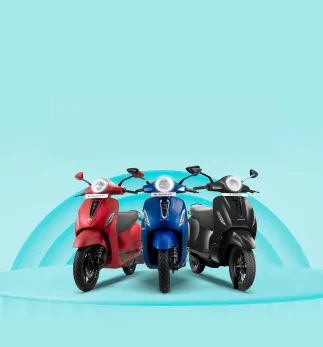
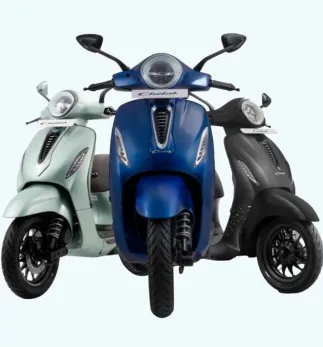
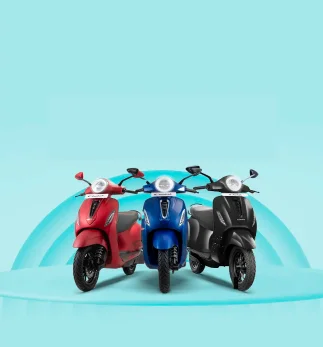
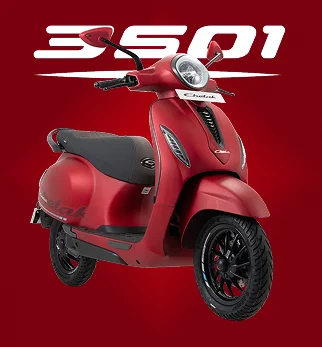
From registration and insurance to digital document storage, each requirement plays a role in protecting you legally and financially. For Bajaj Chetak models such as Chetak 3501, Chetak 3502, Chetak 3503, and Chetak 3001, compliance remains essential.
When your electric scooter documents are in order, you can focus on what truly matters: confident, efficient, and worry-free riding across India's roads.
Recent Articles
How to Increase Electric Scooter Range With Smarter Riding Habits
Know More
Which Bajaj Chetak Models Offer the Best Combination of High Speed and Rider-Focused Features?
Know More
5 Features that Make an Electric Scooter for Hilly Areas More Practical
Know More
5 Electric Scooter Maintenance Habits that can Support Long-term Performance
Know More
How to Choose a High-Performance Electric Scooter for Daily Use
Know More
.webp)


.webp)