
 Back
Back
Last Updated: Jan 28 2026, 11:00 AM IST
Electric Scooter Number Plate Rules: Registration, RTO Process & Compliance




Electric scooters are becoming increasingly popular in urban areas, offering an eco-friendly and cost-effective mode of transport. As more riders take to the streets, it is essential to understand the legal requirements of owning a scooter. One of the most critical aspects is the number plate for an electric scooter, which makes your vehicle road-legal and helps avoid penalties. Proper registration and compliance with the Regional Transport Office (RTO) rules are mandatory, regardless of whether you own a small commuter model or a premium scooter. Being aware of these requirements helps ensure a smooth ownership experience while remaining in compliance with traffic laws. Let's learn in detail about the rules for electric scooters' number plates, the registration process, and essential compliance guidelines.
How to Register Your Electric Scooter
Registering an electric scooter is a mandatory requirement for certain models under Indian motor vehicle laws. Completing this process ensures your scooter meets all legal and compliance standards. The following steps explain how to register your electric scooter with the RTO:
1. Check if Your Electric Scooter Requires Registration
Before starting the process, confirm whether your electric scooter is subject to mandatory registration requirements. High-speed scooters over 25 km/h require RTO registration, while slower models do not.
Understanding this distinction helps determine whether you need to apply for a number plate for an electric scooter and when you need to complete further legal formalities.
2. Visit the RTO or Authorised Dealership
Once registration is required, approach your nearest RTO or an authorised electric scooter dealership to begin the application process.
Many dealers assist buyers with RTO procedures, including completing the forms and coordinating the process. This step officially initiates your request for a number plate for an electric scooter linked to your vehicle details.
3. Submit the Required Documents
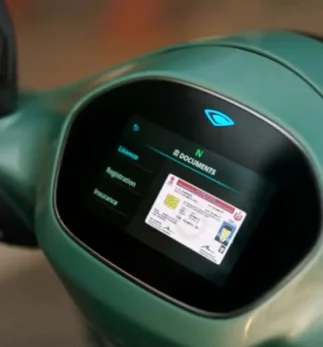
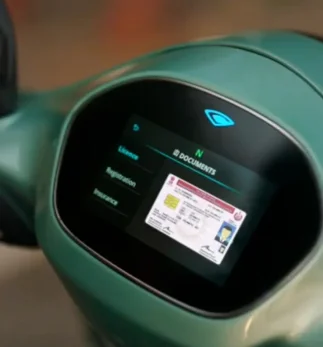
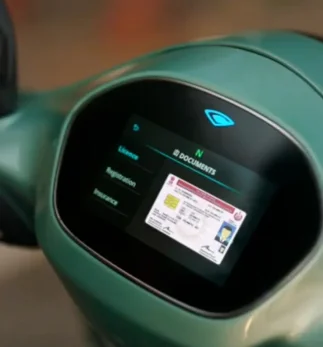
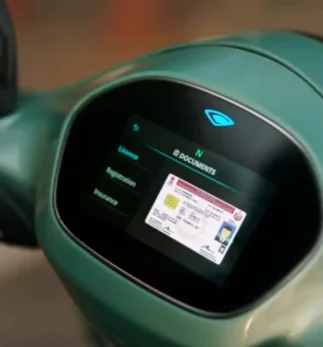
You will need to provide essential documents, including identity proof, address proof, a purchase invoice, valid insurance, and manufacturer compliance certificates.
These documents allow the RTO to verify ownership, vehicle specifications, and regulatory compliance before proceeding further.
4. Complete the Vehicle Inspection
The electric scooter must undergo a physical inspection conducted by RTO officials or authorised personnel.
During this process, the chassis, motor, and overall condition are checked before the electric scooter's number plate is issued.
5. Pay Registration Fees and Applicable Charges
After successful verification, you must pay the registration fees and any applicable road tax as per state regulations.
While many electric vehicles benefit from reduced charges or exemptions, certain administrative fees may still apply.
Receive the Registration Certificate and Number Plate
Once the application is approved, the RTO issues the Registration Certificate, either digitally or in physical form.
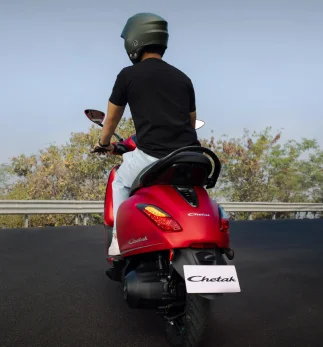
After receiving it, securely affix the electric scooter's number plate to your scooter, ensuring it is clearly visible and compliant with road regulations.
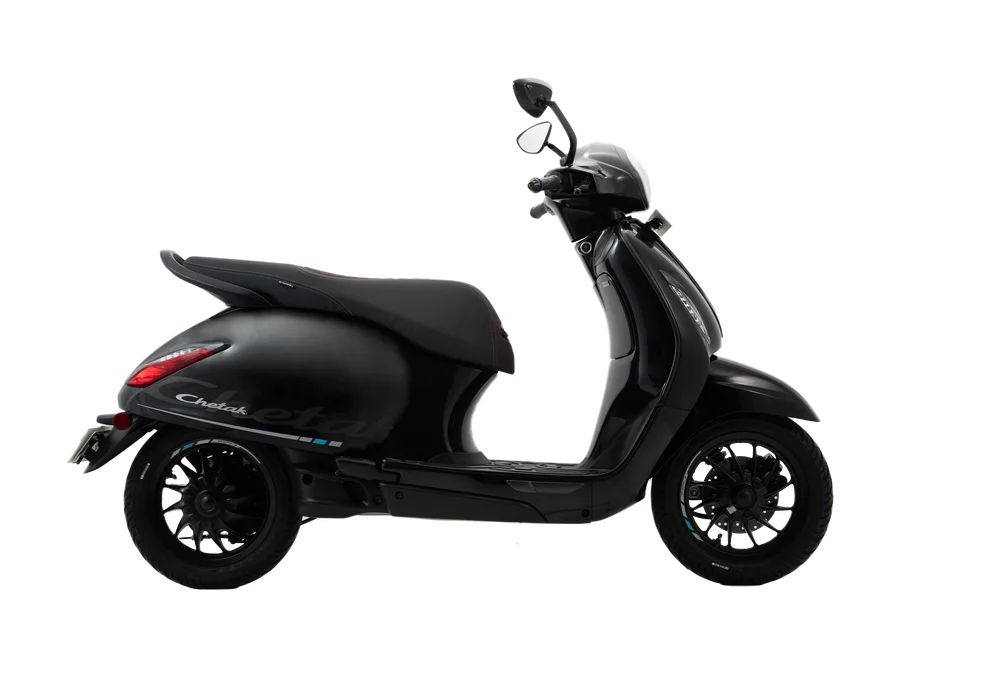
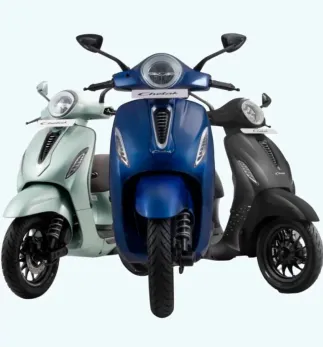
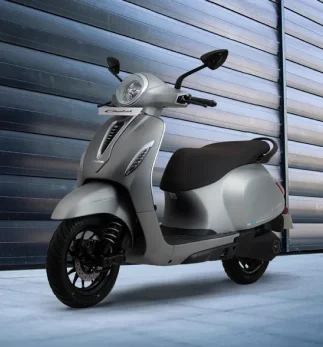
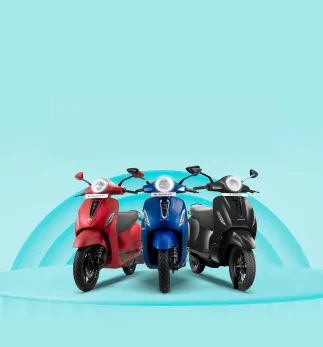
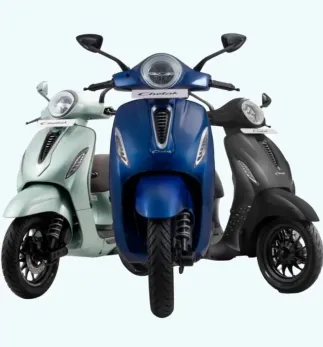
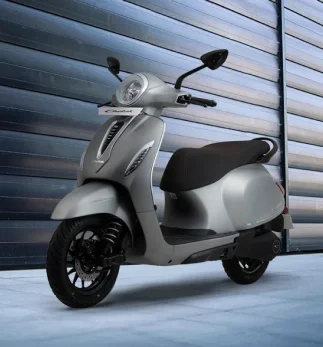
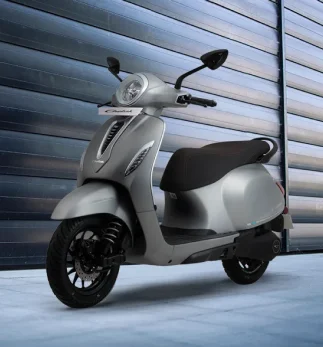
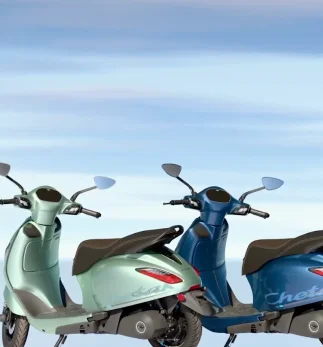
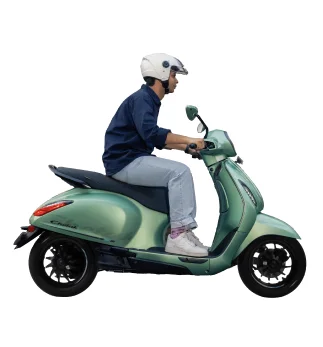
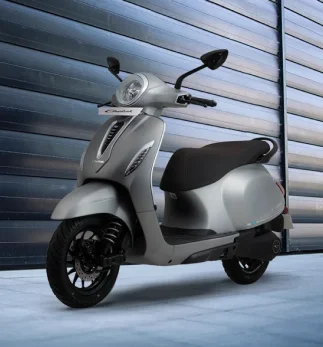
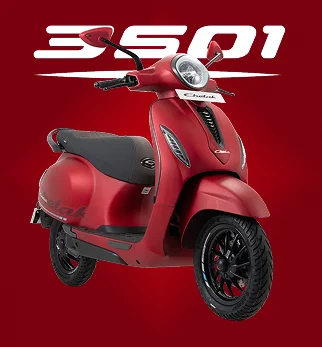
Chetak 3501
RTO Process & Compliance for Electric Scooters
The RTO process consists of official procedures established by the Regional Transport Office to ensure vehicles meet safety, identification, and legal standards before being allowed on public roads.
For electric scooters, this process focuses on registration, verification, and ongoing compliance to maintain legality and road safety.
1. Vehicle Registration Approval
The RTO carefully reviews your application, submitted documents, and vehicle inspection reports to officially register your scooter. This includes verifying ownership details, purchase invoices, and manufacturer compliance certificates.
Once approved, the scooter is issued a unique registration number. This number is then displayed on the official number plate, establishing the scooter's legal identity.
Completing this step ensures your vehicle is fully recognised under the law and can be used on public roads without issues. Accurate details at this stage also help prevent complications during future ownership transfers, insurance claims, or verification processes.
2. Issuance and Display of Number Plate
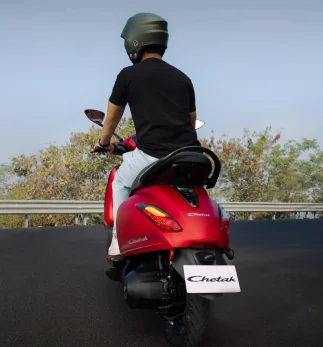
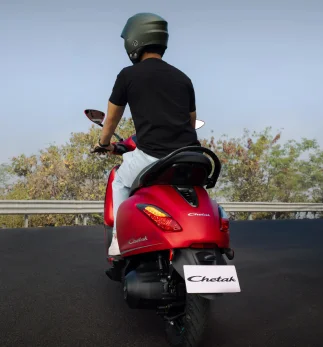
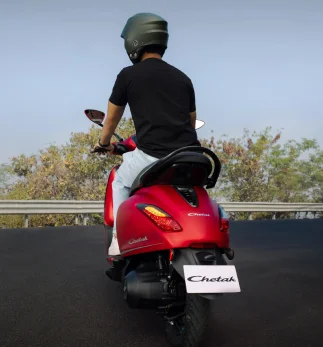
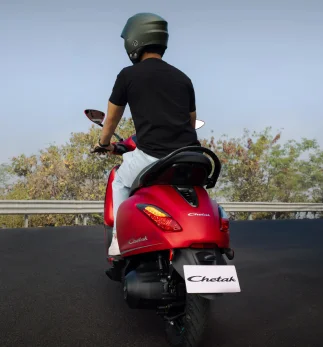
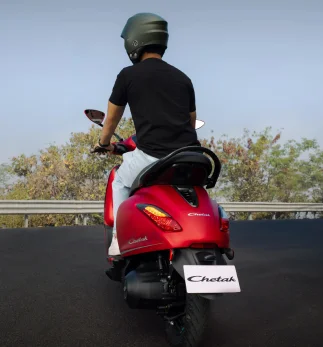
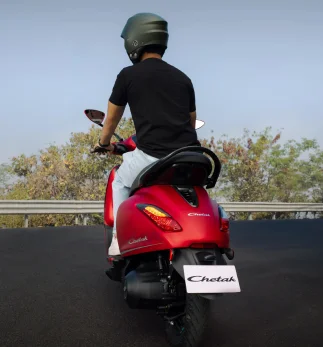
After registration, the RTO issues the number plate in the prescribed format. The plate must be clearly visible, securely fixed, and comply with size, font, and reflectivity regulations. Improper placement or damage can result in fines during inspections.
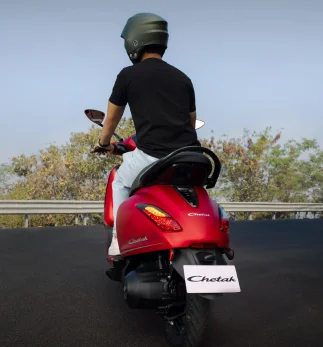
Displaying the electric scooter's number plate correctly makes your scooter legally identifiable and also enhances safety and accountability on the road. Riders should regularly inspect the electric scooter's number plate to ensure it remains legible and properly fixed at all times.
3. Insurance and Legal Documentation Compliance
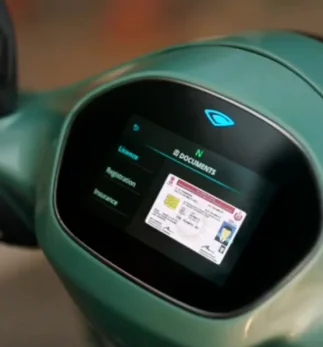
All registered electric scooters must carry valid insurance and an up-to-date Registration Certificate. These documents may be checked during traffic inspections and are essential for legal and financial protection in case of accidents, theft, or disputes.
Maintaining current documentation ensures uninterrupted compliance and prevents fines or other legal issues. Keeping both digital and physical copies adds convenience and reduces the risk of document loss.
4. Adherence to Traffic and Safety Regulations
Registration is only the first step. Riders must follow traffic laws, wear helmets, and adhere to state-specific rules for electric scooters. Non-compliance can lead to fines, suspension of registration, or other legal consequences.
Following traffic and safety standards also promotes responsible riding behaviour, reduces accident risks, and ensures a safer experience for everyone on the road.
5. Periodic Updates and Modifications
Any changes to the vehicle, such as ownership transfer, address updates, or major modifications, must be promptly reported to the RTO.
Keeping registration records up to date ensures compliance with legal requirements and prevents issues during insurance claims or inspections.
Accurate records also help preserve the scooter's ownership history, which is important for resale or legal verification purposes.
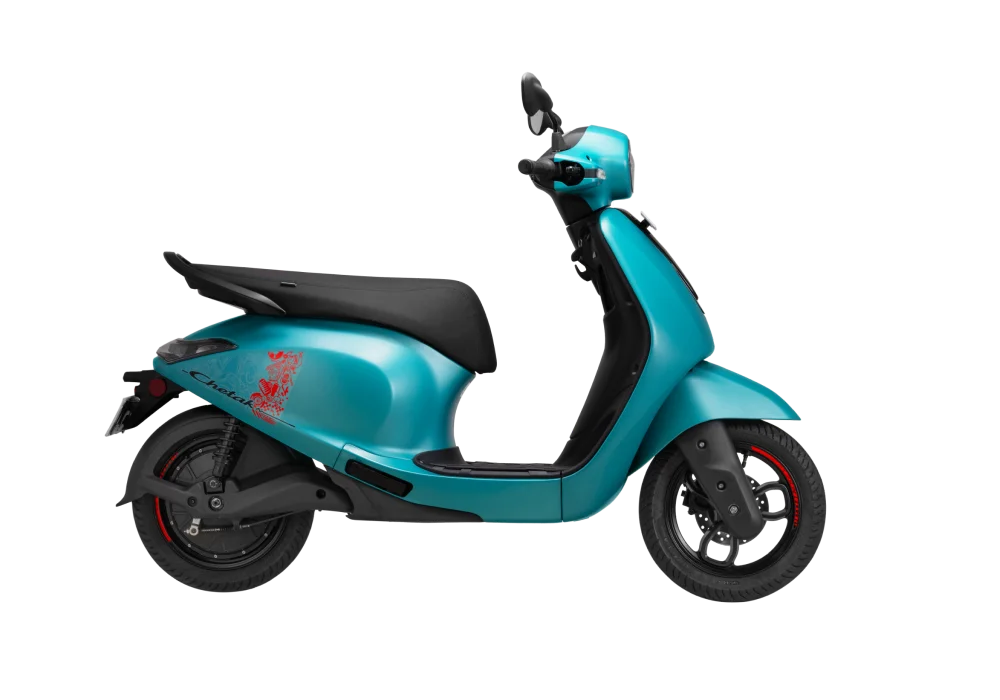
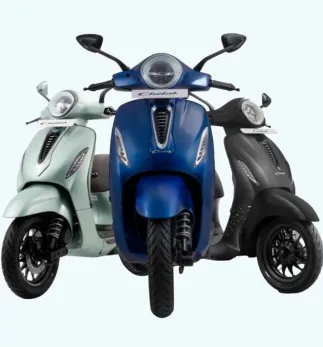
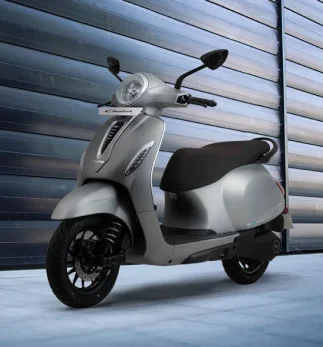
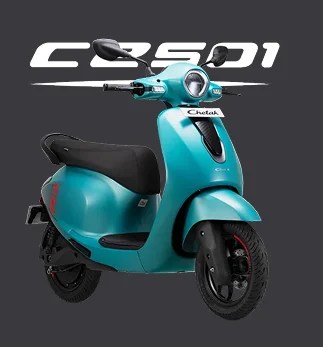
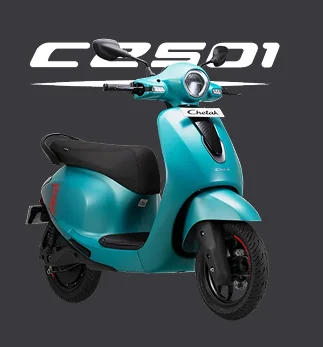
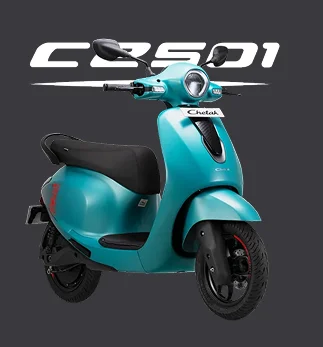
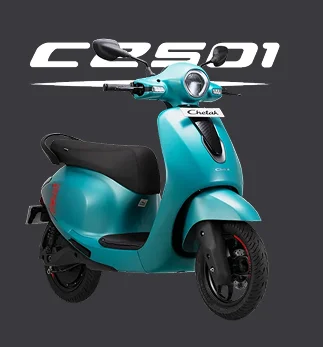
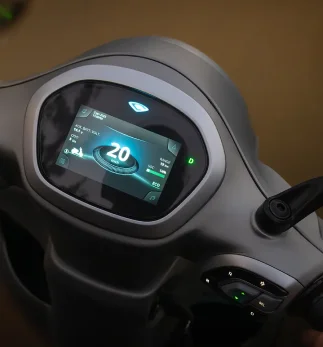
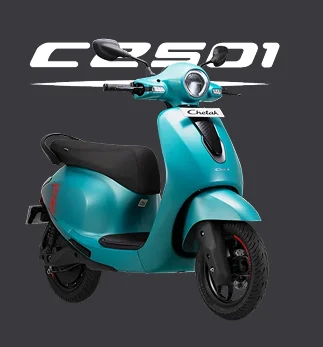
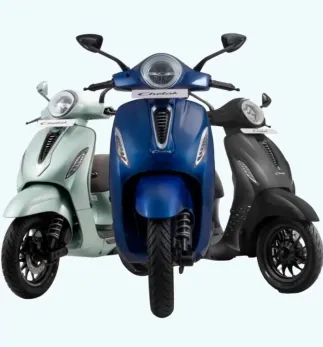
Chetak C2501
Ensuring Compliance and Safety for Your Scooter
Proper registration and compliance with RTO rules are essential for a smooth, legal riding experience. Ensuring your electric scooter has a valid number plate helps maintain compliance and avoid fines. Keeping documents up to date, completing the registration process promptly, and reporting any ownership changes or modifications ensures your scooter is legally road-ready.
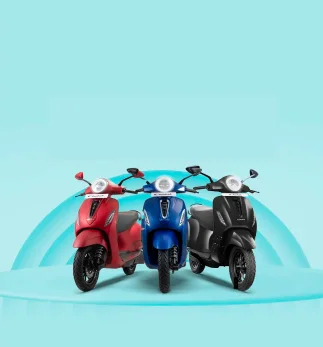
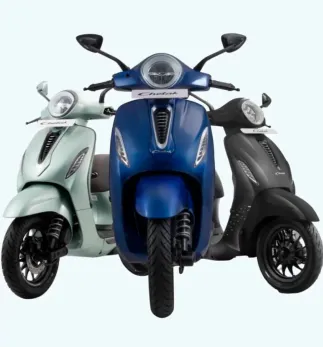
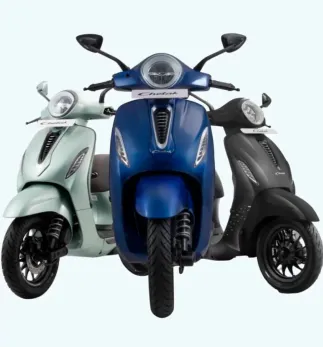
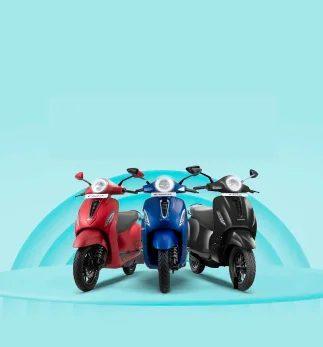
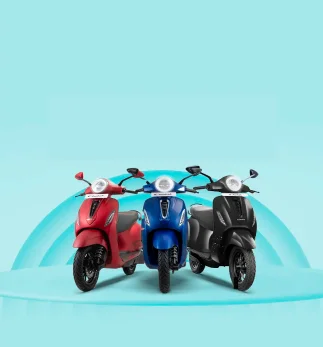
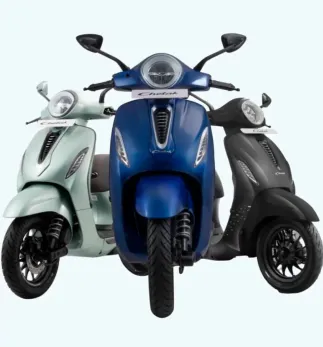
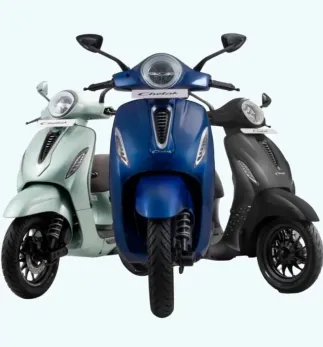
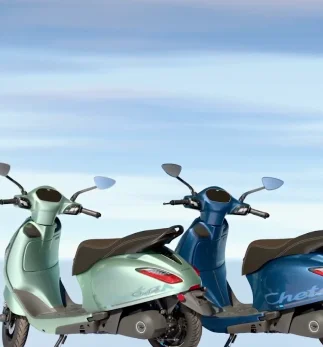
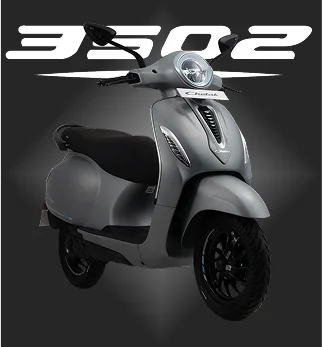
Following these steps also promotes safety and accountability on public roads. Electric scooters offer a convenient, eco-friendly mode of transport, and models such as the Bajaj Chetak 3501, 3502, 3503, 3001, and C2501 are reliable options for daily commuting. By staying informed and compliant, owners can enjoy peace of mind while riding.
Recent Articles
How to Increase Electric Scooter Range With Smarter Riding Habits
Know More
Which Bajaj Chetak Models Offer the Best Combination of High Speed and Rider-Focused Features?
Know More
5 Features that Make an Electric Scooter for Hilly Areas More Practical
Know More
5 Electric Scooter Maintenance Habits that can Support Long-term Performance
Know More
How to Choose a High-Performance Electric Scooter for Daily Use
Know More







.webp)





























.webp)