
 Back
Back
Last Updated: Feb 17 2026, 10:00 AM IST
The Best Battery Types for Electric Scooters: What You Need to Know




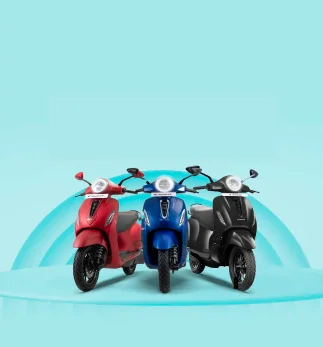
Two electric scooters can look almost identical, yet feel completely different once you ride them. One delivers smooth performance, holds its charge longer, and feels dependable every day, while the other needs frequent charging and starts to feel underpowered far sooner. This difference is rarely visible at first glance, but it strongly shapes long-term satisfaction. Battery technology quietly decides how far you travel, how often you recharge, and how confident each ride feels over time. As buyers compare options, many ask which battery is best for electric scooter ownership without added inconvenience. Lithium-ion technology offers the clearest answer, providing an effective balance of range, efficiency, and durability. That is why Bajaj Chetak electric scooters use lithium-ion batteries. Keep reading to understand how different battery types compare and why lithium-ion clearly stands out for everyday riding.
Types of Batteries Used in Electric Scooters
Electric scooters use different battery technologies, each influencing range, charging speed, weight, and everyday performance. Below are the most commonly used options and how they compare in real-world use.
1. Lithium-ion Batteries
Lithium-ion batteries are the most widely used battery type in modern electric scooters. Compared to lead-acid batteries, they are lighter, more compact, and deliver significantly higher energy density.
These batteries perform efficiently even at higher temperatures and provide an excellent power-to-weight ratio. This results in better acceleration, smoother rides, and improved overall performance compared to traditional battery technologies.
2. Lead-acid Batteries
Lead-acid batteries paved the way for early electric two-wheelers and remain one of the oldest battery technologies still in use. They are cost-effective, widely available, and perform reasonably well across a range of temperature conditions.
3. Nickel Metal Hydride Batteries
Nickel metal hydride batteries are more environmentally friendly than lead-acid batteries and offer a longer operational lifespan. Commonly used in hybrid vehicles, they have a low risk of leakage or explosion and operate safely across a wide temperature range.
4. Solid State Batteries
Solid-state batteries are considered a next-generation solution for electric scooters. By eliminating flammable liquid electrolytes, they offer improved safety and higher energy density. This means electric scooters equipped with solid-state batteries could travel farther per charge while supporting faster charging.
5. Gel Cell Batteries
Gel cell batteries are an advanced version of lead-acid batteries, in which the liquid electrolyte is converted into a gel using sulphuric acid and silica. This design removes the need for electrolyte refilling, significantly reducing maintenance compared to conventional lead-acid batteries.
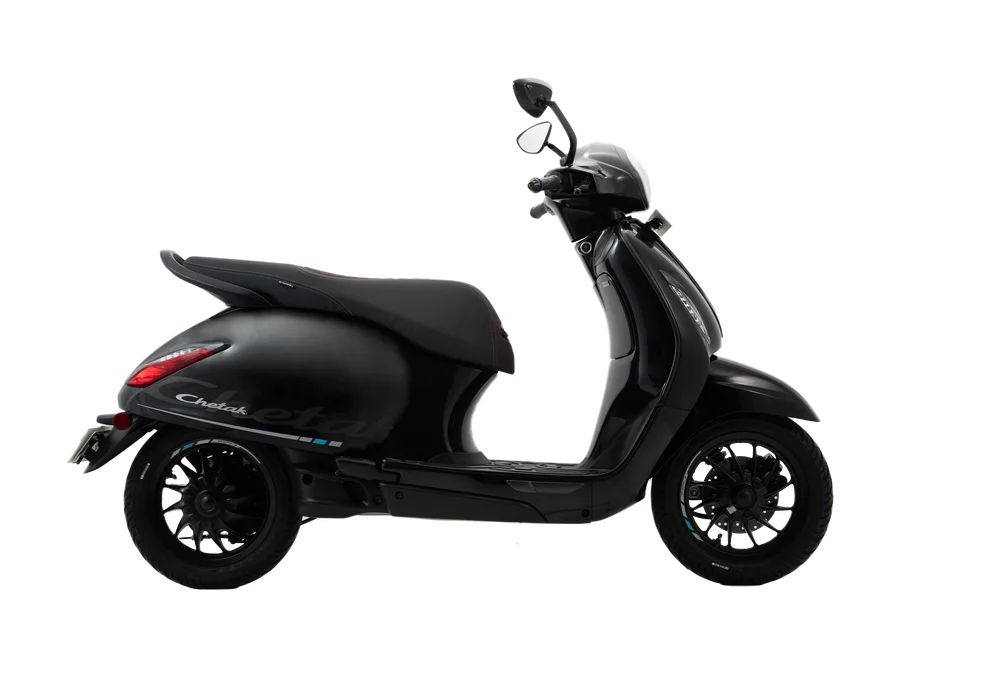
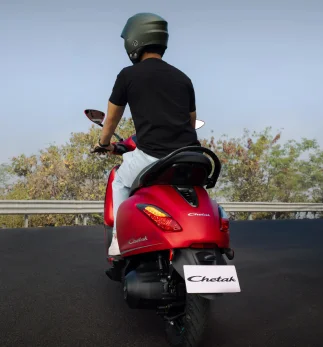
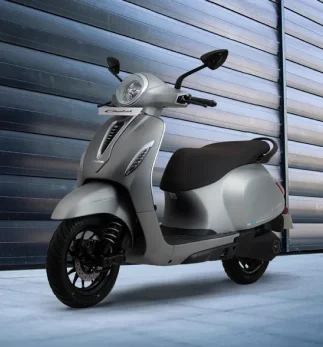
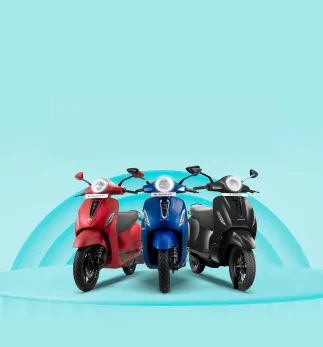
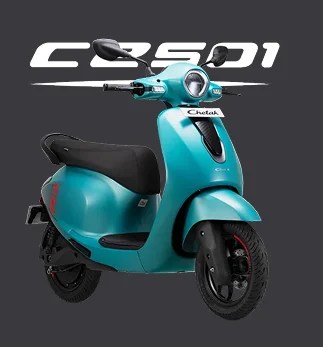
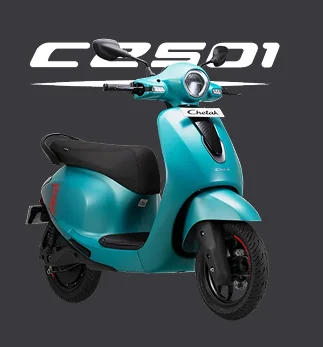
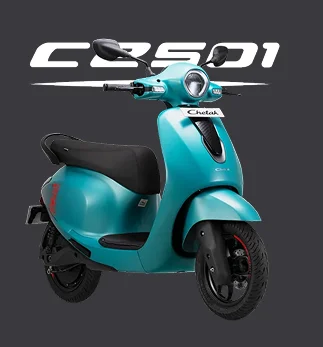
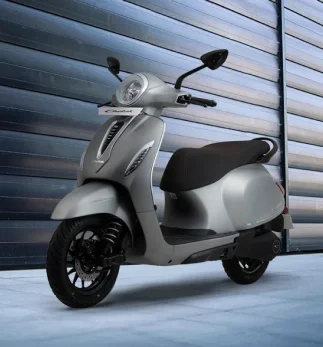
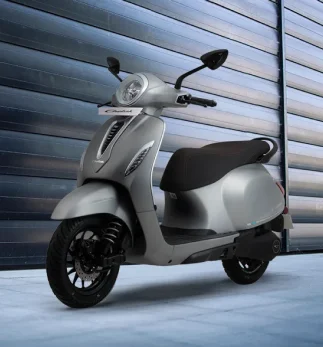
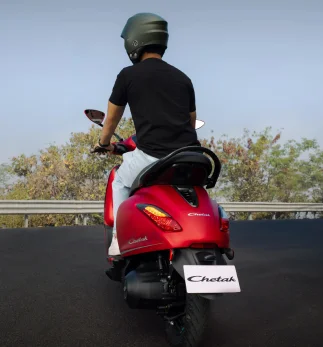
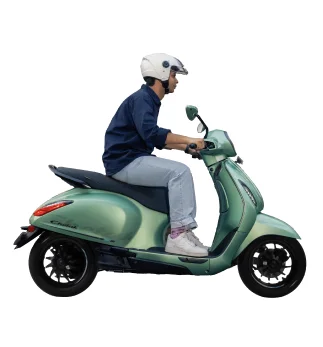
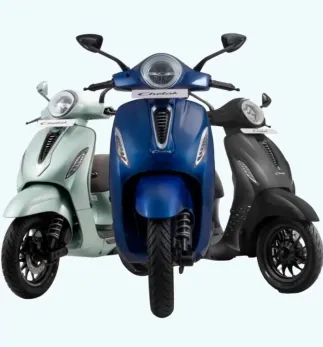
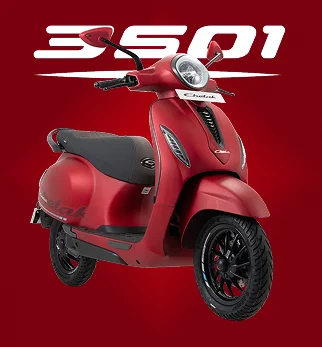
Chetak 3501
Why Lithium-ion Batteries are the Best Choice for Electric Scooters?
Here's why lithium-ion batteries continue to set the benchmark for electric scooter performance and everyday reliability.
1. Ideal Balance of Range, Performance, and Efficiency
Lithium-ion batteries have become the preferred choice for electric scooters because they deliver a strong balance of performance, convenience, and long-term reliability. Compared to older battery technologies, they meet daily riding demands without unnecessary weight or maintenance challenges.
2. Lightweight Construction for Better Handling
The reduced weight of lithium-ion batteries improves acceleration, balance, and manoeuvrability. This makes riding smoother and more controlled, particularly in city traffic and stop-start conditions.
3. Fast Charging with Consistent Power Output
Lithium-ion batteries support quicker charging while delivering steady power throughout the ride. This ensures reliable performance from the start of a journey to the end, reducing concerns around sudden power loss.
4. Low Maintenance and Longer Lifespan
These batteries do not require electrolyte refilling and typically last longer than traditional battery types. Lower maintenance needs help reduce long-term ownership effort and associated costs.
5. Improved Safety with Advanced Battery Management
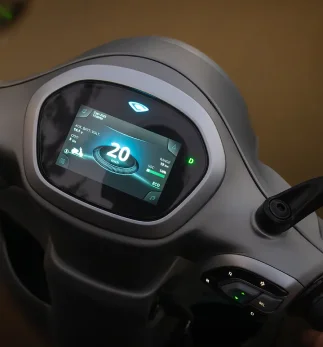
Modern lithium-ion systems include Battery Management Systems (BMS) that monitor temperature, charging cycles, and power flow. This helps prevent overheating, overcharging, and energy loss, improving overall safety.
Together, these advantages clearly answer which battery is best for electric scooter use in real-world conditions.
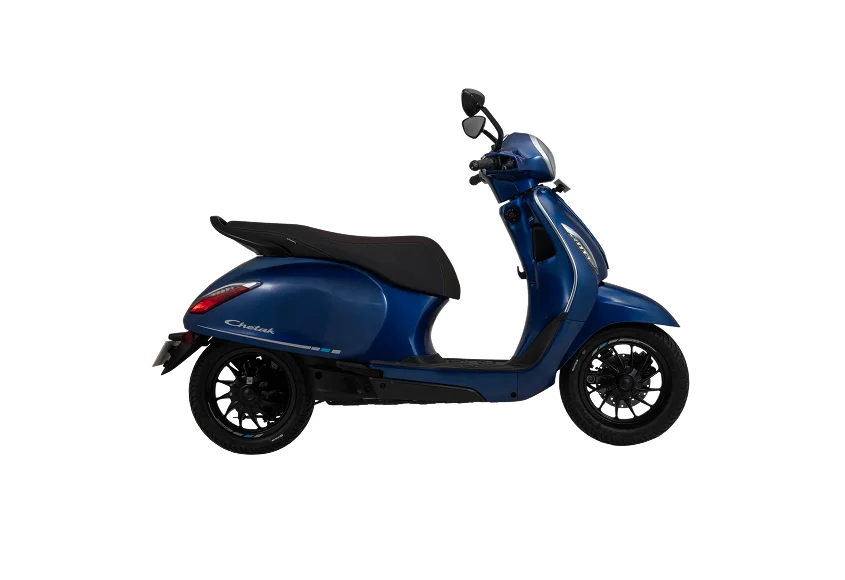
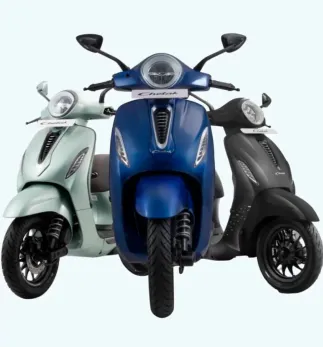
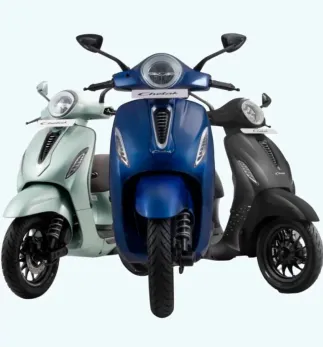
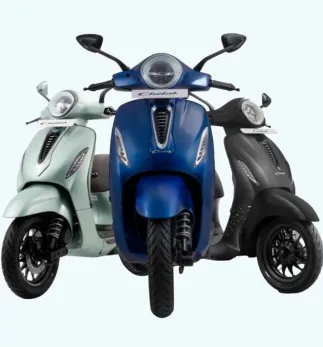
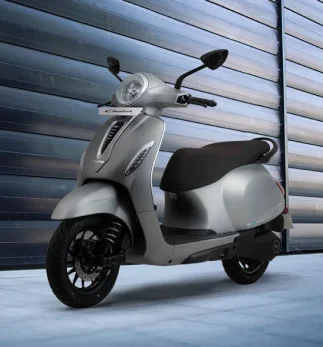
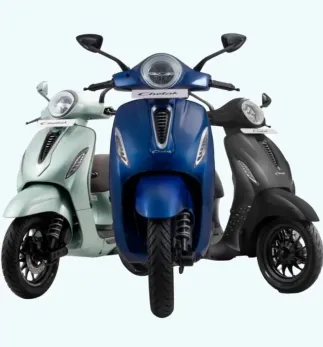
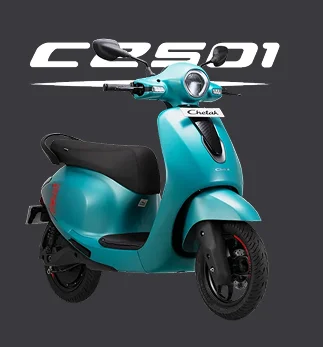
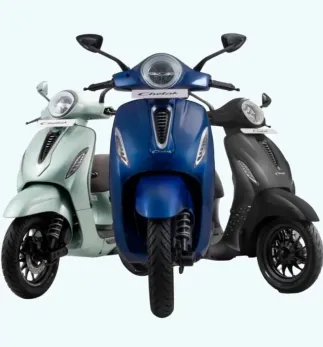
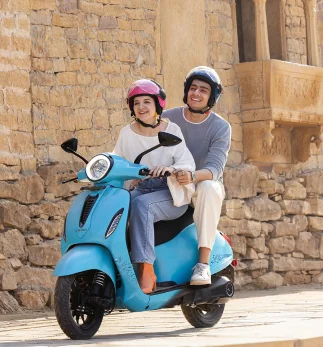
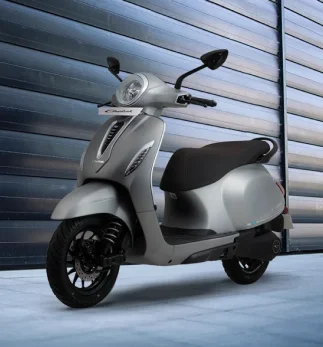
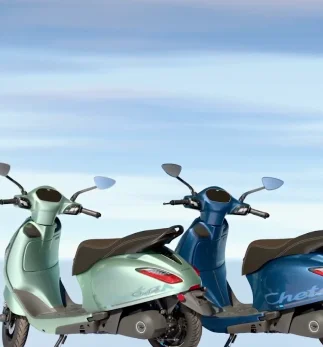
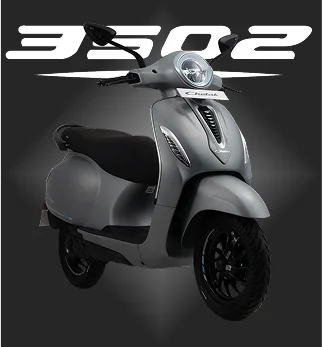
Bajaj Chetak 3502
Make the Right Battery Choice for a Smarter Electric Scooter Experience
Choosing the right battery has a lasting impact on electric scooter ownership. Lead-acid and gel cell batteries may cost less upfront but add weight and require frequent maintenance. Nickel-metal hydride batteries improve safety and eco-friendliness but are less efficient, while solid-state batteries remain largely unavailable.
Lithium-ion batteries clearly stand out, offering longer range, faster charging, lighter weight, and minimal upkeep. At Bajaj Auto, we focus on lithium-ion technology to deliver consistent performance, reliability, and rider confidence. Selecting the right battery ensures smoother rides, fewer concerns, and a dependable scooter experience for everyday use.
Recent Articles
How to Increase Electric Scooter Range With Smarter Riding Habits
Know More
Which Bajaj Chetak Models Offer the Best Combination of High Speed and Rider-Focused Features?
Know More
5 Features that Make an Electric Scooter for Hilly Areas More Practical
Know More
5 Electric Scooter Maintenance Habits that can Support Long-term Performance
Know More
How to Choose a High-Performance Electric Scooter for Daily Use
Know More



.webp)








.webp)