
 Back
Back
Last Updated: Jan 31 2026, 15:00 PM IST
Two-Wheeler Registration Renewal in India: Process, Fees & Validity Explained




Owning a two-wheeler in India comes with regular responsibilities, and one of the most important is keeping your Registration Certificate (RC) valid. The RC confirms that your scooter is legally permitted to run on public roads and must be renewed at the end of its original validity period. Many riders overlook the renewal date, only to realise its importance later—during a routine checkpoint, a service visit, or while planning a long ride. Understanding the complete two-wheeler registration renewal process helps you avoid penalties, last-minute stress, and unnecessary delays. This guide breaks down the renewal steps, fees, timelines, and practical tips for a smooth, hassle-free experience.
Why Your RC Needs Renewal After 15 Years
In India, a two-wheeler's original RC is valid for 15 years from its date of registration. After that, the vehicle must be assessed again for roadworthiness and compliance with local transport rules. This ensures:
- Your scooter meets basic safety standards.
- The chassis and body are still structurally sound.
- Emissions and noise levels remain within regulation.
- The vehicle is safe for you, your pillion, and other road users.
Once renewed, the RC is typically extended in 5-year cycles, assuming the scooter passes the fitness checks. For electric scooters, the renewal is usually easier because they do not undergo traditional emission testing. Still, official verification at the RTO remains mandatory.
Documents Required for Two-Wheeler Registration Renewal
To renew your RC smoothly, keep these documents prepared:
- Form 25 (Application for RC renewal)
- Original Registration Certificate
- Valid insurance certificate
- Pollution Under Control (PUC) certificate (electric scooters are exempt in most states)
- Address proof
- Identity proof
- Passport-sized photographs
- Vehicle tax payment receipt (if applicable)
- Fitness fee and smart card fee payment receipts
Having a single, neatly arranged document folder reduces back-and-forth with the RTO.
Step-by-Step Process for Two-Wheeler RC Renewal
The process is straightforward when done correctly. Here is how it typically works:
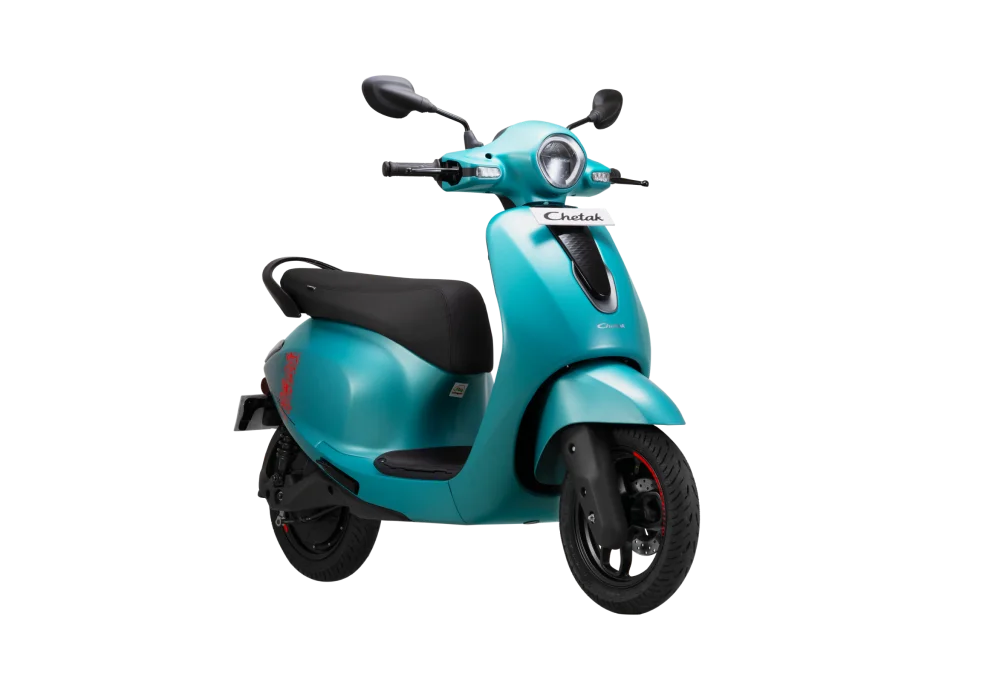
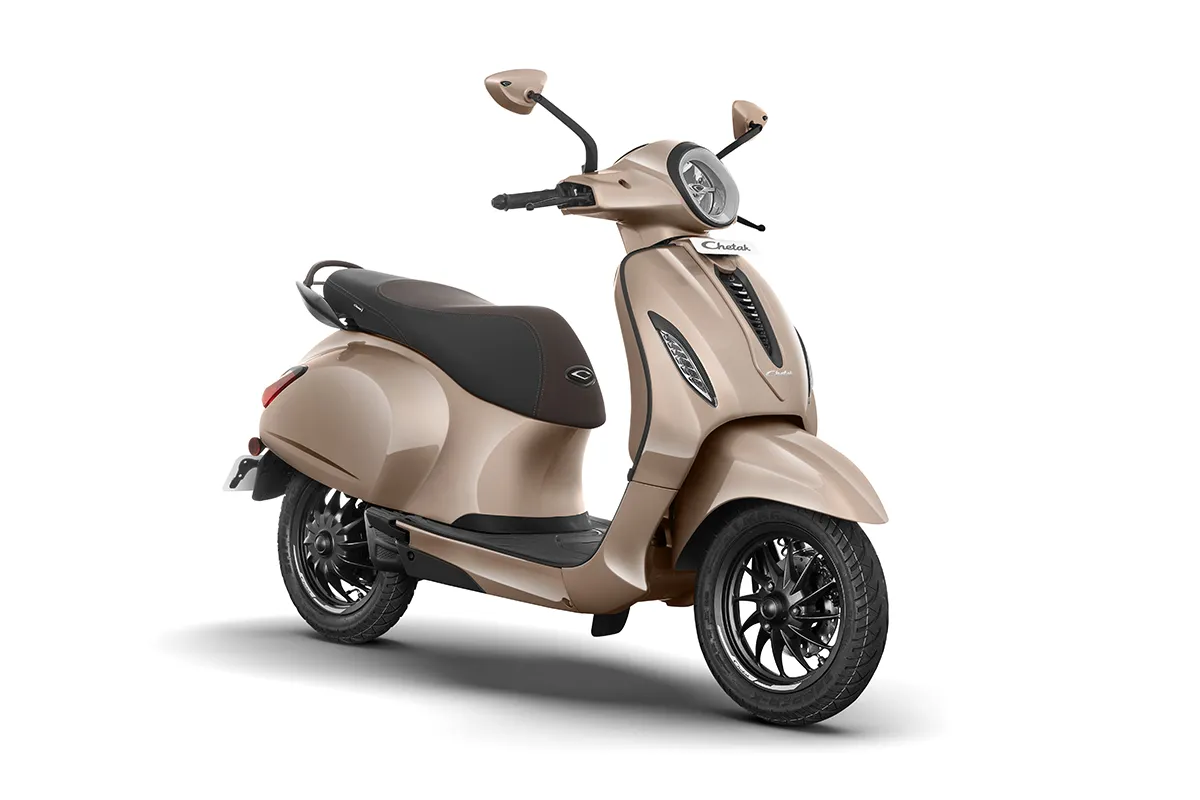
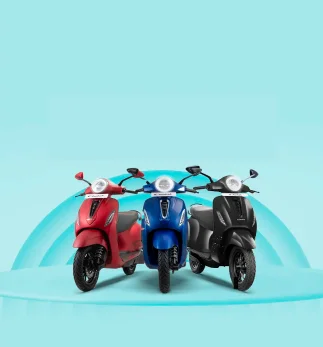
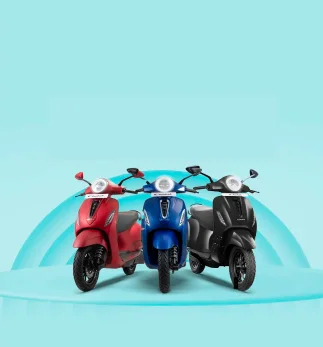
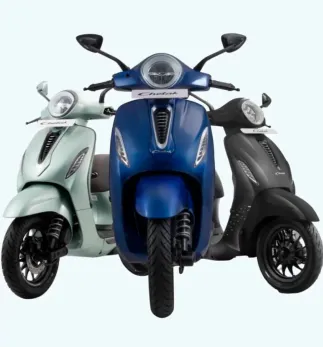
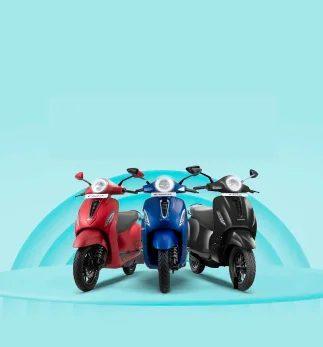
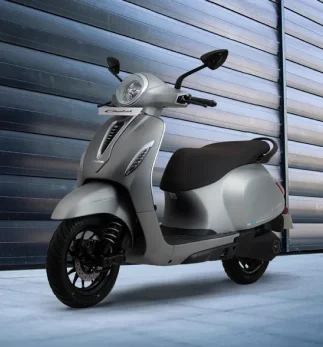
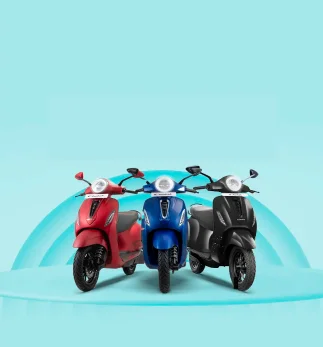
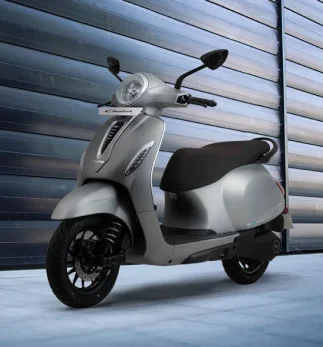
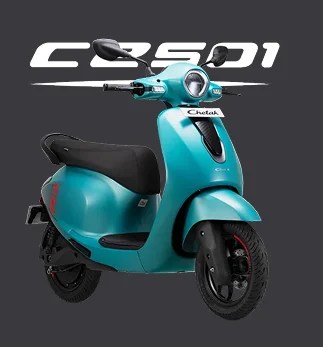
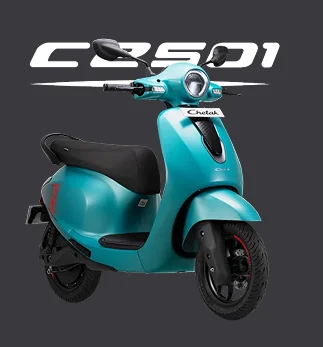
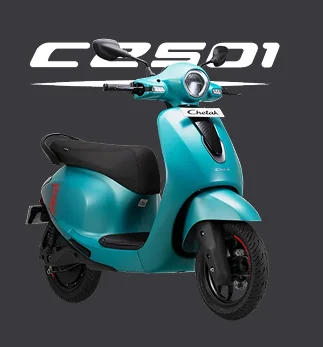
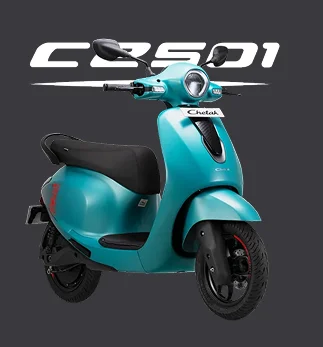
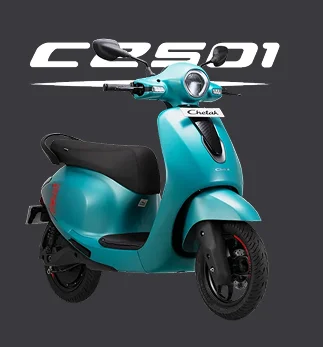
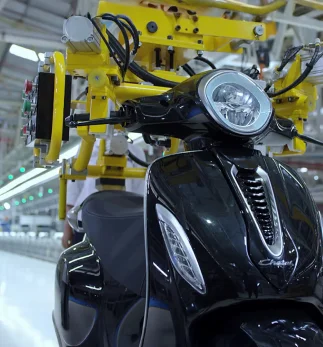
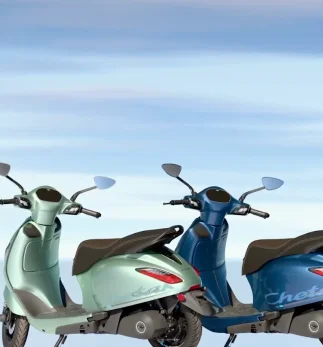
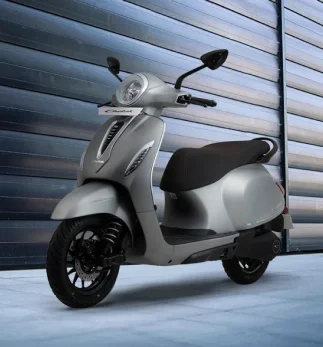
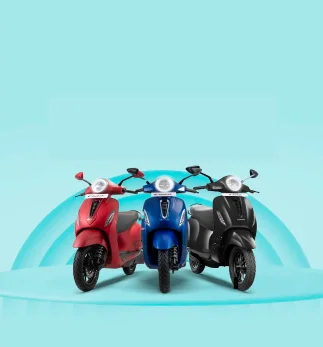
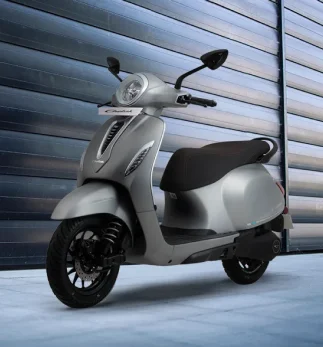
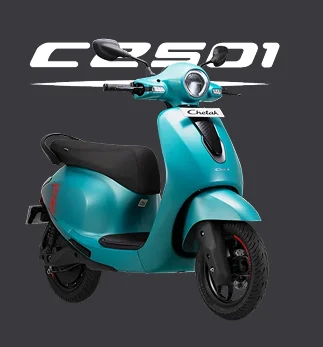
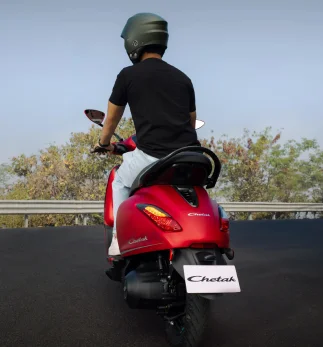
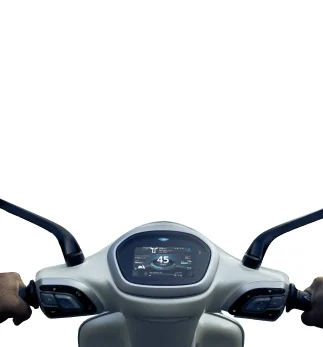
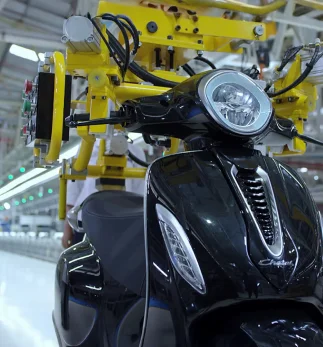
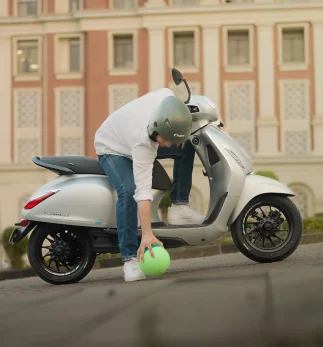
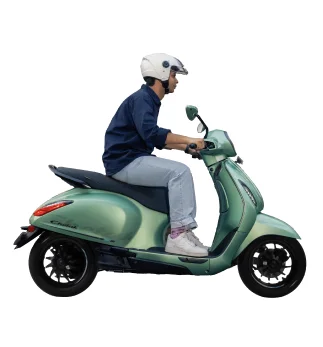
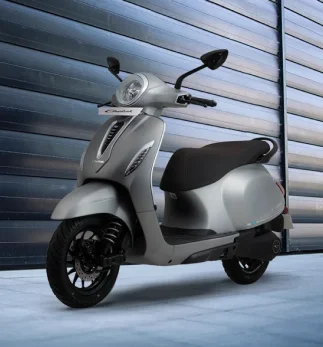
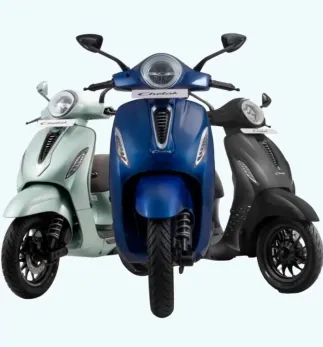
Bajaj Chetak C2501
1. Fill and Submit Form 25
Form 25 is the official application used across India for two-wheeler registration renewal. You can fill it out online on Parivahan or submit it at the local RTO.
2. Pay the Required Fees
Renewal charges usually include:
- RC renewal fee
- Smart card fee
- Fitness test fee
- Road tax (only if pending or applicable in your state)
- Late fee (if the RC has expired
3. Present Your Two-Wheeler for Inspection
The RTO conducts a fitness inspection covering:
- Lights and indicators
- Braking response
- Tyre condition
- Chassis and frame structure
- Vehicle identification numbers
- Horn, mirrors, and essential equipment
Electric scooters usually move quickly through inspection because they have fewer mechanical components.
4. Verification and Approval
Once the inspection is cleared, the RTO processes your request. If all details are correct, the RC is marked fit for renewal. After this, you will receive the updated RC.
You’ll either receive:
- A new smart card RC
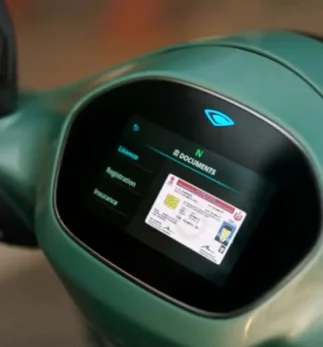
- A digital RC accessible via DigiLocker or mParivahan
Processing time varies by state but typically ranges from 5 to 20 working days.
Fees and Penalties: What You Should Expect
RC renewal fees differ slightly across states, but the structure remains similar:
Typical Fee Structure
- RC Renewal Fee: ₹300–₹600
- Fitness Test Fee: ₹400–₹700
- Smart Card Fee: ₹200–₹400
- Miscellaneous RTO handling charges
Late Fees
If you miss the renewal deadline:
- A daily late fee may apply
- Fines may increase based on how long the RC has been expired
- A heavily delayed renewal may require additional checks
Renewing before the expiry date prevents both penalty charges and avoidable paperwork.
What to Expect During a Vehicle Fitness Test
Many riders worry about the fitness check, but it is usually a simple assessment. The goal is not to fail vehicles—it is to ensure safety and compliance.
Areas Usually Checked
- Integrity of indicators and brake lights
- Condition of brakes and tyres
- Proper functioning of the horn
- Reflectors and mirrors
- Chassis or structural damage
- Battery condition in EVs
- VIN and chassis number clarity
Keeping your scooter regularly serviced makes passing the fitness test easy.
How Electric Vehicles Benefit During RC Renewal
The rise of EVs has simplified parts of the renewal process compared to petrol models.
Here’s how EVs make RC renewal easier:
- No emission test requirement (in most states)
- Lower mechanical wear due to fewer moving parts
- Smoother RTO inspection since EV components are cleaner and simpler
- Better long-term durability because electric drivetrains age differently
This makes the two-wheeler registration renewal process significantly smoother for electric scooter owners.
Online vs Offline Renewal: Which Is Better?
You can renew your RC through:
Online Method (Recommended)
- Visit Parivahan.gov.in
- Submit Form 25
- Pay fees online
- Book vehicle inspection slot (if applicable)
- Track application status digitally
Offline Method
- Visit the local RTO
- Submit documents in person
- Pay fees at the counter
- Complete the inspection
- Collect the renewed smart card
Online renewal saves time and simplifies tracking, making it the preferred route for most riders.
Common Reasons RC Renewal Gets Delayed
Avoid these issues to keep your renewal on track:
- Mismatched name or address on documents
- Missing insurance or incomplete paperwork
- Damaged or unreadable chassis number
- Road tax pending in some states
- Submitting forms after RC expiry without penalty payment
A small pre-check can save weeks of unnecessary delay.
How to Know When Your RC Renewal Is Approved
You can track your RC renewal status through:
- The Parivahan portal
- SMS updates from the RTO
- The mParivahan mobile app
- DigiLocker (updated smart card availability)
Once approved, your renewed RC will reflect an additional 5 years of validity.
Renew on Time and Ride With Complete Peace of Mind
A timely two-wheeler registration renewal keeps you compliant, avoids penalties, and ensures your scooter remains legally fit for daily travel. The process is clearer and more convenient today, especially with online submissions and quicker EV inspections. Whether you ride short neighbourhood routes or long office commutes, keeping your RC updated protects you from unexpected fines and lets you travel with confidence.
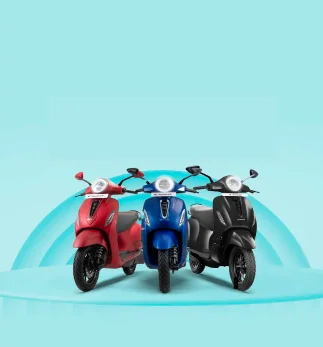
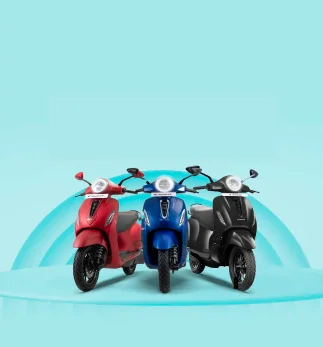
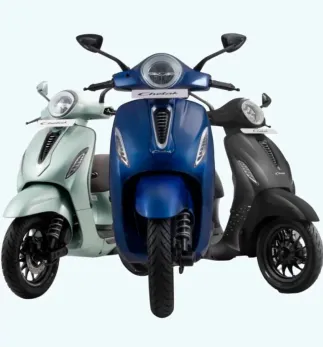
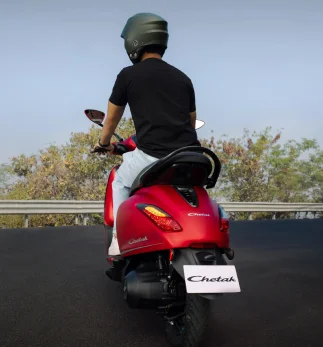
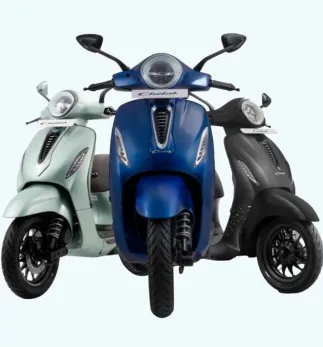
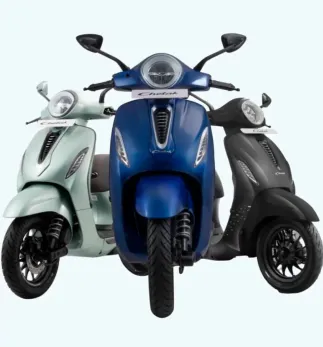
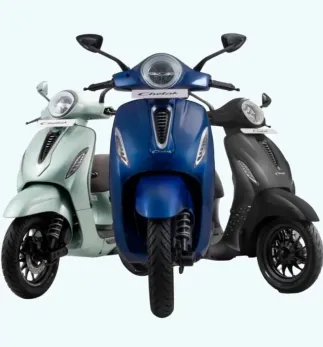
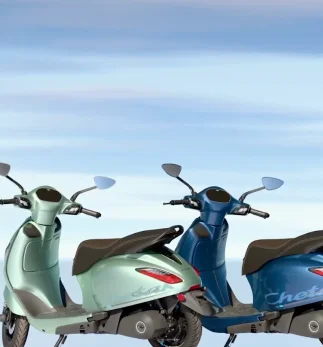
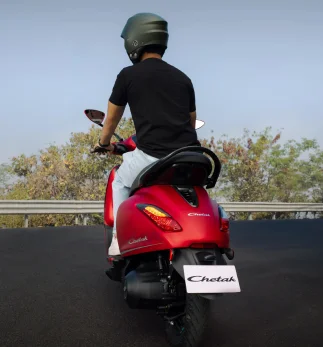
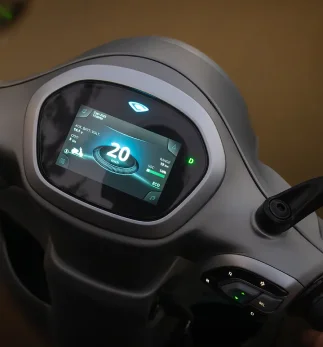
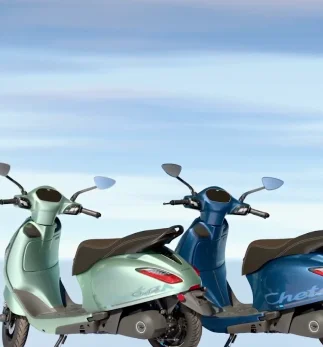
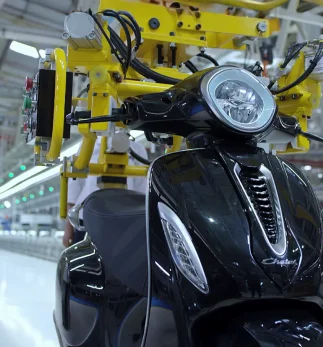
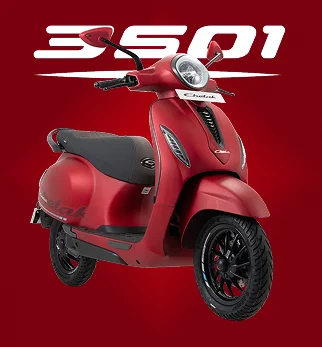
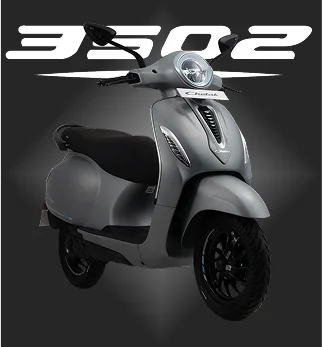
Riders of modern electric scooters, including models like Chetak 3501, Chetak 3502, Chetak 3503, and Chetak C2501, can enjoy a smooth renewal experience by staying mindful of timelines, documents, and fitness requirements, ensuring every journey stays worry-free.
Recent Articles
How to Increase Electric Scooter Range With Smarter Riding Habits
Know More
Which Bajaj Chetak Models Offer the Best Combination of High Speed and Rider-Focused Features?
Know More
5 Features that Make an Electric Scooter for Hilly Areas More Practical
Know More
5 Electric Scooter Maintenance Habits that can Support Long-term Performance
Know More
How to Choose a High-Performance Electric Scooter for Daily Use
Know More



.webp)










.webp)