
 Back
Back
Last Updated: Jan 21 2026, 11:00 AM IST
What is the IDC Range in Electric Scooters, and How Accurate is It in Real Riding?




Electric scooters are becoming an important part of urban transport, offering a quieter and cleaner alternative to petrol scooters. One figure that often draws attention is the Indian Driving Cycle (IDC) range. At first glance, it seems straightforward, hinting at how far a scooter can travel on a full charge. Yet its true meaning is not always obvious. Real-world conditions can influence the distance a scooter actually covers. For a Bajaj Chetak electric scooter, the IDC range serves as a helpful benchmark, but actual performance may vary. Understanding what the IDC range is can help riders compare scooters and plan trips, even though the full picture becomes clear only through actual riding.
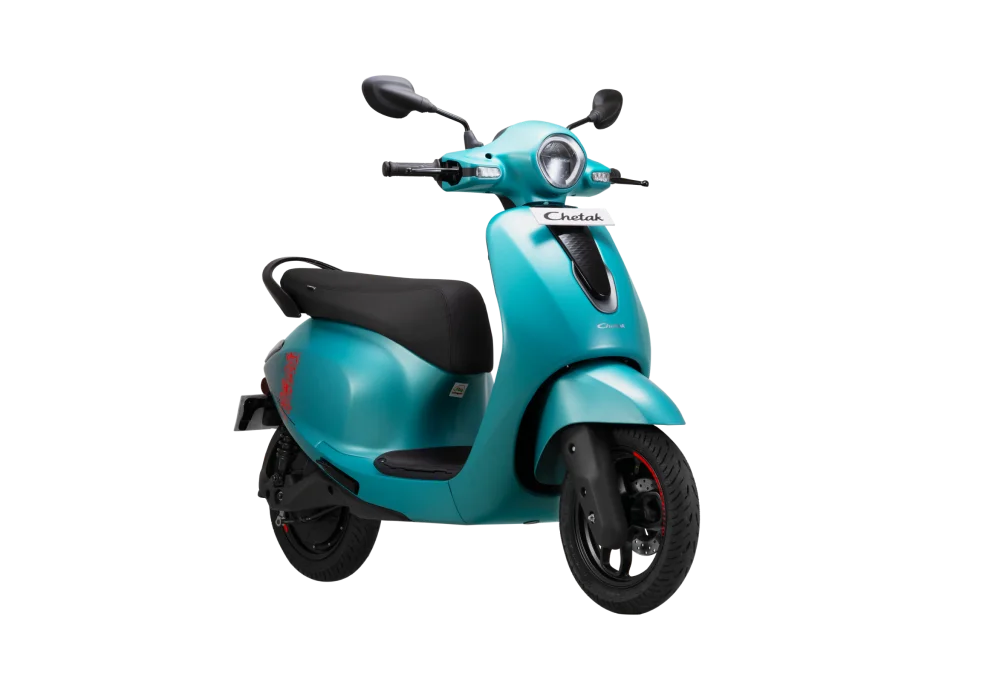
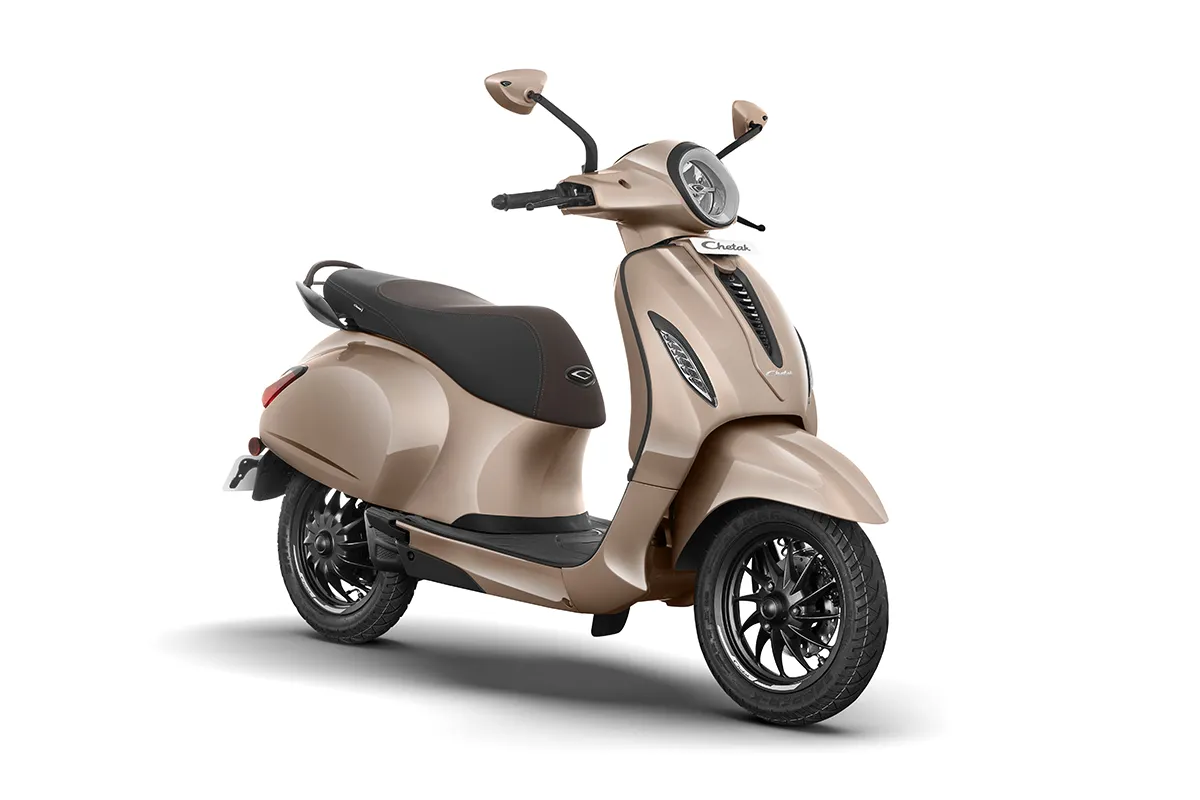
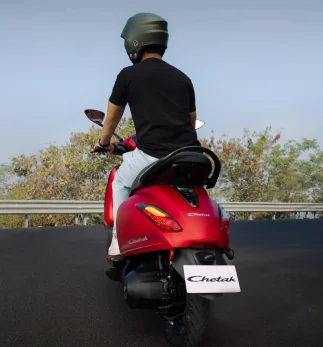
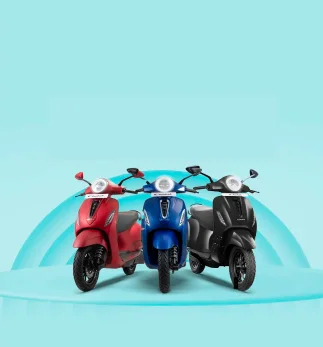
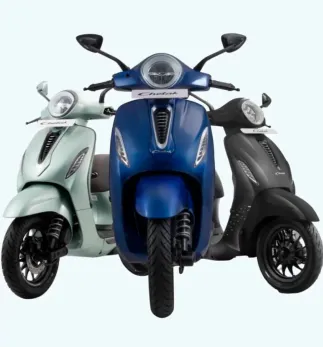
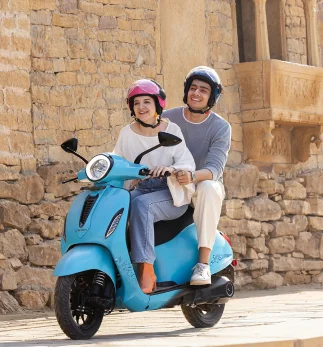
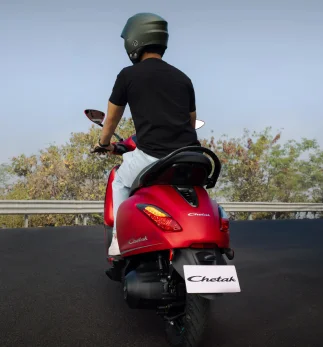
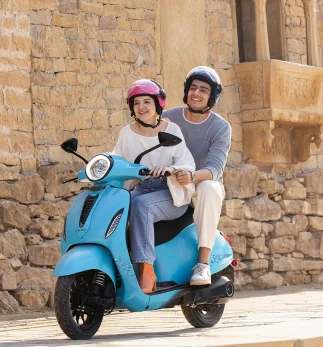
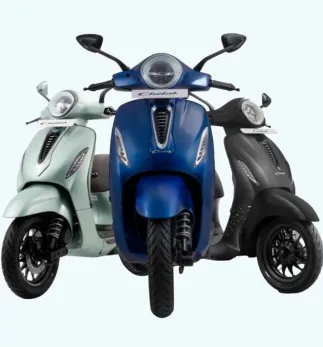
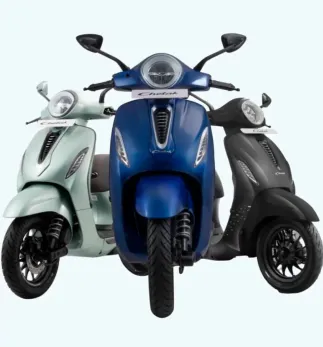
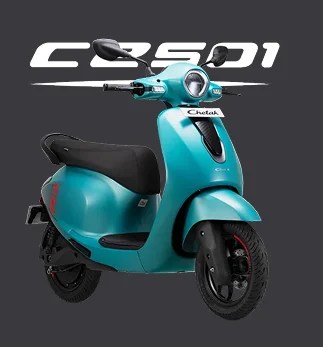
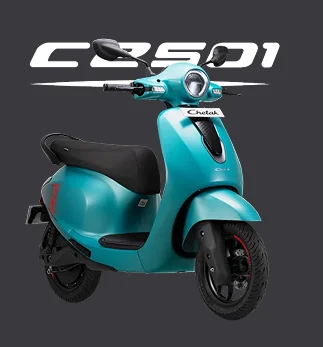
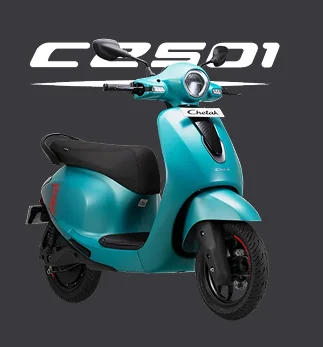
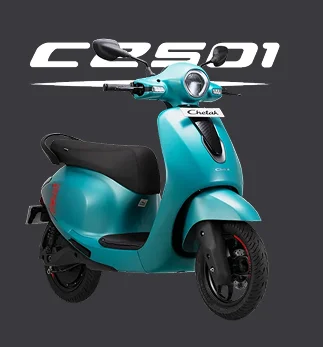
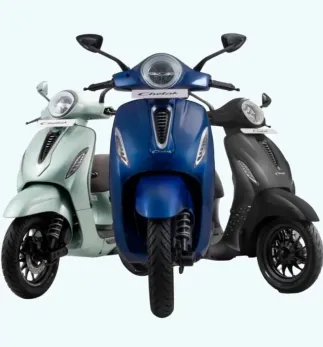
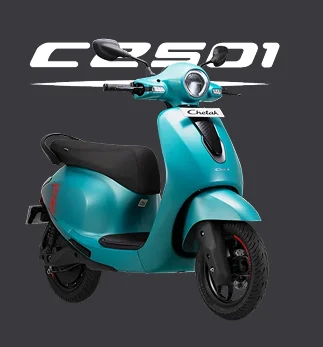
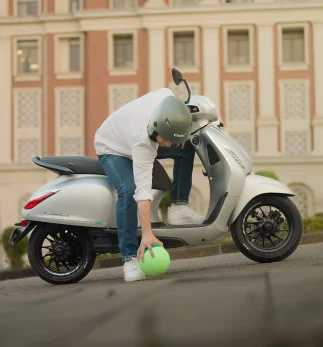
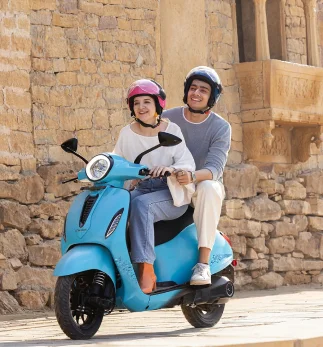
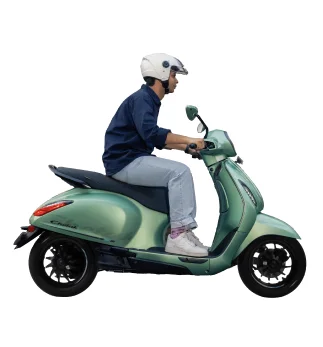
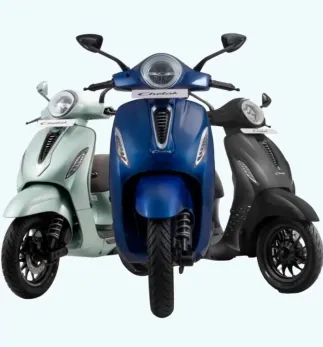
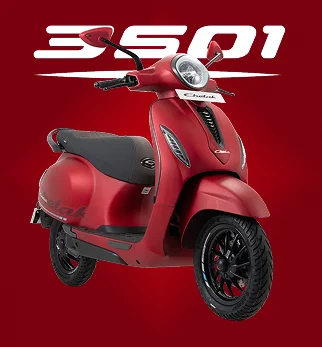
Bajaj Chetak C2501
What Does IDC Range Mean?
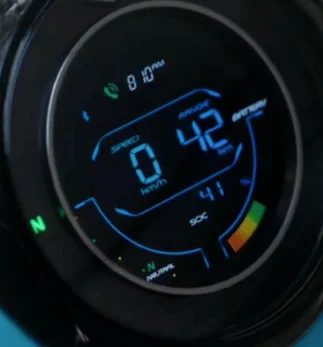
The term IDC range refers to the Indian Driving Cycle range. It provides a controlled and consistent method to gauge how far an electric scooter can run on a full charge. In practice, the test is done in a lab or on a dynamometer, following prescribed speed and load patterns set by regulatory standards.
The aim of having a test standard like the IDC range is to create a uniform method that all manufacturers must follow. Without such an approach, companies could report a range of numbers based on their own testing methods, making comparisons between scooters unreliable.
In India, two‑wheeler range testing follows a standard laid out under automotive regulations (AIS-39/CMVR), where the Indian driving cycle is used to estimate range for vehicles in the L category.
How IDC Range is Measured
During an IDC range test, a scooter is run through a predefined cycle that simulates typical city speeds and riding behaviour, but within controlled limits. The speed profile, load, temperature, and throttle use are kept consistent and repeatable. The result is a single number that represents the maximum distance the scooter could cover if ridden under these idealised conditions.
It is an estimation method designed to be consistent across brands and models for comparison.
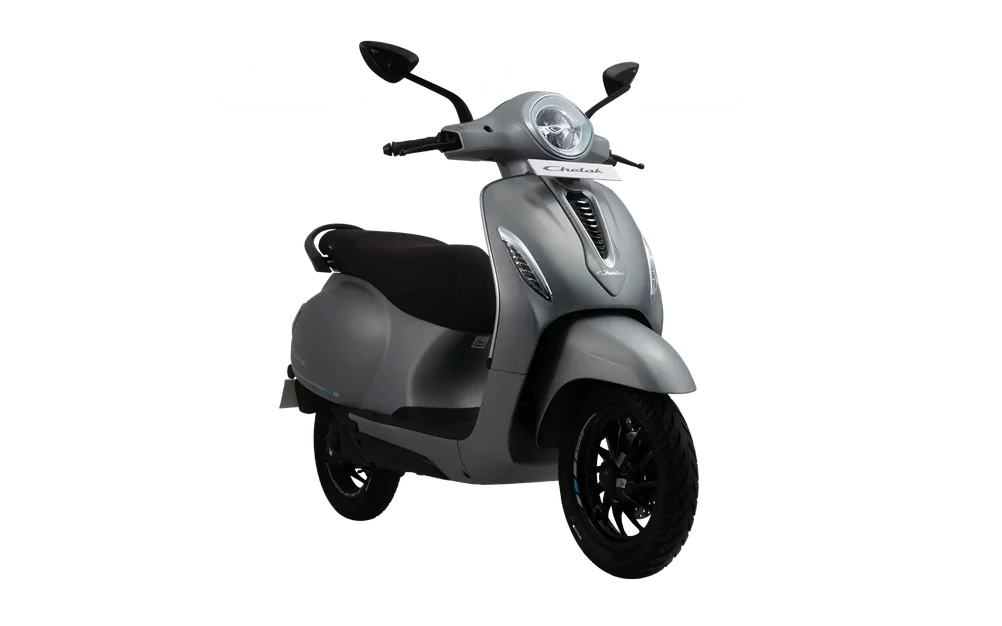
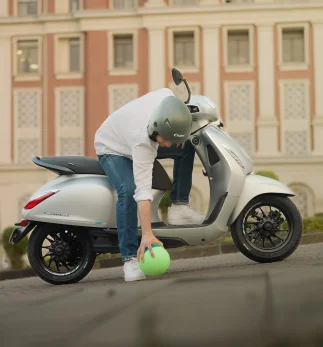
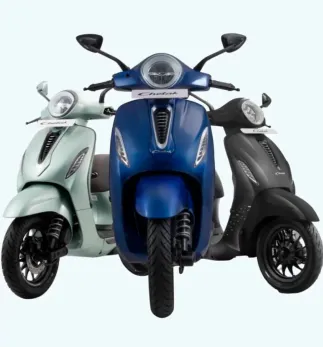
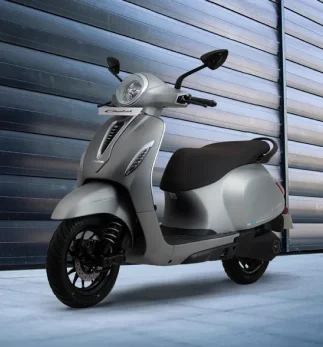
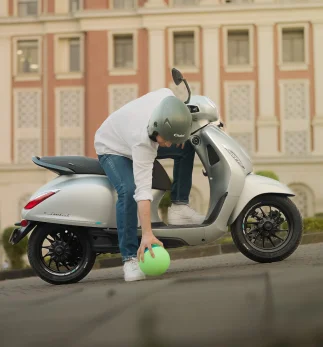
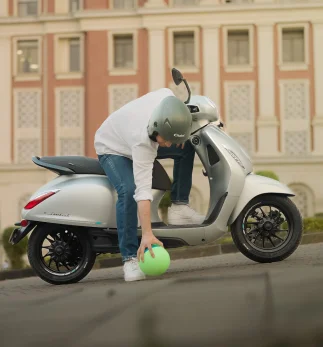
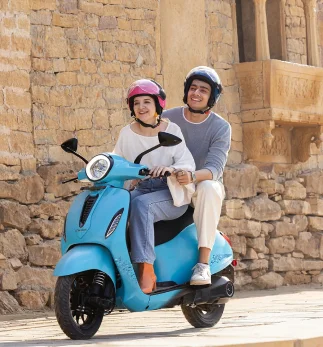
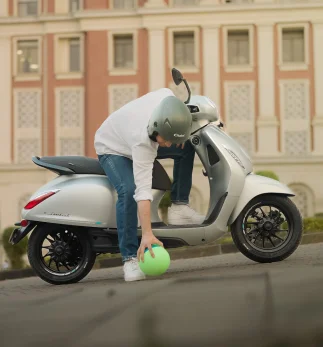
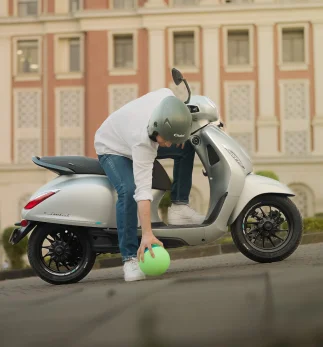
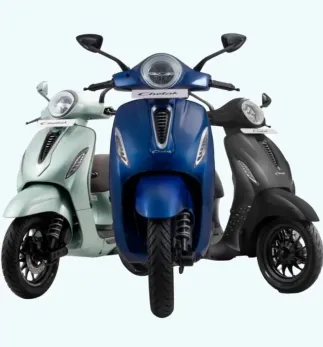
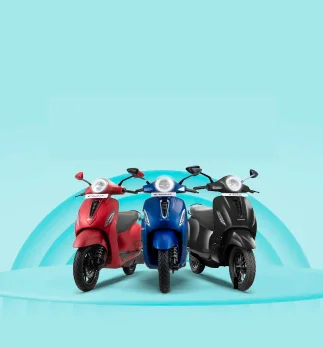
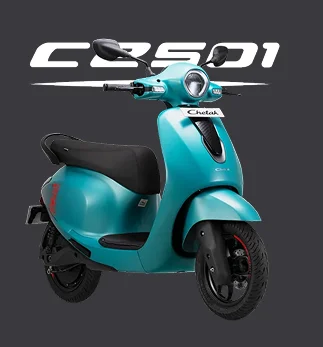
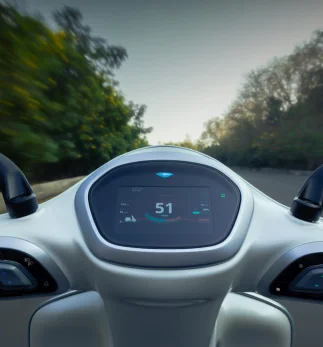
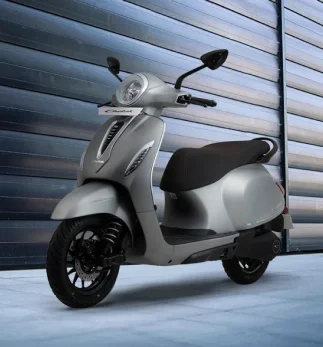
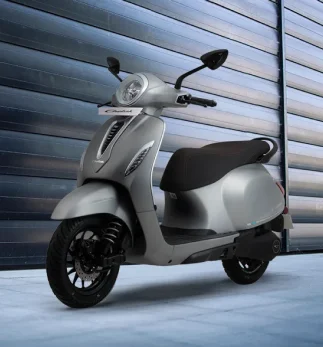
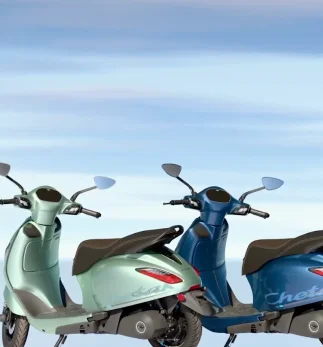
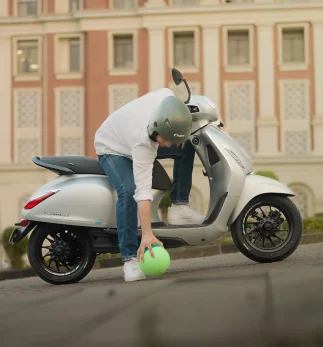
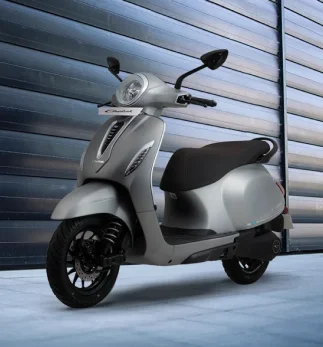
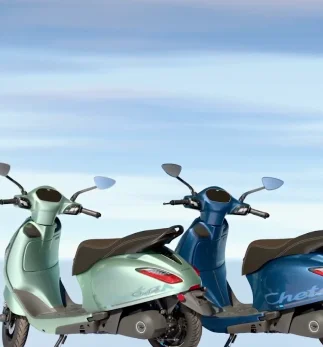
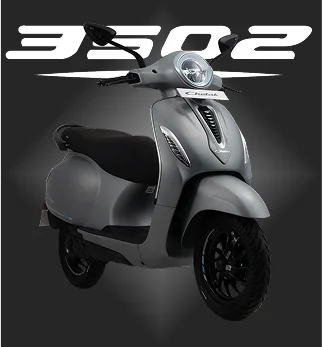
Bajaj Chetak 3502
Why IDC Range Numbers are Often Higher Than Real Riding Figures
When you read the IDC range in a brochure or on a specification sheet, it is usually higher than what most riders experience in daily life. This happens because the test does not include many factors that influence real‑world range. For example:
- Traffic signals and stop‑go city traffic
- Uphill and downhill gradients
- Weather conditions (rain, wind, heat)
- Rider weight and riding style
- Higher riding speeds than test speeds
- Accessories or additional loads
- Hills and road surface quality
In a controlled lab setting, the scooter is not exposed to these variables, which is why the IDC range tends to be an optimistic figure compared with urban riding. The actual riding range is almost always lower for most riders.
Updated Testing Standards in India
India's Ministry of Road Transport and Highways (MoRTH) updated the testing parameters to make range claims closer to real usage. The older testing process used only an urban cycle (P1) with low average speed and city‑leg conditions. The updated MIDC standards combine urban and extra‑urban conditions (P1+P2), which include higher average speeds and highway‑like conditions alongside city driving.
These updated standards aim to bridge the gap between test values and lived experience.
How Riders Should Use the IDC Range for Decision Making
Although the IDC range does not exactly represent real‑world riding, it remains a useful figure for comparison. Here's how riders can use it effectively:
1. Shortlisting Scooters
Use the IDC range to compare theoretical range figures across models. This helps narrow down options before checking detailed specifications like battery capacity and motor performance.
2. Setting Expectations
Treat the number as an upper limit under ideal conditions.
3. Real Range Planning
Estimate practical daily range by reducing the IDC figure based on city traffic, speed, and load.
4. Test Rides
Always combine the IDC range with actual test rides or owner experiences to accurately estimate your real range. Firsthand experience gives insight into how driving style and terrain impact efficiency.
For riders considering the latest Bajaj Chetak EV versions, using the IDC range as a starting point for comparing battery efficiency makes the research process clearer.
Compare Electric Scooters Effectively with the IDC Range
The IDC range is a standardised figure obtained under controlled test conditions to help riders compare electric scooters consistently. For Bajaj e-scooters, this number provides a useful benchmark, but real-world performance will always vary depending on factors such as traffic, speed, terrain, rider weight, riding style, and weather.
The true value of the IDC range lies in offering a consistent reference rather than a promise of exact distance. Understanding the difference between test conditions and everyday riding enables riders to make informed choices and maintain realistic expectations.
When interpreted wisely, the IDC range serves as an essential guide for researching Bajaj electric scooters. It assists in comparing models, planning daily journeys, and assessing battery efficiency while recognising that actual results will naturally differ.
Recent Articles
How to Increase Electric Scooter Range With Smarter Riding Habits
Know More
Which Bajaj Chetak Models Offer the Best Combination of High Speed and Rider-Focused Features?
Know More
5 Features that Make an Electric Scooter for Hilly Areas More Practical
Know More
5 Electric Scooter Maintenance Habits that can Support Long-term Performance
Know More
How to Choose a High-Performance Electric Scooter for Daily Use
Know More
.webp)


.webp)