
 Back
Back
Last Updated: Mar 13 2026, 16:00 PM IST
Graphene Battery vs Lithium-ion Battery: The Future of EV Power Explained




As electric vehicles continue to reshape mobility, battery technology has become the defining factor behind performance, reliability, and scalability. Much of the current discussion in the EV ecosystem centres on graphene batteries vs lithium batteries, with graphene often portrayed as a next-generation breakthrough. However, while research into graphene is promising, lithium-ion technology remains the most practical, proven, and widely deployed solution powering today’s electric vehicles. Understanding the differences between a graphene battery and a lithium battery requires examining laboratory potential, and also real-world readiness, manufacturing ecosystems, safety validation, and long-term performance. In this blog, we will discuss graphene battery vs lithium battery technologies in detail, comparing their capabilities, limitations, and real-world suitability for the future of EV power.
Understanding Lithium-ion Batteries: The Established Backbone of EVs
Lithium-ion batteries have been the foundation of modern electrification for many decades. Their chemistry enables high energy density, stable charge cycles, and predictable degradation patterns: qualities essential for daily mobility applications.
In EVs, lithium-ion batteries deliver:
- Reliable energy storage with mature cell architecture
- Scalable manufacturing supported by global supply chains
- Consistent lifecycle performance validated across millions of vehicles
- Optimised thermal management systems for real-world climates
- Cost efficiency due to industrial standardisation
When analysing graphene battery and lithium battery technologies side by side, lithium-ion stands out. It happens not because it is newer, but because it is deeply engineered, field-tested, and continuously refined.
What is a Graphene Battery?
Graphene batteries are an emerging concept that incorporate graphene, a single layer of carbon atoms arranged in a hexagonal lattice, into battery electrodes. The material is known for exceptional conductivity, mechanical strength, and theoretical fast-charging capability.
In theory, a graphene battery could offer:
- Faster electron transfer and shorter charging times
- Improved heat dissipation
- Higher theoretical energy density
- Reduced weight at the material level
These advantages are why the graphene battery vs lithium battery debate attracts attention. However, most graphene applications today remain hybrid enhancements to lithium-ion chemistry rather than full replacements.
Technology Readiness: Proven Deployment vs Experimental PromiseA key distinction between a graphene battery and a lithium battery lies in their Technology Readiness Levels (TRLs).
| Factor | Lithium-ion Battery | Graphene Battery |
|---|---|---|
| Commercial Adoption | Mass-produced globally | Limited pilot usage |
| Manufacturing Infrastructure | Fully established | Still developing |
| Validation Data | Decades of field data | Primarily lab-scale |
| Cost Predictability | Stable and optimised | Currently expensive |
| Supply Chain | Mature | Not yet industrialised |
Lithium-ion’s dominance comes from repeatability. EV manufacturers require batteries that perform consistently across thousands of charge cycles, varied climates, and unpredictable usage patterns: conditions where lithium-ion has already proven itself.
Charging Performance: Real-world Efficiency Matters
Graphene is often associated with ultra-fast charging claims. Yet, charging speed is determined by material conductivity and by:
- Thermal safety limits
- Grid compatibility
- Battery management systems
- Cell longevity considerations
Lithium-ion batteries already support optimised fast-charging without compromising durability. In practical EV deployment, engineers prioritise controlled, repeatable charging behaviour over theoretical extremes.
This is why, in most real-world comparisons of graphene battery and lithium battery, lithium-ion continues to deliver the balanced performance needed for daily transportation.
Cost and Scalability: The Decisive Industrial Factors
Even the most advanced material must scale economically to power millions of vehicles. Lithium-ion benefits from:
- Gigafactory-scale production ecosystems
- Standardised material sourcing (lithium, nickel, cobalt, Lithium Iron Phosphate variants)
- Established recycling pathways
- Continuous cost reductions through manufacturing efficiency
Graphene production, by contrast, remains complex and expensive to standardise at an automotive scale. Until synthesis methods become industrially economical, lithium-ion retains a decisive advantage.
Safety and Reliability: Engineering Confidence Over Novelty
EV batteries must withstand vibration, heat cycles, rapid discharge, and long service lives. Lithium-ion systems have undergone extensive validation under global safety standards, enabling predictable integration into vehicle platforms.
Graphene-enhanced chemistries are still undergoing evaluation for:
- Long-term chemical stability
- Structural consistency at scale
- Integration with existing battery management architectures
For manufacturers, reliability outweighs novelty. A graphene battery or lithium battery decision is less about theoretical material science and more about delivering dependable mobility over years of ownership.
Continuous Innovation Within Lithium-ion Technology
It is important to note that lithium-ion is not static. Ongoing innovations include:
- Lithium Iron Phosphate chemistries for thermal stability
- Higher nickel cathodes for increased energy density
- Silicon and graphene additives to enhance performance incrementally
- Advanced battery management software for lifecycle optimisation
In many cases, graphene is being explored as a supplement to lithium-ion, not a replacement, further reinforcing lithium-ion’s central role in the evolution of EV energy systems.
Thus, the future is less about graphene batteries vs lithium batteries as competing extremes and more about lithium-ion platforms incorporating advanced materials responsibly over time.
The Road Ahead for EV Battery Technology
The discussion of graphene batteries vs lithium batteries reflects the broader evolution of energy storage innovation. Graphene holds long-term scientific promise, particularly as an enhancement material, but lithium-ion remains the most mature, reliable, and industrially viable solution powering the present generation of electric vehicles.
As EV adoption accelerates, consistency and scalability matter more than speculative breakthroughs. Lithium-ion technology continues to evolve, integrating new materials while maintaining the dependability required for everyday transportation.
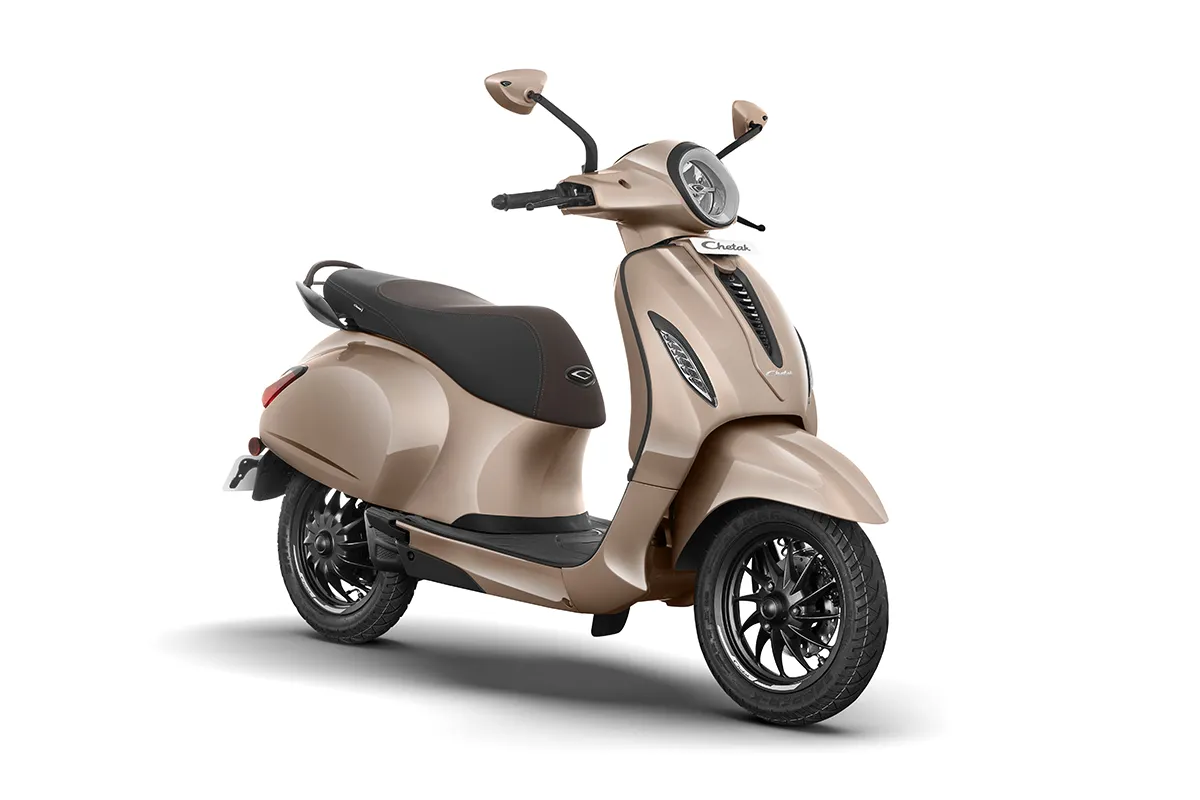
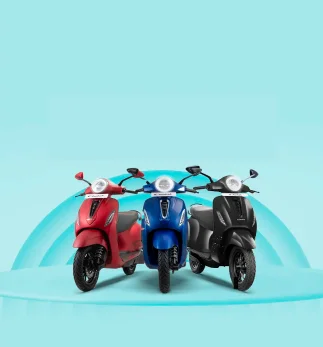
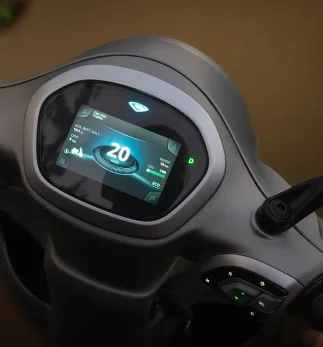
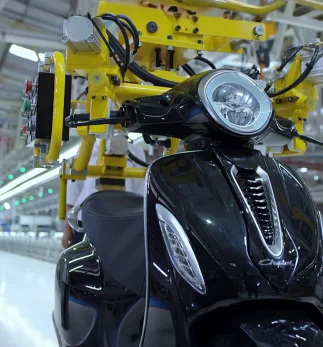
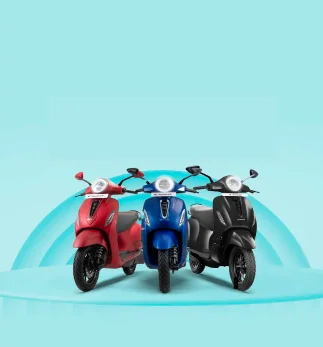
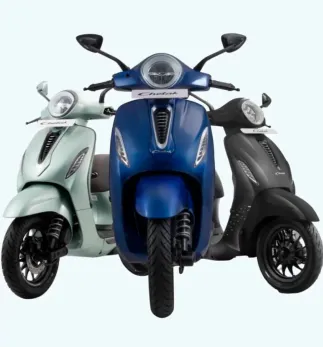
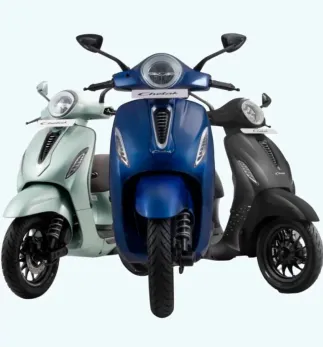
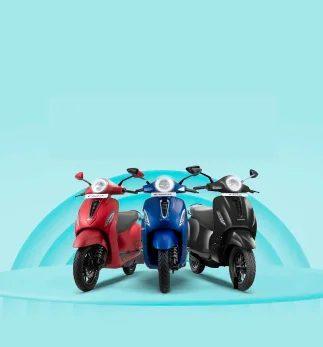
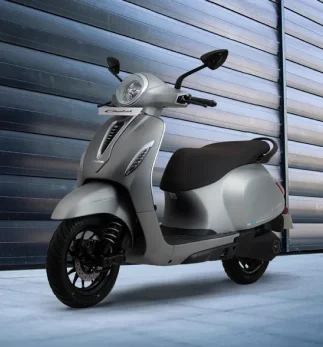
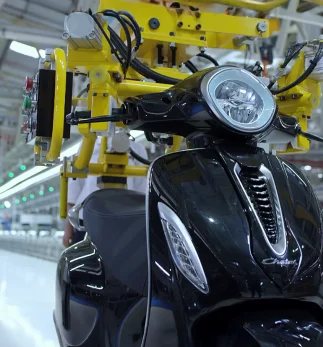
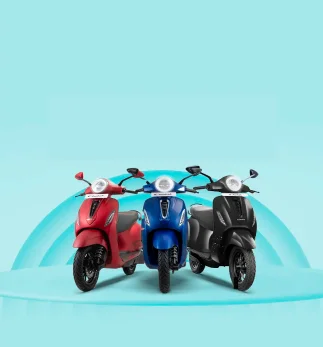
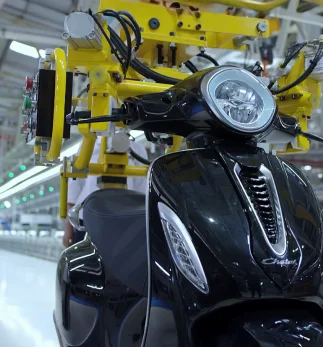
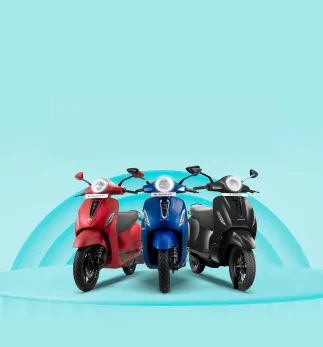
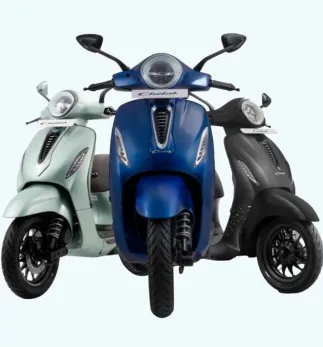
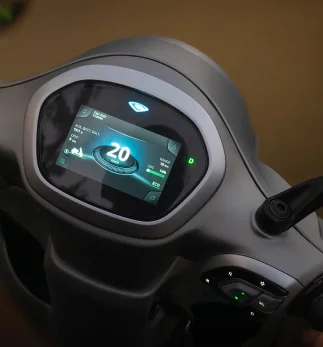
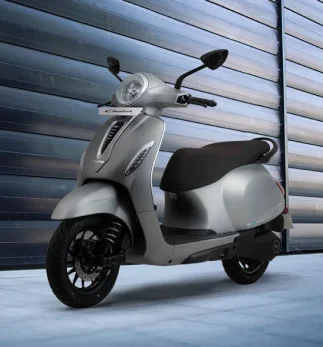
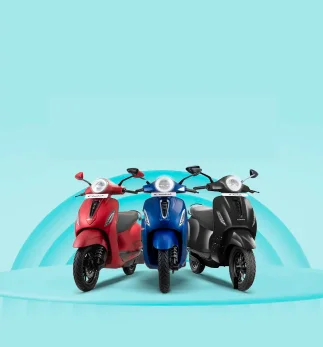
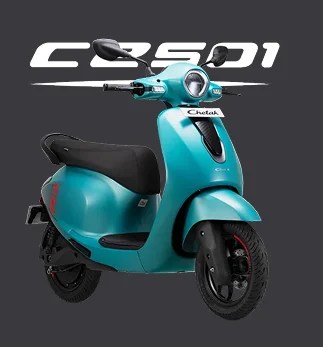
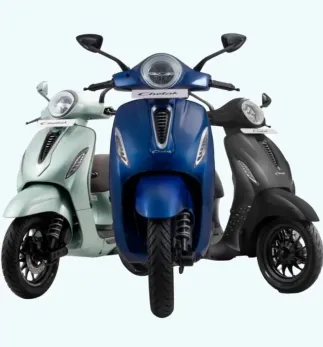
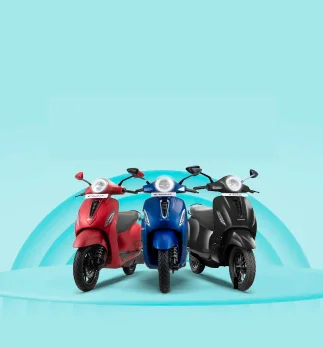
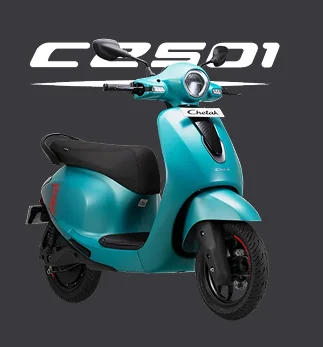
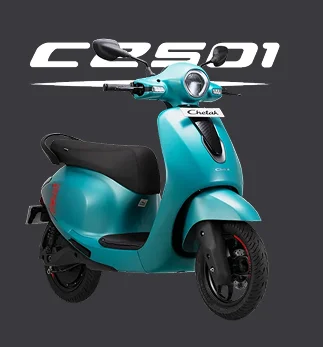
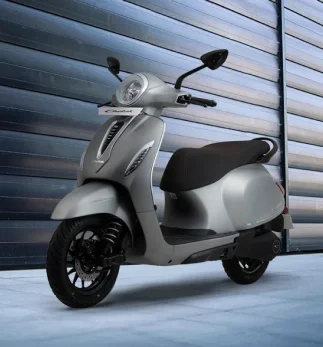
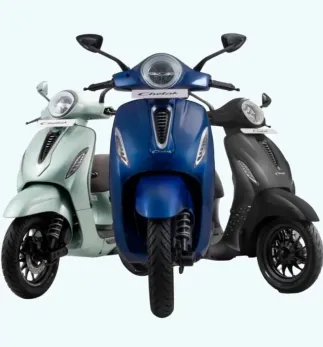
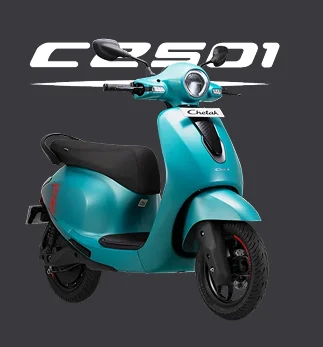
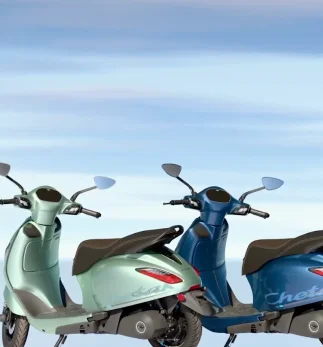
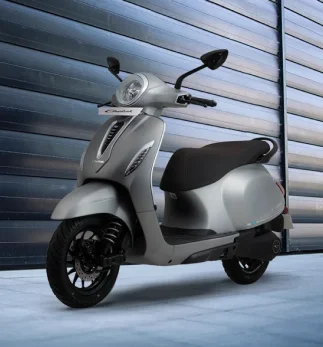
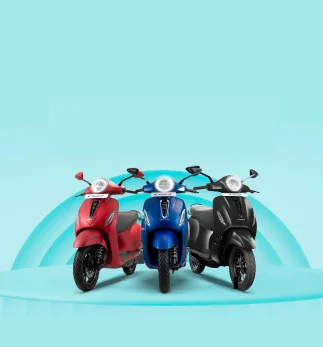
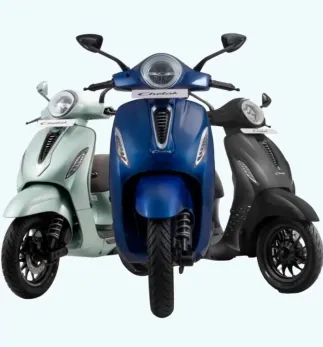
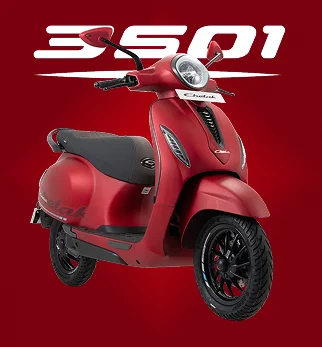
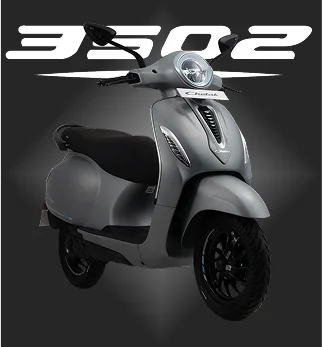
All our models, Chetak 3501, Chetak 3502, Chetak 3503, and Chetak 3001, utilise advanced lithium-ion battery systems engineered for real-world efficiency, safety, and long-term reliability. These models deliver practical electric mobility solutions built for today’s riding conditions while remaining adaptable to tomorrow's innovations.
Recent Articles
How to Increase Electric Scooter Range With Smarter Riding Habits
Know More
Which Bajaj Chetak Models Offer the Best Combination of High Speed and Rider-Focused Features?
Know More
5 Features that Make an Electric Scooter for Hilly Areas More Practical
Know More
5 Electric Scooter Maintenance Habits that can Support Long-term Performance
Know More
How to Choose a High-Performance Electric Scooter for Daily Use
Know More










.webp)




































.webp)