
 Back
Back
Last Updated: Mar 05 2026, 16:00 PM IST
Lead Acid vs Lithium Ion Batteries: Pros and Cons for Electric Scooters




Electric scooters are transforming urban mobility by providing a quieter, cleaner, and more efficient alternative to conventional petrol vehicles. Selecting the EV scooter with appropriate battery is a critical consideration, as it directly influences range, performance, handling, and maintenance requirements. Among the available options, two battery types predominate: lead-acid and lithium-ion. The comparison of lead-acid vs lithium-ion batteries is particularly relevant for individuals seeking a dependable, high-performing electric scooter. A clear understanding of the differences between these battery technologies enables riders to make informed decisions, optimise their commuting experience, and ensure long-term reliability. Let us examine the characteristics of each battery type and their respective implications for electric scooters.
Lead Acid vs Lithium Ion Battery for Electric Scooters: Key Advantages and Limitations
Electric scooters are becoming increasingly popular among urban commuters, offering a cleaner, more efficient alternative to petrol vehicles. Selecting the right battery is a key factor, as it directly affects range, performance, handling, and maintenance.
Each battery type has its own strengths and limitations, which can influence your daily commuting experience.
• Lead Acid Batteries
Lead-acid batteries are a traditional form of energy storage and have been widely used in vehicles for over a century. They generate electricity through chemical reactions between lead plates and sulphuric acid, providing a dependable power source for short-distance travel.
The following pros and cons highlight the key advantages and limitations of lead-acid batteries in electric scooters:
Pros:
- Affordable Upfront Cost: Lead-acid batteries are cost-effective at first, making them accessible to budget-conscious riders.
- Reliable for Short City Rides: They provide consistent power for daily commutes and short trips.
- Simple Technology and Easy to Replace: Replacement and servicing are straightforward and widely available.
Cons:
- Heavier and Bulkier: Adds weight to the scooter, potentially affecting handling and acceleration.
- Shorter Range Per Charge: Limited energy density means scooters may need to be recharged more frequently.
- Requires Regular Maintenance: Needs monitoring of electrolyte levels and proper charging cycles to maintain lifespan.
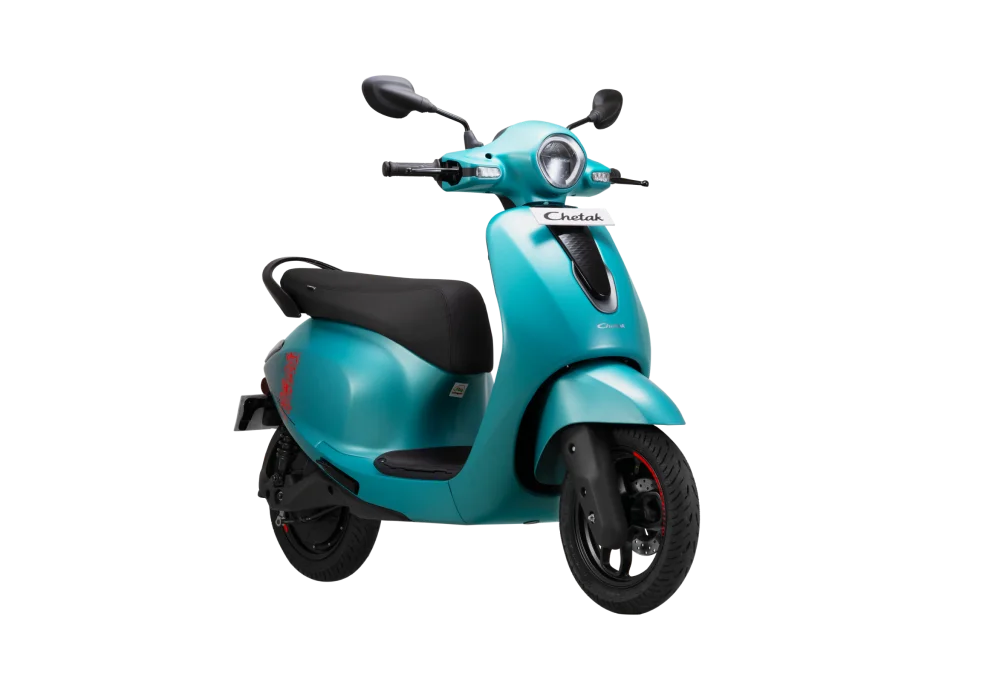
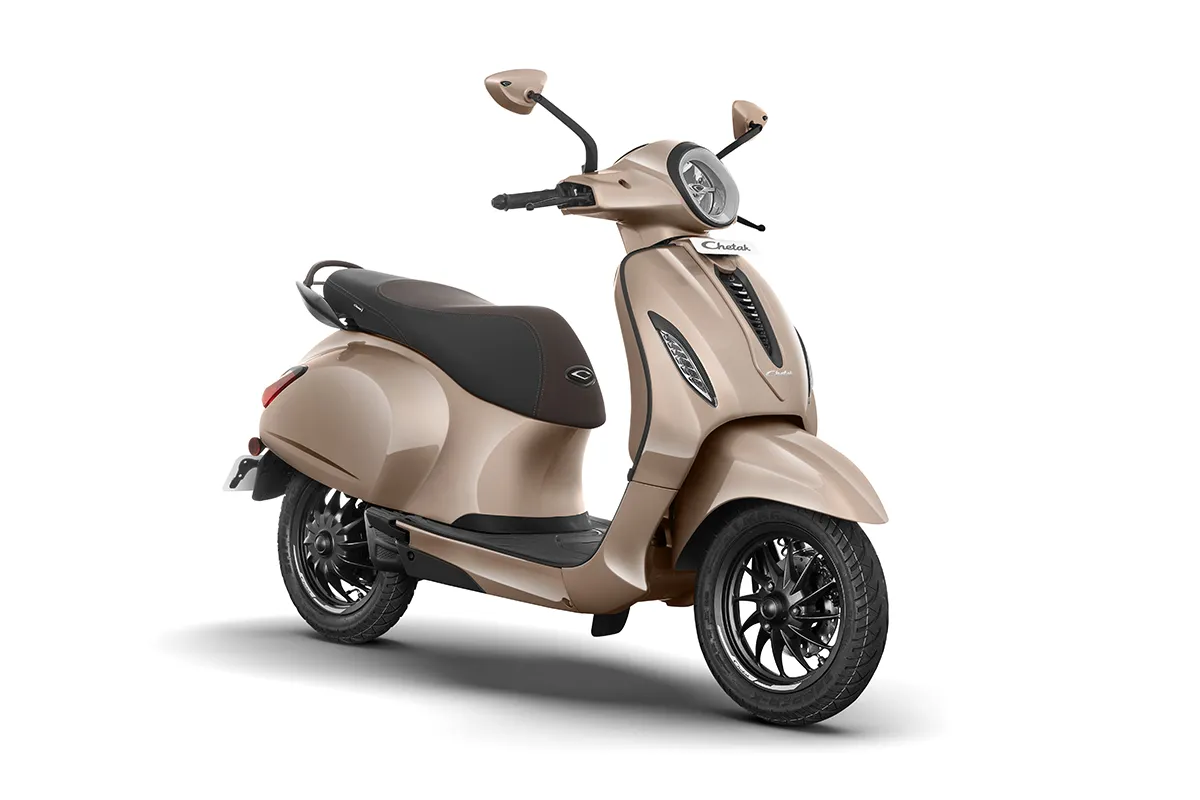
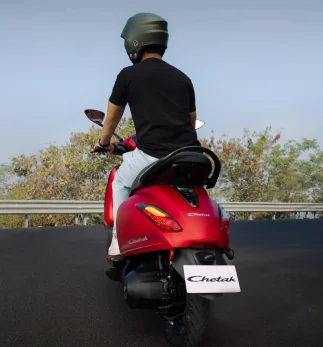
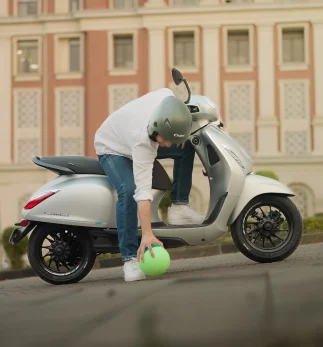
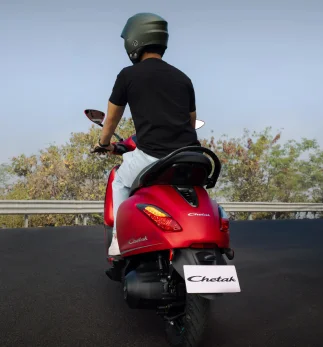
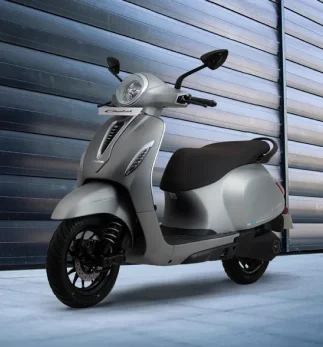
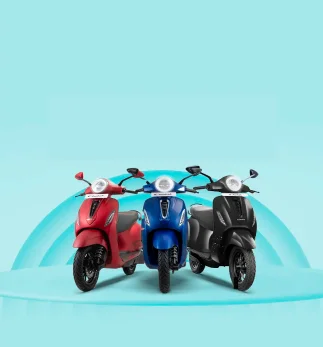
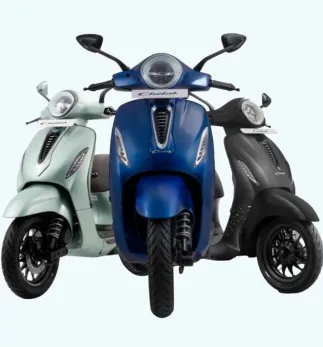
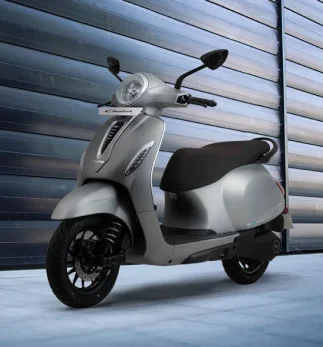
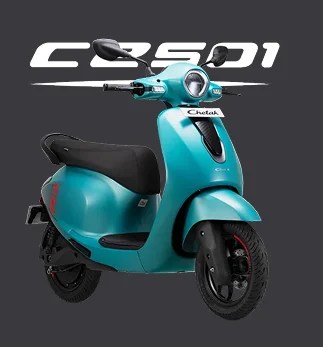
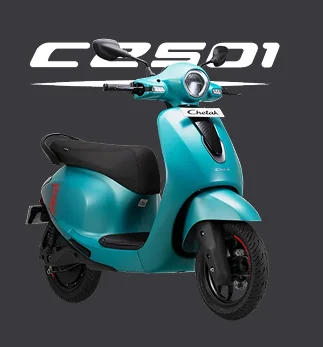
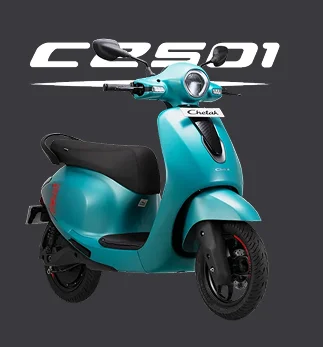
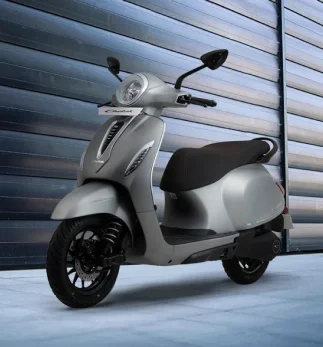
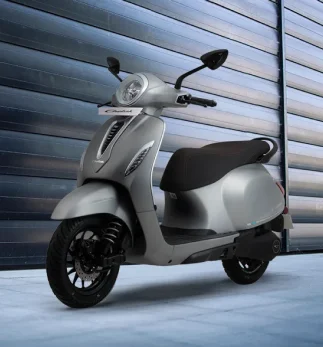
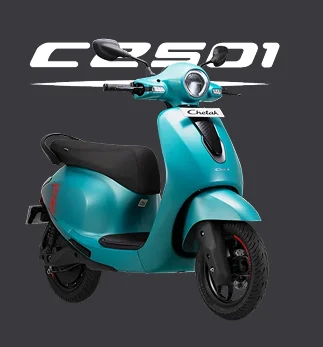
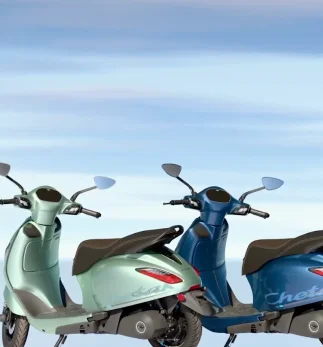
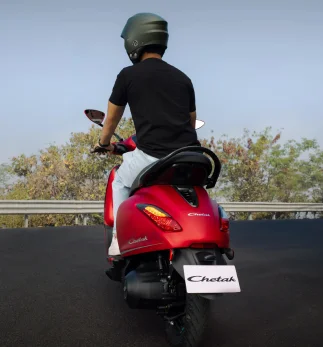
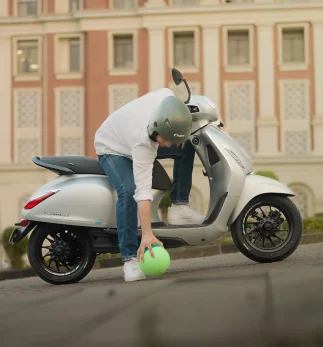
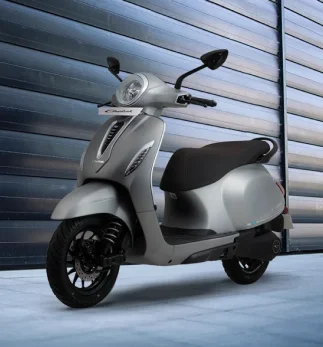
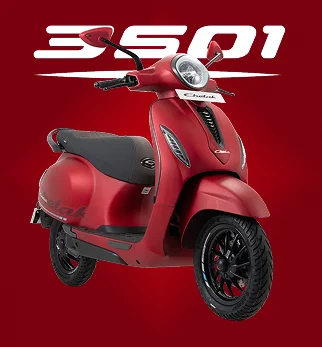
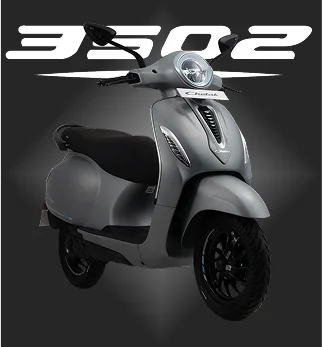
Bajaj Chetak C2501
• Lithium Ion Batteries
Lithium-ion batteries are the modern standard for electric scooters, offering higher energy density, lighter weight, and greater efficiency. They store energy in lithium-based cells and are largely maintenance-free, making them suitable for daily commuting and longer rides.
The pros and cons below highlight why lithium-ion technology is often the preferred choice for contemporary scooters:
Pros:
- Lightweight Enhancing Manoeuvrability: The reduced weight improves handling and acceleration, making rides smoother and more responsive.
- Longer Range and Consistent Performance: Higher energy density enables longer range per charge and stable performance over time.
- Maintenance-free and Durable: Minimal upkeep is required, and lithium-ion batteries have a longer lifespan than lead-acid alternatives.
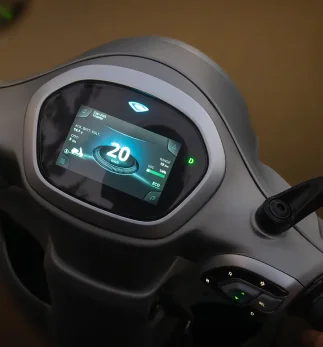
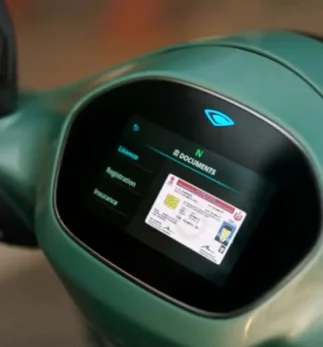
- Supports Fast Charging and Advanced Features: Enables regenerative braking, quick turnaround times, and smart monitoring for safer, more efficient operation.
- Long-term Value: While the upfront cost is higher, durability, efficiency, and reduced maintenance make lithium-ion batteries more cost-effective over time.
- Safe and Reliable Charging: Proper charging practices enhance safety, maximise performance, and extend battery lifespan.
Potential Limitations of Lithium-Ion Batteries
- Requires Careful Handling: While generally safe, extreme heat or improper charging can reduce lifespan or efficiency.
- Battery Ageing Over Time: Like all batteries, lithium-ion packs gradually lose capacity after many charge cycles, though this process is slower than with lead-acid batteries.
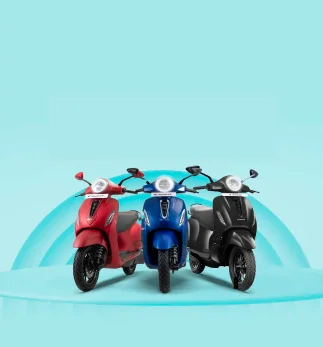
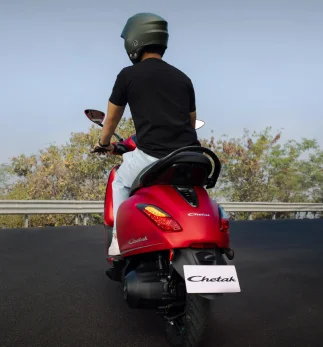
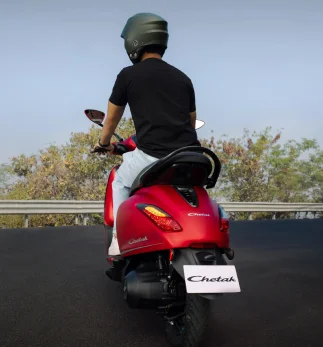
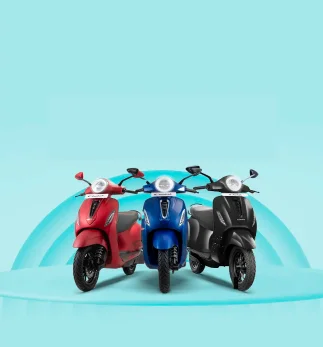
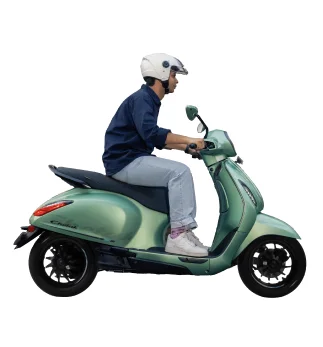
When comparing lead-acid vs. lithium-ion batteries, it becomes clear that lithium-ion technology offers superior convenience, efficiency, and long-term value. Modern scooters, including the Chetak electric scooter, increasingly adopt this technology to provide riders with a smoother, longer-lasting, and maintenance-free experience.
Choosing the Best Power Source for Your Electric Scooter
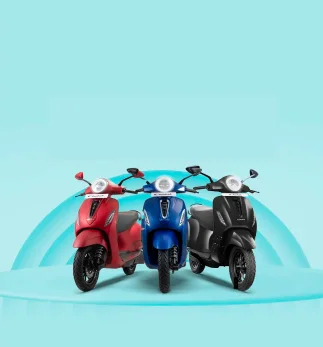
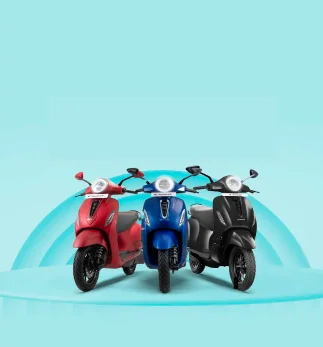
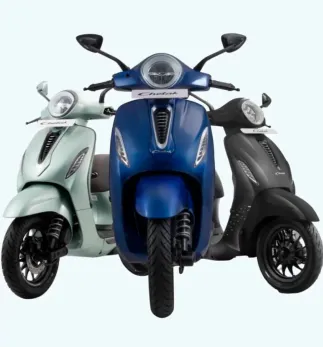
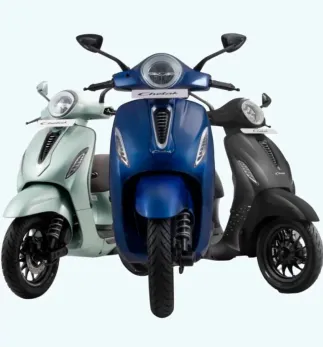
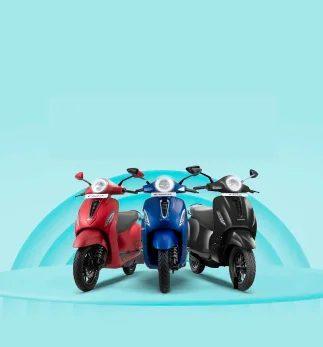
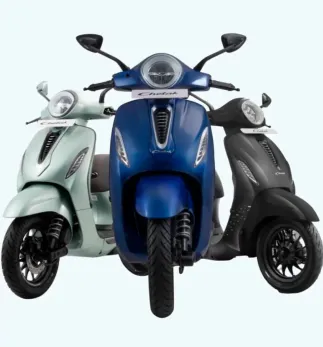
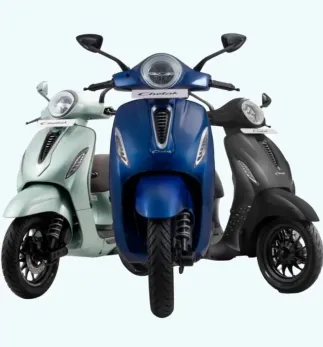
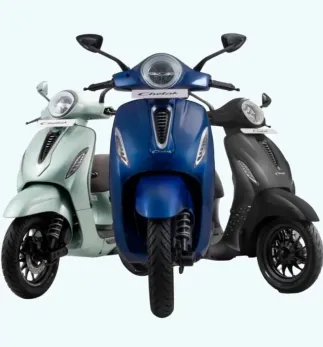
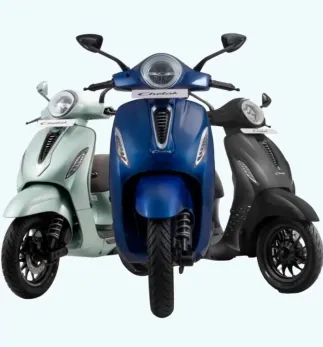
With the Bajaj Chetak and its full lithium-ion lineup, riders benefit from fast charging, regenerative braking, and improved handling for an optimal ride. Investing in lithium-ion technology ensures superior performance, greater convenience, and long-term satisfaction. Comparing lead acid vs lithium ion battery, it is evident that lithium-ion offers a smarter, more efficient choice for modern commuting needs.
With reduced maintenance requirements and longer lifespan, lithium-ion batteries provide peace of mind and a consistently better riding experience. Choosing lithium-ion technology is an investment that enhances both daily commuting and long-term satisfaction. Its combination of efficiency, durability, and advanced features makes it the ideal choice for riders seeking the best electric scooter experience.
Recent Articles
How to Increase Electric Scooter Range With Smarter Riding Habits
Know More
Which Bajaj Chetak Models Offer the Best Combination of High Speed and Rider-Focused Features?
Know More
5 Features that Make an Electric Scooter for Hilly Areas More Practical
Know More
5 Electric Scooter Maintenance Habits that can Support Long-term Performance
Know More
How to Choose a High-Performance Electric Scooter for Daily Use
Know More






.webp)

















.webp)