
 Back
Back
Last Updated: Jan 27 2026, 12:30 PM IST
Non-Registered Electric Scooters: Who Should Buy Them & Key Limitations




Electric mobility has grown rapidly in India, creating space for multiple categories of two-wheelers. Among them, the non-registered electric scooter segment has attracted attention for its value for money, low speeds, and relaxed regulatory requirements. These models do not need registration at the RTO, do not require a driving licence, and avoid many compliance steps that come with conventional high-speed EVs. Yet, the decision to buy one should be based on real-world need rather than convenience alone. In this blog, we will look at the benefits of a non-registered electric scooter, where it works well, and the key limitations every buyer must understand before choosing one.
What is a Non-registered Electric Scooter?
A non-registered electric scooter is a low-speed EV classified under India's exemption category. These scooters typically come with:
- Motor power up to 250W
- Top speed capped at 25 km/h
- No registration or licence requirement
- No helmet mandate legally (but still recommended)
Because they comply with these specifications, they fall outside the standard Central Motor Vehicle Rules (CMVR) norms for two-wheelers. This makes them attractive for short-distance riders who want easy mobility without paperwork or regulatory formalities.
However, their limited power and safety constraints make them unsuitable for many types of riders, especially those who travel long distances or depend on consistent performance.
Who Should Consider a Non-registered Electric Scooter?
A non-registered electric scooter is designed mainly for predictable, low-distance, low-traffic use. The following groups usually benefit the most:
1. Senior Citizens with Limited Mobility Needs
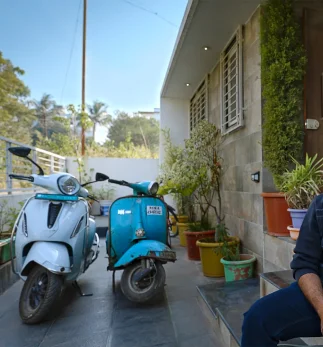
Older adults who need a simple vehicle for grocery runs, visiting nearby clinics, or daily errands often find these scooters practical. Since they move slowly and require no licence, they allow seniors to stay independent without navigating complex RTO processes.
2. Students Commuting Within Campus or Short Distances
College and school students who travel within 3–5 km daily can comfortably use a non-registered electric scooter. The limited speed reduces accident risk, and families appreciate the lower running costs. These scooters also help avoid concerns about parking and traffic compliance within campus areas.
3. Homemakers Managing Local Errands
For nearby markets, schools, tuition centres, or within-neighbourhood travel, homemakers find low-speed EVs convenient. They start instantly, require minimal maintenance, and offer a predictable riding experience.
4. Delivery Agents in Closed Campuses
In gated communities, industrial campuses, resorts, warehouses, or private facilities, low-speed EVs are ideal for internal movement. Their limited power is not a disadvantage in controlled environments, making them cost-effective fleet options.
5. Individuals Looking for an Ultra-low Budget EV
Many buyers choose these scooters simply because of their price. A non-registered electric scooter offers a more budget-friendly option compared to most high-speed EVs. For someone wanting basic mobility at minimum cost, these models offer an accessible entry point.
Key Advantages of Non-registered Electric Scooters
A non-registered electric scooter appeals to many first-time EV users. Below are the core advantages that make these models attractive for specific everyday needs.
1. No Licence or Registration Needed
One of their biggest attractions is that anyone over 16 can ride them without a driving licence. Parents often consider them for teenagers who cannot yet legally ride high-speed EVs.
2. Extremely Low Running Costs
Due to their smaller battery capacity and limited power consumption, electric scooters use very little electricity. The cost of charging typically remains low, though it varies depending on regional electricity tariffs.
3. Lightweight and Easy to Handle
These scooters are lighter than most registered models, making them easier for first-time users to balance and manoeuvre.
4. Quiet and Eco-friendly
They produce no tailpipe emissions and are among the quietest two-wheelers, ideal for residential areas or noise-sensitive zones.
Key Limitations Buyers Must Understand
While the benefits are compelling, a non-registered electric scooter comes with serious constraints. Buyers should evaluate these drawbacks carefully before choosing one.
1. Very Limited Speed
With a maximum speed of 25 km/h, these scooters are unsuitable for:
- Main roads
- Highways
- Busy city routes
- Areas with fast-moving traffic
This limitation directly affects travel time and safety during peak hours.
2. Restricted Motor Power
The 250W motor struggles with:
- Flyovers and inclines
- Heavy riders
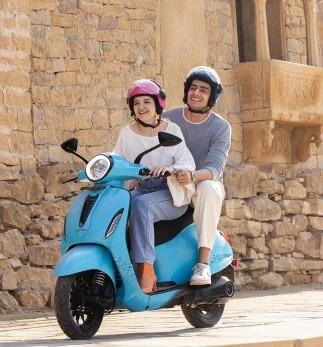
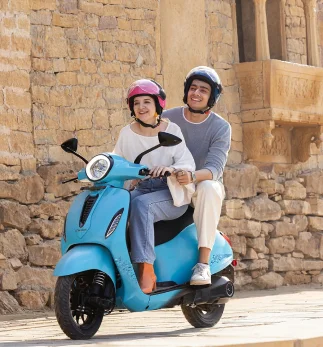
- Pillion riding
- Sudden acceleration needs
This makes them impractical for riders living in hilly locations or those who carry additional loads.
3. Lower-range Batteries
Most scooters in this category provide 40-55 km per charge, but real-world range may drop due to:
- Rider weight
- Temperature
- Tyre pressure
- Road elevation
For regular commuters, this limitation becomes a daily inconvenience.
4. Insurance Not Required, But Risk Still Remains
Since registration is not mandatory, insurance also becomes optional. Many buyers skip it, which leads to:
- No third-party damage protection
- No coverage in case of theft
- No accidental damage protection for riders
This significantly increases financial risk.
Lower Build Quality and Durability
To maintain low prices, manufacturers often compromise on:
- Chassis strength
- Battery quality
- Braking performance
- Suspension systems
This results in increased wear and tear, especially for riders who use the scooter daily.
6. Safety Limitations
A low-speed design does not guarantee safety. In fact, riding a slow vehicle on a fast road increases the risk of collisions.
Riders should be cautious about:
- Fast-moving roads
- Sudden lane changes by other vehicles
- Low visibility at junctions
- Limited time to react
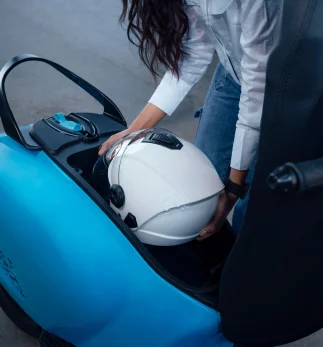
This makes helmet use essential, and it is also legally mandatory.
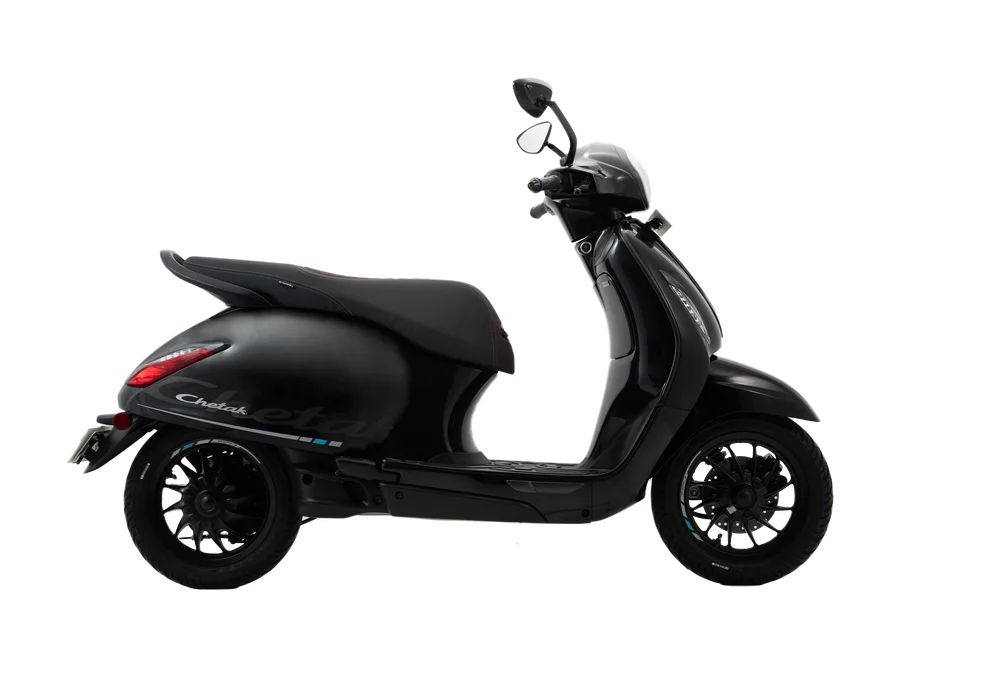
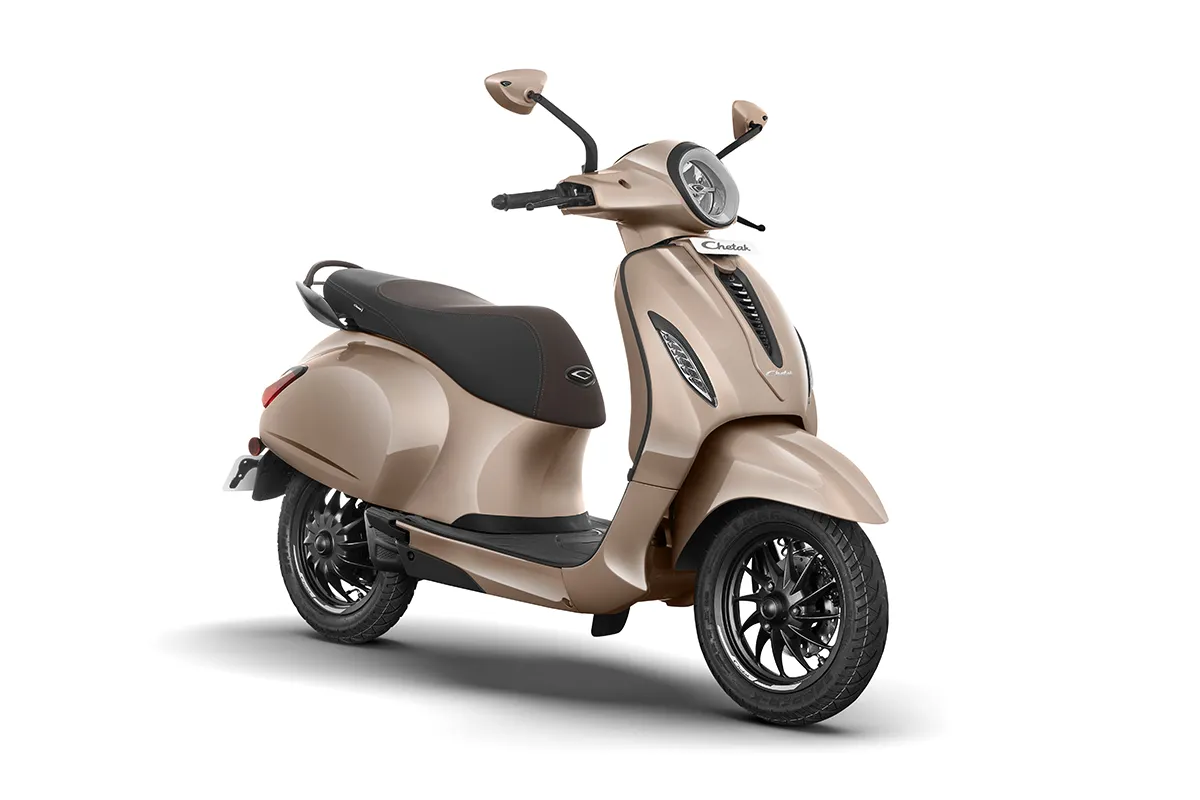
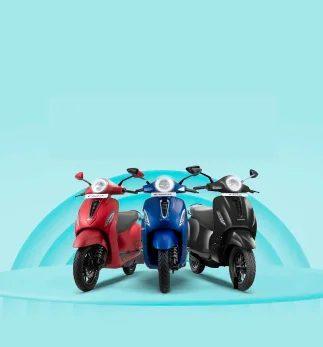
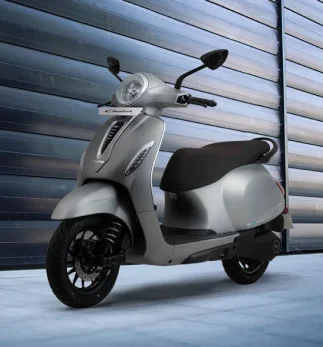
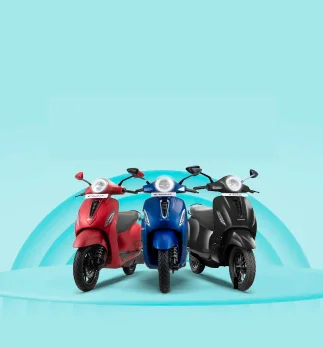
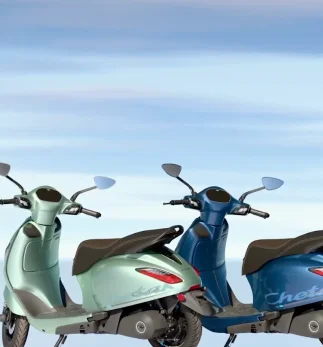
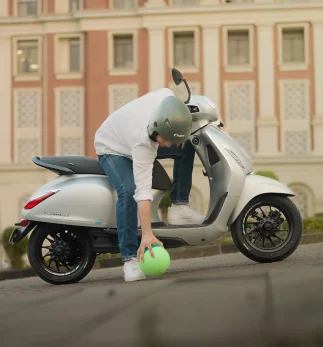
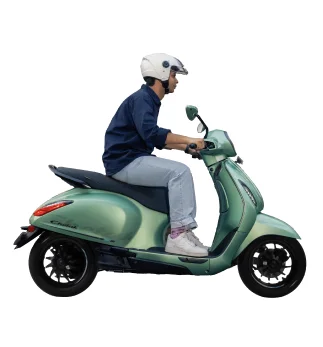
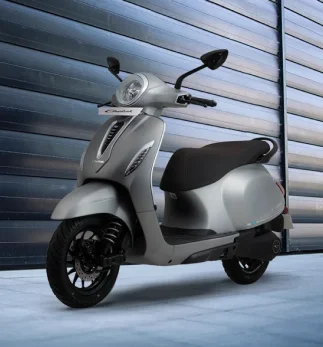
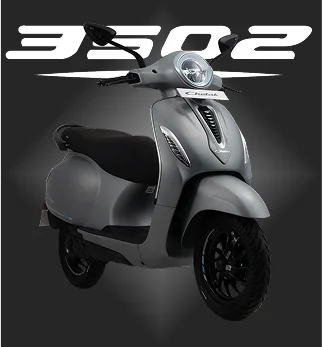
Bajaj Chetak
Finding the Right Fit for Your Daily Travel Needs
Choosing a non-registered electric scooter ultimately depends on how predictable and limited your daily travel needs are. These models work well for seniors, students, homemakers, and anyone who relies on short, local trips where speed and power are not priorities.
Their simplicity, low running costs, and relaxed regulatory requirements make them convenient, but their limitations cannot be ignored. If you need higher speed, stronger brakes, better durability, and formal coverage, a registered electric scooter is the smarter long-term option.
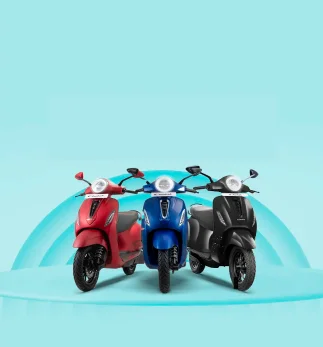
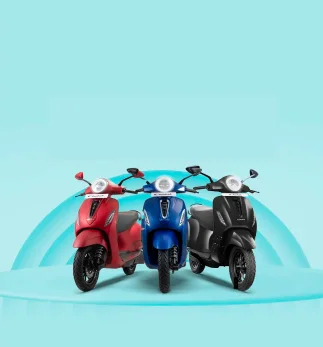
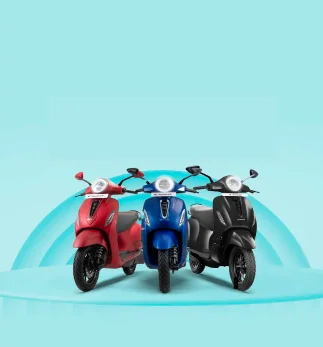
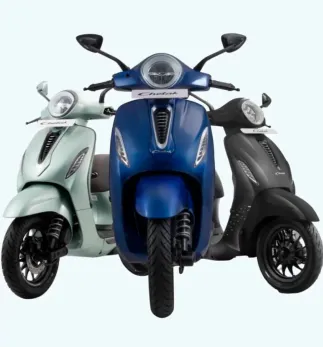
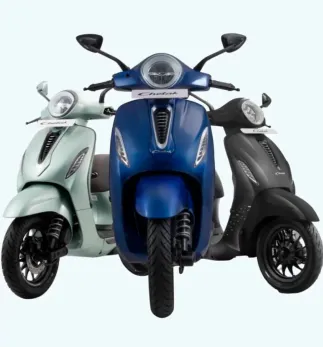
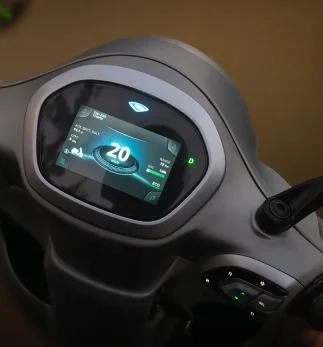
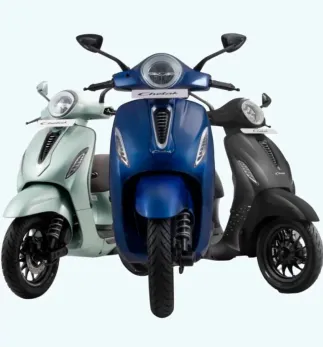
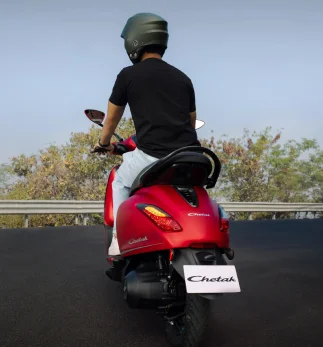
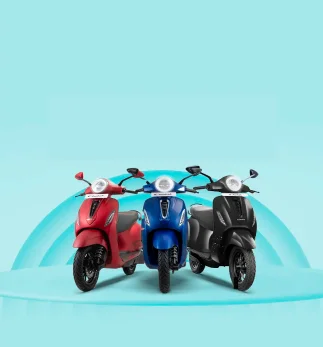
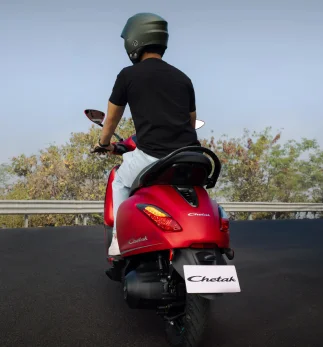
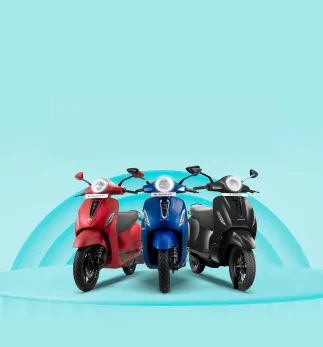
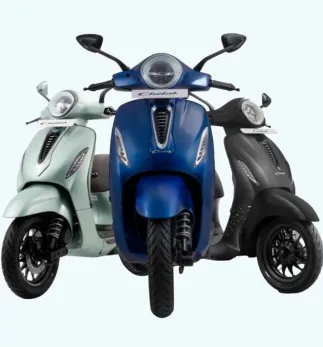
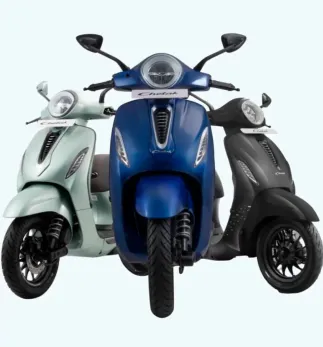
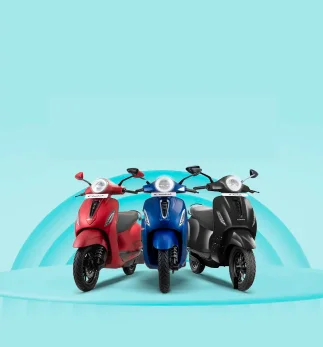
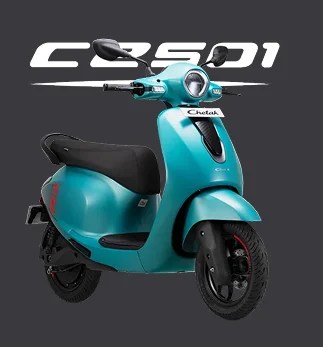
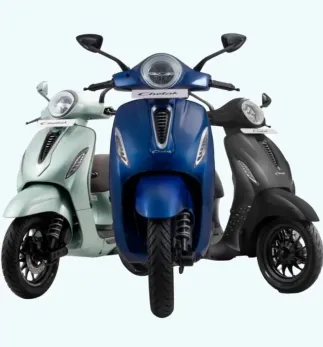
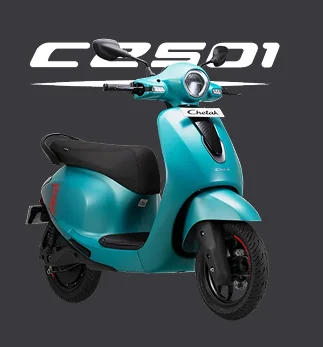
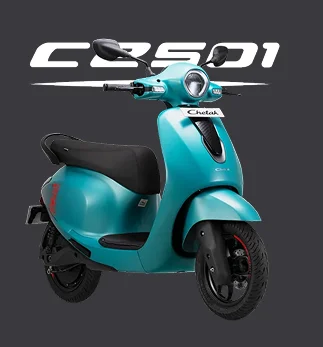
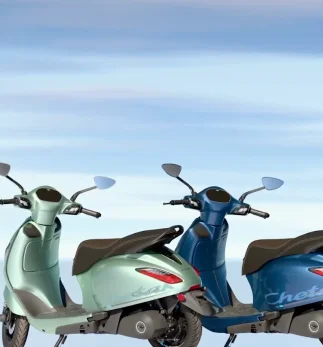
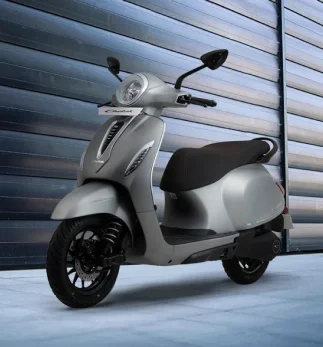
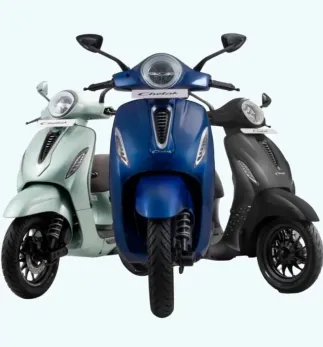
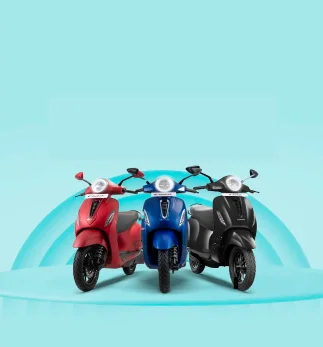
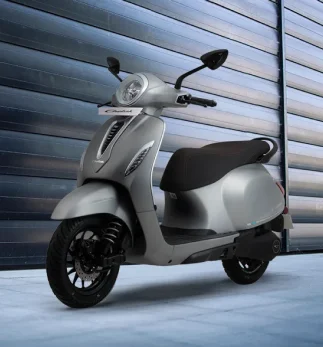
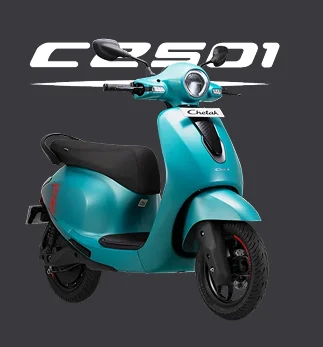
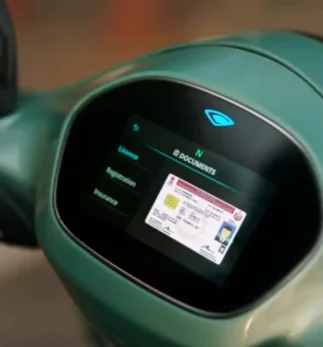
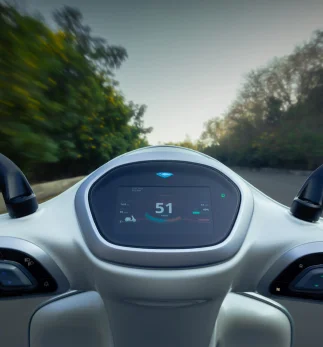
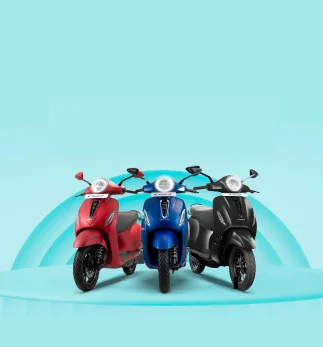
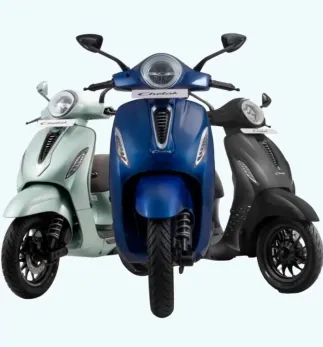
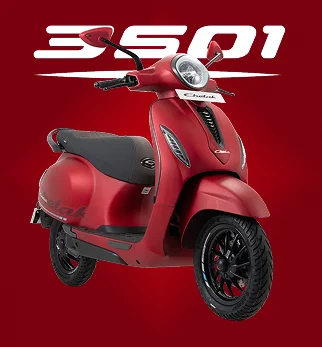
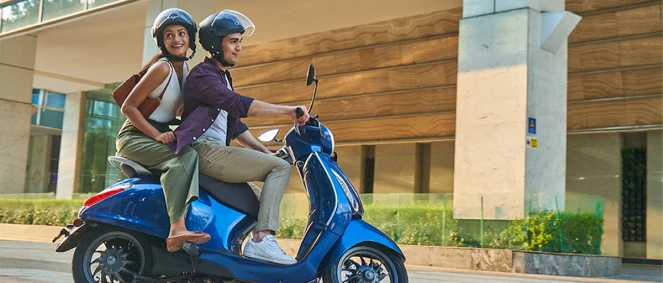
For higher performance and long-distance practicality, registered models such as the Bajaj Chetak 3501, 3502, 3503, and 3001 offer a more reliable, future-ready alternative.
Recent Articles
How to Increase Electric Scooter Range With Smarter Riding Habits
Know More
Which Bajaj Chetak Models Offer the Best Combination of High Speed and Rider-Focused Features?
Know More
5 Features that Make an Electric Scooter for Hilly Areas More Practical
Know More
5 Electric Scooter Maintenance Habits that can Support Long-term Performance
Know More
How to Choose a High-Performance Electric Scooter for Daily Use
Know More
.webp)


.webp)