
 Back
Back
Last Updated: Mar 20 2026, 14:00 PM IST
Electric Scooters with Reverse Gear: A Convenient Feature for Easy Parking




Urban commuting is evolving rapidly, with electric scooters becoming a mainstream choice for daily travel. As cities become more congested and parking spaces become tighter, riders seek features that enhance convenience and usability. One such feature gaining attention is the electric scooter with a reverse gear. Although predominantly associated with cars and larger vehicles, reverse gear is now finding its way into two-wheeled electric mobility solutions. This innovation might seem small, but for riders who travel through narrow lanes and dense parking, an electric scooter with a reverse gear can make a significant difference. In this blog, we explore how reverse gear works, why it matters, and what riders should know about electric scooters equipped with this feature.
Why Reverse Gear Matters in Electric Scooters
Parking a scooter is usually straightforward: you ride to a spot, stop, and push the vehicle into place if necessary. However, factors like limited space, heavy traffic, and tight corners can make even simple parking manoeuvres difficult. This is where the electric scooter with a reverse gear comes into play.
Reverse gear allows the scooter to move backward without the rider having to dismount and physically push the vehicle. This feature offers several practical benefits:
1. Easy Parking in Tight Spots
Reverse gear makes it simpler to back out of narrow parking spots or reposition the scooter in confined spaces.
2. Reduced Physical Strain
Riders no longer need to lift or push the scooter manually, benefiting those with mobility issues or heavy scooters.
3. Improved Safety
By providing controlled backward movement, reverse gear helps avoid awkward manoeuvres that could lead to loss of balance or falls.
4. Enhanced Accessibility
Reverse mode can support users who struggle with managing weight distribution or who ride in busy urban environments.
For riders who often face parking challenges, an electric scooter with a reverse gear elevates the experience from merely functional to genuinely convenient.
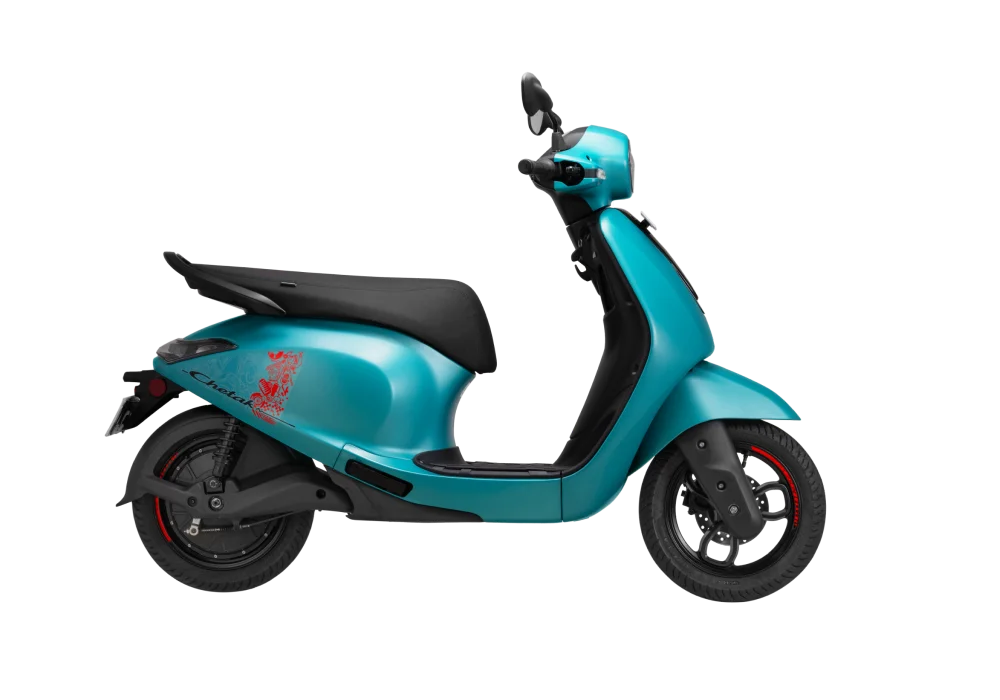
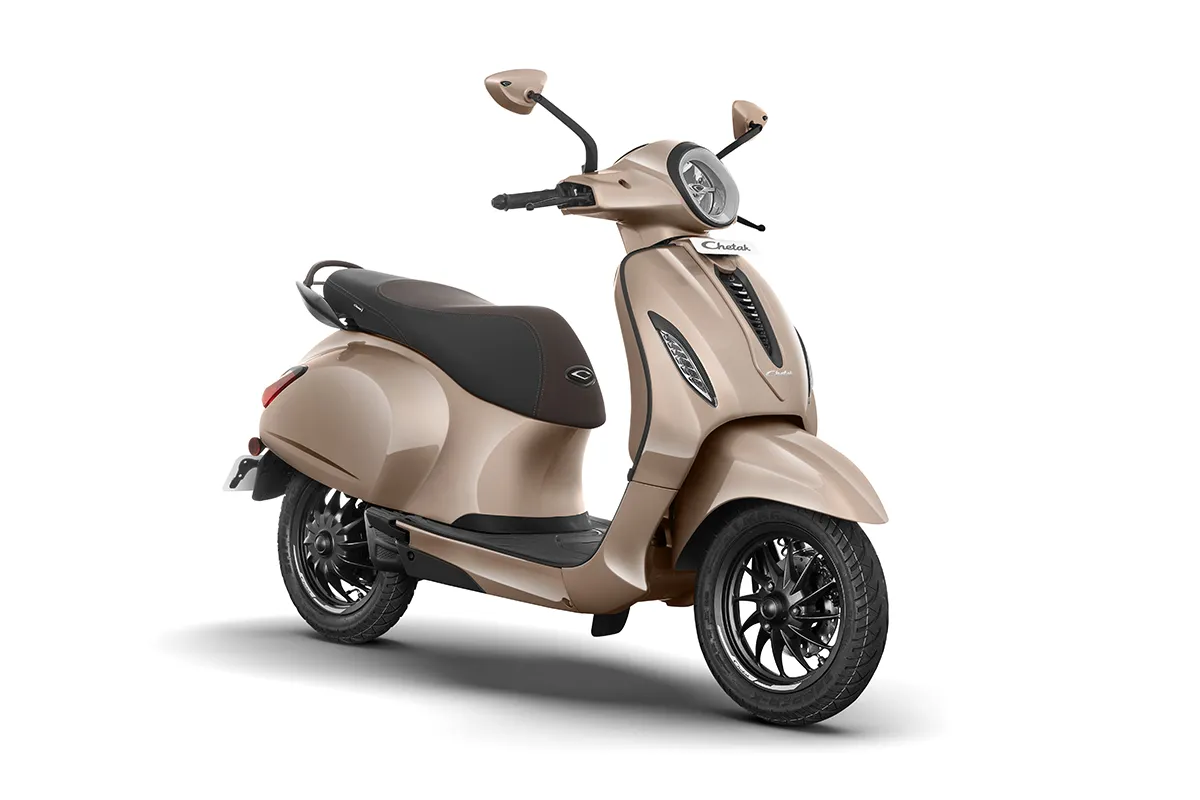
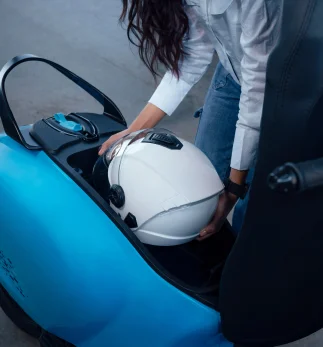
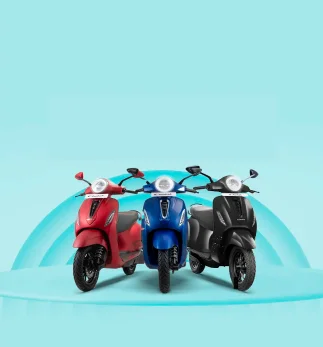
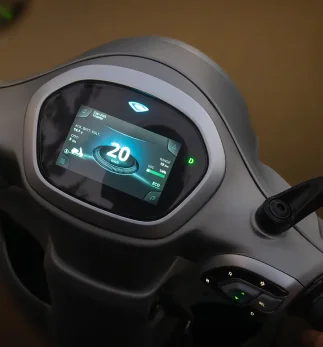
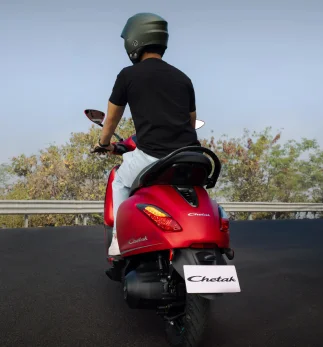
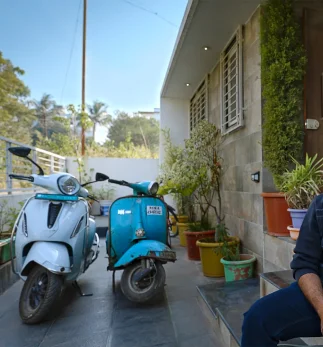
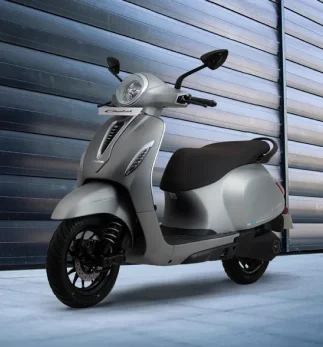
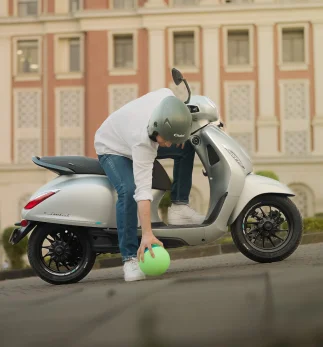
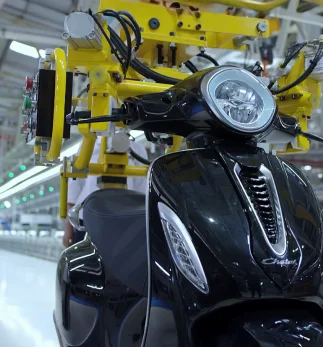
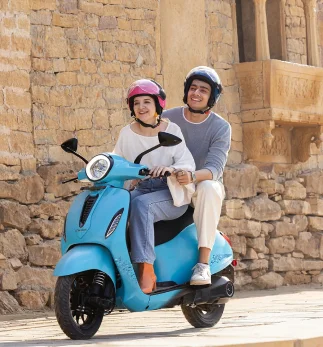
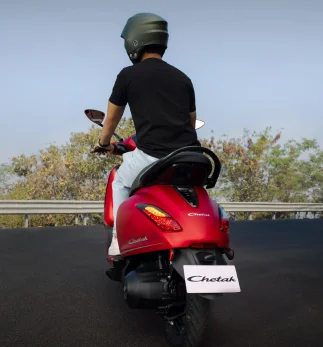
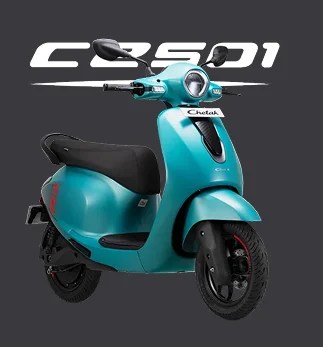
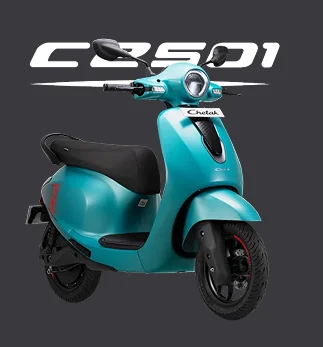
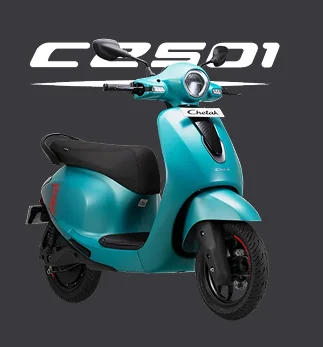
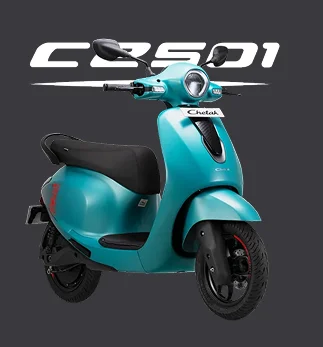
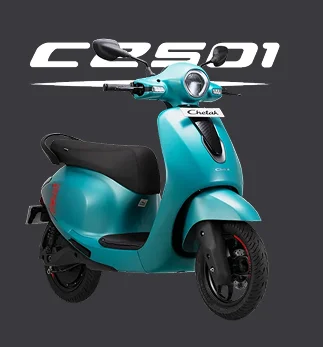
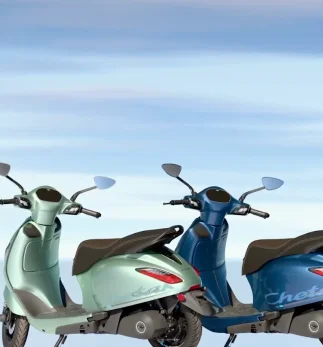
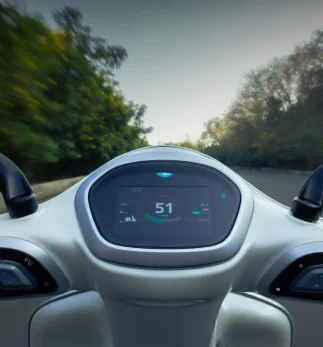
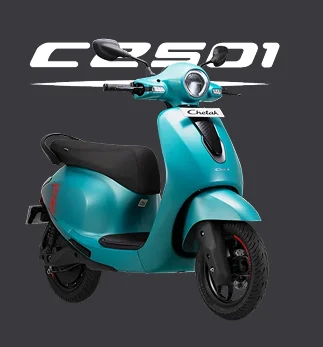
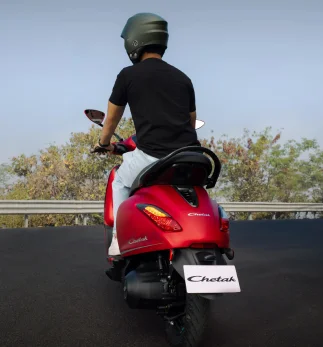
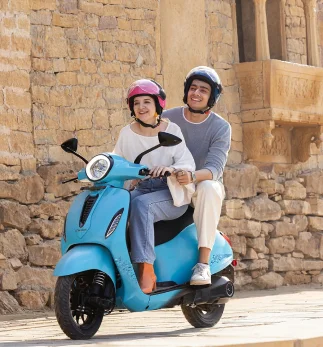
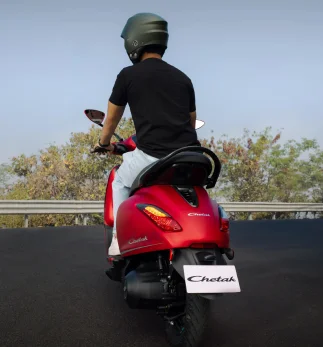
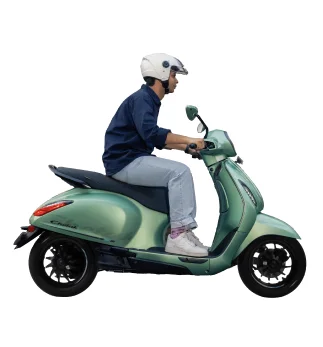
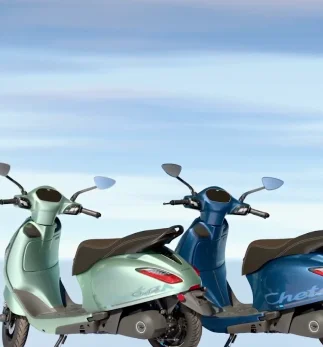
Bajaj Chetak C2501
How Reverse Gear Works in Modern Electric Scooters
In conventional petrol scooters and motorcycles, reverse gear is rare because of design constraints and weight considerations. Electric scooters, however, operate differently.
Their motors can reverse direction through electronic control, meaning the system doesn't require a mechanical gearbox to move backward. This makes implementing reverse mode simpler and more efficient.
Here's a breakdown of how the feature generally works:
• Electric Motor Control
Instead of turning forwards, the controller switches the current, causing the motor to rotate in reverse. This needs to be carefully calibrated to deliver smooth, low-speed backward motion.
• User Interface
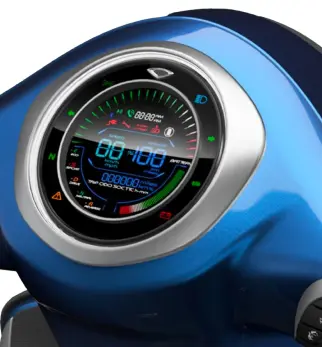
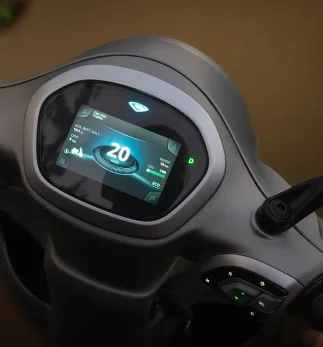
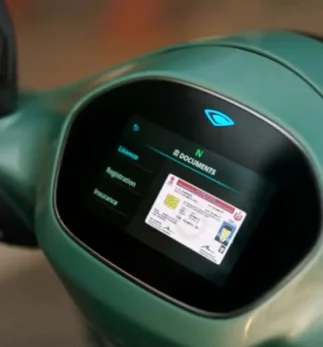
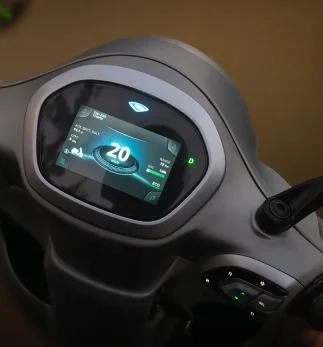
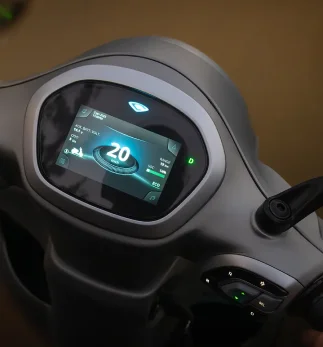
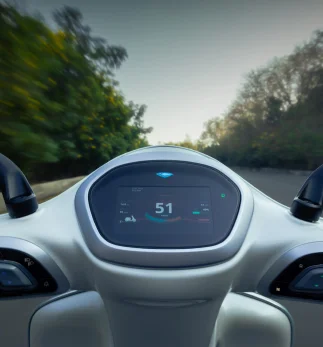
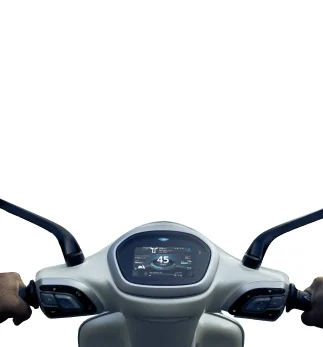
Most electric scooters with a reverse function include a dedicated button or switch on the handlebars. When activated, the controller engages reverse mode at a safe, controlled speed.
• Safety Interlocks
Reverse gear typically works only at very low speeds or when the vehicle is stationary. This is to prevent sudden movements that could destabilise the rider.
By using electronic controls, an electric scooter with a reverse gear delivers backward movement in a predictable and user-friendly way. This contrasts with traditional gearsets in larger vehicles that rely on mechanical arrangements to deliver reverse motion.
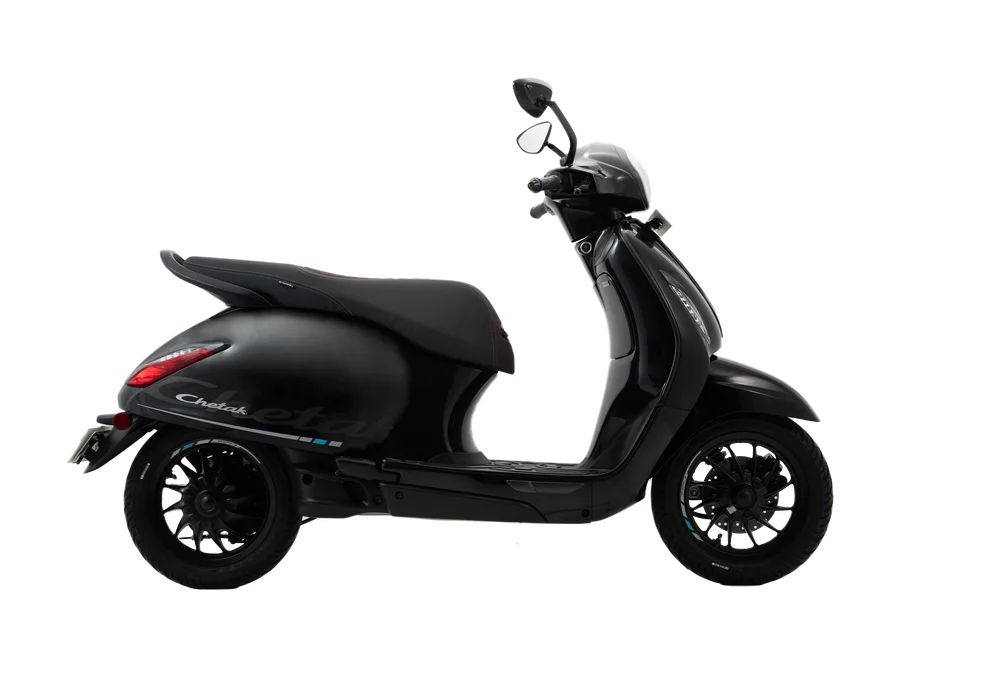
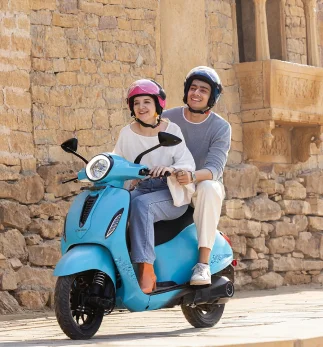
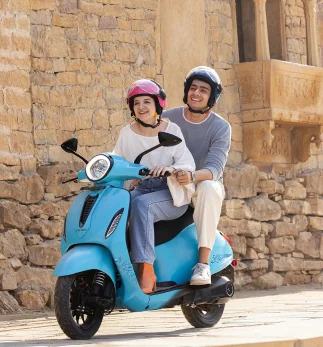
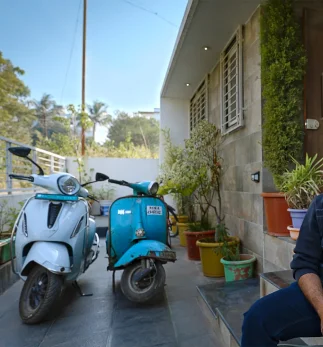
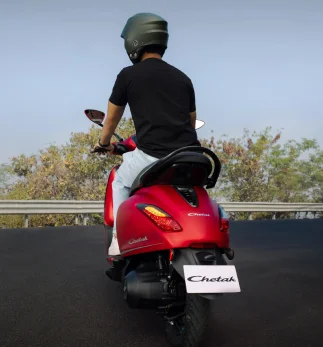
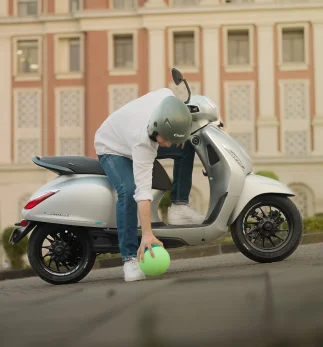
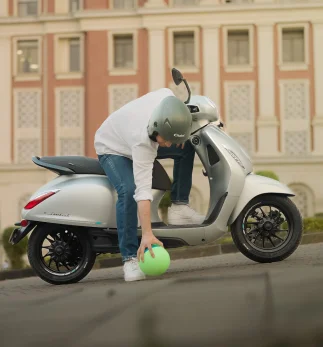
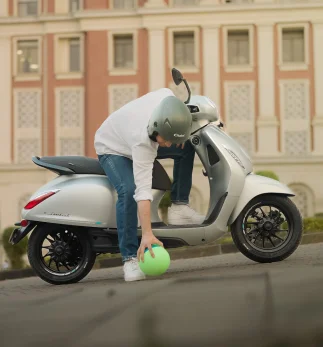
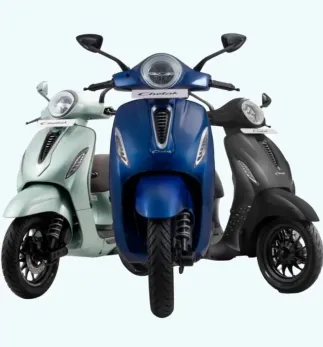
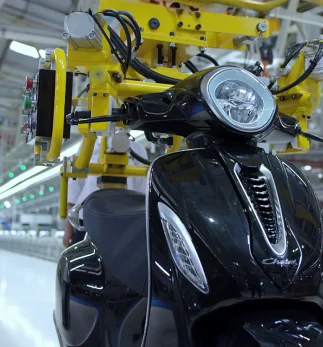
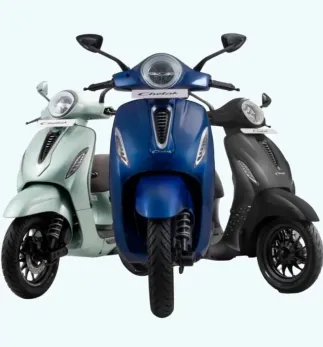
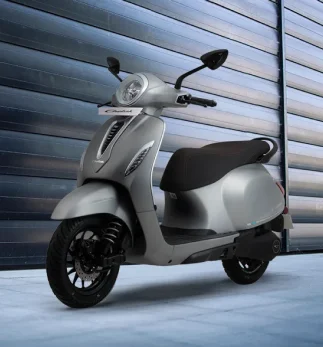
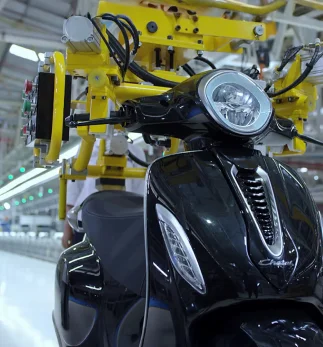
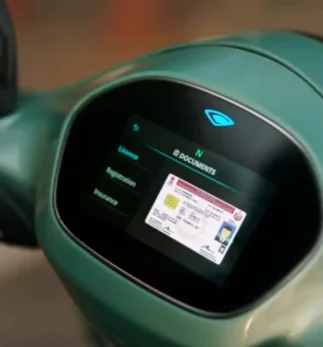
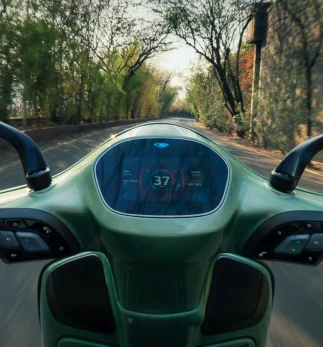
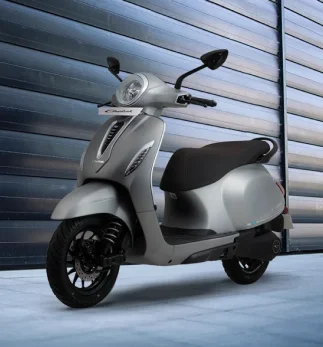
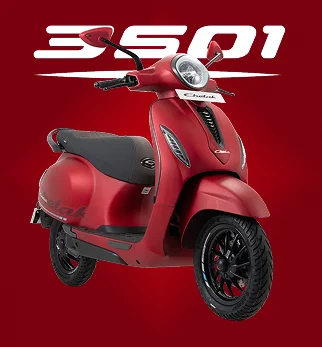
Bajaj Chetak 3501
Everyday Scenarios Where Reverse Mode Helps
With reverse gear, a simple press of a button allows your scooter to back out smoothly, letting you steer into traffic with confidence.
Here are typical scenarios where this feature proves useful:
1. Crowded Parking Lots
If at a mall or office, getting out of a tight slot becomes much easier.
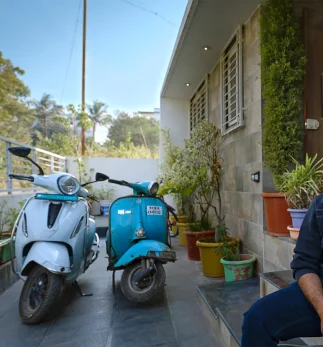
2. Home Garages
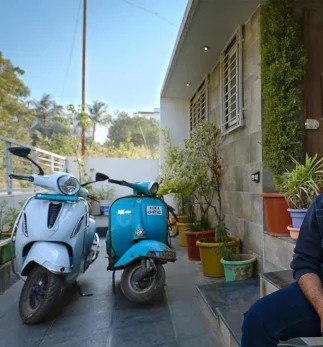
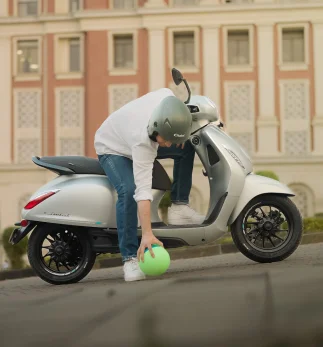
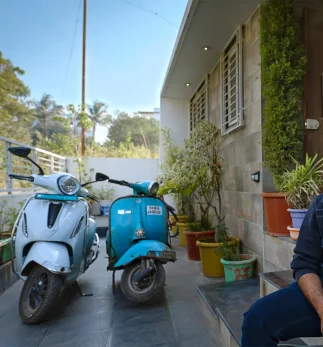
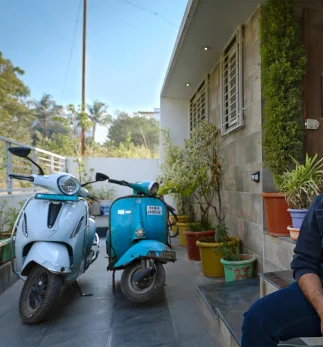
In single-car garages or spaces where you must turn around, reverse gear helps position the scooter without struggle.
3. Sidewalk Parking
Often, scooters are parked nose-in close to a wall or fence. The reverse allows easy exit.
4. Steep Ramps
Backing up on an incline or decline can be tricky. Controlled reverse movement reduces risk.
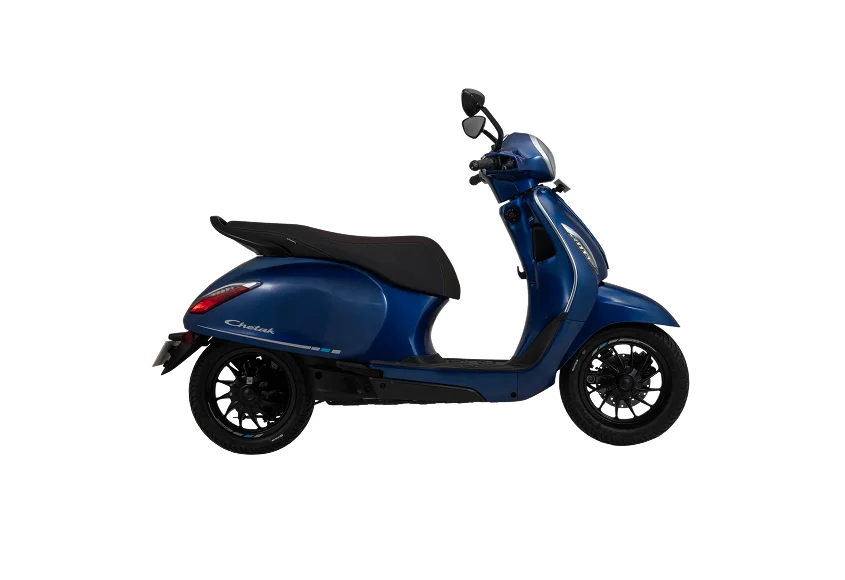
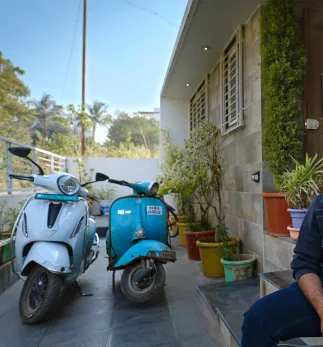
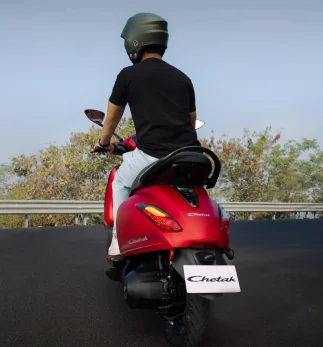
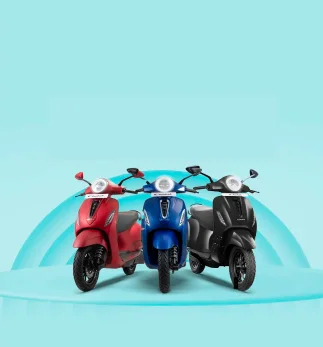
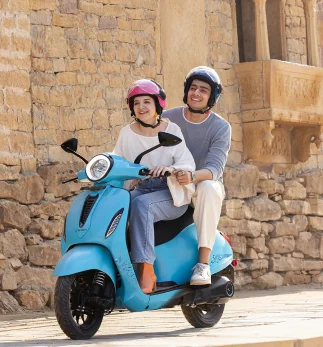
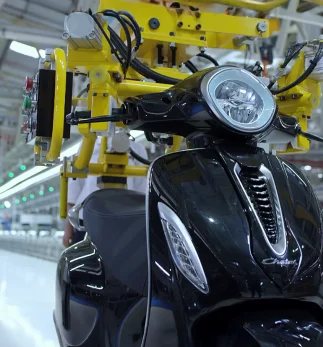
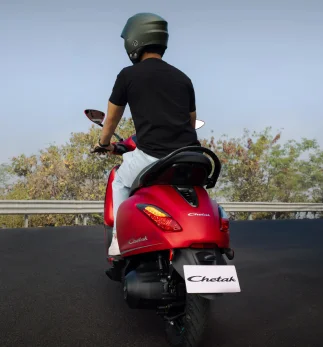
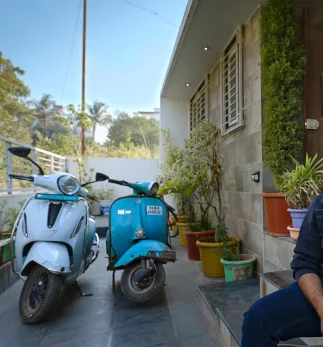
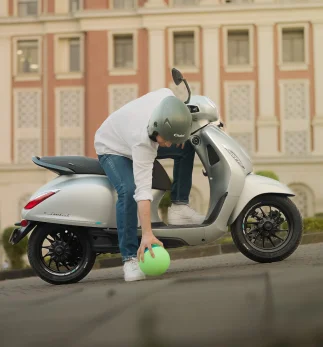
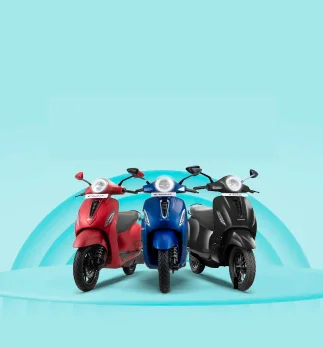
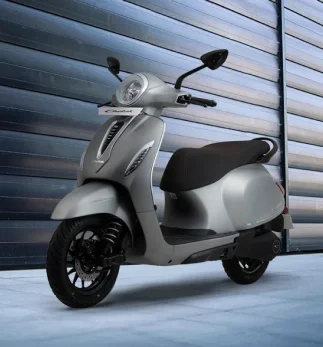
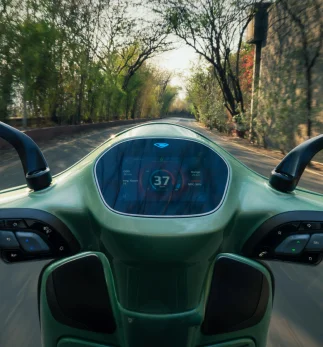
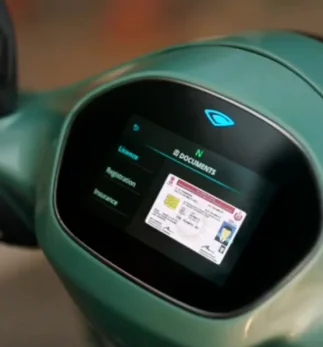
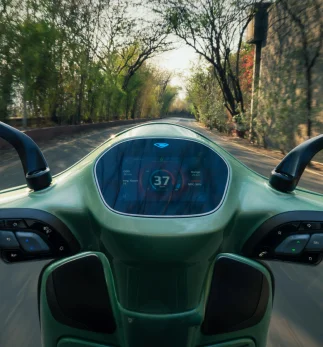
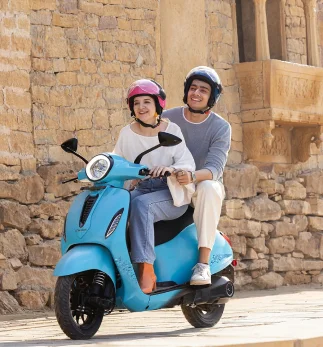
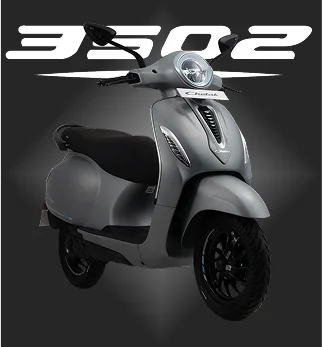
Bajaj Chetak 3502
Bajaj Electric Scooter with Reverse Mode
Among manufacturers introducing reverse gear, one noteworthy example is Bajaj. The company has a solid reputation for reliable two-wheelers in the Indian market and is now extending innovation into electric mobility.
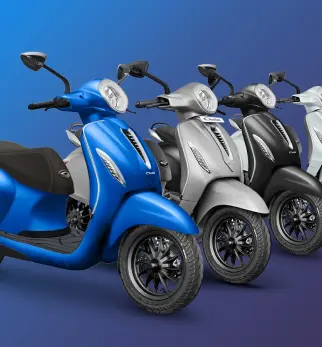
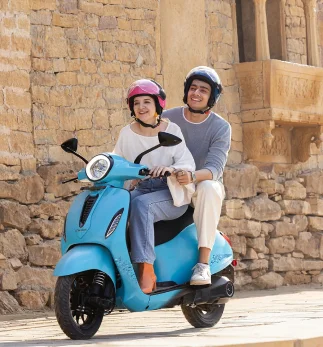
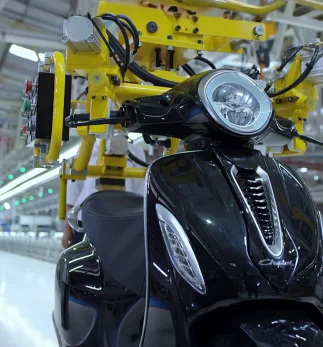
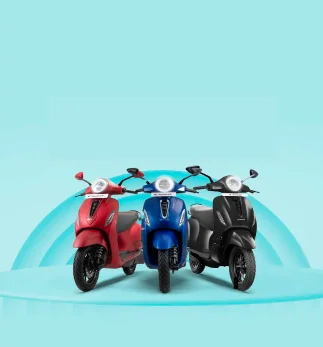
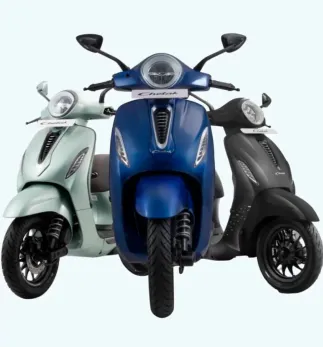
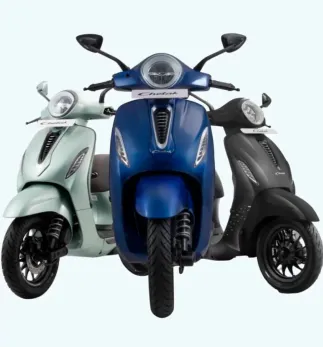
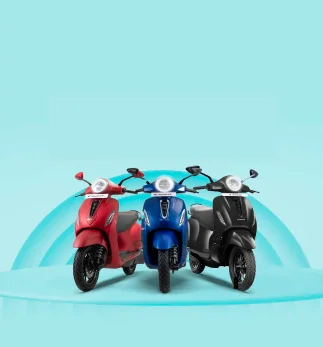
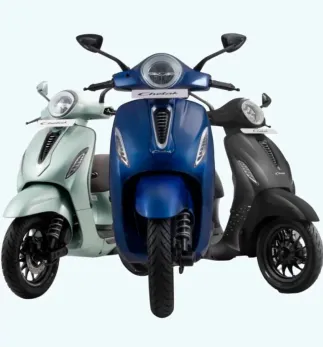
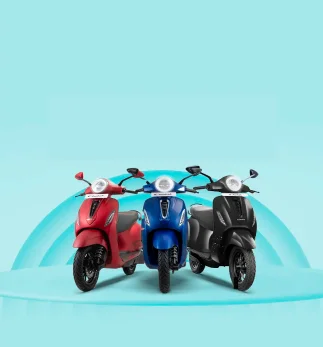
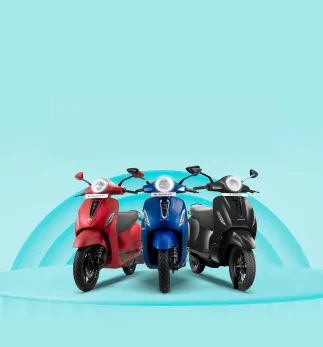
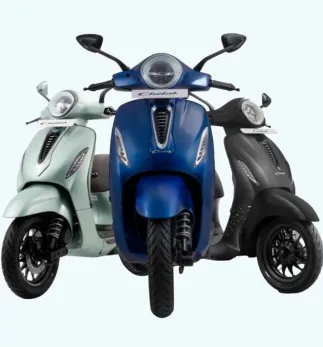
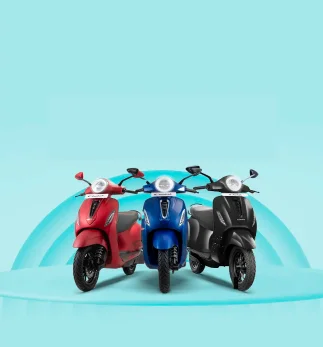
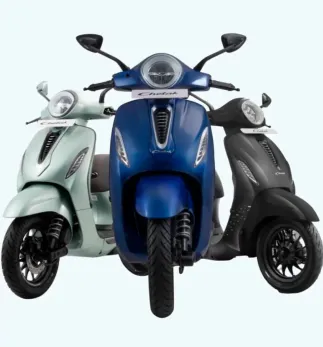
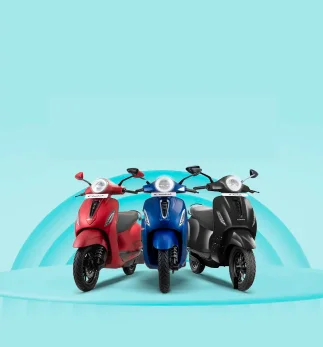
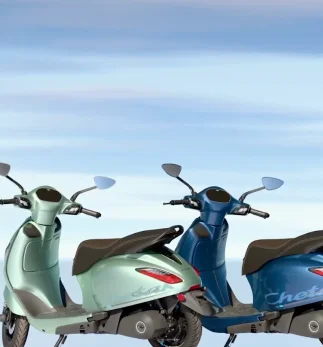
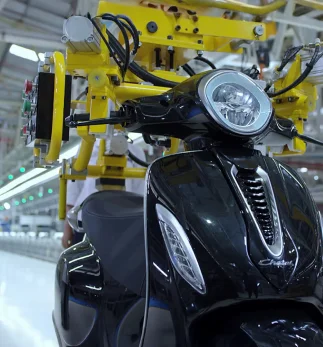
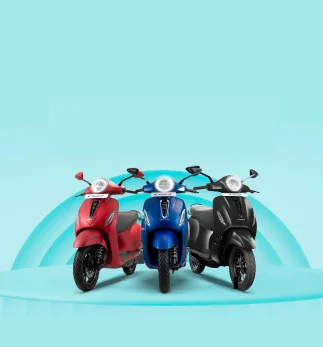
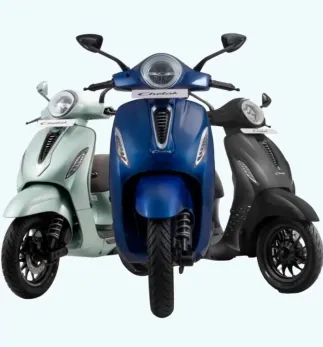
Bajaj Chetak electric scooters are feature-rich options that include a reverse mode across key models such as Chetak 3501, Chetak 3502, Chetak 3503, and C2501. Designed for urban riders who value practicality, these models integrate reverse mode to enhance everyday usability.
If you're manoeuvring out of a tight parking spot or repositioning the scooter in a garage, the reverse mode adds an extra layer of convenience.
Here's why this matters:
• User-centric Design
Riders often struggle with parking in tight residential or public spaces. Reverse gear directly addresses this.
• Smooth Integration
The feature is electronically controlled for safe, predictable backward movement.
• Smart Urban Mobility
With cities growing denser, small innovations like reverse gear can significantly improve the riding experience.
The Bajaj Chetak demonstrates how traditional scooter makers are adapting to modern needs. By offering a reverse mode, Bajaj adds value for riders who seek more than just forward performance.
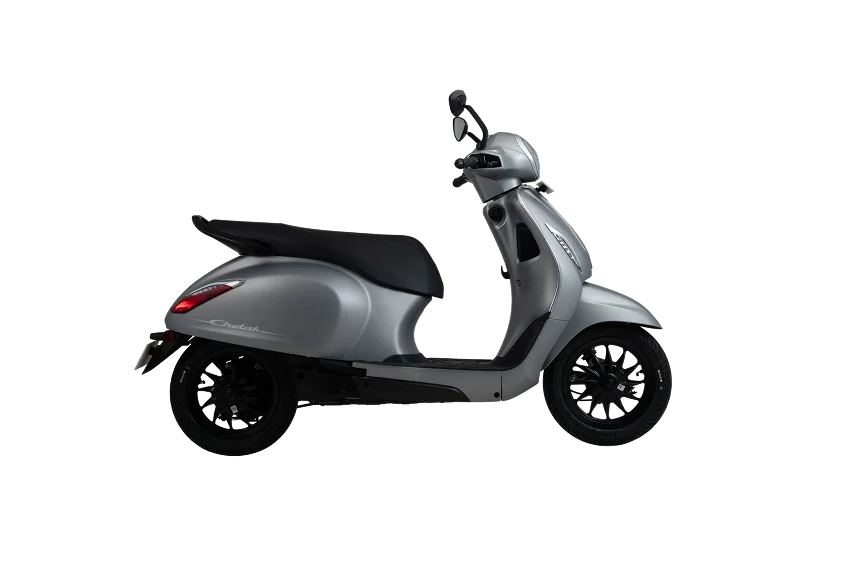
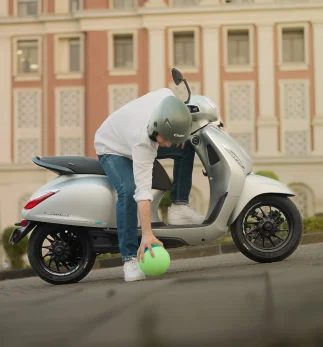
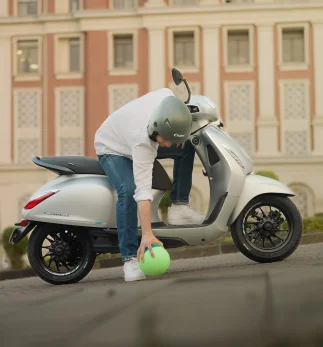
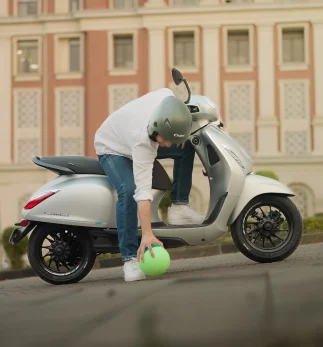
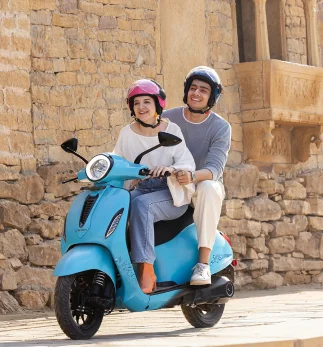
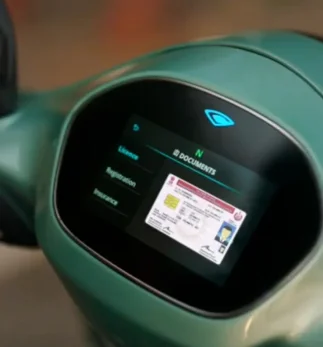
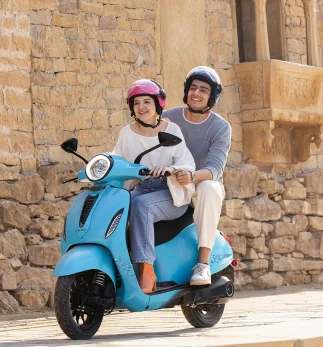
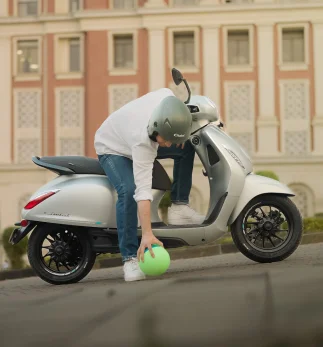
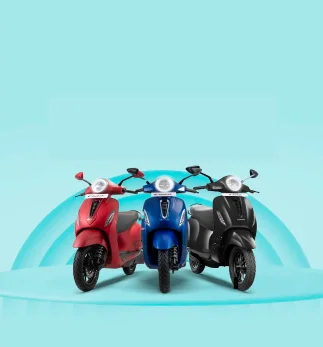
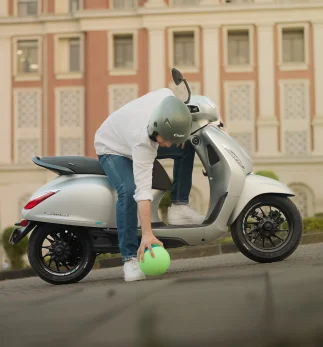
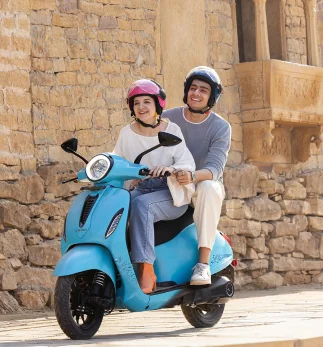
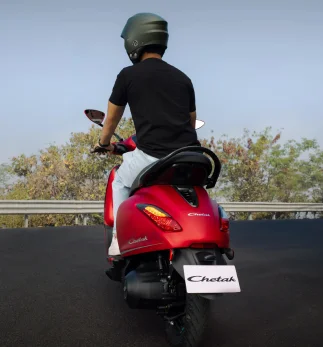
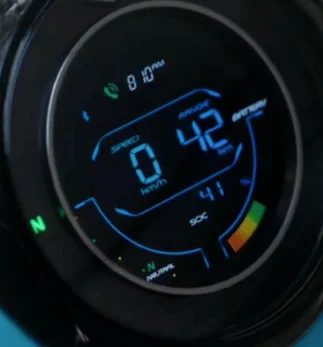
Bajaj Chetak 3503
Safety Tips When Using Reverse Gear
Adopting reverse mode adds convenience but also requires mindful use. Just because a scooter can move backward doesn't mean it should be used carelessly.
Here are key safety tips:
1. Maintain Visual Awareness
Always look where you're going, especially backward. Mirrors help, but turning slightly to see clearly is safer.
2. Use Low Speed
Reverse mode generally runs at a very low speed to prevent instability. Respect this limit.
3. Check Surroundings
Avoid using reverse in crowded or pedestrian-dense areas without checking for people or obstacles.
4. Practice First
If you've never used reverse gear, try it in an open, quiet space before relying on it in busy scenarios.
By respecting these guidelines, riders can benefit from the electric scooter with a reverse gear feature without compromising safety.
Upgrade Your Daily Commute With Reverse Mode Convenience
Electric scooters with reverse gear signal a clear shift towards smarter, more effortless urban commuting. As cities grow denser and parking becomes increasingly restricted, features that minimise strain and maximise convenience will define the next wave of electric mobility. Riders now expect scooters that support quick manoeuvring, confident handling, and everyday practicality without added complexity.
Bajaj understands this shift well. Alongside the Chetak C2501 with its useful reverse mode, models such as the Chetak 3501, Chetak 3502, and Chetak 3503 reflect the brand's wider focus on rider comfort, intelligent design, and modern mobility needs.
For anyone considering an upgrade, these advancements indicate where the future of effortless electric commuting is heading.
Recent Articles
How to Increase Electric Scooter Range With Smarter Riding Habits
Know More
Which Bajaj Chetak Models Offer the Best Combination of High Speed and Rider-Focused Features?
Know More
5 Features that Make an Electric Scooter for Hilly Areas More Practical
Know More
5 Electric Scooter Maintenance Habits that can Support Long-term Performance
Know More
How to Choose a High-Performance Electric Scooter for Daily Use
Know More
.webp)


.webp)