
 Back
Back
Last Updated: Jan 19 2026, 14:30 PM IST
Electric Scooter Comparison: Performance and Battery Technology Analysis




The shift towards electric mobility has accelerated across India, creating a new era of efficient, eco-friendly commuting. Buyers today want more than attractive styling; they want clarity, data, and transparent insights on how different models perform in real-world conditions. With smarter technology and expanding charging access, understanding real-world performance becomes essential before choosing the right model. As we at Bajaj continue to strengthen our EV expertise, we recognise the importance of helping riders understand the nuances behind each battery configuration and performance benchmark. This detailed electric scooter comparison explores how performance, battery chemistry, and charging time differ across popular models.
Why an Electric Scooter Comparison Matters Today
With increasing urban congestion, rising fuel costs, and evolving environmental regulations, electric scooters now serve as a practical, long-term commuting solution. However, models vary dramatically in battery capacity and range stability.
A structured electric scooter comparison enables riders to judge how each scooter handles heat, gradients, repeated stop-start traffic, and daily charging requirements. Understanding powertrains and battery systems is essential, especially when assessing the total cost of ownership, charging convenience, and long-term battery health.
Understanding the Bajaj Chetak EV Line-up
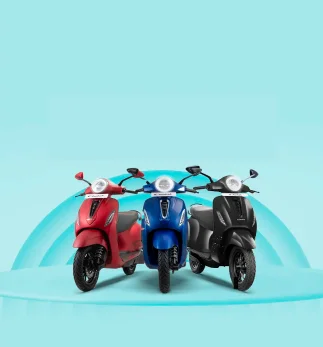
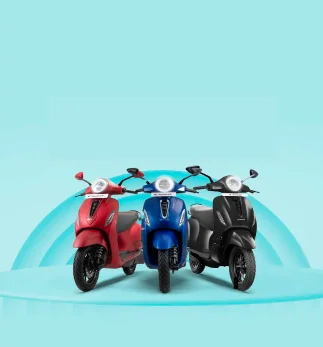
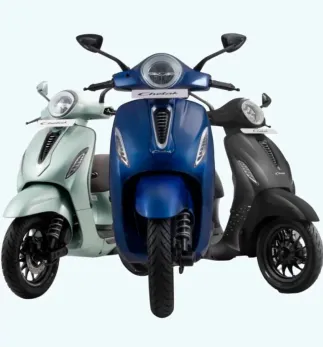
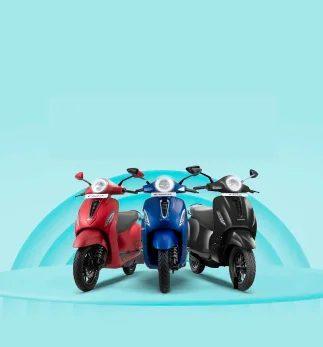
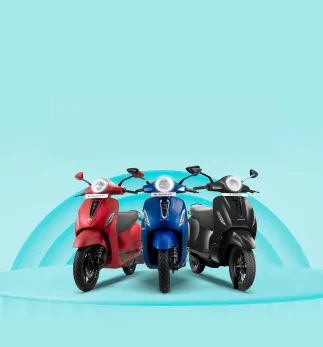
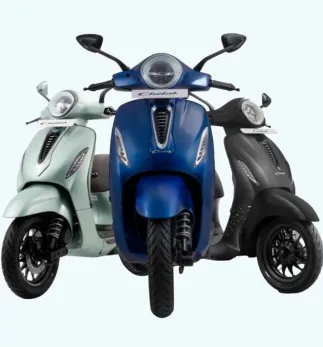
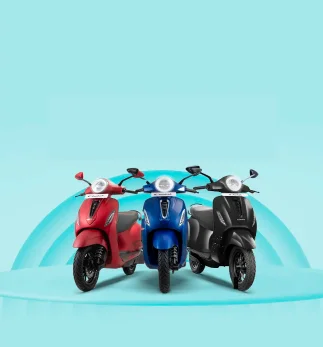
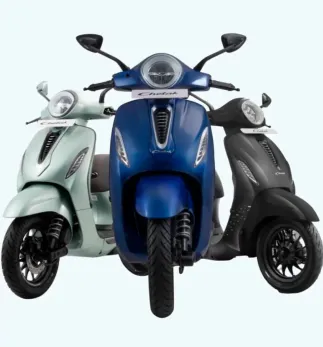
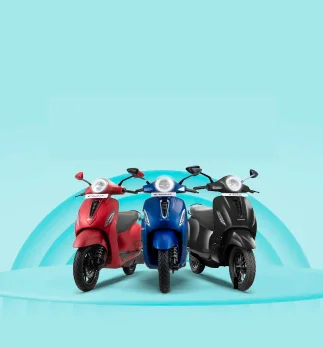
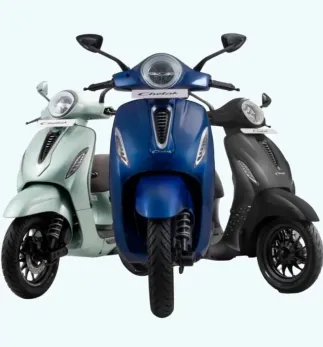
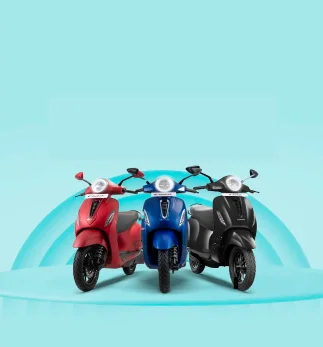
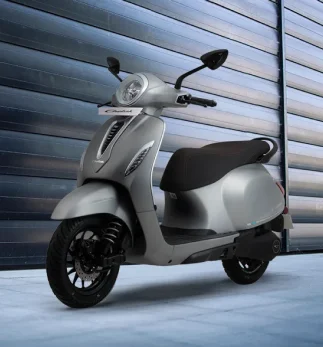
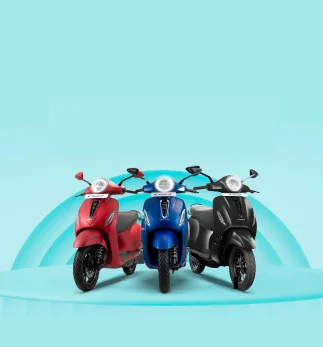
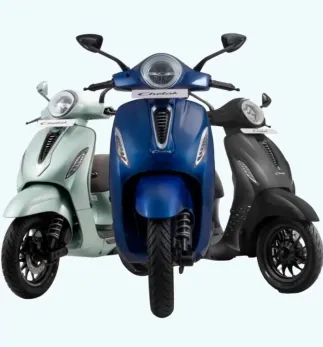
The Bajaj Chetak range serves a variety of commuting needs, from effortless city rides to extended daily travel. Here's a simple guide to the purpose and strengths of each model.
1. Chetak 3501
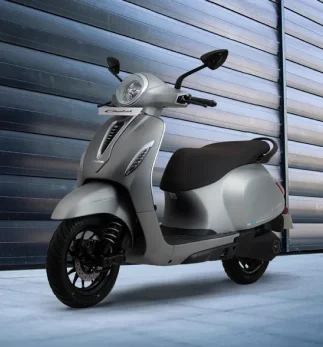
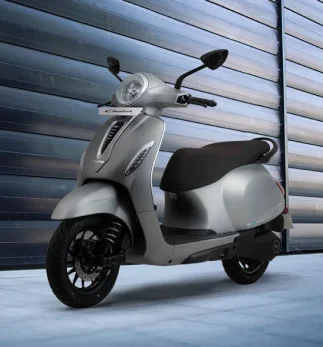
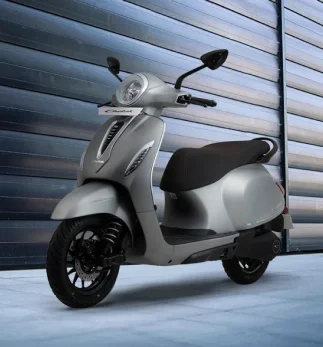
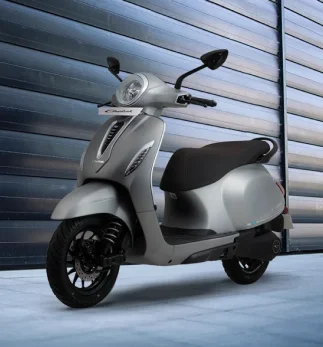
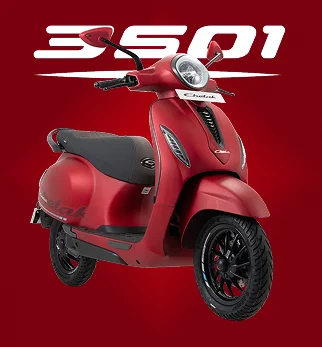
The Chetak 3501 is built for dependable daily commuting, pairing a 3.5 kWh lithium-ion battery with an impressive range of up to 153 km. Its 73 km/h top speed and 3-hour 0–80% charging time make it practical for routine travel. With a sturdy metal frame, refined controller tuning, and smooth power delivery, it offers predictable performance, stable handling, and long-term riding confidence in dense city environments.
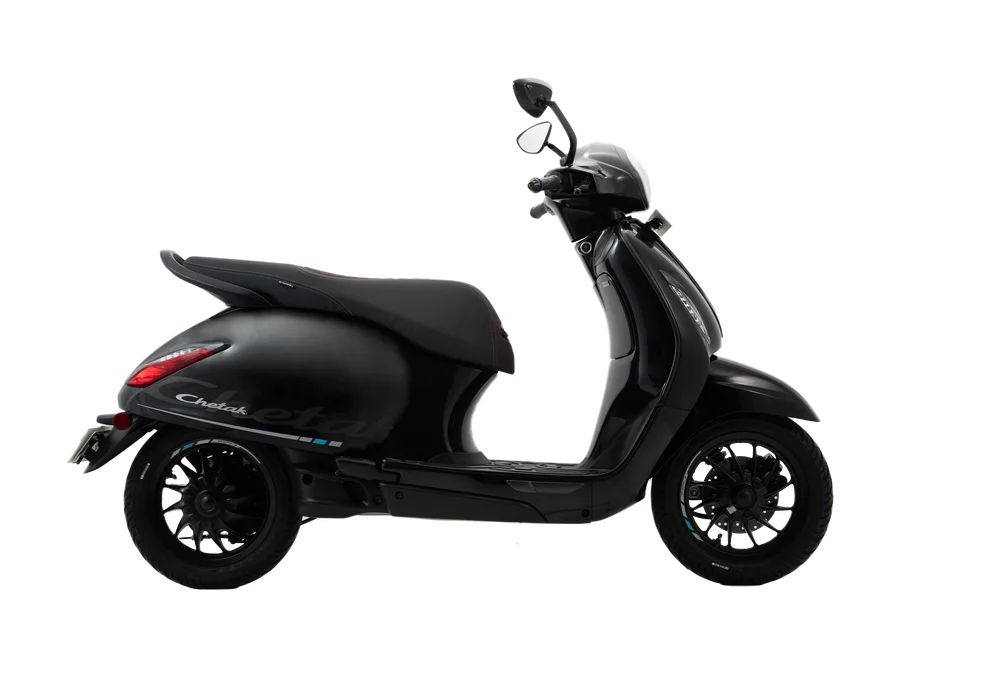
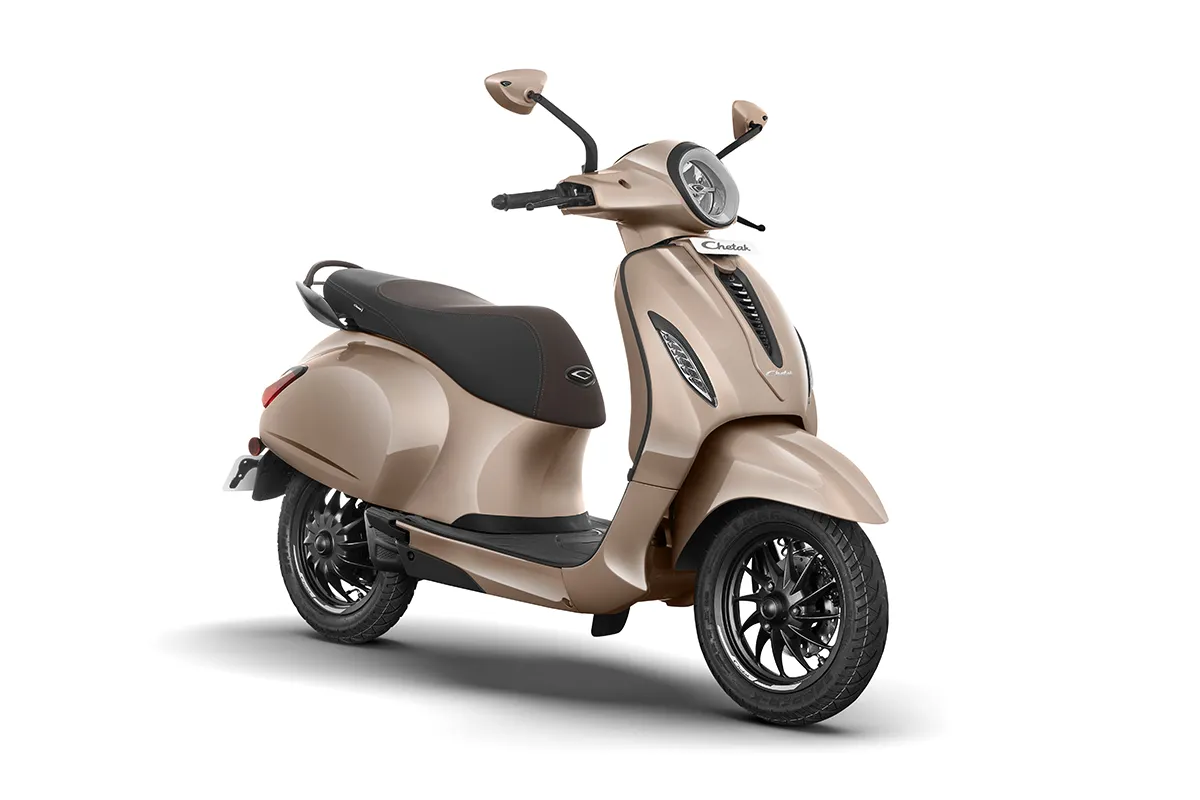
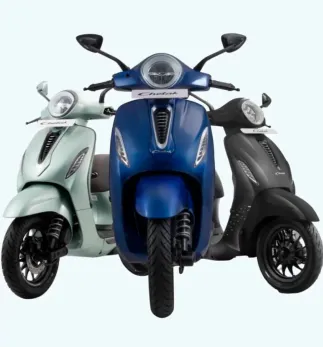
Bajaj Chetak 3501
2. Chetak 3502
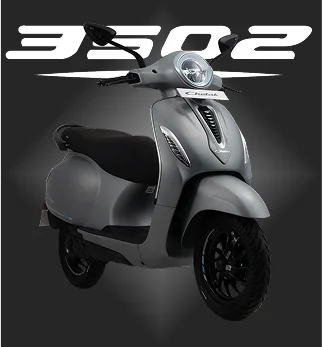
The Chetak 3502 enhances everyday rideability with a 3.5 kWh battery capable of delivering up to 153 km of range. It features improved gradient performance, smoother acceleration mapping, and efficient thermal control for mixed-terrain commutes. With a 73 km/h top speed and a 0–80% charging time of about 3 hours 25 minutes, it suits riders who regularly navigate flyovers, variable speeds, and demanding urban routes while maintaining energy efficiency.
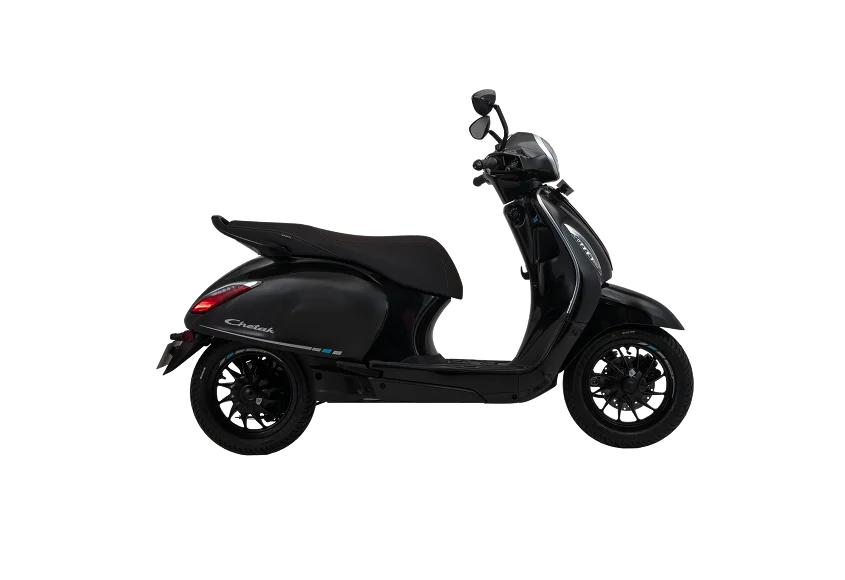
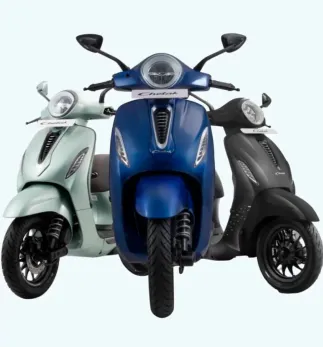
Bajaj Chetak 3502
3. Chetak 3503
The Chetak 3503 is tuned for endurance, using a 3.5 kWh battery that offers up to 151 km of range per charge. Its 63 km/h top speed, controlled power delivery, and refined handling make it ideal for longer daily routes. Designed to minimise energy loss and maintain smooth output, the 3503 supports riders needing consistent performance, better stability, and reliable efficiency across extended commutes and moderate highway stretches.
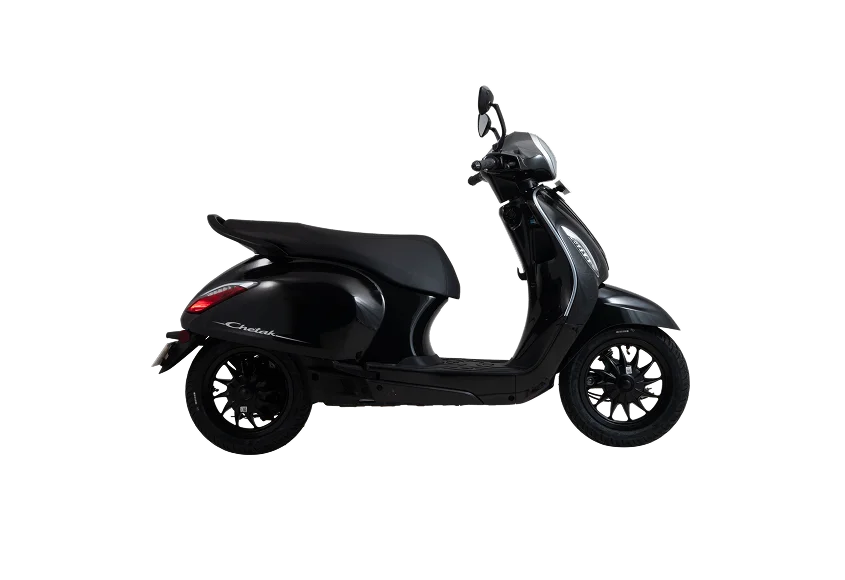
Bajaj Chetak 3503
4. Chetak 3001
The Chetak 3001 is an EV designed for everyday travel, equipped with a 3.0 kWh battery that delivers around 127 km of real-world range. Its 63 km/h top speed, strong structural build make it suitable for daily commutes. With stable performance, comfortable handling, and balanced power delivery, the 3001 fits riders seeking efficient, reliable, and uncomplicated mobility in dense urban environments.
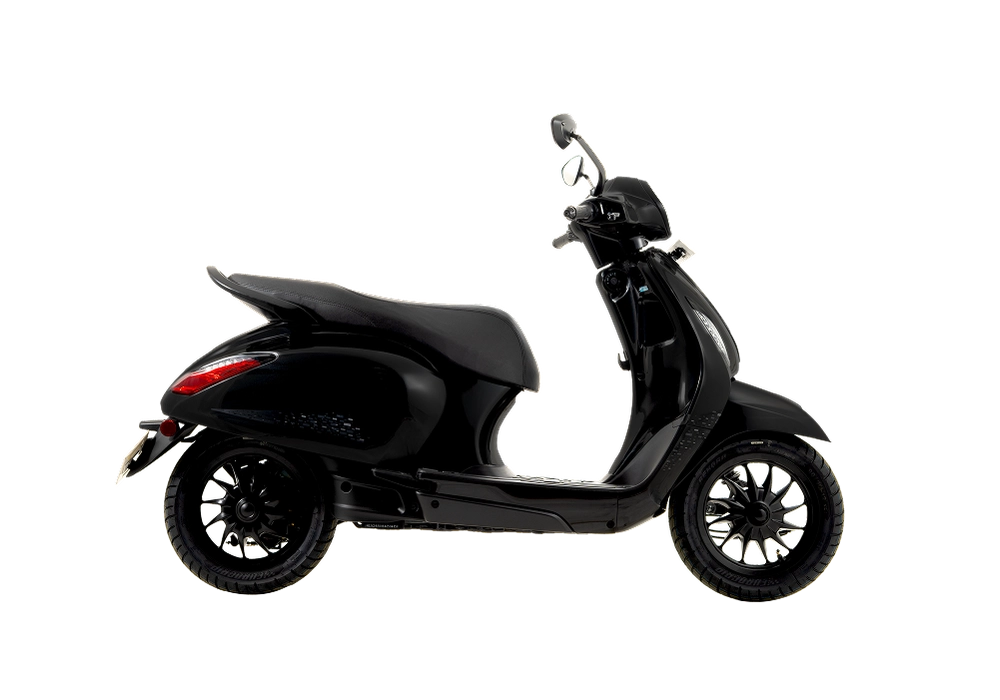
Bajaj Chetak 3001
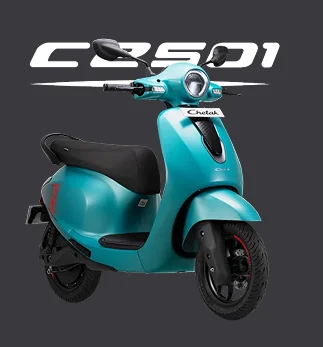
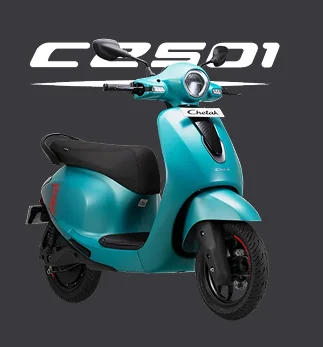
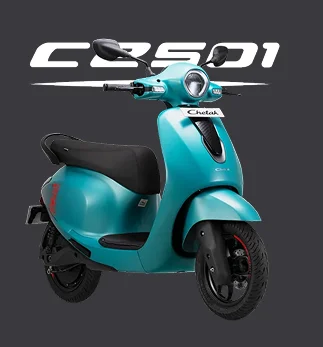
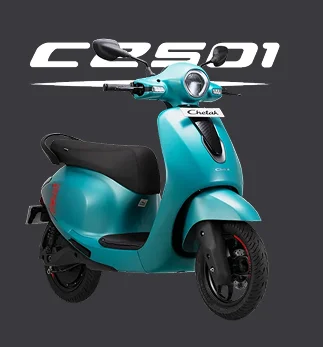
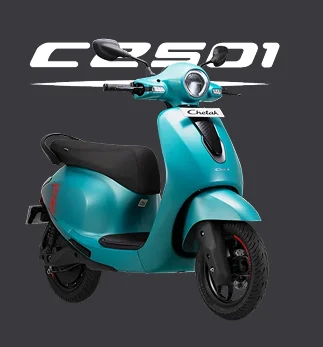
5. Chetak C2501
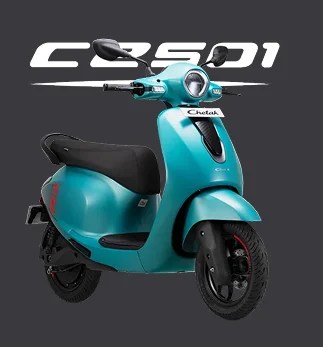
The Chetak C2501 is an accessible variant powered by a 2.5 kWh battery, offering up to 113 km of range. Its 60 km/h top speed and agile handling make it ideal for daily commutes. With a quick 0–80% charge time of about 2 hours and 25 minutes, and the trusted Chetak metal construction. This electric scooter ensures ease, confidence, and dependable electric mobility for new EV users.
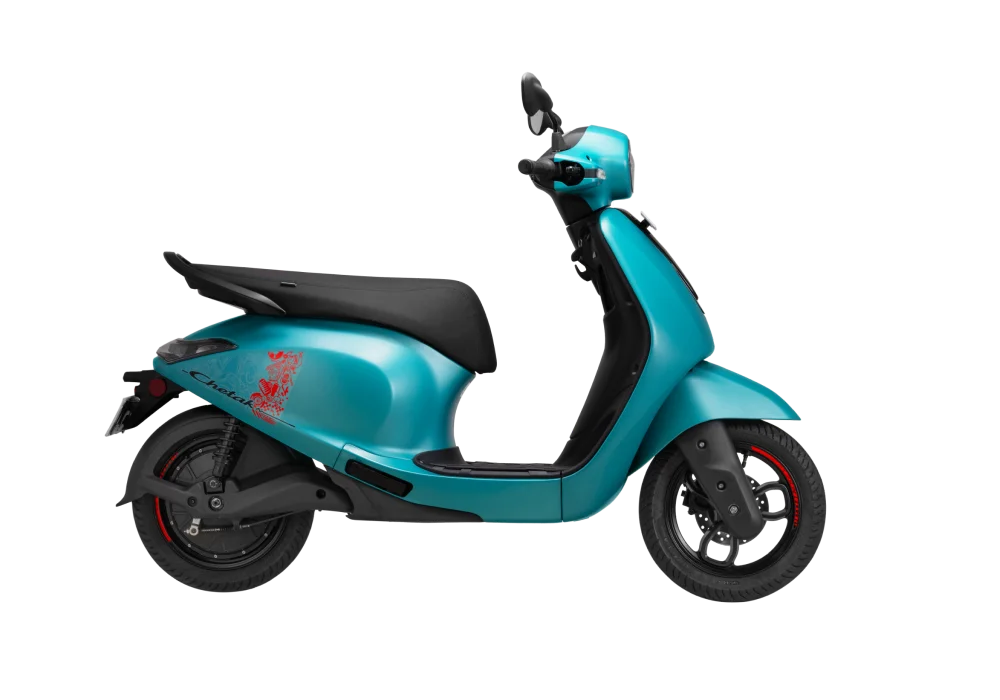
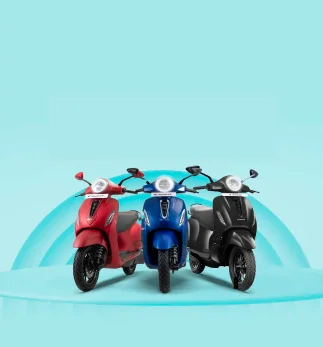
Bajaj Chetak C2501
Understanding the Differences Across the Chetak Line-up
Understanding how the Chetak models differ helps you match your riding needs with the right variant. Here's a clear comparison table to guide you in comparing electric scooters.
| Specification | 3501 | 3502 | 3503 | 3001 | C2501 |
|---|---|---|---|---|---|
| Battery Capacity | 3.5 kWh | 3.5 kWh | 3.5 kWh | 3.0 kWh | 2.5 kWh |
| Claimed Travel Range | Up to 153 km | Up to 153 km | Up to 151 km | Up to 127 km | Up to 113 km |
| Top Travel Speed | 73 km/h | 73 km/h | 63 km/h | 63 km/h | 60 km/h |
| Charging Time (0–80%) | ~3 hours | ~3 hours 25 mins | ~3 hours 25 mins | ~3 hours | ~2 hours 25 mins |
Find the Electric Scooter That Matches Your Journey
Choosing the right EV ultimately comes down to understanding how each scooter aligns with your daily routine, comfort expectations, and long-term goals. As the shift toward electric mobility accelerates, riders need clarity rather than marketing noise, and that's where a thoughtful electric scooter comparison becomes genuinely valuable.
The Bajaj Chetak range is designed to support this transition with dependable engineering, predictable performance, and features that make everyday commuting feel simpler and more enjoyable.
If you prioritise extended range or accessible city-focused riding, there's a model that fits your journey with confidence. Your move towards electric mobility is an investment in comfort, efficiency, and future-ready travel. Choose the one that feels right and ride ahead with assurance.
Recent Articles
How to Increase Electric Scooter Range With Smarter Riding Habits
Know More
Which Bajaj Chetak Models Offer the Best Combination of High Speed and Rider-Focused Features?
Know More
5 Features that Make an Electric Scooter for Hilly Areas More Practical
Know More
5 Electric Scooter Maintenance Habits that can Support Long-term Performance
Know More
How to Choose a High-Performance Electric Scooter for Daily Use
Know More



.webp)













.webp)