
 Back
Back
Last Updated: Mar 17 2026, 11:00 AM IST
Understanding E-Scooter Battery Capacity: Choosing the Best Fit for Your Needs




Electric mobility is steadily reshaping urban commuting. Riders are paying closer attention to running costs, charging convenience, and long-term reliability before choosing a scooter. Among all specifications, battery size plays a defining role in everyday ownership. The e-scooter battery capacity you select directly influences how far you can travel, how often you need to plug in, and how confident you feel in traffic. It also influences overall efficiency, battery longevity and the scooter’s suitability for shorter urban journeys compared with longer daily commutes. Understanding these practical implications helps you make a more informed and cost-effective decision. So let's learn how e-scooter battery capacity connects with real riding habits and how to select the right option for your routine.
How Battery Capacity Impacts Range and Charging Efficiency
Understanding how battery size influences performance helps riders make practical decisions. Battery capacity refers to the total amount of energy stored in the scooter’s battery pack, measured in kilowatt-hours (kWh), which determines how much riding power is available before recharging.
Here's a clear breakdown of how e-scooters’ battery capacity affects your everyday riding experience:
1. Determines Your Riding Range
A higher kWh rating stores more energy, allowing longer distances between charging sessions. This suits riders with extended daily commutes or multiple stops.
2. Shapes Your Weekly Charging Routine
Larger batteries usually require fewer charging sessions across the week. Smaller batteries may need more frequent top-ups, especially with daily use.
3. Influences Charging Time
Bigger battery packs generally take longer to reach 80% charge compared to smaller ones. However, they compensate by offering more riding time before the next recharge.
4. Affects Urban Practicality
Higher e-scooter battery capacity means more battery cells, which can slightly increase scooter weight. This may subtly influence manoeuvrability in tight city traffic.
5. Impacts Long-term Battery Health
Batteries with greater capacity often complete fewer full charge cycles over the same total mileage. With proper care, this can support more consistent performance over several years.
By carefully evaluating these factors, riders can select a battery size that delivers reliable range, efficient charging, and long-term confidence in ownership.
Matching Battery Capacity to Your Daily Routes
Choosing the right e-scooter’s battery capacity should start with a realistic assessment of how you ride throughout the week. Instead of selecting the largest available option by default, focus on how your scooter fits your lifestyle, schedule, and charging access.
Use this practical evaluation framework:
1. Weekly Mileage Pattern
Look at your total weekly distance rather than a single-day commute. Include office travel, errands, leisure rides, and occasional longer stretches to understand your real usage.
2. Charging Convenience
Assess how easy it is to charge regularly. A secure home charging point with a stable power supply can make a smaller battery practical. Limited charging access may justify a higher capacity.
3. Riding Intensity
Frequent acceleration in dense traffic increases consumption. Longer flowing roads with consistent speeds may use energy differently.
4. Load Consistency
Regular pillion riding or carrying work equipment adds steady demand on the battery across each trip.
5. Road Profile
Repeated climbs, flyovers, and uneven terrain require more sustained power output than flat urban roads.
6. Planning Preference
If you prefer fewer charging sessions each week and a more predictable charging schedule, a higher e-scooter’s battery capacity may better alignwith your expectations.
This approach ensures capacity selection is based on real riding behaviour rather than advertised range alone.
Who Should Consider a 2.5 kWh Battery?
A 2.5 kWh setup is designed for riders whose usage is focused, local, and routine-driven. It works best when your scooter functions as a reliable city companion rather than a high-mileage commuter tool.
This option may suit you if:
- Most of your travel involves short point-to-point rides within your neighbourhood or nearby commercial areas.
- You follow a fixed daily schedule and can charge comfortably overnight.
- You value shorter charging windows over an extended single-charge range.
- Your scooter serves as a secondary household vehicle for errands and local mobility.
In these scenarios, a smaller e-scooter’s battery capacity provides sufficient energy without carrying surplus weight or unused range.
Who Should Consider a 3.0-3.5 kWh Battery?
A 3.0-3.5 kWh battery is better aligned with riders who treat their scooter as a primary mode of transport. It supports higher weekly mileage and offers greater operational freedom.
This configuration may be more appropriate if:
- Your weekday travel covers significant distances across multiple areas of the city.
- You frequently add unscheduled stops or extended evening rides to your routine.
- You prefer charging fewer times per week rather than daily.
- Your commute includes varied road conditions that demand sustained power delivery.
For these riders, a higher e-scooter’s battery capacity delivers added flexibility, reduced range concerns, and smoother weekly energy management.
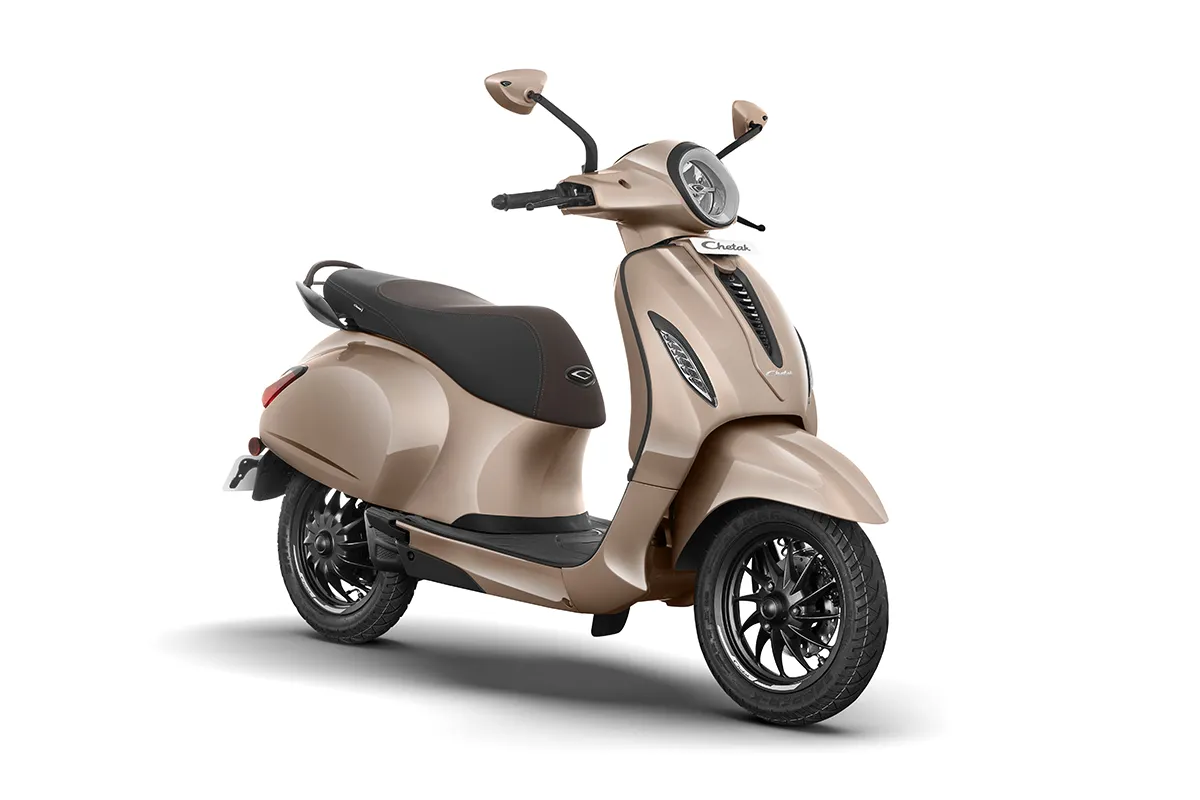
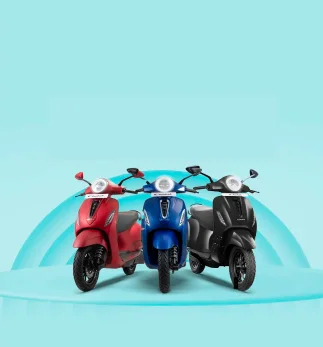
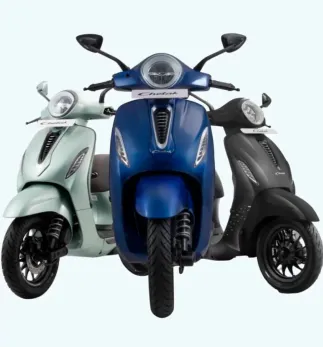
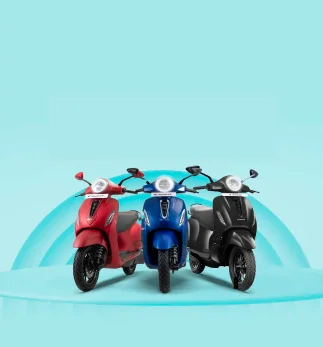
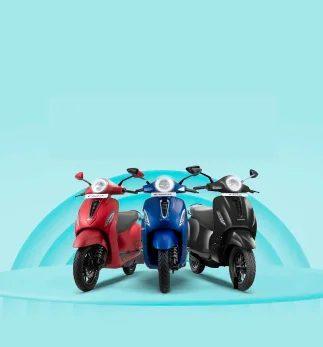
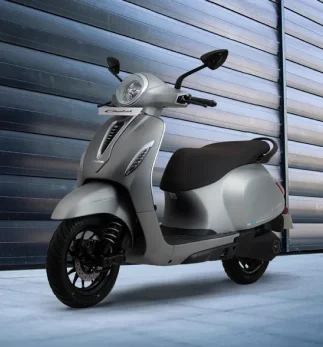
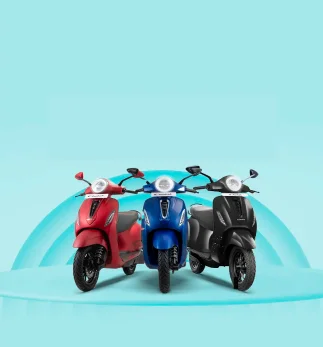
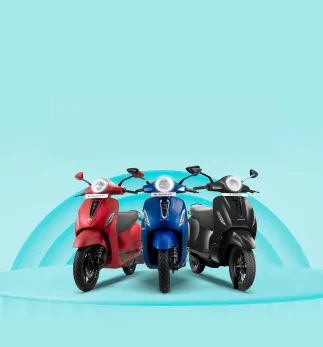
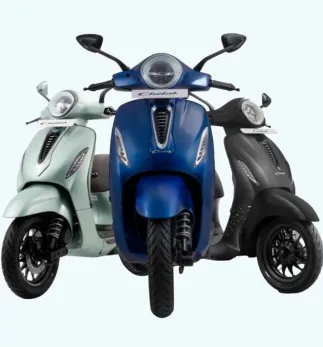
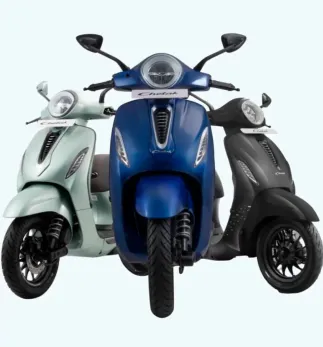
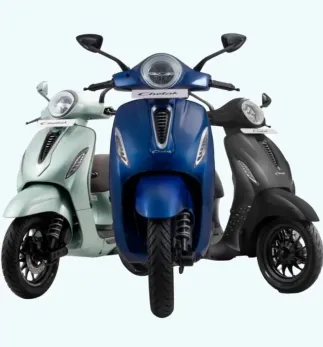
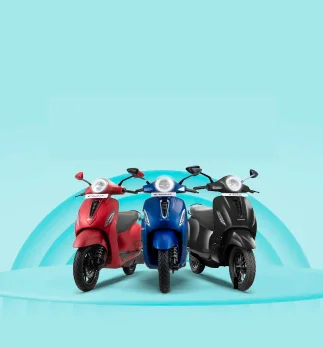
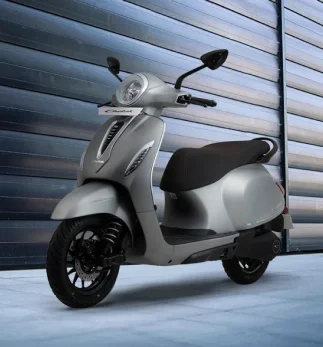
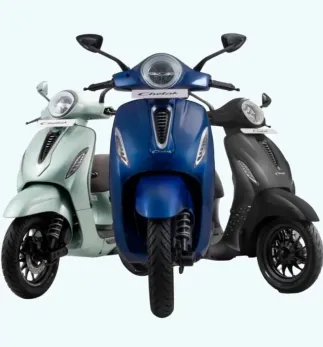
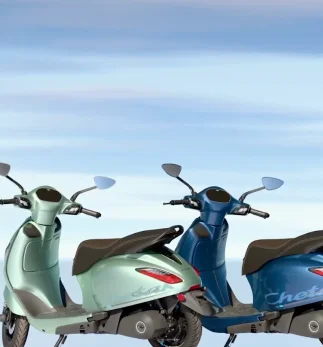
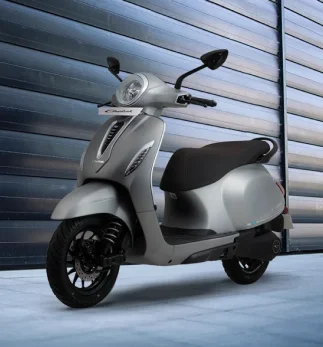
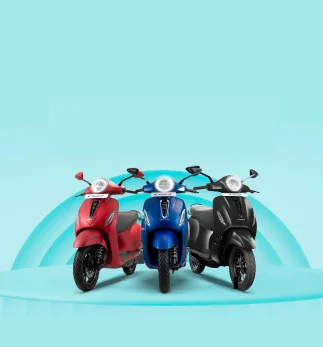
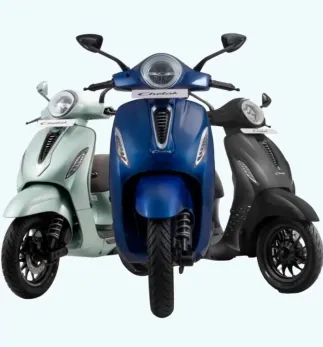
Comparing Battery Capacity and Charging Speed Across Bajaj Chetak Models
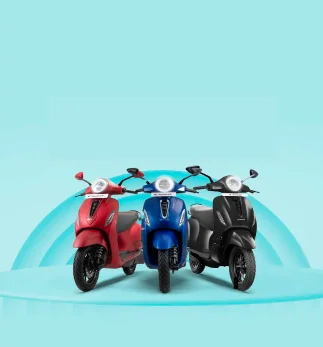
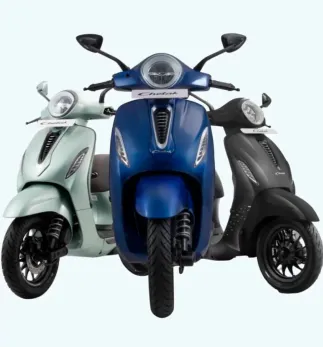
When evaluating battery options within the Bajaj Chetak range, consider battery capacity and charging time, as both directly affect range and everyday usability.
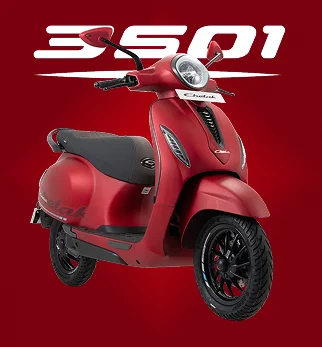
- Bajaj Chetak 3501: 3.5 kWh battery, 0–80% charging in 3 hr
- Range: 153 km
- Speed: 73 km/hr
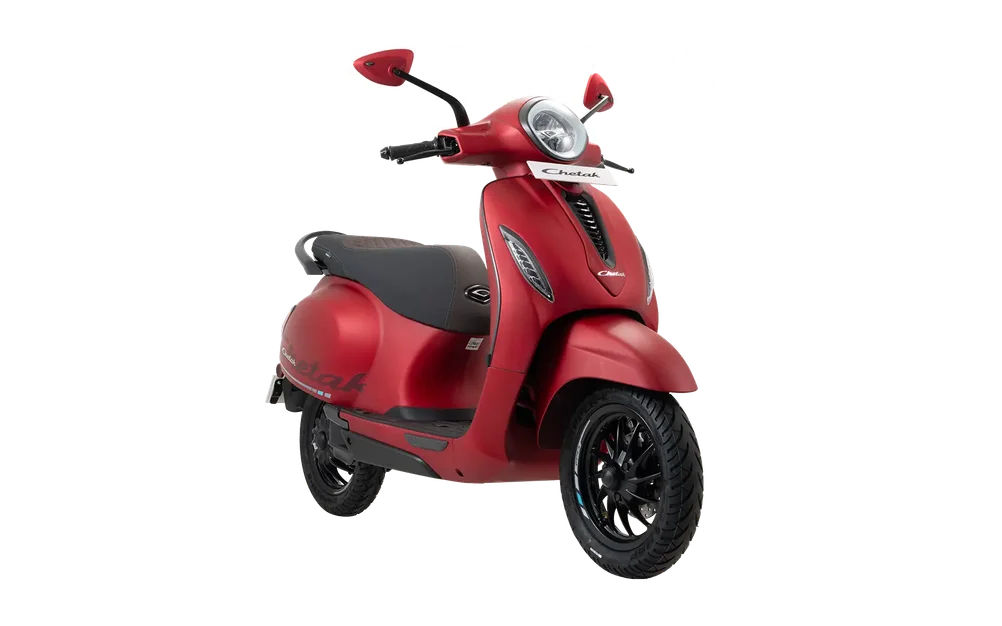
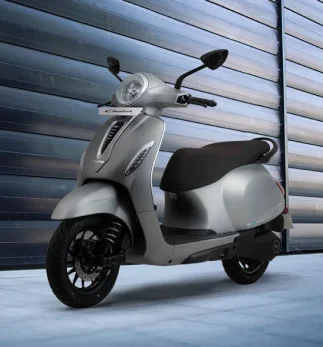
Bajaj Chetak 3501
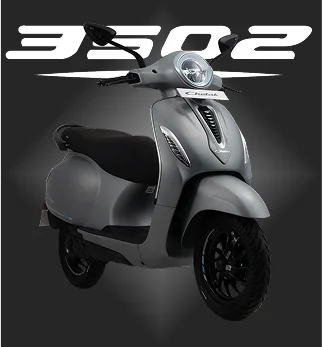
- Bajaj Chetak 3502: 3.5 kWh battery, 0–80% charging in 3 hr 25 min
- Range: 153 km
- Speed: 73 km/hr
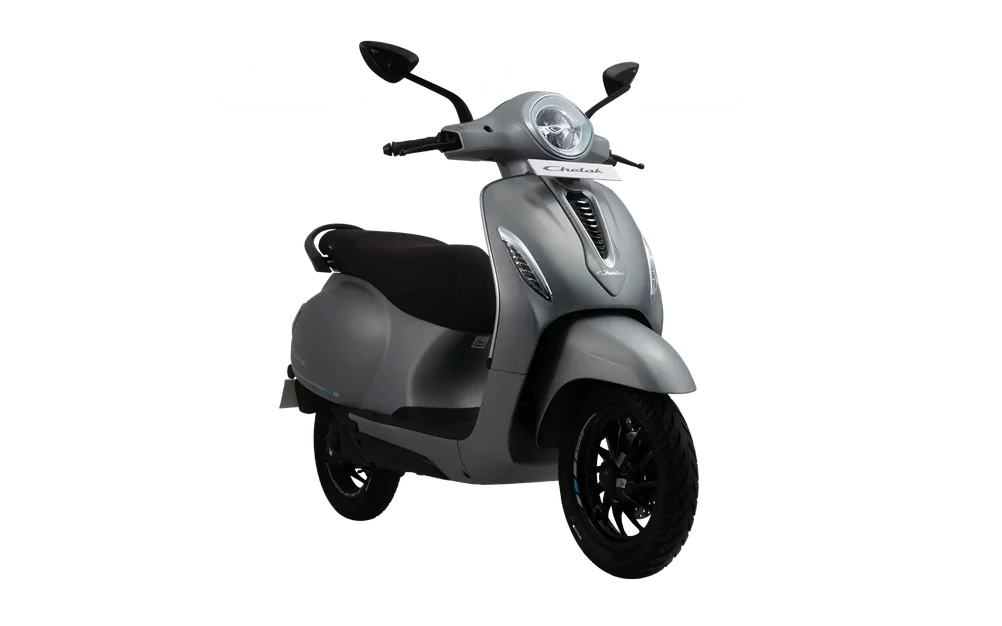
Bajaj Chetak 3502
- Bajaj Chetak 3503: 3.5 kWh battery, 0–80% charging in 3 hr 25 min
- Range: 151 km
- Speed: 63 km/hr
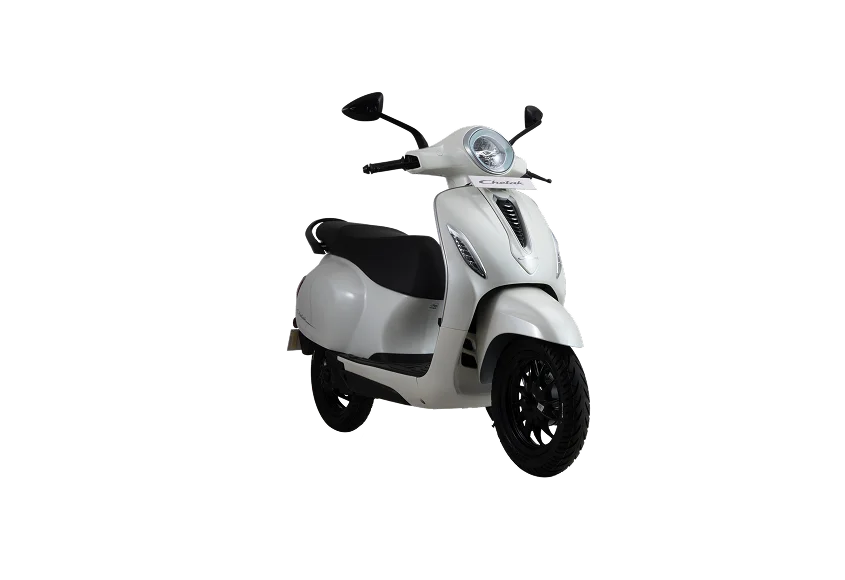
Bajaj Chetak 3503
- Bajaj Chetak 3001: 3.0 kWh battery, 0-80% charging in 3 hr 50 mins
- Range: 127 km
- Speed: 63 km/hr
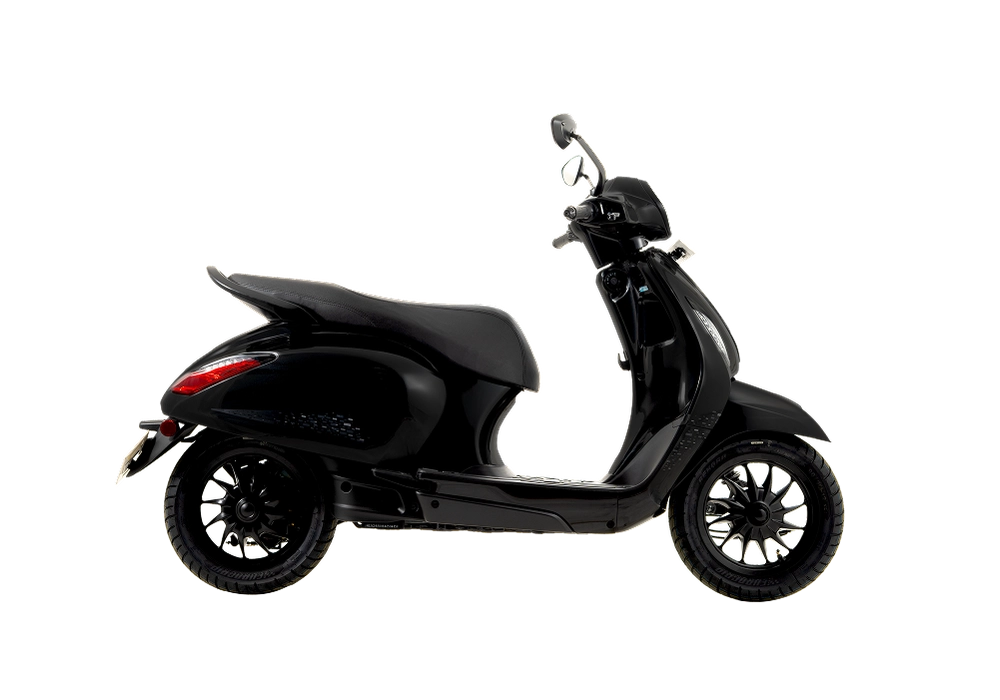
Bajaj Chetak 3001
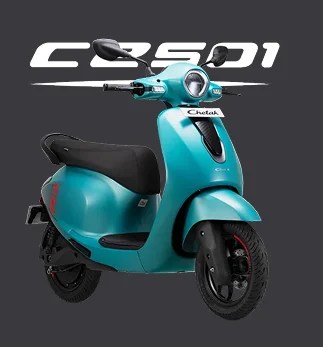
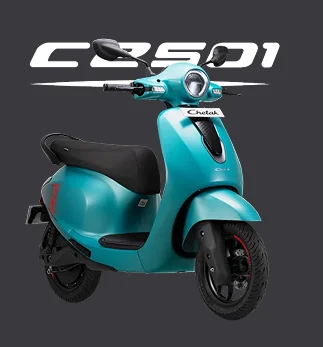
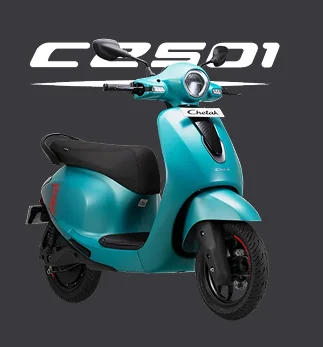
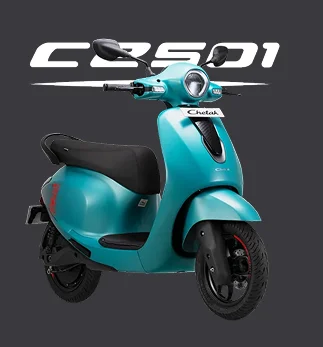
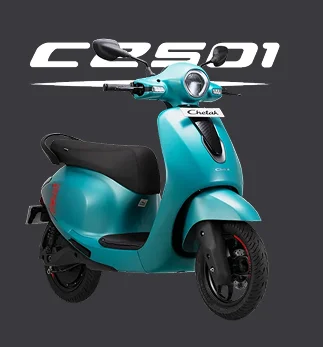
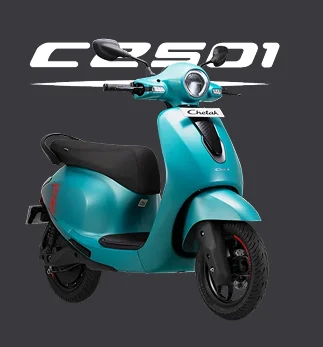
- Bajaj Chetak C2501: 2.5 kWh battery, 0–80% charging in 2 hr 25 min
- Range: 113 km
- Speed: 60 km/hr
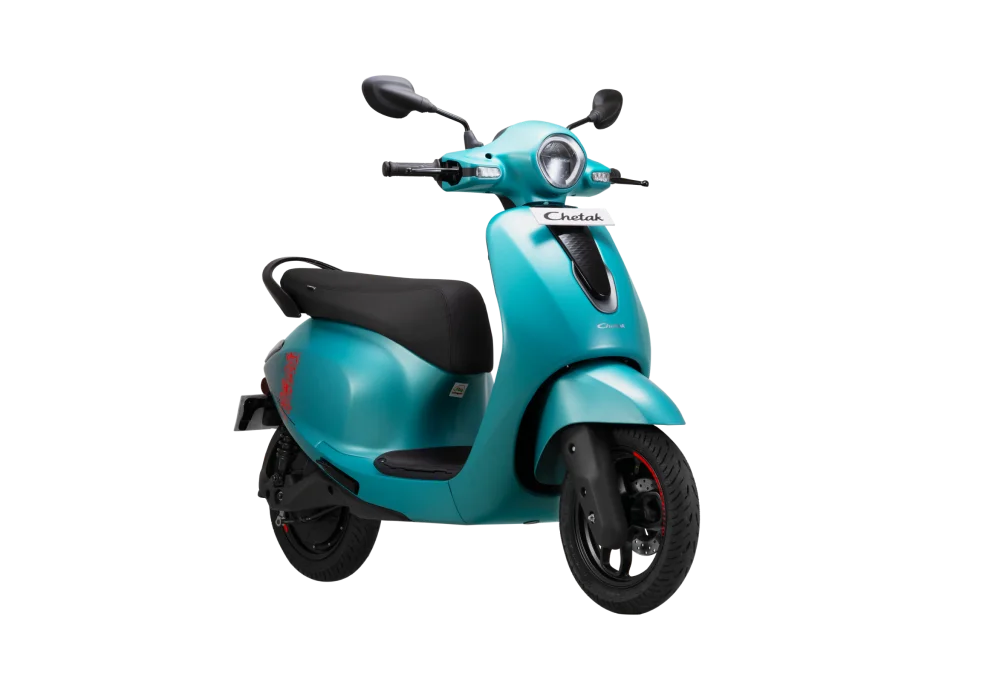
Bajaj Chetak C2501
A higher kWh battery can accommodate extended weekly mileage, whereas a lower kWh pack may be better suited to short, routine trips with faster recharge cycles.
Select a capacity that aligns with your typical route distances and the charging access available at home or the workplace.
Choosing the Right Battery Capacity with Confidence
Selecting the appropriate e-scooter battery capacity is central to ensuring a smooth and dependable riding experience. With the Bajaj Chetak, thoughtfully engineered battery options are designed to balance range, charging efficiency and everyday practicality, helping riders choose with greater confidence.
Smaller capacities can efficiently manage short, predictable city trips with regular overnight charging. Larger battery packs provide extended range and reduced charging frequency, making them suitable for commute-heavy schedules.
By evaluating your mileage patterns, charging access, and riding conditions, you can choose a battery configuration that aligns with practical needs. This ensures reliable performance and long-term satisfaction with your ownership.
Recent Articles
How to Increase Electric Scooter Range With Smarter Riding Habits
Know More
Which Bajaj Chetak Models Offer the Best Combination of High Speed and Rider-Focused Features?
Know More
5 Features that Make an Electric Scooter for Hilly Areas More Practical
Know More
5 Electric Scooter Maintenance Habits that can Support Long-term Performance
Know More
How to Choose a High-Performance Electric Scooter for Daily Use
Know More









.webp)



























.webp)