
 Back
Back
Last Updated: Jun 04 2026, 14:30 PM IST
5 Factors That Affect the Maximum Speed of E-scooters While Riding




Electric scooters are becoming a practical choice for everyday city travel. They are quiet, easy to ride, and suitable for short to medium-distance commutes. However, many riders focus only on the claimed top speed before buying one.
The maximum speed of e-scooter models can vary depending on several real-world conditions. A scooter may have a certain rated speed, but the actual riding experience can change based on battery level, rider weight, road surface, tyre condition, and riding mode.
Understanding the maximum speed of e-scooter performance helps riders set realistic expectations. It also helps them ride safely and maintain the scooter better over time. Let’s look at the main factors that can affect speed while riding.
Why Maximum Speed Should Be Understood Practically
Top speed is not simply about how fast an electric scooter can go on paper. It is also about how consistently it can maintain that speed in regular riding conditions.
City roads often include traffic signals, slopes, potholes, speed breakers, and uneven patches. These conditions can affect acceleration and overall speed. Riders should understand that the maximum speed of an e-scooter depends on both the vehicle’s design and the environment in which it is used.
This makes it important to look beyond brochure figures. A scooter that feels stable, responsive, and predictable at everyday speeds can be more useful than one that only looks fast in specifications.
Key Factors That Influence the Maximum Speed of E-scooters
The maximum speed of e-scooter models is affected by more than motor capacity alone. Battery charge, rider load, riding mode, road conditions, tyre pressure, and overall scooter maintenance all work together to shape real-world speed while riding.
1. Battery Charge Level and Battery Health
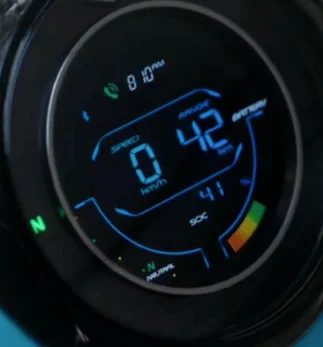
The battery plays a major role in how an electric scooter performs. When the battery is fully charged and healthy, it can supply power more efficiently to the motor. This can support better acceleration and smoother speed delivery.
As the charge level drops, some scooters may reduce power output to protect the battery. This can make the scooter feel slower, especially during climbs or quick acceleration. An ageing battery may also struggle to deliver the same level of performance as it did when new.
A low or ageing battery can reduce the maximum speed of e-scooter during everyday rides. To support better battery health, riders should follow proper charging habits, avoid draining the battery too often, and use the recommended charger.
2. Rider Weight and Load on the Scooter
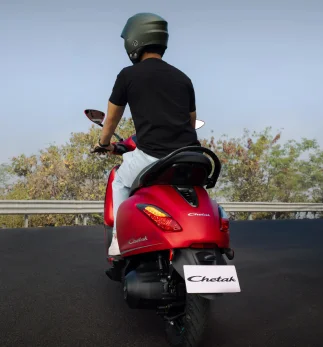
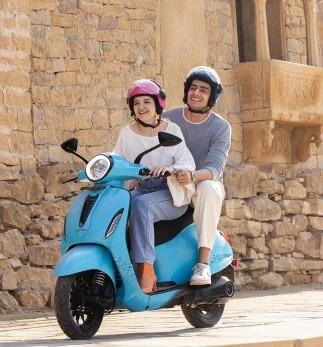
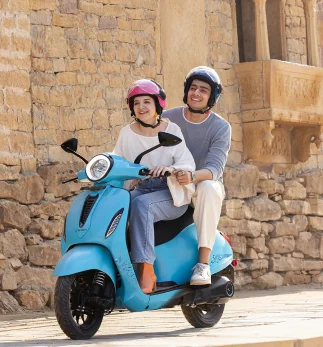
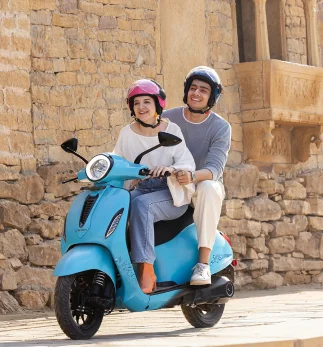
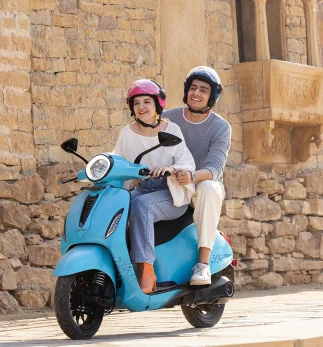
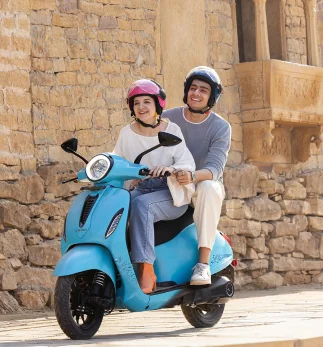
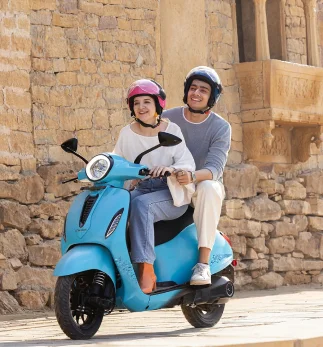
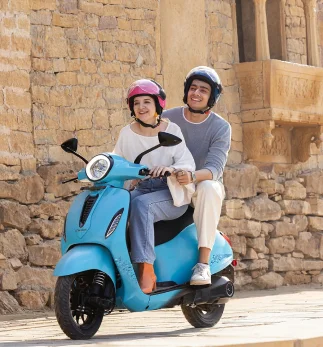
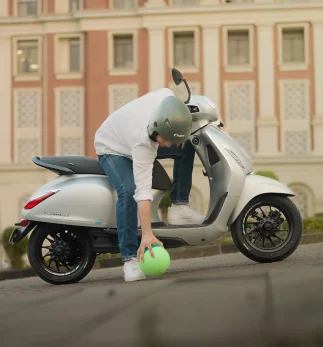
Every electric scooter is designed to carry a certain load. When the rider’s weight, pillion weight or luggage increases, the motor has to work harder. This can affect acceleration, climbing ability, and top speed.
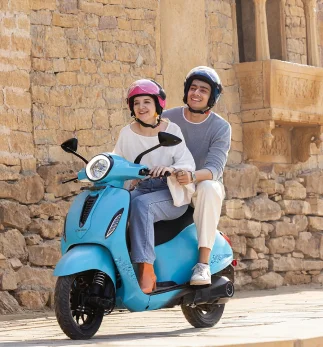
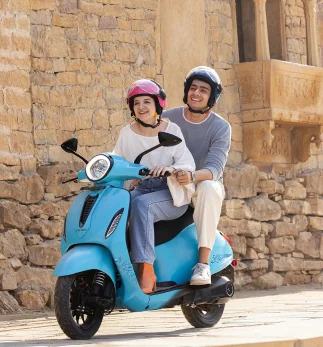
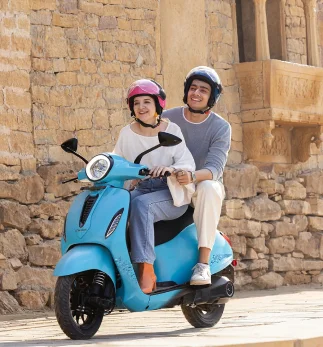
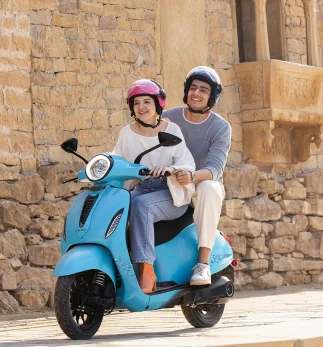
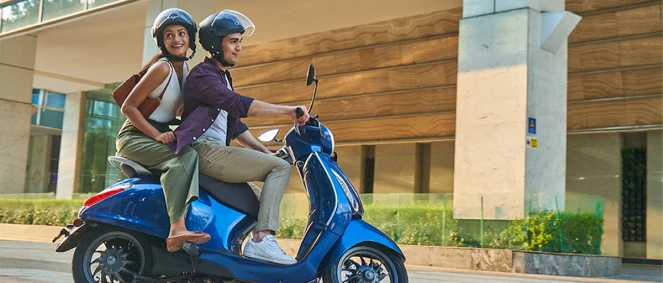
Carrying heavy bags, riding with a pillion, or overloading the scooter can reduce performance. The effect may be more noticeable on flyovers, slopes, or rough roads. Even if the scooter reaches a decent speed on flat roads, it may take longer to get there with an extra load.
The maximum speed of e-scooter also depends on how much weight the scooter is carrying. Riders should follow the recommended load limit and avoid unnecessary weight during regular commutes.
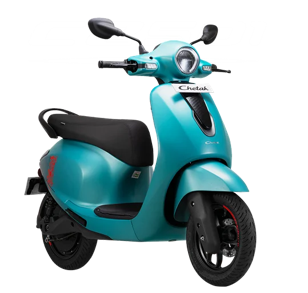
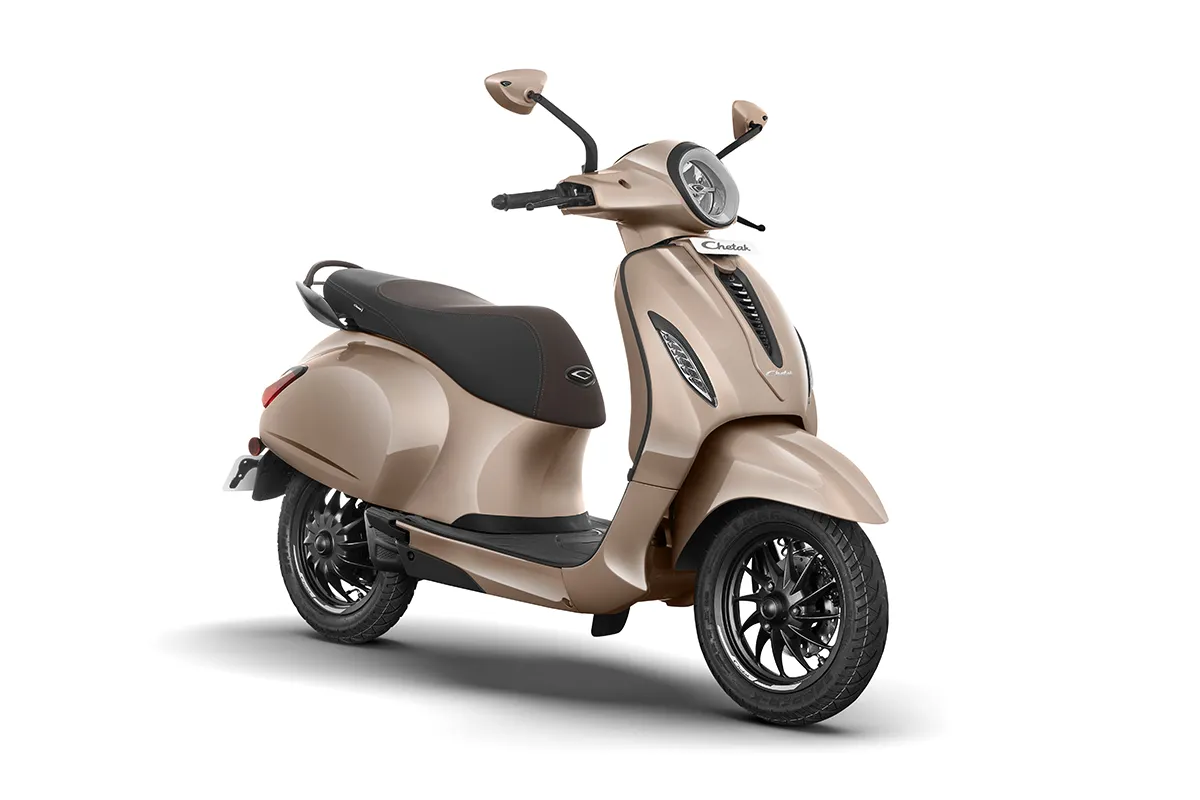
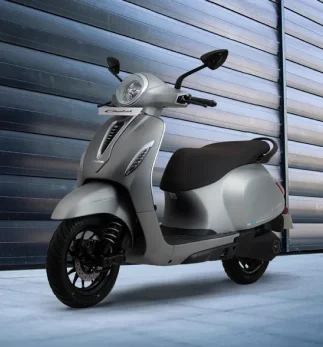
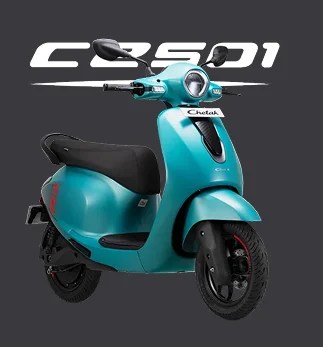
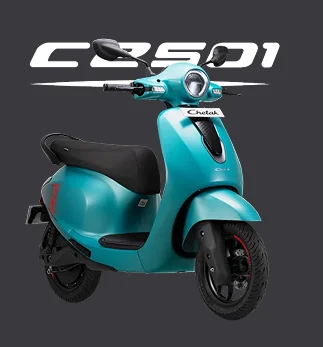
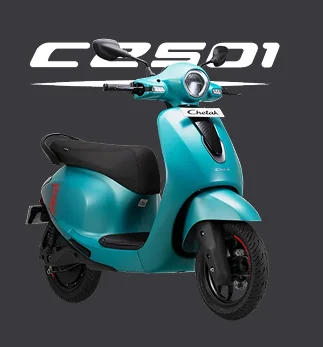
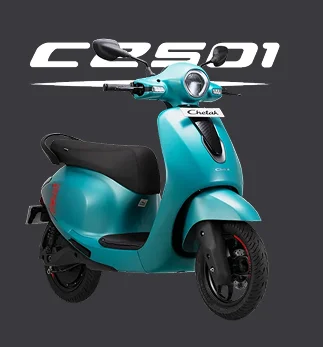
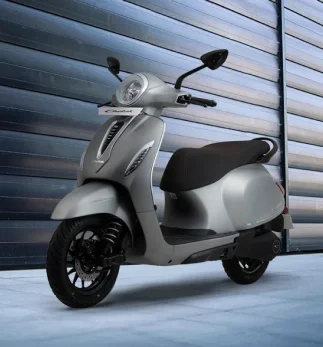
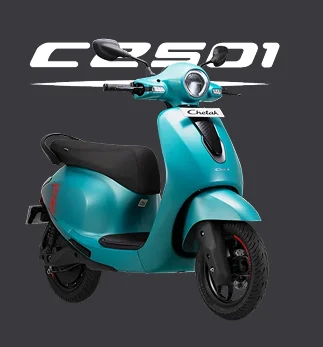
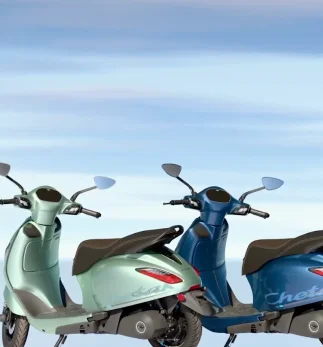
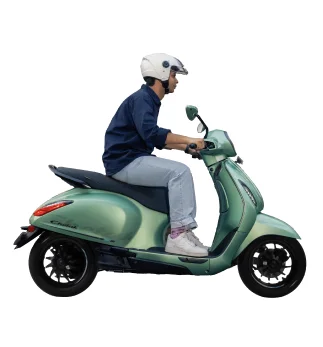
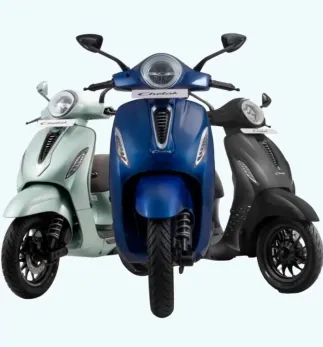
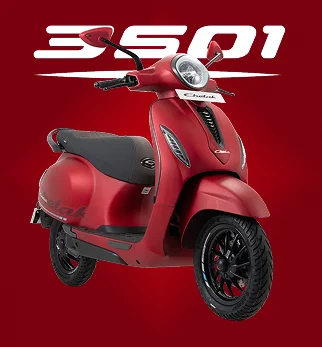
Bajaj Chetak C2501
3. Riding Mode and Motor Power Delivery
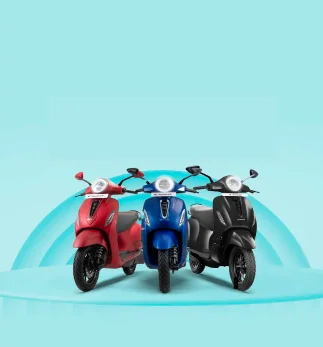
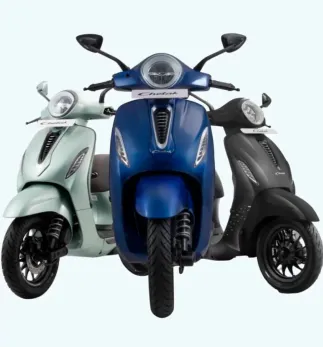
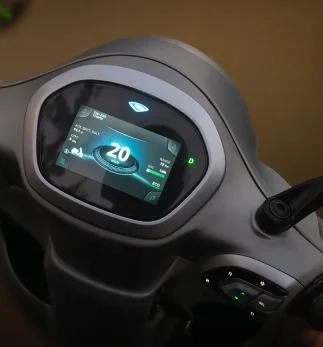
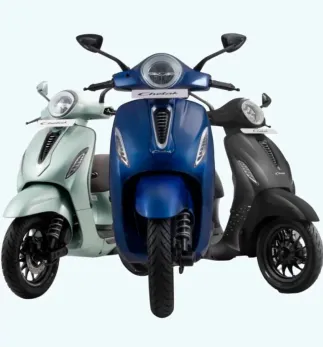
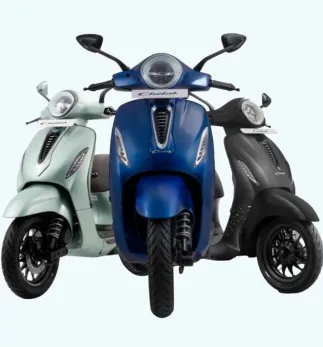
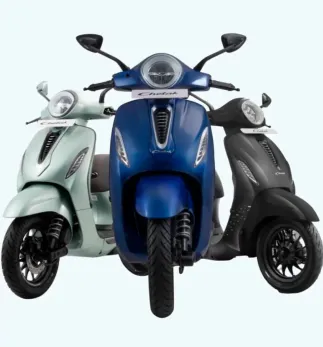
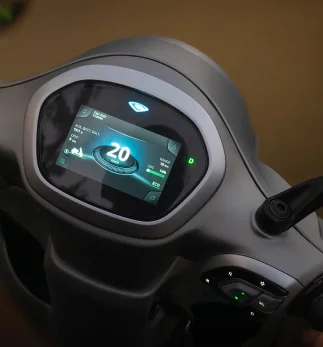
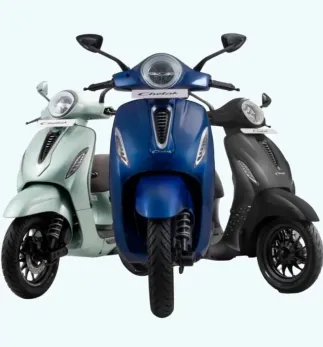
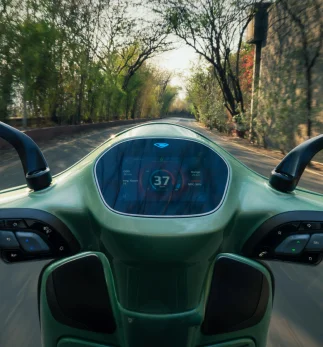
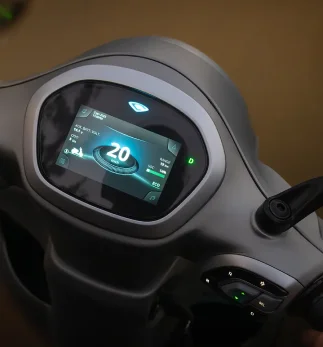
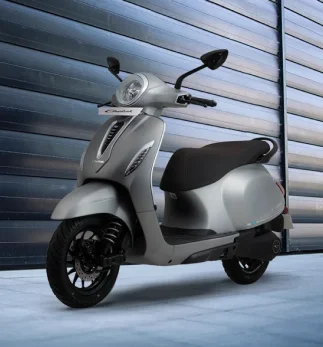
Many electric scooters, such as our Bajaj Chetak e-scooters, come with different riding modes. These may include normal or sport-type modes, depending on the model. Each mode controls how much power is delivered to the motor.
A higher-performance mode may offer quicker response, but it can also consume more battery. Riders should choose the mode based on road conditions and travel needs.
The maximum speed of e-scooter models is usually designed around motor capability and power delivery settings. This is why two riders using the same scooter may experience different performance if they ride in different modes.
4. Road Conditions, Slopes, and Wind Resistance
Road conditions can strongly affect speed. Smooth, flat roads allow the scooter to move more easily. On the other hand, broken roads, gravel patches, and frequent speed breakers can reduce momentum.
Slopes also make a difference. Riding uphill requires more power from the motor, which can reduce speed. Riding against strong wind can also slow down the scooter because the motor has to work harder to push through resistance.
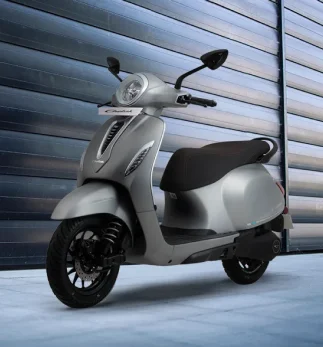
This means the maximum speed of e-scooter can feel different across routes. A scooter may perform well on a clean city road but feel slower on a steep lane or uneven surface. Riders should judge performance based on regular routes, not only ideal road conditions.
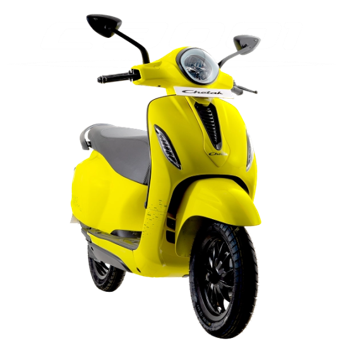
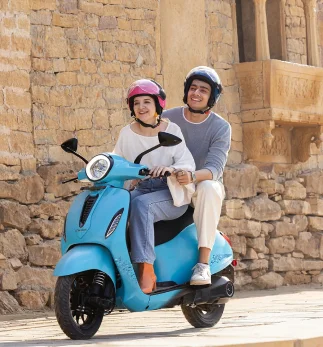
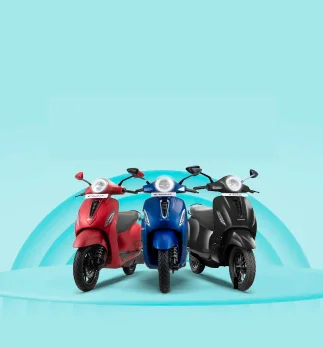
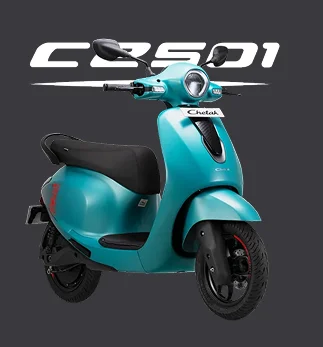
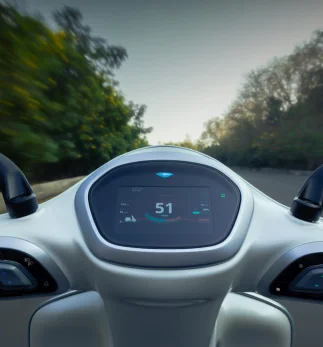
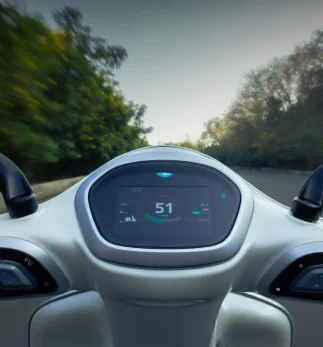
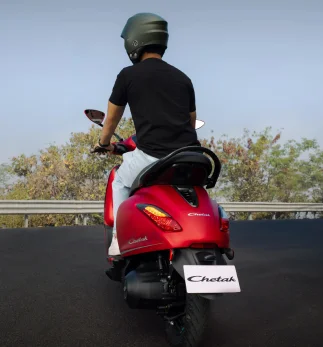
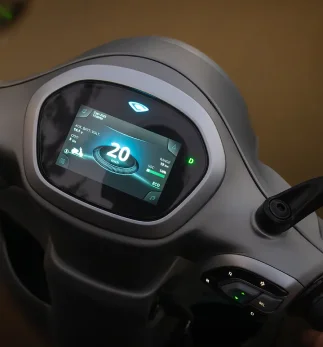
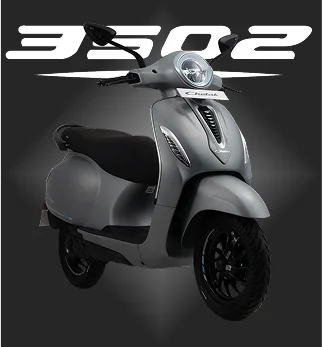
Bajaj Chetak C3001
5. Tyre Pressure, Maintenance, and Scooter Condition
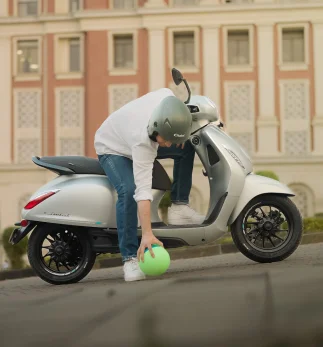
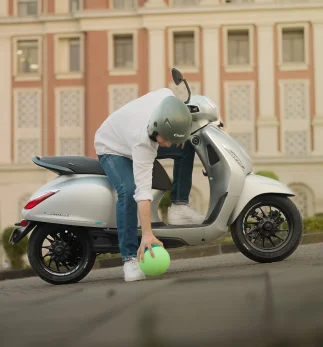
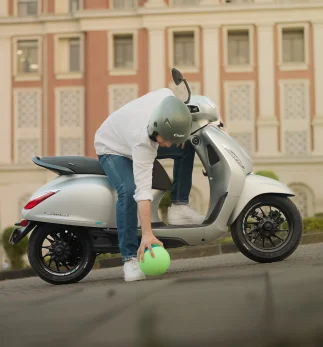
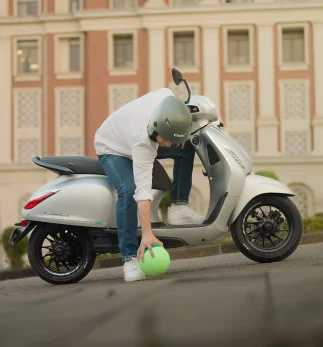
Tyres have a direct impact on speed, grip, and battery efficiency. Underinflated tyres increase rolling resistance, which means the motor needs more effort to move the scooter. This can reduce speed and range.
Worn-out tyres can also affect control, especially during turns or sudden braking. Along with tyres, brakes, wheel alignment, and suspension condition should also be checked regularly. If any part creates drag or imbalance, the scooter may not perform as smoothly.
Regular checks can help preserve the maximum speed of e-scooter performance over time. Riders should maintain tyre pressure, follow service schedules, and get unusual sounds or vibrations inspected early.
Choose Performance with Practical Riding in Mind
The speed of an electric scooter depends on several connected factors. Battery health, rider weight, riding mode, road conditions, and maintenance all influence how the scooter performs on real roads.
Instead of focusing only on claimed top speed, riders should look at overall usability. A stable ride, predictable acceleration, efficient battery performance, and reliable service support can make everyday travel easier.
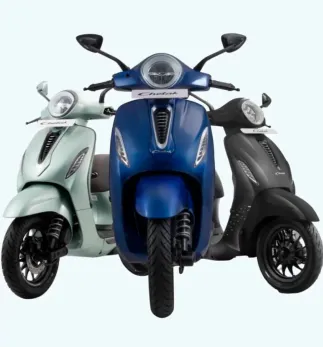
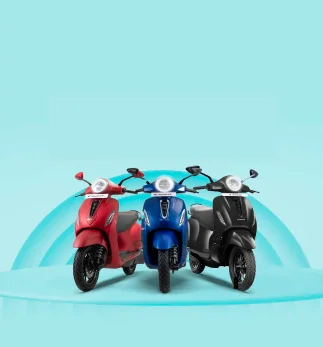
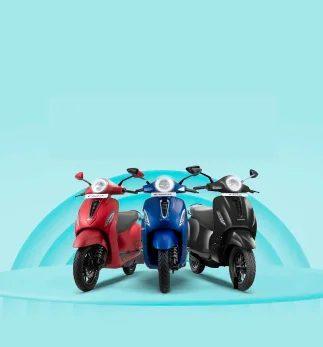
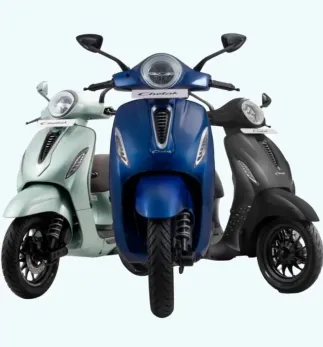
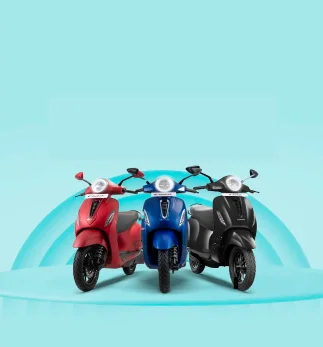
For riders comparing electric scooter options, our Bajaj Chetak EV C35 series can be considered with practical city performance, daily usability, and long-term ownership needs in mind.
Recent Articles
How to Increase Electric Scooter Range With Smarter Riding Habits
Know More
Which Bajaj Chetak Models Offer the Best Combination of High Speed and Rider-Focused Features?
Know More
5 Features that Make an Electric Scooter for Hilly Areas More Practical
Know More
5 Electric Scooter Maintenance Habits that can Support Long-term Performance
Know More
How to Choose a High-Performance Electric Scooter for Daily Use
Know More
.webp)








.webp)