
 Back
Back
Last Updated: Jan 30 2026, 13:00 PM IST
Government Subsidy for Electric Scooters in India: FAME, State Policies & Updates




Switching to electric scooters has become easier than ever, thanks to strong government support and increasing awareness around clean mobility. One of the biggest contributors to this shift is the government subsidy for electric scooters in India. This helps reduce upfront costs and makes EVs a practical choice for everyday commuting. With fuel prices constantly rising and cities dealing with heavier pollution levels, more people are actively exploring electric mobility. In fact, over 23 lakh electric two-wheelers were registered in 2025, and that number continues to grow as subsidies make ownership more affordable. These schemes also shorten the payback period, helping riders enjoy long-term savings on travel and maintenance. This blog breaks down how subsidies work, what benefits you can expect, and why Bajaj Chetak electric scooters are designed to align with evolving EV policies.
How the Government Subsidy Framework Works
The government has built a two-layered system to encourage EV adoption:
- Central subsidies (mainly under FAME)
- State-level incentives (offered through individual EV policies)
Together, they make electric scooters cheaper, support local manufacturing, and push the industry toward safer and more efficient technologies. The goal is simple: make EVs accessible and reliable for everyday riders.
1. FAME: The Main Source of Central Subsidies
The FAME scheme, short for Faster Adoption and Manufacturing of (Hybrid &) Electric Vehicles, is the backbone of central support.
The government subsidy for electric scooters in India under FAME depends on:
- Battery capacity
- Energy efficiency
- Localisation requirements
Manufacturers must meet these norms to qualify. This ensures buyers get safe, well-tested scooters. Updates to FAME rules over the years have made the system more transparent, helping genuine users benefit while encouraging brands to prioritise quality.
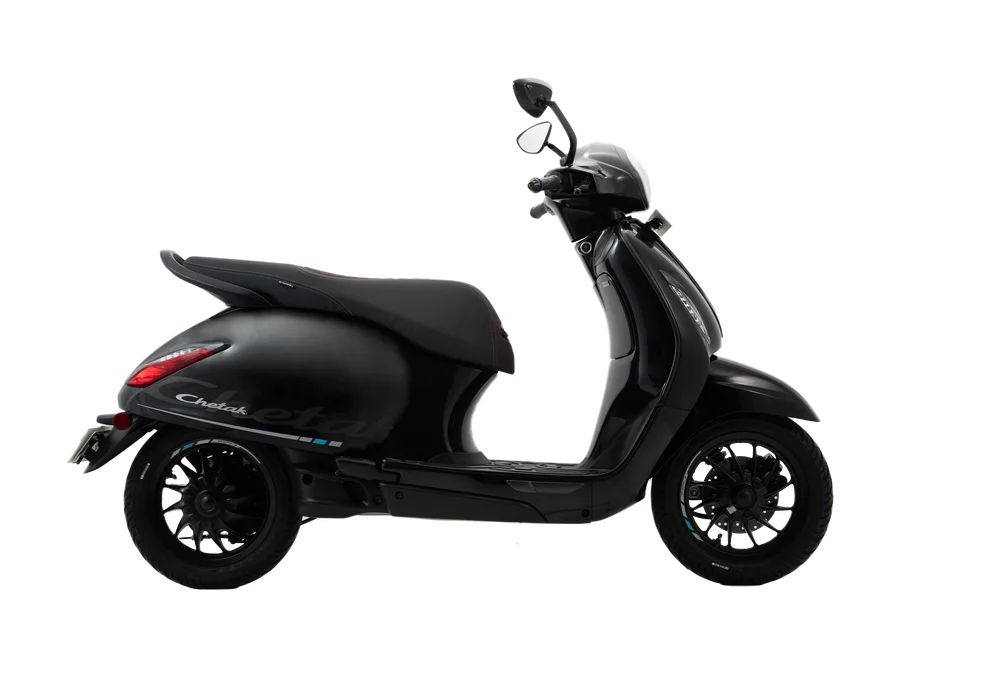
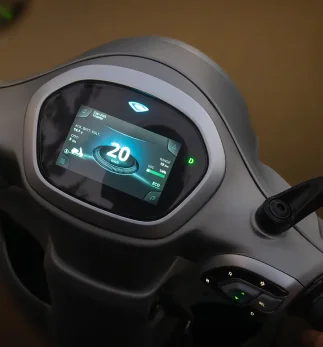
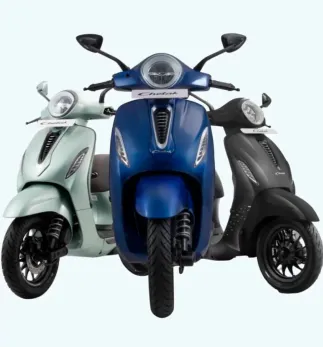
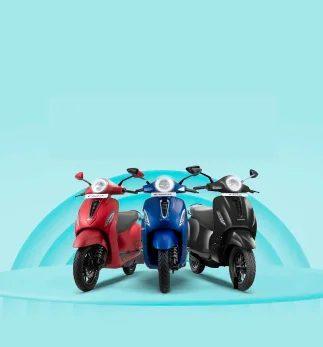
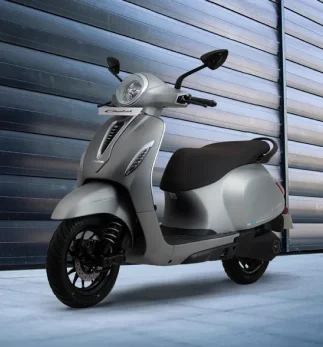
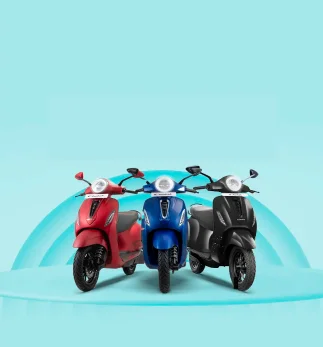
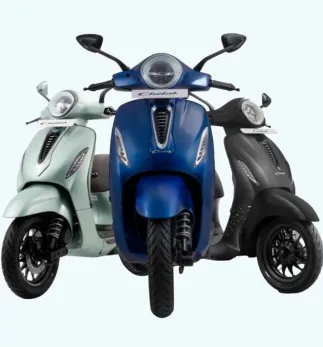
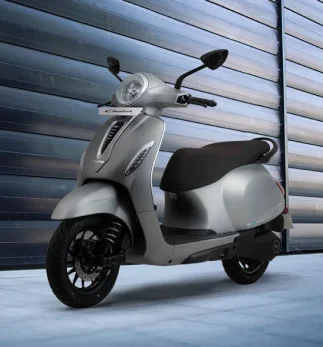
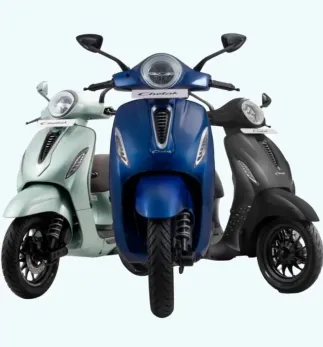
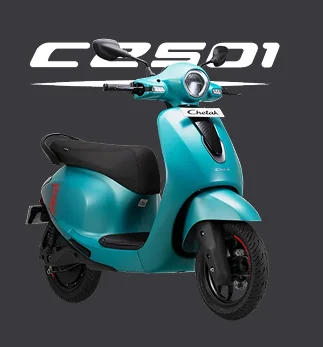
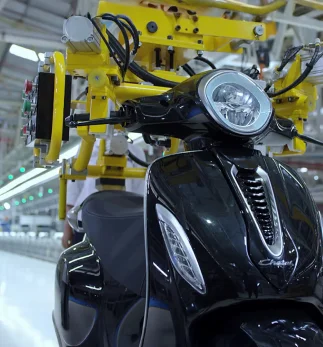
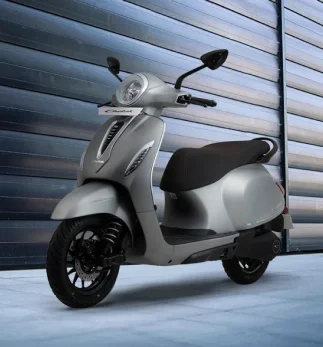
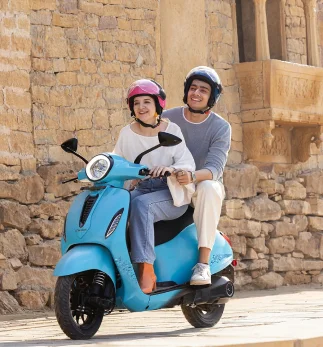
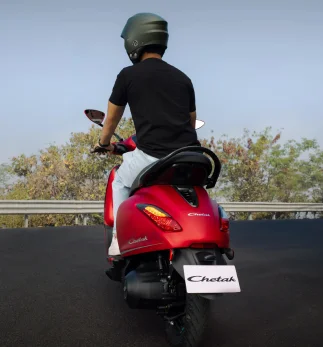
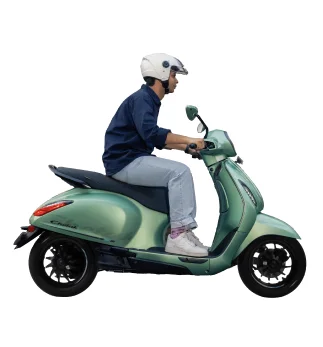
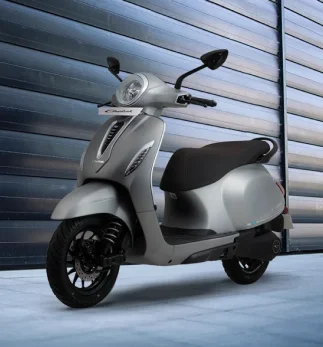
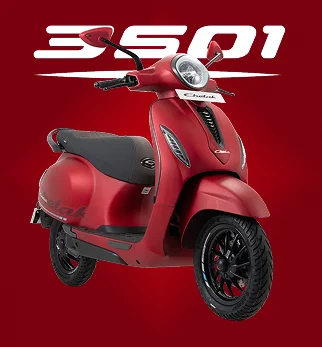
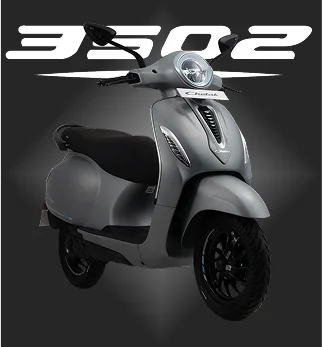
Bajaj Chetak 3501
2. State Policies: Extra Support for Buyers
On top of FAME, every state has its own EV policy with different incentives. These may include:
- Road tax exemption
- Zero registration fees
- Early-bird purchase incentives
- Loan interest support
- Special subsidies for women and commercial fleets
Some states earlier offered very attractive benefits; for example, Delhi provided subsidies up to ₹5,000 per kWh in past policy cycles.
With both central and state subsidies combined, the overall price of an electric scooter can drop significantly, making EV ownership more accessible to a wider audience.
How Subsidies Reduce the Total Cost of Ownership
The main advantage of the government subsidy for electric scooters in India is the reduction in your lifetime running cost. Even without subsidies, EVs already have lower expenses because:
- Electricity is cheaper per km than petrol
- EVs have fewer moving parts
- Maintenance is minimal; no oil changes or engine-related repairs
Add subsidies to this, and the overall value becomes even stronger. Many commuters recover the difference in price within months, especially if their daily travel distance is high.
Choosing the Right Electric Scooter
Subsidies definitely help, but they shouldn't be the only deciding factor. It’s important to choose a scooter that’s well-built, durable, and practical for your lifestyle. Look for:
- Real-world riding range
- Battery quality and safety
- Charging convenience
- Warranty and after-sales support
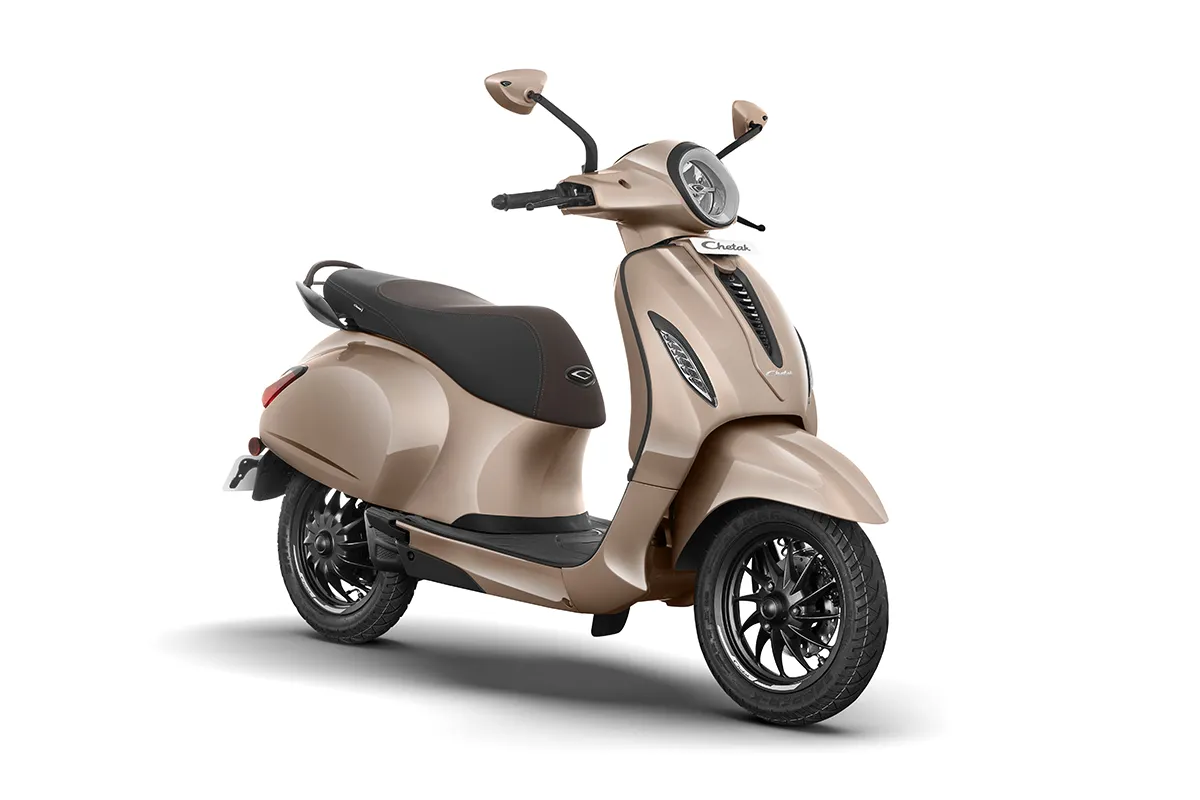
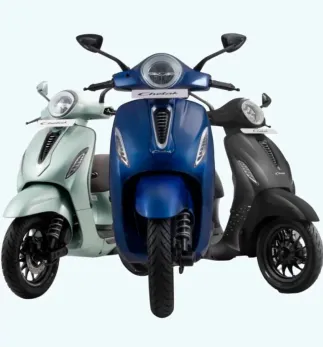
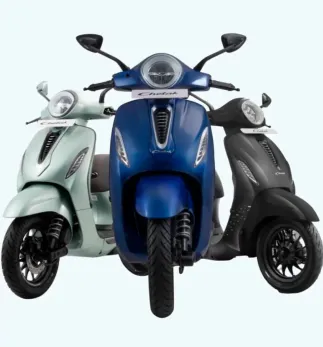
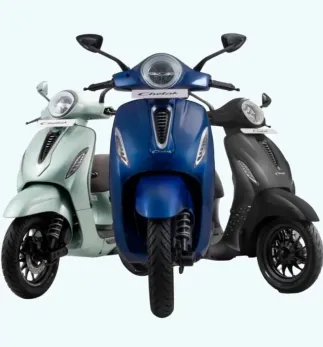
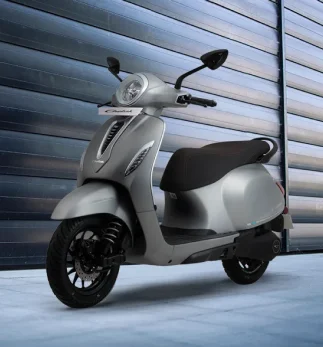
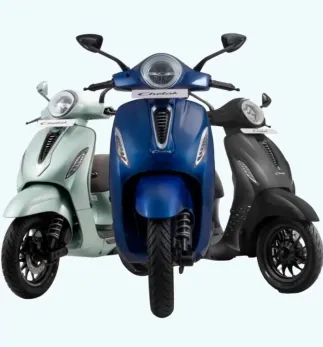
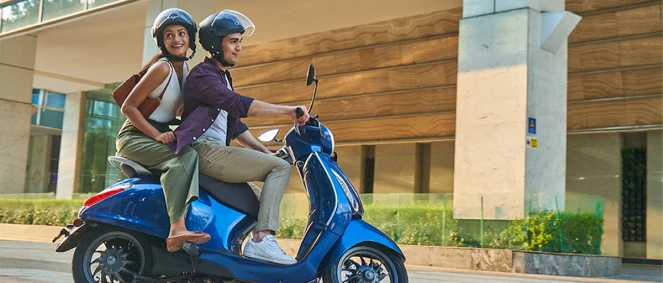
All Chetak electric scooters reflect this balance well. With its metal body, dependable engineering, and focus on long-term reliability, it matches the intent behind EV policies and makes daily commuting smooth and stress-free.
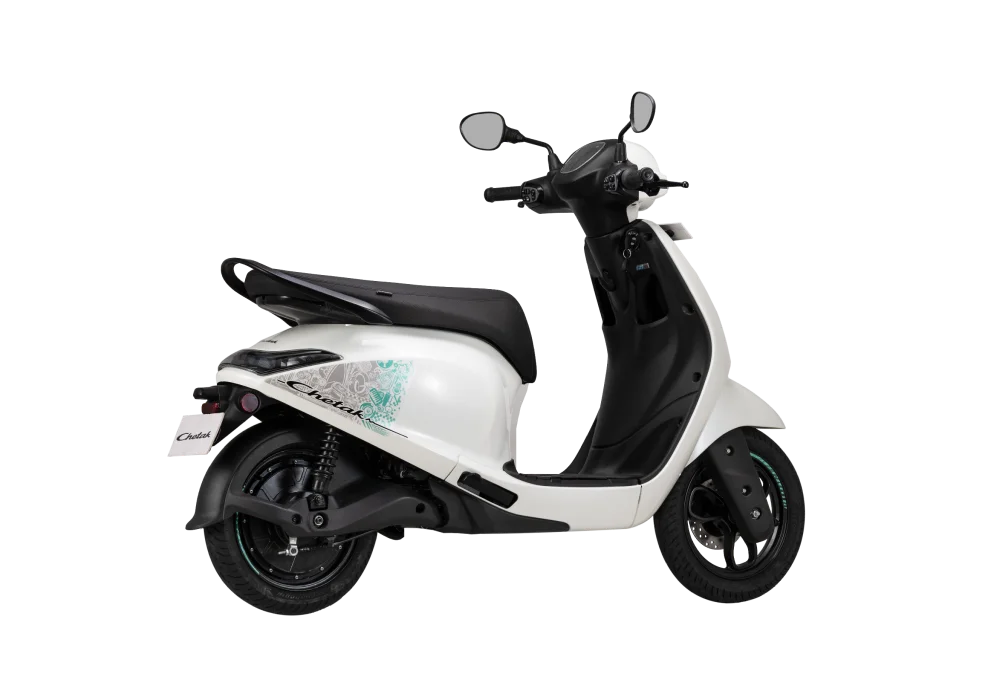
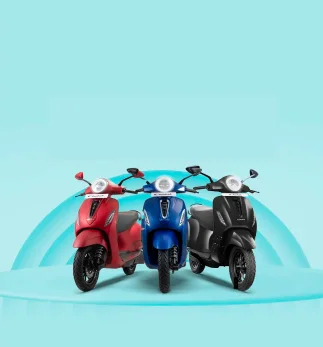
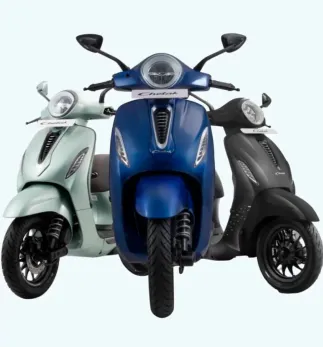
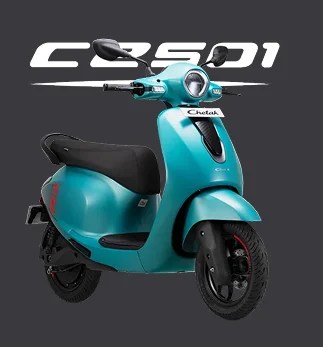
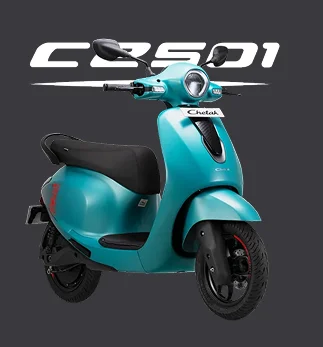
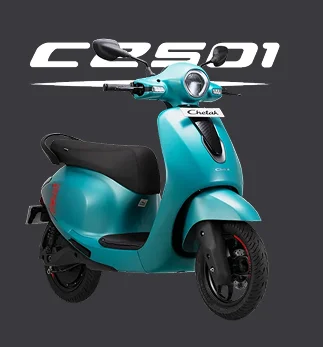
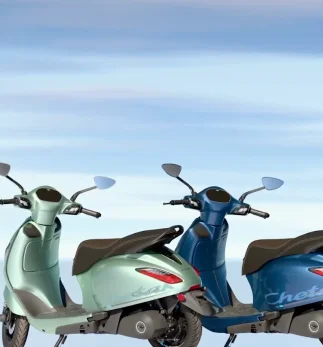
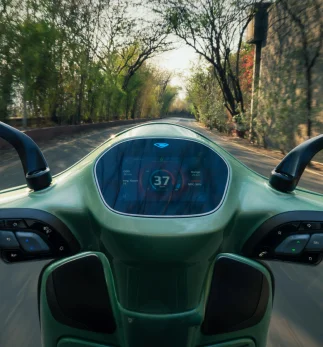
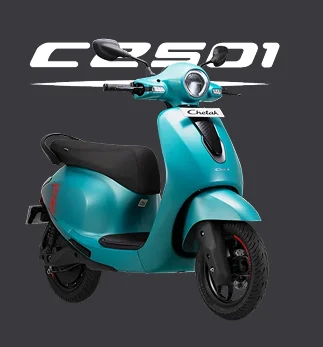
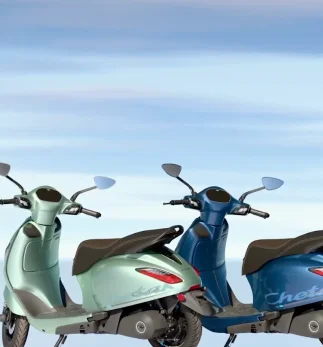
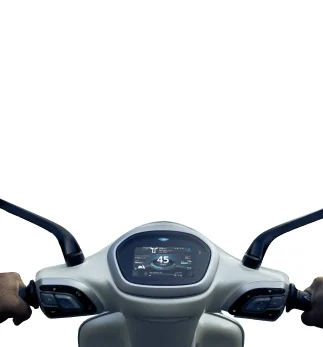
Bajaj Chetak C2501
Eligibility & Compliance Requirements
Not every electric scooter automatically qualifies for subsidies. To be eligible, a scooter must meet certain norms, such as:
- Certified battery systems
- Minimum range and performance standards
- Localisation guidelines
- Approved safety benchmarks
Manufacturers must also follow quality checks to ensure products are subsidy-compliant. Bajaj Chetak EVs are designed with these principles in mind, ensuring it meets the expectations of evolving EV regulations.
Latest Policy Updates & What to Expect Next
EV policies in India continue to evolve as adoption grows. Recent changes focus on:
- Strengthening localisation norms
- Improving safety and battery standards
- Ensuring transparency in subsidy disbursement
Looking ahead, the government is expected to prioritise:
- Expansion of charging networks
- Support for domestic battery manufacturing
- Policies around battery recycling and second-life usage
These steps will continue to support the government subsidy for electric scooters in India, making EV ownership easier and more future-ready.
A Strong Push Toward Cleaner Mobility
The government subsidy for electric scooters in India has played a significant role in accelerating the shift towards electric two-wheelers. Through central initiatives such as FAME, along with additional state-level incentives, electric scooters are becoming more affordable, efficient, and practical for everyday use.
These subsidies help reduce upfront costs while supporting long-term savings through lower running and maintenance expenses. For buyers, understanding how these policies work enables more informed decision-making and greater financial value over time.
Bajaj Chetak EVs, designed with a strong focus on safety, durability, and advanced engineering, align well with the objectives of these government initiatives. As electric mobility policies continue to evolve, subsidies will remain a crucial driver of India’s transition towards cleaner, more sustainable transportation.
Sources:
https://www.ibef.org/news/india-s-electric-vehicle-market-accounts-for-8-of-new-vehicle-registrations-in-2025-vahan-portal-data https://economictimes.indiatimes.com/industry/renewables/delhi-to-unveil-revamped-ev-policy-with-subsidies-scrappage-benefits-and-local-charging-network/articleshow/126102051.cms?from=mdrRecent Articles
How to Increase Electric Scooter Range With Smarter Riding Habits
Know More
Which Bajaj Chetak Models Offer the Best Combination of High Speed and Rider-Focused Features?
Know More
5 Features that Make an Electric Scooter for Hilly Areas More Practical
Know More
5 Electric Scooter Maintenance Habits that can Support Long-term Performance
Know More
How to Choose a High-Performance Electric Scooter for Daily Use
Know More



.webp)












.webp)