
 Back
Back
Last Updated: Feb 06 2026, 16:00 PM IST
Is a Helmet Required for Electric Scooters? Indian Traffic Rules Explained Clearly




Electric scooters have become a popular choice for daily travel across cities in India. Their silent operation, low running cost, and eco-friendly design make them attractive options for students, office commuters, and families looking to reduce fuel expenses. As these vehicles become more visible on the roads, one important question continues to surface: Is a helmet required for electric scooter riders under Indian traffic regulations? Understanding the legal framework is essential for every rider because electric scooters, despite their compact form, are still categorised based on speed and motor power. This blog offers a clear look at India's rules for electric scooter riders, helping you stay compliant and safe on the road.
How Electric Scooters are Classified in India
To understand helmet rules, it helps to know how Indian law classifies electric scooters. The Central Motor Vehicles Rules (CMVR) divide them into two broad groups based on speed and motor wattage. The requirements for helmets, licences, and registration vary accordingly.
• Low-speed Electric Scooters
Low-speed electric scooters run on motors of 250W or less and travel up to 25 km/h. They do not require registration, number plates, road tax, or a driving licence. Helmets are not legally mandatory, though safety risks still exist on busy roads.
• High-speed Electric Scooters
High-speed electric scooters use motors above 250W and exceed 25 km/h, placing them under full motor vehicle regulations. They require registration, insurance, number plates, and a valid driving licence. As officially recognised motor vehicles, all standard two-wheeler safety and helmet laws apply to them.
Key Indian Traffic Regulations for Electric Scooter Riders
Understanding national road rules helps every electric scooter rider stay compliant and safe. These guidelines clarify the legal expectations for low-speed and high-speed models, ensuring responsible and informed use on public roads.
1. Helmet Requirement
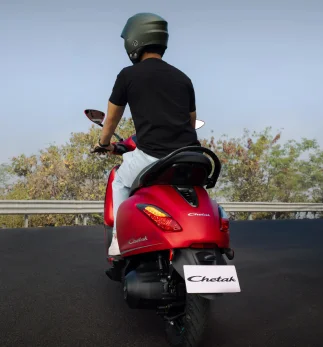
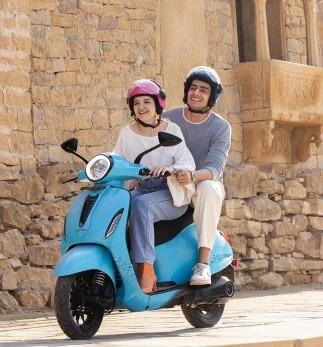
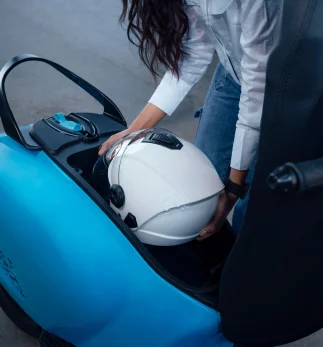
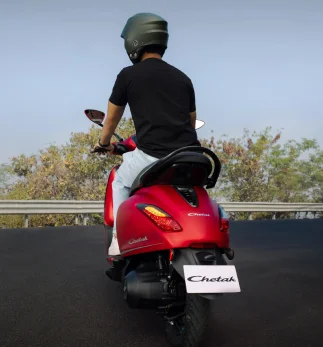
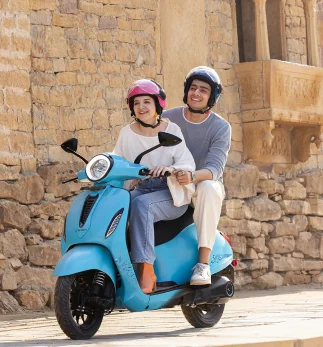
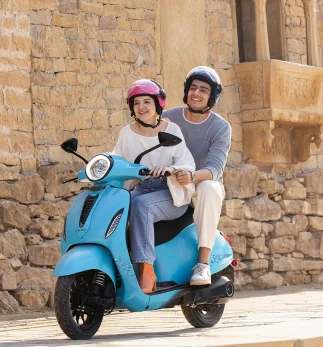
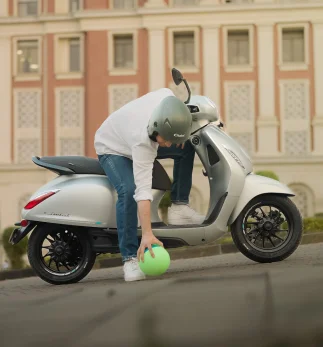
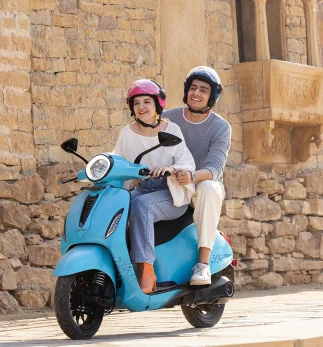
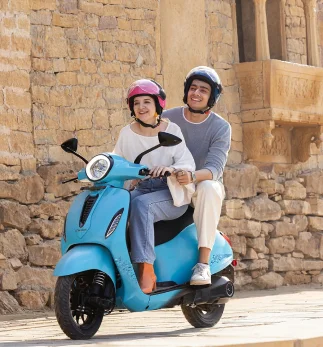
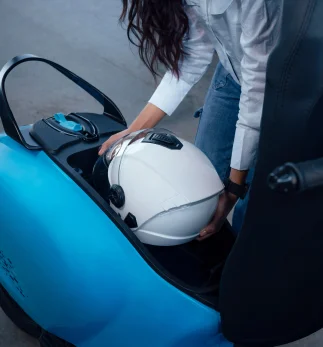
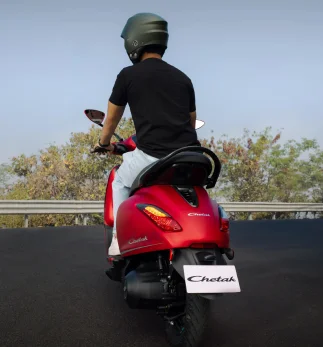
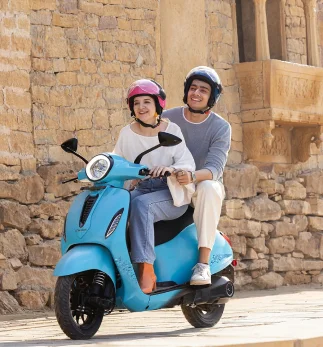
High-speed electric scooters require mandatory helmets for both rider and pillion. Low-speed scooters are exempt legally, but helmets remain strongly recommended to minimise head injuries and improve road safety.
2. Registration Rules
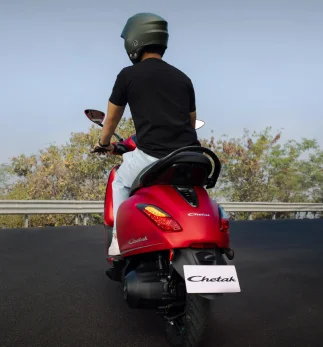
All high-speed electric scooters must be registered with the transport authority and display number plates. Low-speed models under 250W and 25 km/h are exempt from registration requirements.
3. Driving Licence Rules
Riders of high-speed electric scooters must hold a valid two-wheeler licence. Low-speed scooters fall outside the motor vehicle category, so no licence is required to operate them legally.
4. Insurance Requirement
High-speed electric scooters require mandatory third-party insurance under motor vehicle regulations. Low-speed electric scooters do not need insurance, although coverage is recommended for financial protection.
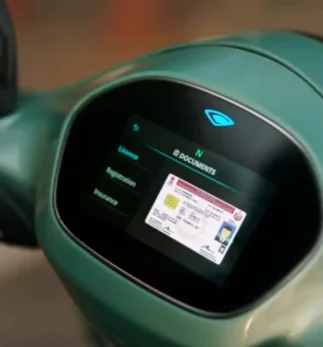
5. Road Tax and Documentation
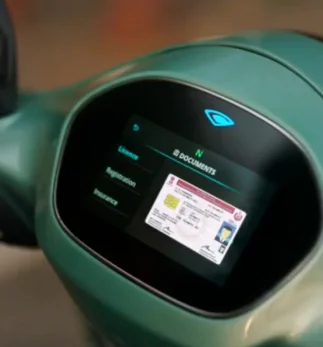
High-speed electric scooters must comply with standard road tax and documentation rules. Low-speed variants remain exempt, as they are not categorised as conventional motor vehicles under CMVR guidelines.
6. Pillion Rider Rules
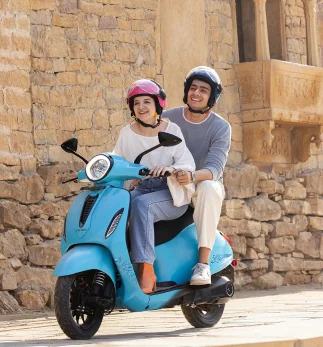
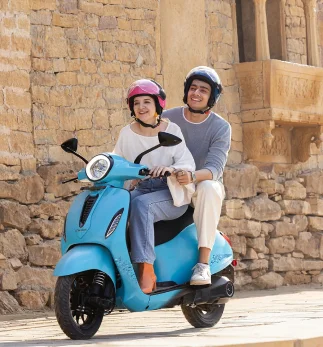
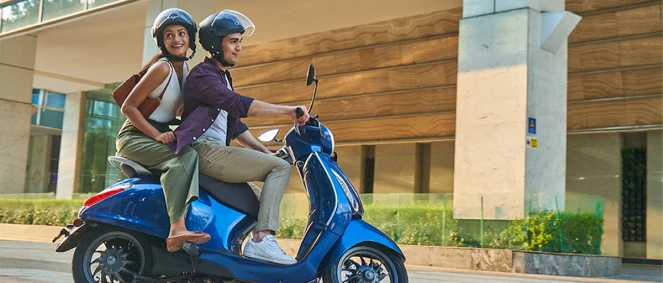
If riding a high-speed electric scooter, both rider and pillion must wear helmets. Low-speed scooters do not mandate pillion helmets legally, though using protective gear remains sensible.
7. Speed and Vehicle Category
Scooters exceeding 25 km/h or 250W are classified as motor vehicles and must follow all two-wheeler regulations. Low-speed scooters below these limits receive separate, simplified compliance conditions.
Bajaj Electric Scooters: Built for Smart, Reliable Urban Mobility
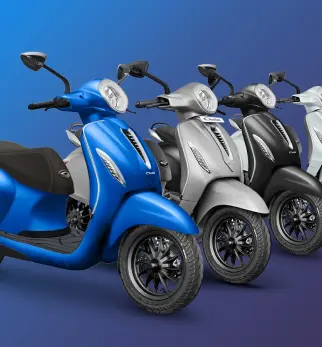
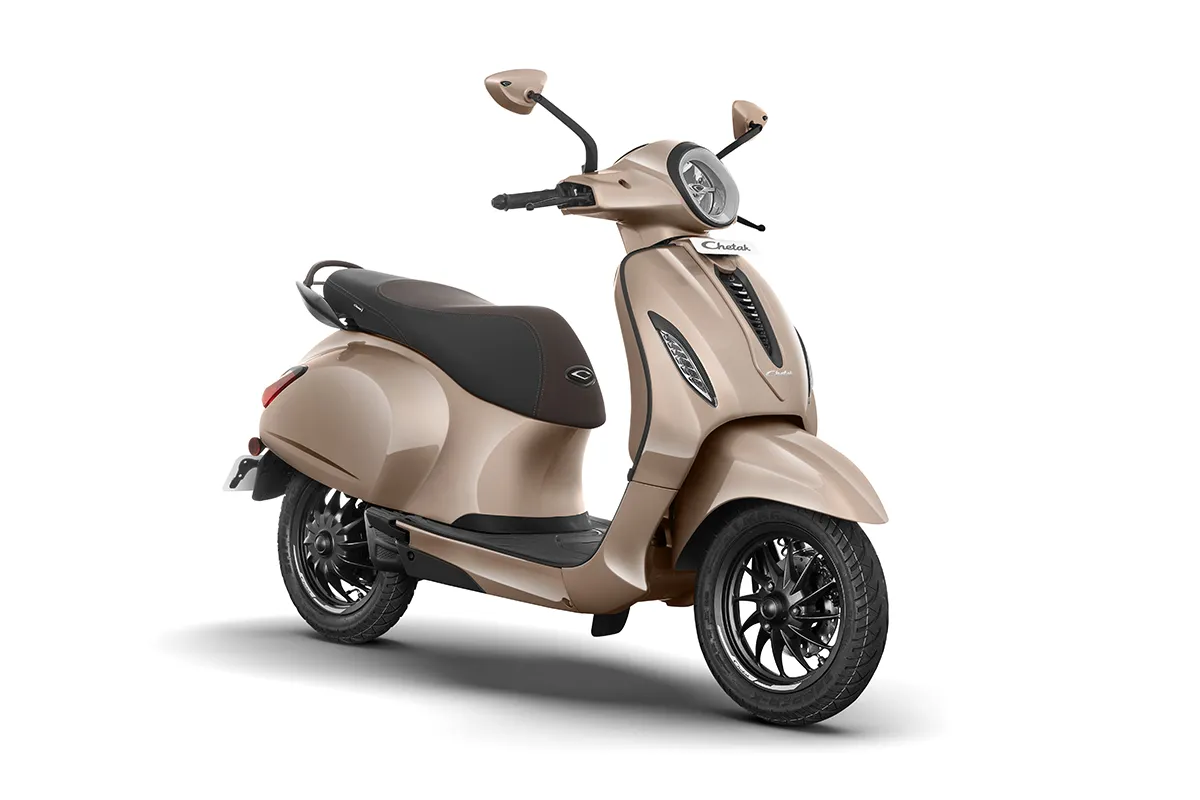
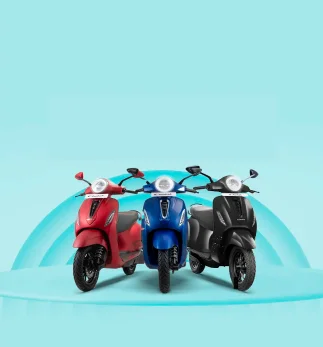
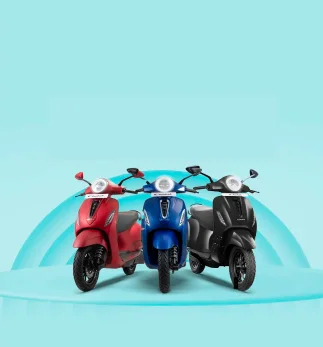
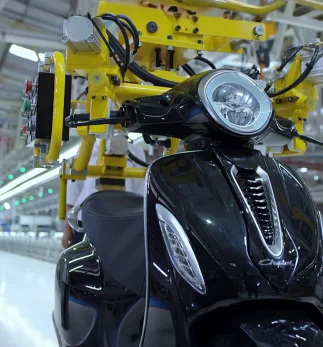
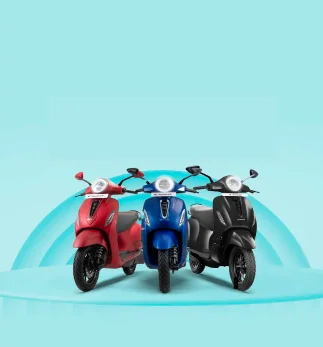
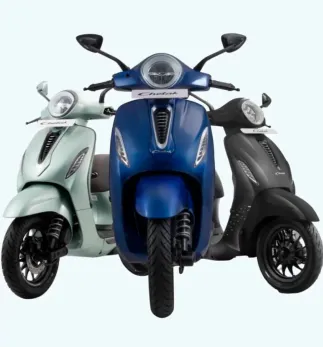
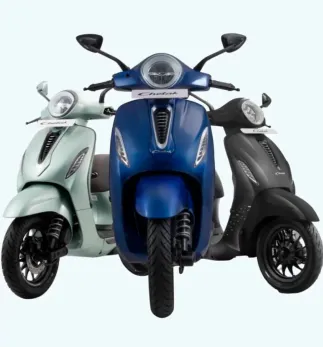
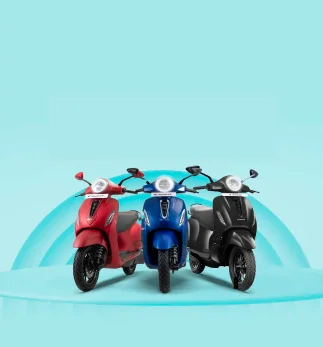
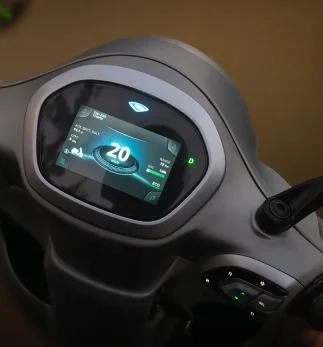
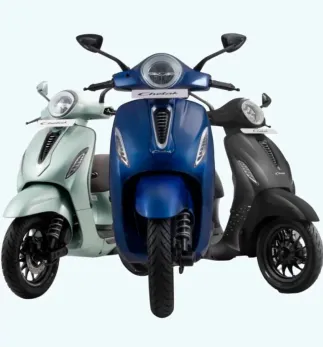
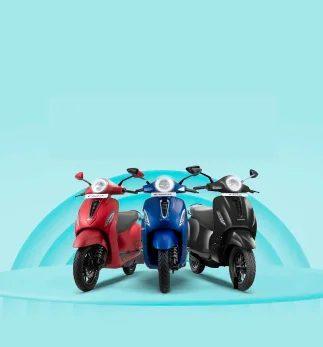
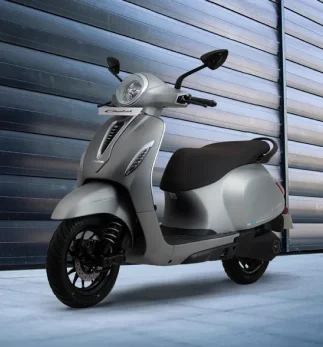
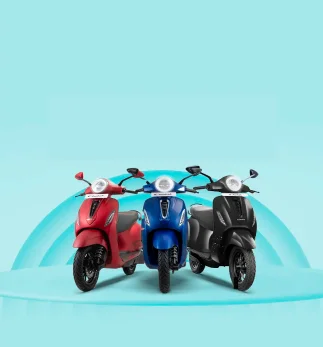
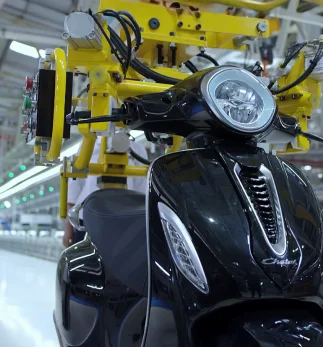
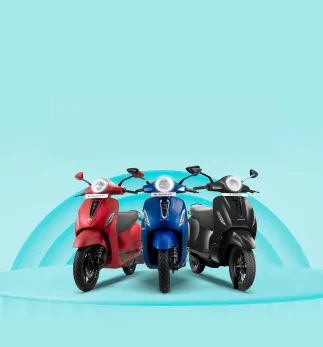
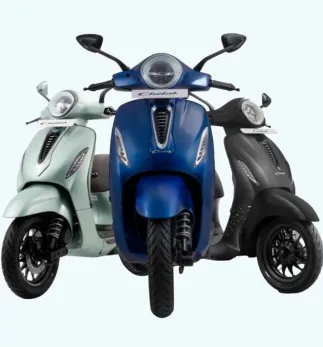
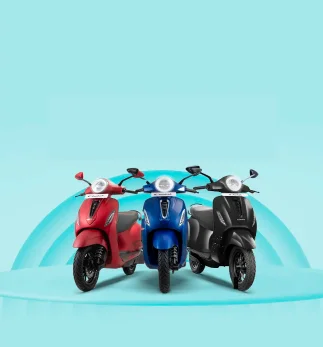
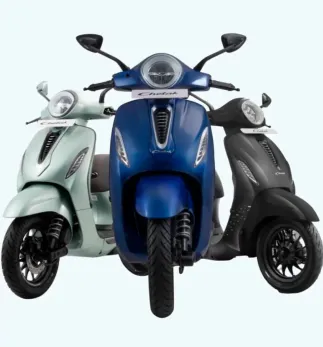
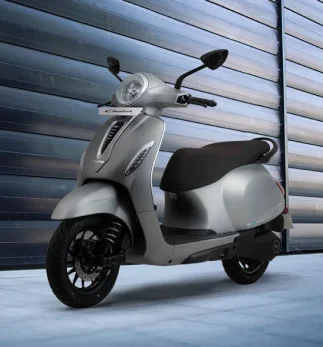
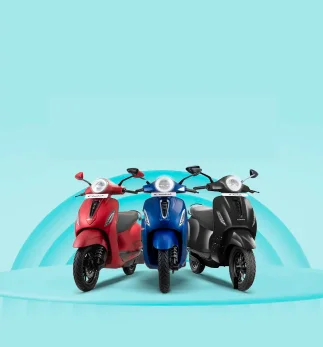
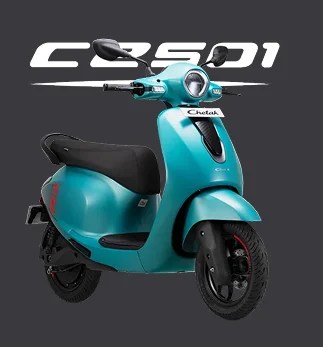
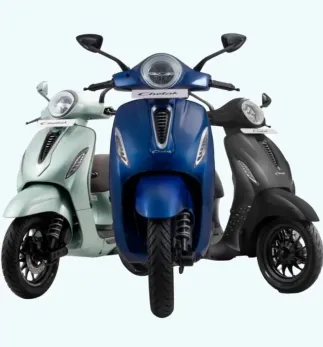
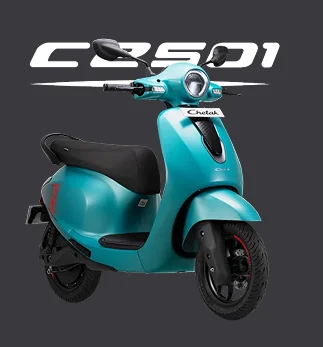
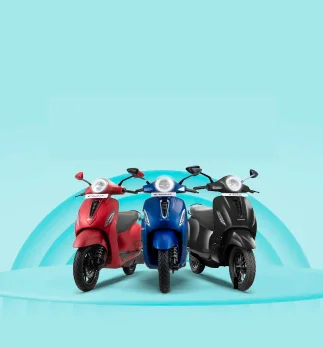
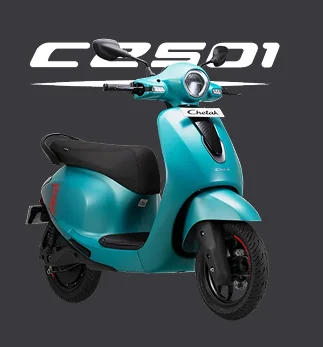
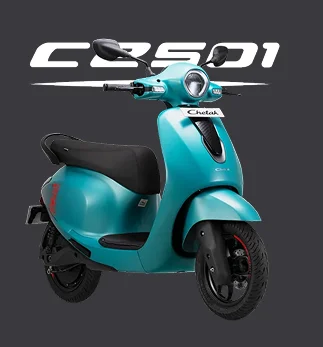
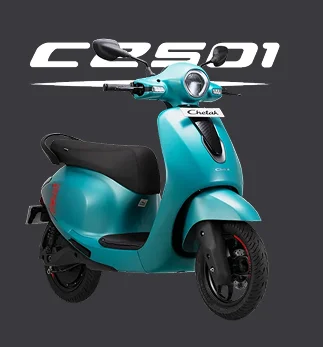
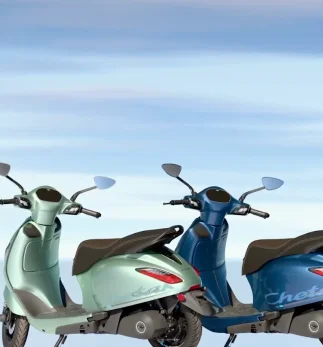
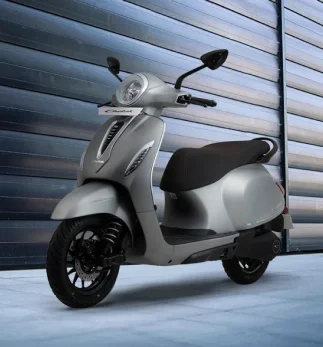
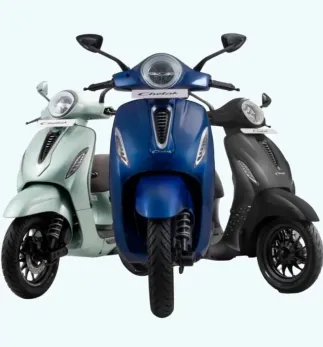
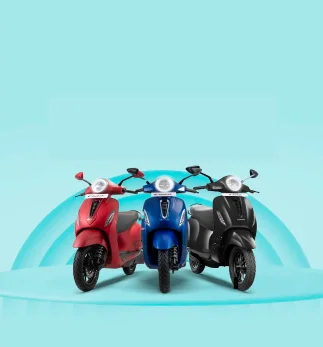
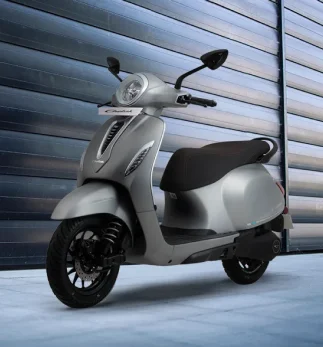
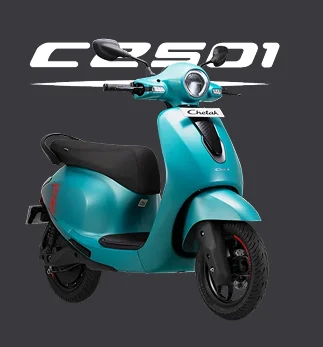
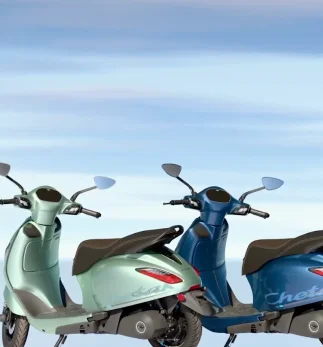
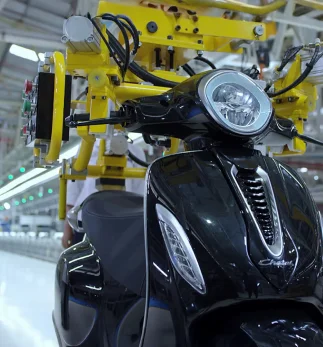
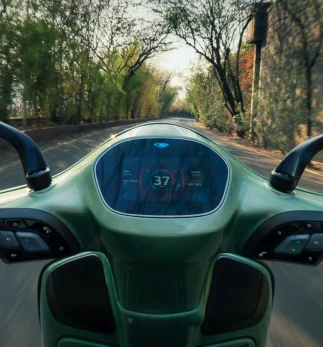
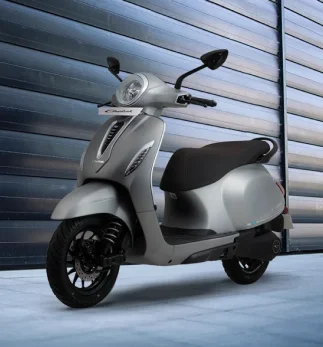
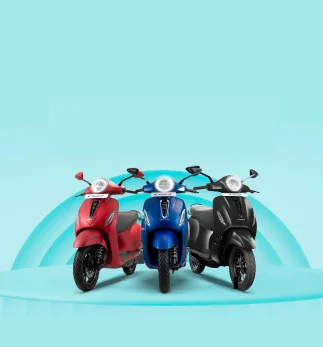
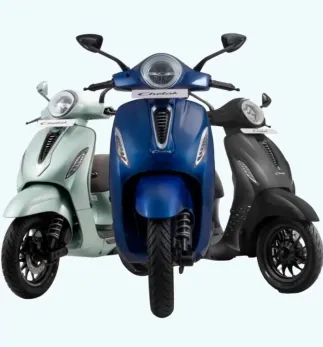
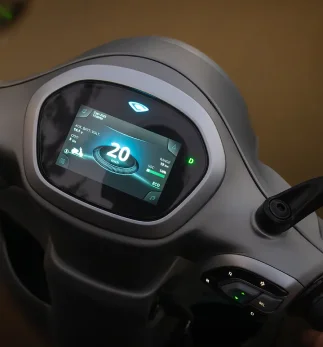
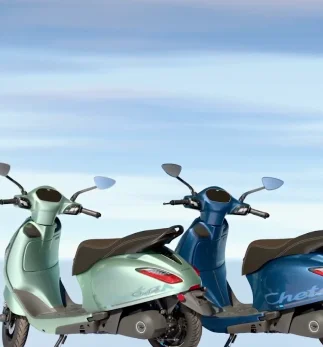
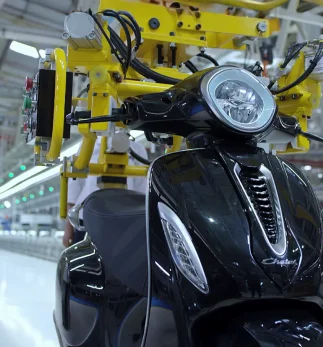
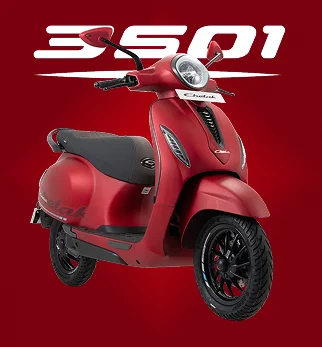
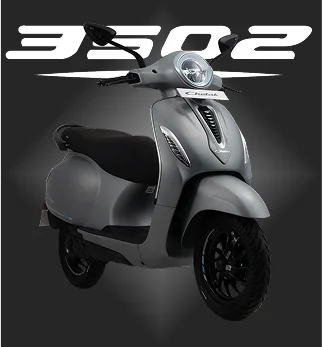
At Bajaj, we design electric scooters that blend performance and everyday convenience. Our Chetak line-up, including the Chetak 3501, Chetak 3502, Chetak 3503, Chetak 3001, and Chetak C2501, offers riders a dependable and efficient way to travel through busy city roads.
Each model is engineered to deliver smooth acceleration and rider-focused comfort while maintaining Bajaj's legacy of strong metal construction and long-lasting reliability.
With advanced power management and thoughtfully designed features, our electric scooters support modern commuting needs and make urban travel easier, cleaner, and more enjoyable for every rider.
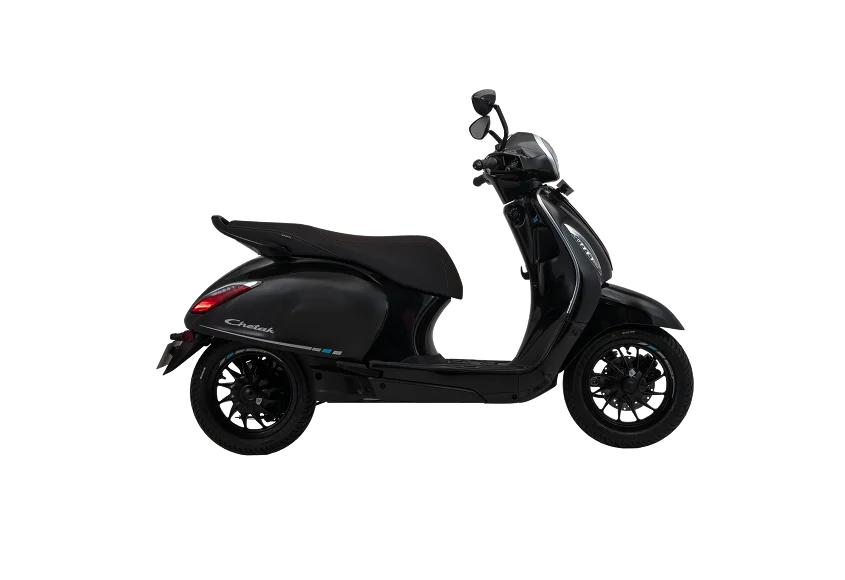
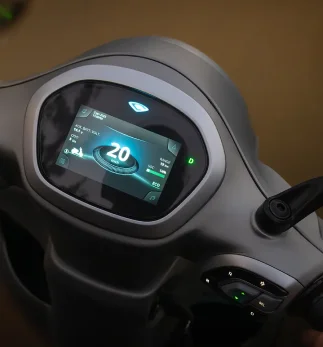
Bajaj Chetak 3502
Keep Your Electric Scooter Rides Safe, Legal, and Stress-free
Understanding the rules around helmet use and overall compliance helps every electric scooter rider travel with greater confidence and responsibility. While low-speed models come with certain exemptions, high-speed scooters fall firmly under India's motor vehicle regulations, making helmets, licences, and registration essential for safe and lawful riding.
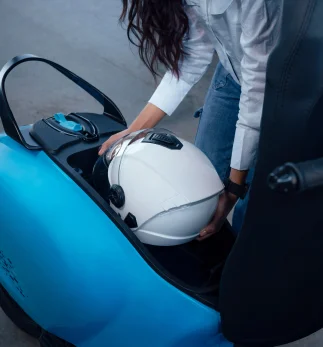
Choosing to wear a helmet, even when not mandated, remains one of the simplest ways to reduce risk on busy roads. As electric mobility continues to expand across the country, building safer habits will help create a more disciplined and secure commuting culture.
If you ride occasionally or depend on your scooter daily, prioritising safety ensures smoother journeys and encourages a more mindful approach to India's evolving traffic environment.
Recent Articles
How to Increase Electric Scooter Range With Smarter Riding Habits
Know More
Which Bajaj Chetak Models Offer the Best Combination of High Speed and Rider-Focused Features?
Know More
5 Features that Make an Electric Scooter for Hilly Areas More Practical
Know More
5 Electric Scooter Maintenance Habits that can Support Long-term Performance
Know More
How to Choose a High-Performance Electric Scooter for Daily Use
Know More
.webp)
.webp)