
 Back
Back
Last Updated: Mar 24 2026, 11:00 AM IST
Electric Scooter Regulations in India: What You Should Keep in Mind




Electric scooters have shifted from a niche experiment to a mainstream mobility choice across India, driven by changing commuter needs and rapid urban growth. With pollution levels rising and fuel expenses becoming harder to manage, more people are turning to electric scooters as a practical and sustainable alternative for everyday travel. City planners also recognise their potential to ease pressure on busy roads and support cleaner transport goals. However, for riders, understanding the electric scooter rules in India is essential, as these regulations define legal compliance, safety expectations, penalties, insurance requirements, and overall road responsibility. In this blog, we break down the framework of electric scooter regulations in India, why they matter, and what every potential rider should know before hitting the road.
Why the Electric Scooter Rules in India Matter
Electric scooters promise lower operational costs, reduced emissions, and convenient last-mile travel. However, without clear regulations, this segment can face misuse and safety concerns. The Indian government, state authorities, and transport departments have introduced electric scooter rules in India to ensure:
- Rider safety
- Road discipline
- Standardised vehicle specifications
- Insurance and liability clarity
- Penalties for violations
Understanding these electric scooter rules in India protects you from legal trouble and enhances the overall safety of urban mobility.
Electric Vehicle Rules and Compliance Framework in India
India's electric mobility transition is guided by a clear regulatory structure that defines safety, registration, licensing, and operational standards. Understanding the electric scooter rules in India and the compliance framework in India helps riders, manufacturers, and fleet operators stay legally compliant while supporting responsible road usage.
1. Driving Licence Requirements
Riders must hold a valid two-wheeler driving licence to operate an electric two-wheeler that exceeds 25 km/h top speed or has motor power above 250 W. Low-speed EVs (≤25 km/h & ≤250 W) do not require a licence.
2. Minimum Age to Ride
The legal age for riding high-speed electric two-wheelers in India is 18 years. However, for low-speed EVs (≤25 km/h & ≤250 W), riders aged 16 years and above can ride legally without a full licence.
3. RTO Registration Rules
Electric scooters and bikes with top speeds over 25 km/h or power above 250 W must be registered with the Regional Transport Office (RTO) before use on public roads. Low-speed EVs under these limits are usually exempt from mandatory registration.
4. Number Plate Regulations
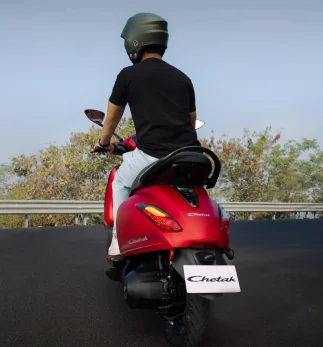
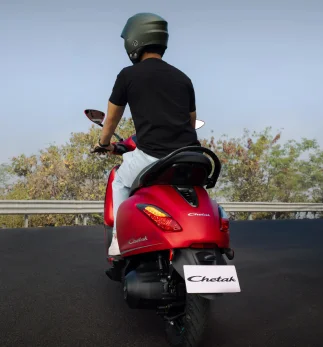
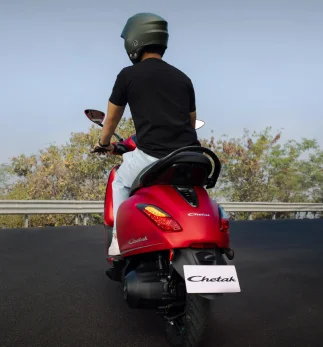
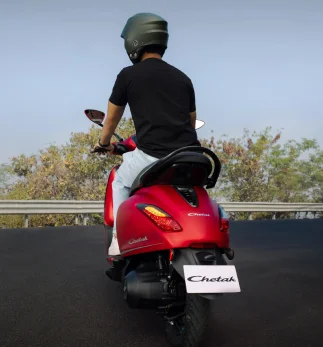
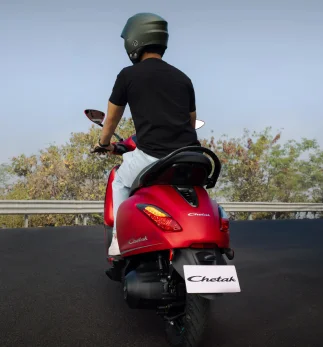
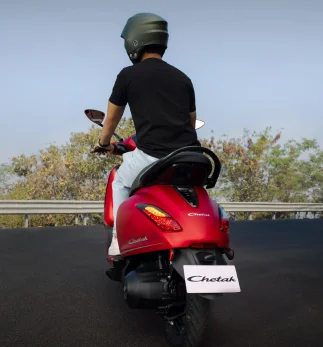
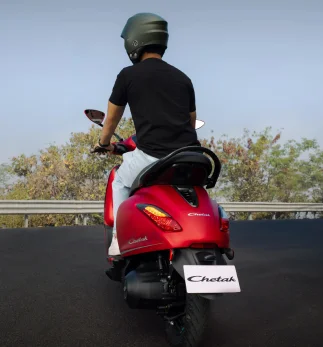
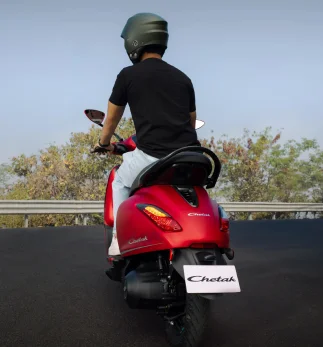
Registered EVs must display a green number plate with white text for private use (or yellow text for commercial use), clearly visible both front and rear, as per RTO standards.
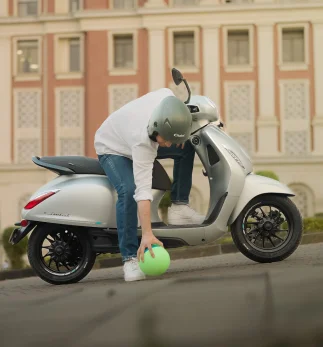
5. Helmet Usage
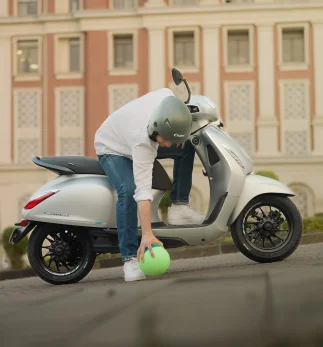
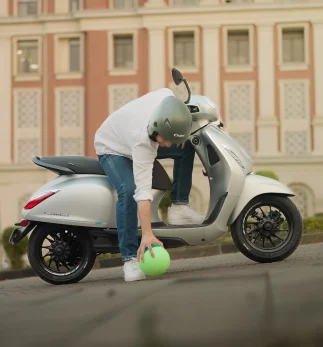
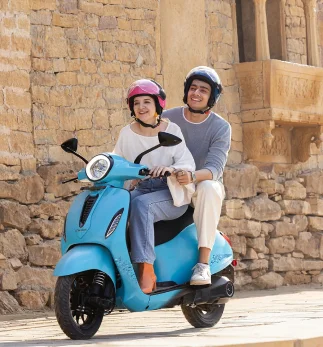
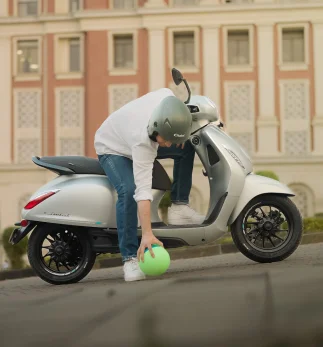
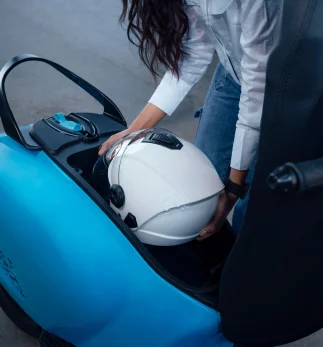
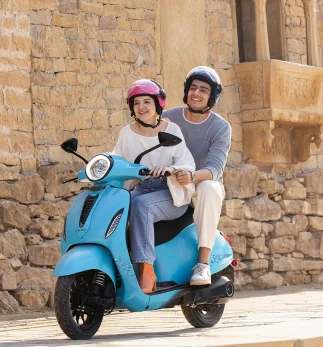
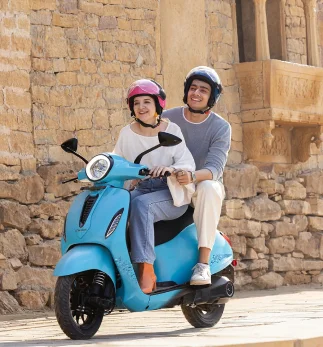
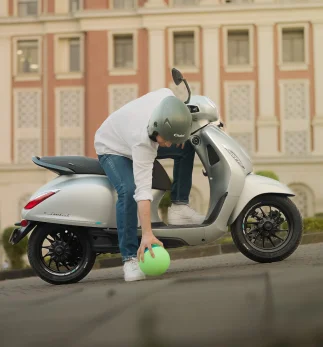
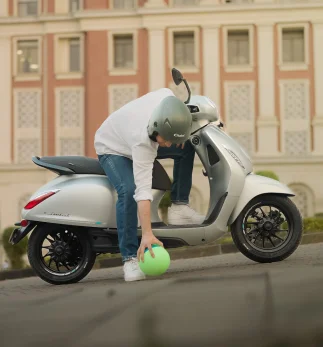
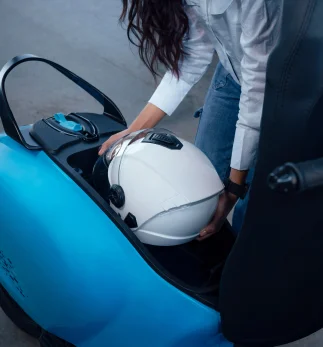
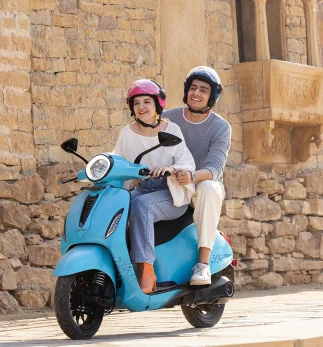
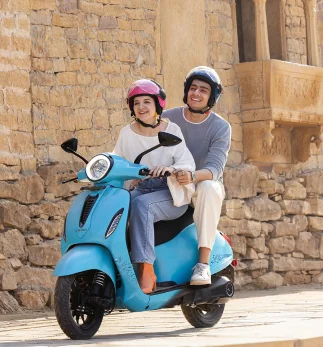
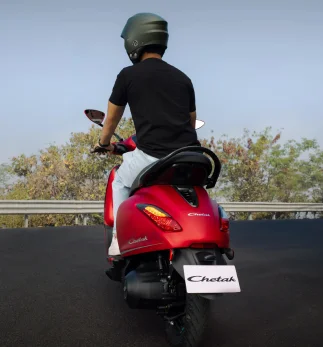
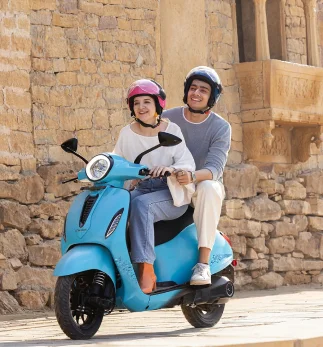
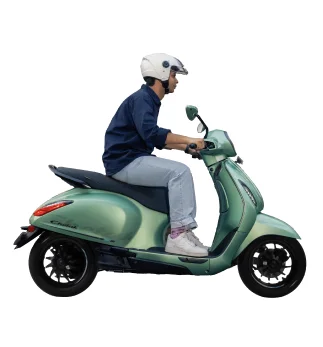
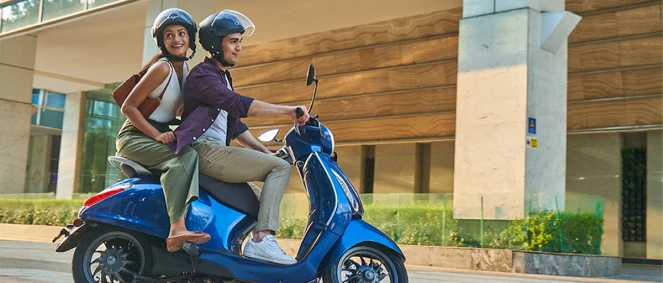
Wearing a helmet is mandatory for riders of electric two-wheelers. For safety and legal compliance, helmets must be worn on public roads, especially for registered EVs and high-speed models.
6. Insurance Requirements
High-speed electric scooters and bikes must have at least third-party insurance covering liabilities. Low-speed models may not be legally required to insure, but having insurance is highly recommended for protection.
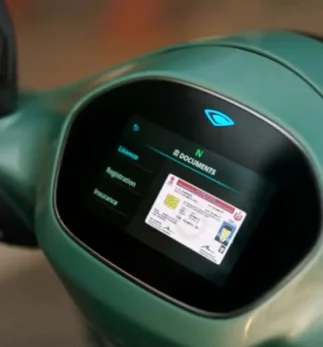
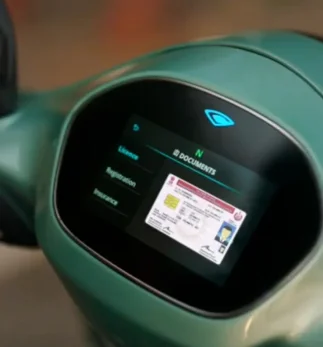
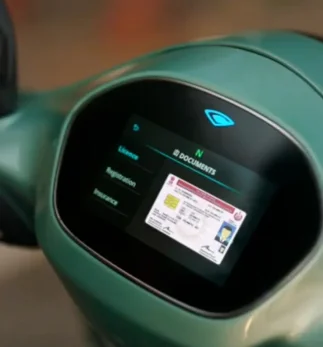
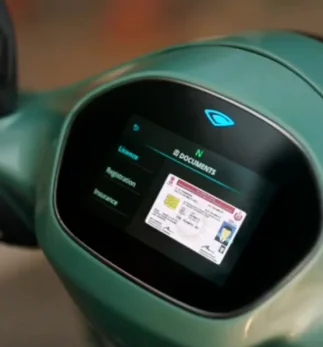
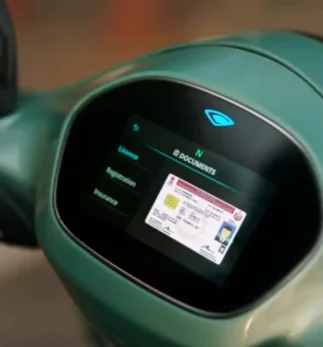
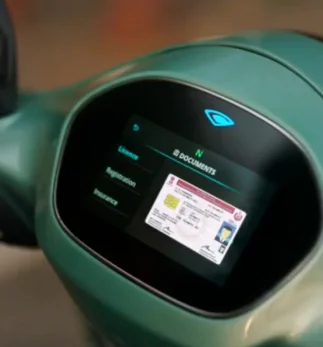
7. Documents Required While Riding
Riders of registered EVs should carry a driving licence, registration certificate, and insurance documents while riding. These are checked during traffic inspections, and non-compliance can attract fines.
8. Safety and Traffic Rules
EV riders must follow all standard traffic rules, signals, and road regulations under the Motor Vehicles Act, 1988. This applies to behaviour on roads, signalling, lane discipline, and speed limits.
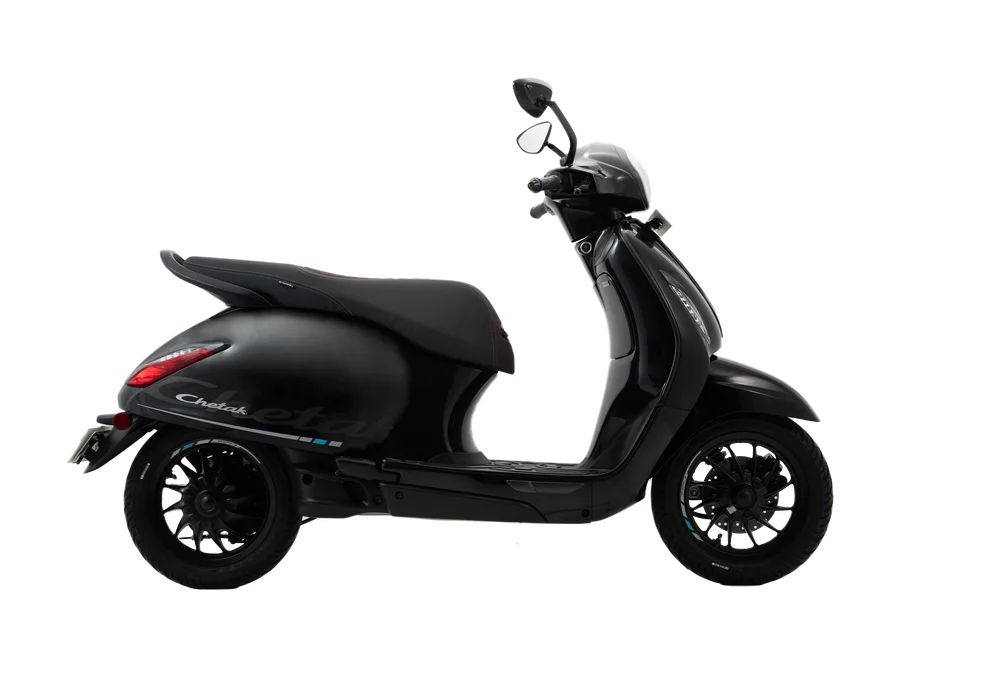
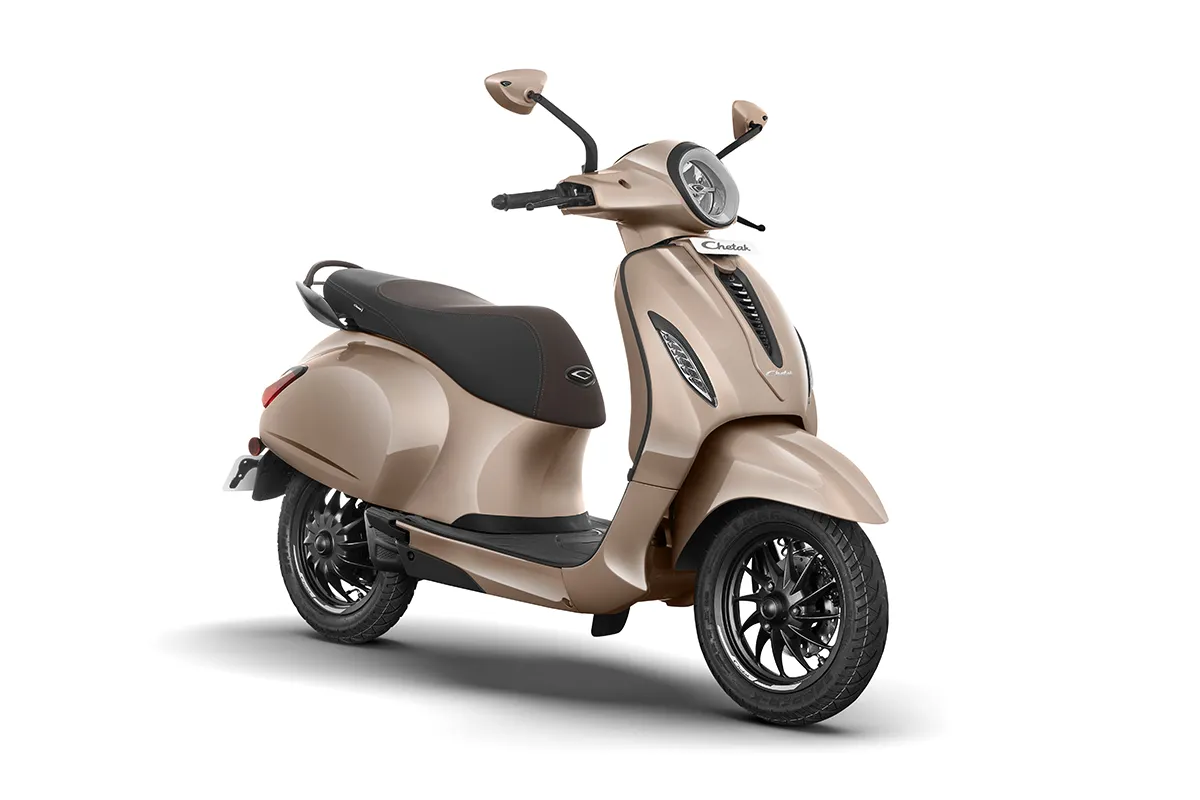
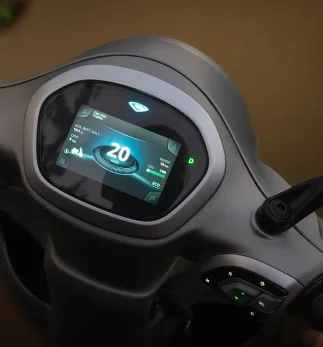
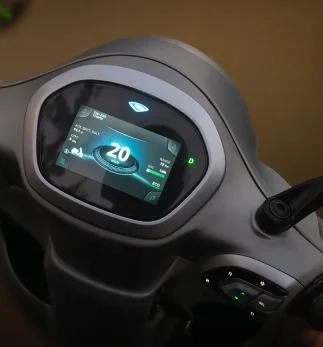
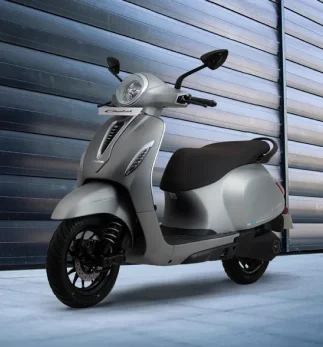
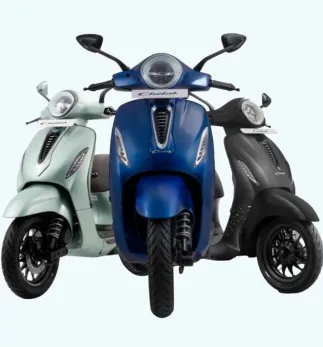
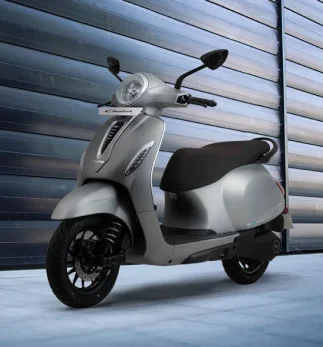
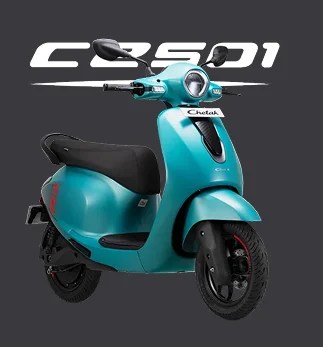
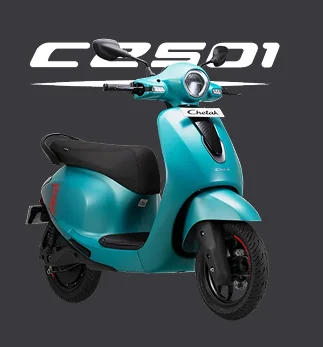
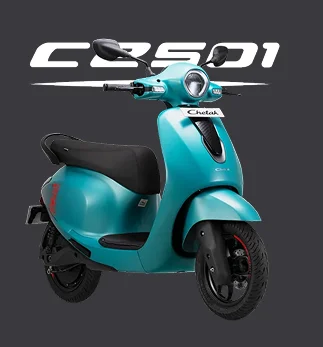
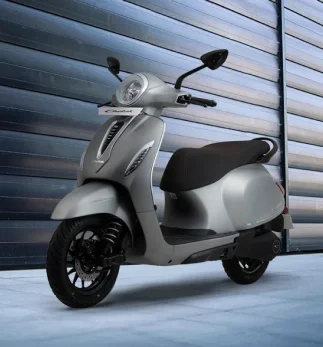
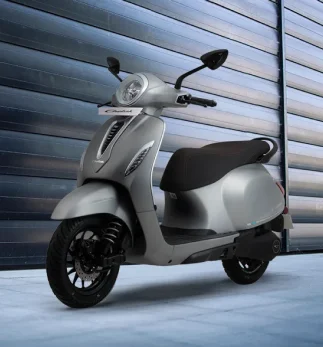
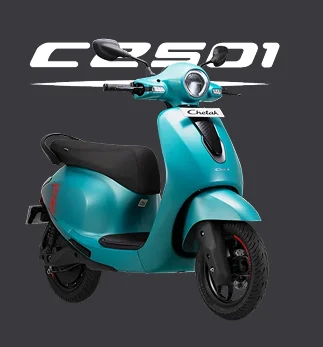
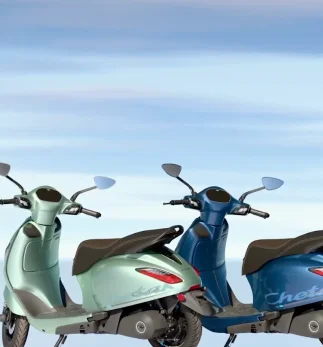
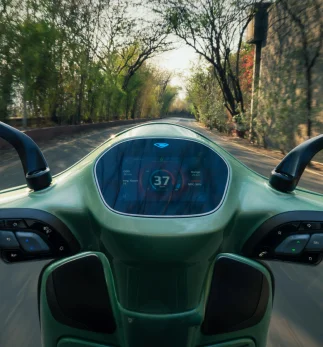
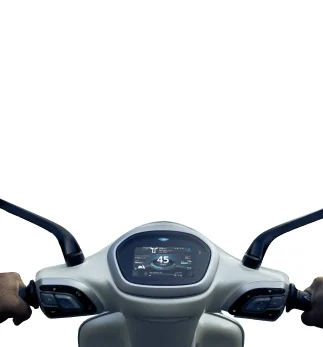
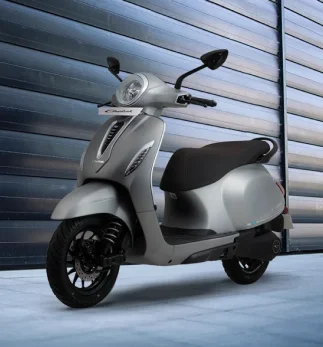
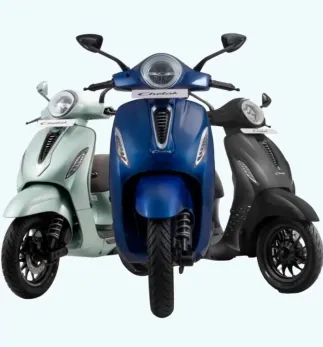
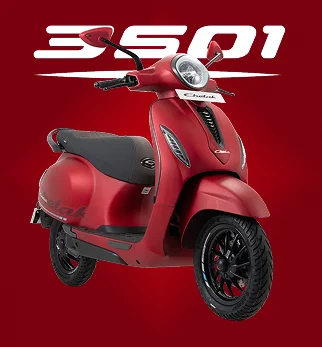
Bajaj Chetak 3501
Riding Tips for New Riders
If you are considering an electric scooter, keep the following practical points in mind:
Know the category of your scooter, low speed or high speed, and check if you need registration.
- Apply for an appropriate licence if your scooter exceeds 25 km/h.
- Wear a helmet even if it is not strictly required for your scooter type
- Purchase valid insurance and renew it annually.
- Check local rules that may place specific restrictions in your city.
- Service your scooter regularly to maintain brakes, lights, and battery health.
- Understand charging safety practices to avoid hazards
Following these steps helps you stay within the electric scooter rules in India and reduces stress on the road.
Choose the Right Electric Scooter Starts With Compliance
As India strengthens its electric mobility ecosystem, understanding electric scooter rules in India is no longer optional. From licence requirements and registration norms to insurance and helmet compliance, every rule supports safer roads and structured EV adoption.
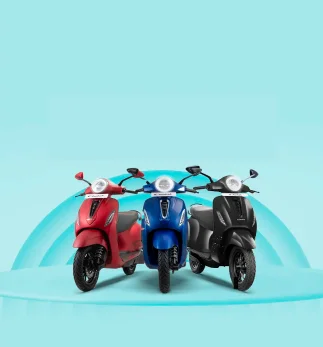
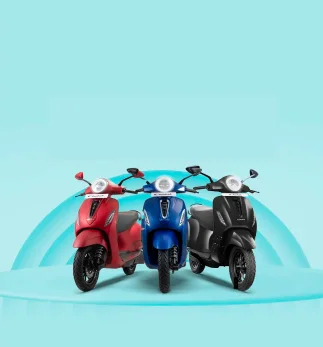
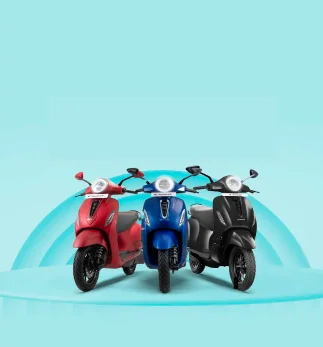
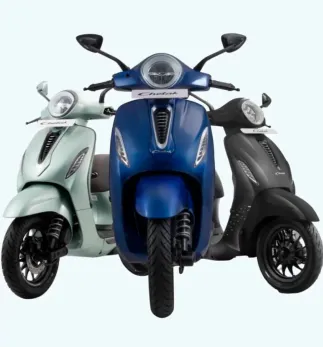
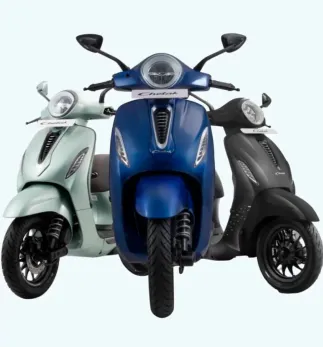
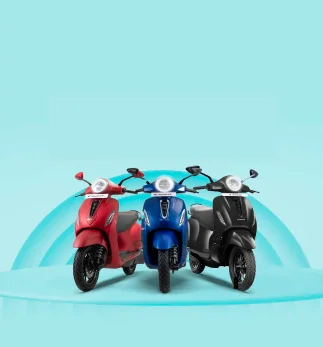
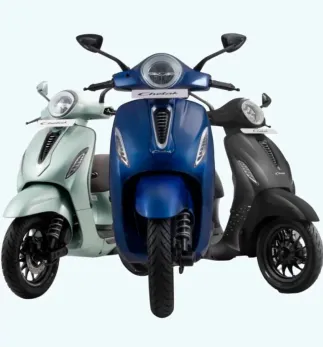
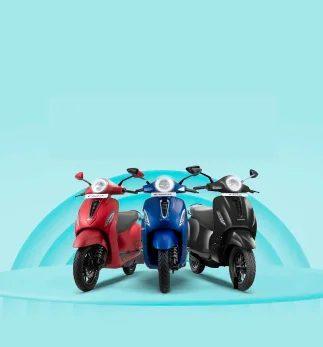
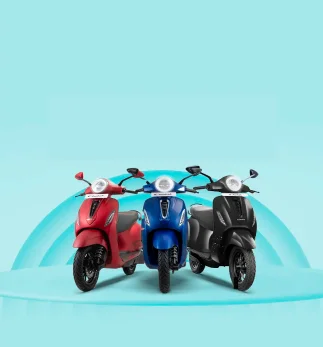
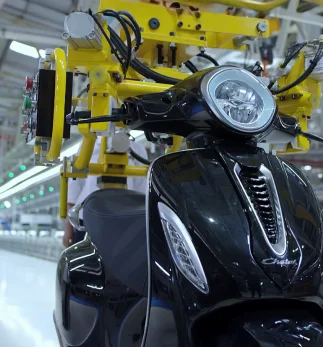
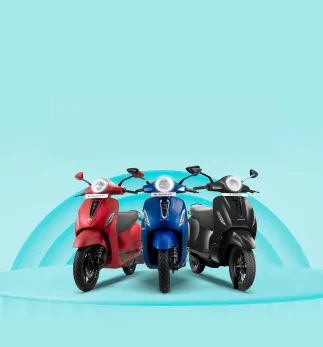
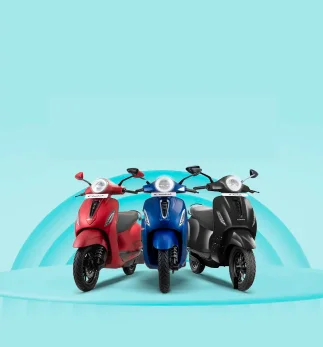
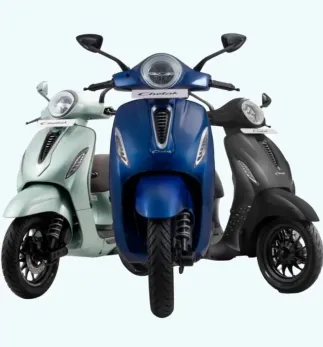
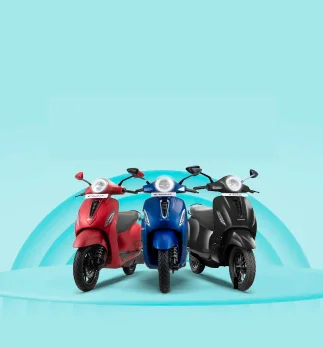
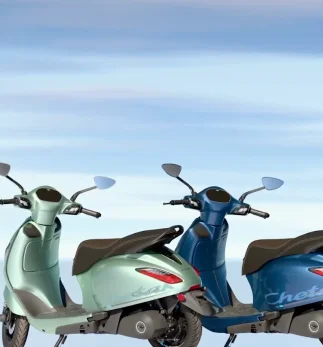
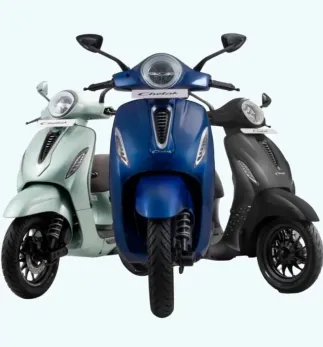
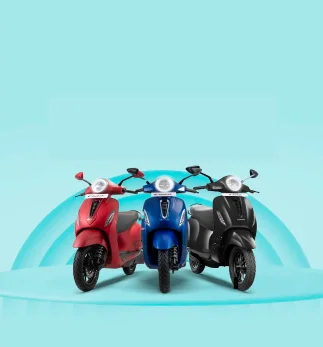
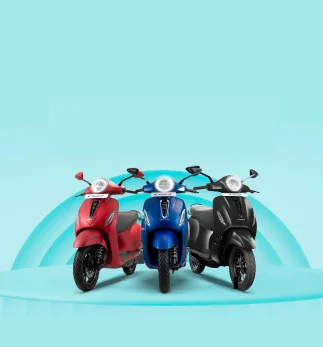
Riders who stay informed avoid penalties and contribute to responsible urban mobility. This is especially relevant as more high-performance electric scooters enter the market, including models from Bajaj Auto Limited, such as the Bajaj Chetak scooter range.
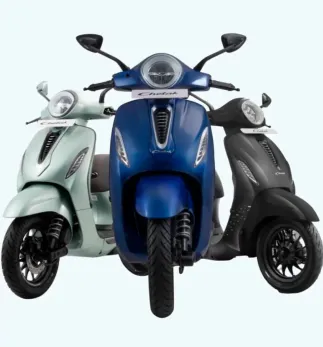
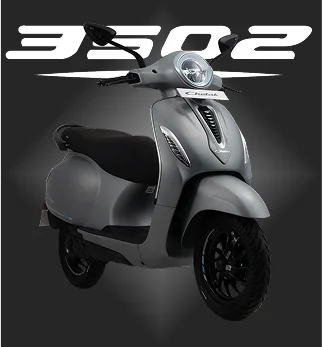
Popular variants like the Chetak 3501, Chetak 3502, Chetak 3503, and Chetak 3001 combine modern electric performance with regulatory compliance. Choosing compliant, certified models ensures peace of mind, long-term reliability, and a smoother riding experience across Indian roads.
Recent Articles
How to Increase Electric Scooter Range With Smarter Riding Habits
Know More
Which Bajaj Chetak Models Offer the Best Combination of High Speed and Rider-Focused Features?
Know More
5 Features that Make an Electric Scooter for Hilly Areas More Practical
Know More
5 Electric Scooter Maintenance Habits that can Support Long-term Performance
Know More
How to Choose a High-Performance Electric Scooter for Daily Use
Know More
.webp)


.webp)